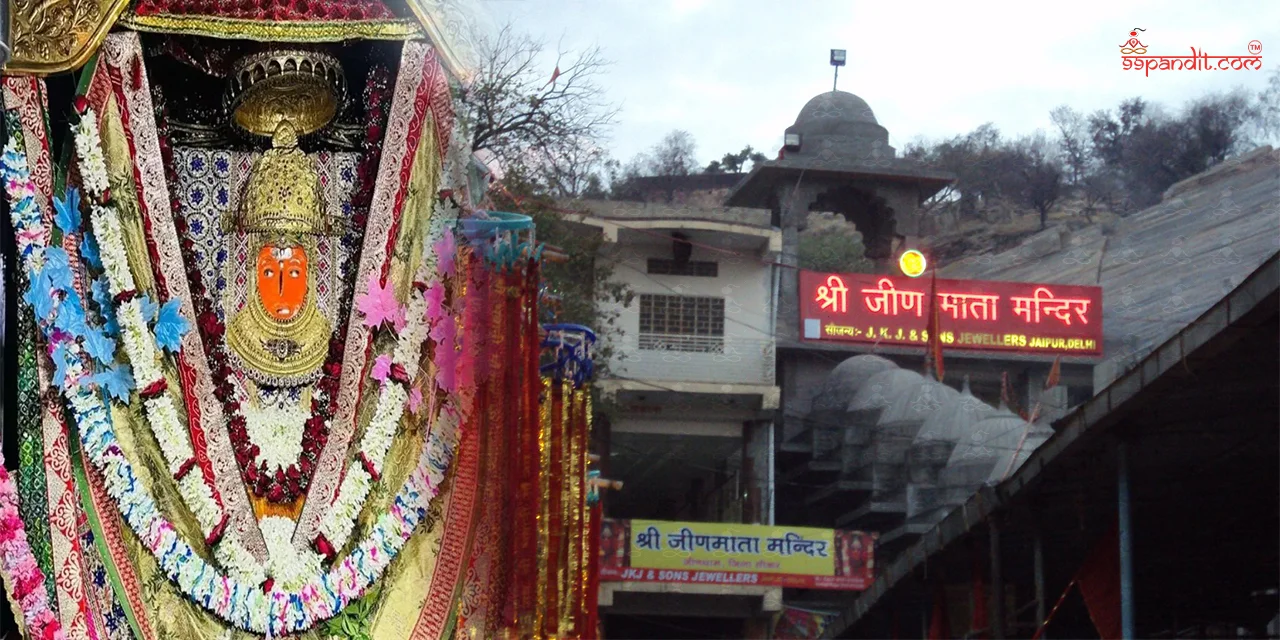
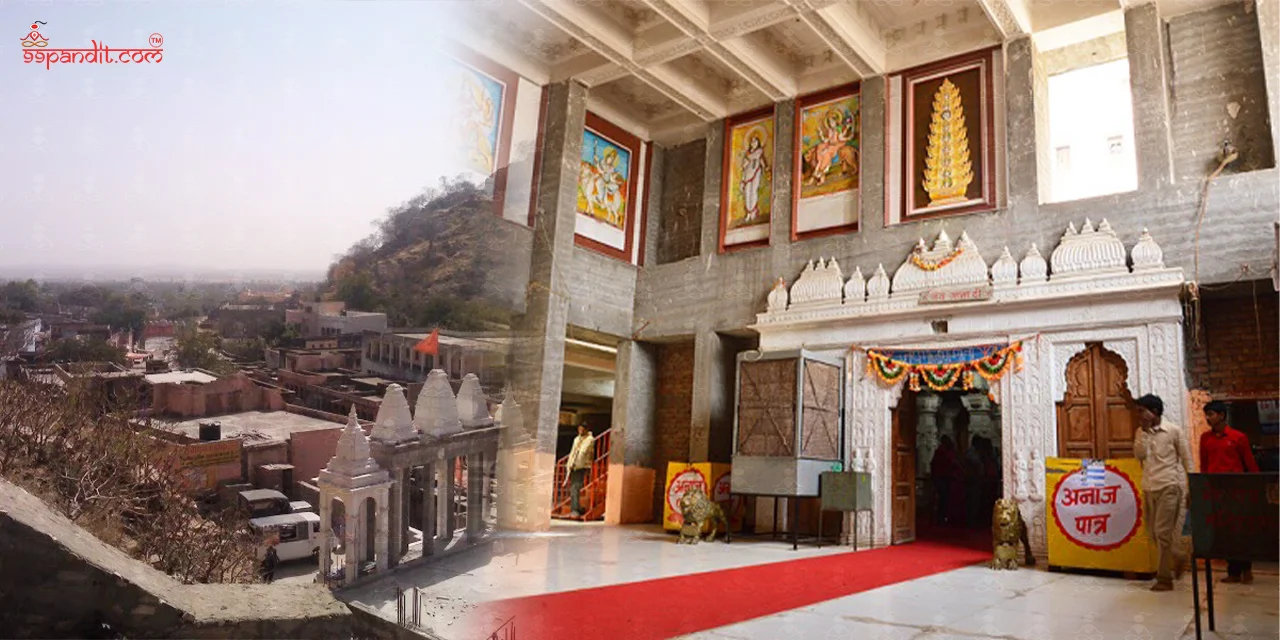
Kondagattu Temple: Darshan Timings, Ticket Prices & Online Booking Guide

Where is the Kondagattu Temple located? How to travel to the temple? Is there any direct transportation available to reach the temple? Wait, take a break!

We’re here to guide you through the entire details associated with darshan timing, ticket price, and the online booking guide of Kondagattu temple.
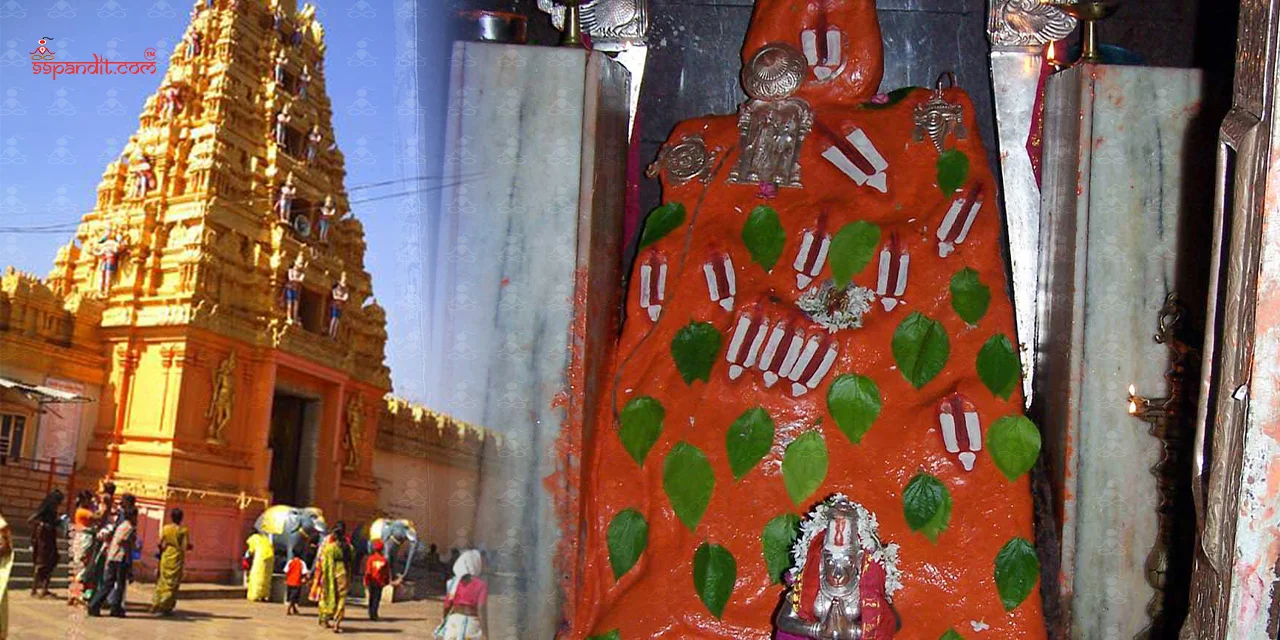
Kondagattu Temple

It’s a very famous Hindu temple in the region of Telangana and one of the known visited pilgrimage places by a lot of followers.

The sacred temple is recognized as Sri Anjaneya Swamy Vari Devasthanam and is found in Karimnagar city, Jagtiyal district of Telangana.

The deity of the temple is Lord Hanuman, who is especially honoured as Sri Anjaneya Swamy.

The date of temple development would be around 500 years ago, and hence much historical and spiritual significance. Then, let’s read about more details in this article.

Kondagattu Temple Darshan Timings

The auspicious temple Kondagattu has many routes available to reach. It’s approximately 40km away from Karimnagar and 16 km away from Jaityal.

It’s known as a sacred temple that was developed around 500 years ago. The deity is seen in the Silasana.

It can be seen on the exterior of the main premises. The legends who developed this temple are Singam Sanjeevudu and Ashmma.
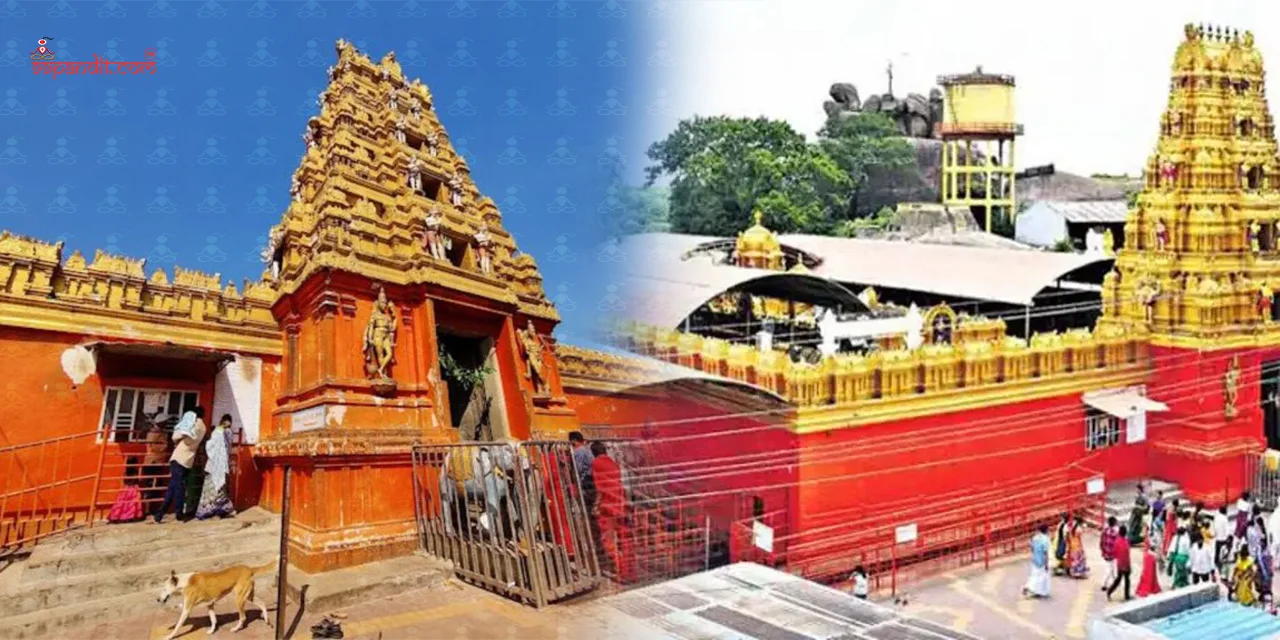
Kondagattu Temple

There are also other deities present in the temple. Sri Anjeya Swamy deity facing the north direction along with Narasimha vaktram amburilla and Shankhu Chakra.

People travel to the temple to perform certain rituals for lord Anjneya Swamy, like puja, darshan, and seva.

For the quick temple darshan, you can book an online service at the temple’s official website.

Temple Pooja Timings:

Pooja Timings Pooja Details/ Darshan
4:00 am Temple Opening Hours
4:00 am Subrabhatha Seva
4:30 am to 5:45 am Aaradhana
5:45 am to 6:00 am Balaboga Nivedna 1st Bell
6:00 am to 7:30 am Surya darshan
7:30 am to 9:00 am Nitya Haaratulu
9:00 am 11:30 am Abishekam
11:30 am 12:30 pm Sri Satyanarayana Swami Vratham
12:30 pm 2nd Bell
12:45 pm Bhajana and Tirtha Prasadam
1:30 pm to 3:00 pm Temple Closing Hours (Not on Saturday and Tuesday)
3:00 pm to 4:30 pm Surya darshan
4:30 pm to 6:00 pm Sri Swami vari aardhana, 3rd Bell
6:00 pm to 7:30 pm Nitya Haaratulu
7:00 pm Sri Laxmi Kumkumarchana
7:30 pm Sri Venkateswarla swami Seva Utsavam
8:15 pm Bhajana
8:30 pm Temple Closing Hours

People who are considering planning a temple visit the right time to visit: September to July.

On the days Saturday, Sunday, Tuesday, and Festive days, crowds may be high.
Opening & Closing Timings:- Daily 7.00 am to Evening 8.30 pm Vahana Pooja

Temple Darshan Timings:

Day Darshan Session Timing/ Schedule
Daily Temple Opening Timings 04:00
Daily Morning Darshan Timings 04:00 to 13:30
Daily Temple Break Timings 13:30 to 15:00
Daily Evening Darshan Timings 15:00 to 20:30
Daily Temple Closing Timings 20:30


Importance of Kondagattu Temple

Sri Anjaneya Swamy Varu is the primary deity of the Kondagattu temple, who is explained as Swayambhoo.

The idol of Lord Hanuman is set up in the unique form of Silasana that can be seen outside the main premises.

Ashmma and Singam Sanjeevudu developed the temple. Other idols of deities like Narasimha Vaktram, Amburialla, and Shankhu chakra are kept along with the main idol.

Many rituals are performed in the temple and seva practices to seek the lord’s blessings.

Also, many special prayers and traditions are followed to express devotion. Experience the divinity or participate in traditional rituals offered in the temple.

It’s just a visiting place for the purpose of seeking blessings from lord hanuman, but one can receive an opportunity to experience the calm and pious atmosphere of the auspicious land.

How to Reach Kondagattu Temple?

This is a very famous temple which is actually located in the state of Telangana, India.
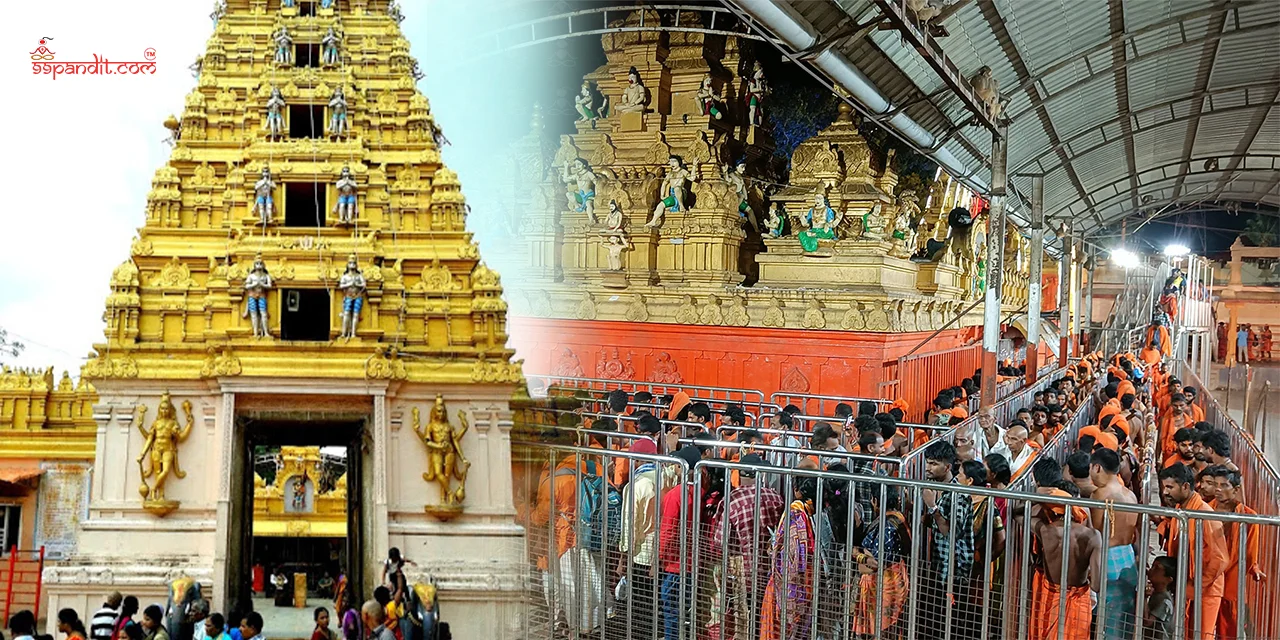
Kondagattu Temple

It’s devoted to Lord Hanuman, Son of Anjana and King Keshari. The temple is surrounded by beautiful hills and nature.

Road (Car, Taxi, or Bus)

  • The temple is established near Jagtial town in Jagitial district, Telangana, hence every year thousands of people visit here.
  • You can book a bus or car from your closest cities like Karimnagar (35 km away) or Hyderabad (180 km away) to visit the temple.
  • The temple is only 15 km away from Jagtial so that you can get a local taxi or an auto-rickshaw.
  • TSRTC buses are continuously running from Karimnagar and Hyderabad to Jagtial and Kondagattu; catch them instead of renting any transport.

Train

  • Jagtial Railway Station is the closest railway station, which is close to the temple from there.
  • You can get a train from big cities like Hyderabad, Warangal, or Nizamabad to travel to the temple, or else book a taxi.
  • From Jagitial railway station, you can get a bus or an auto to visit there, which is around 15km.

Air

  • Rajiv Gandhi International Airport, Hyderabad, is the nearest one.
  • You can hire a taxi or a cab from the airport to reach Kondagattu. It was approximately 220 km.
  • A bus from Hyderabad to Jagtial, running on a regular basis, gets to and reaches the temple.

Google Map Directions

  • If you’re going by your own vehicle and are troubled with the location of the temple, just write ‘Kondagattu Ajneya Swamy temple’ on Google Maps for the right navigation.
  • Roads are in good condition, well-maintained, and easy to reach.

Kondagattu Temple’s Important Festivals

In the temple, on different days, a number of festivals are celebrated with great endeavor.

Sri Hanuman Jayanti: This is a three-day temple festival which is performed during Vyshakha Sapthami to Vyashakha Bahula Dashmi, and Poorvabhadra Nakshatra.

Sravana Sapthaha Uthsavam: The ritual falls between Sravana Sudha Padiyami to Sapthami. It is organized with special abhishekam rituals.

Pavitrotsavam: It’s a trahnikam uthsavam which is performed in the month of Shravan.

Dhanurmasam: This is a 30-day Thiruppavai Kalakshepamu festival that is celebrated during Margashira shudda & Moola Nakshatram.

Vykunta Ekadashi: A uttara dwara darshanam organized on Pushya sudda ekadashi.

Sri Sudarshana Yagam: Trahnikam Uthsavam and performed in Magha Sudha Panchami.

Online Ticket Booking of Kondagattu Temple

The ticket booking process of the Kondagattu temple is not accessible on the official website for all.

The facility has not been opened by the temple authorities. Hence, you can visit the temple and receive a direct ticket from the ticket counter.

Kondagattu Temple Daily Pooja Seva List Book

In the temple, there are lists of seva that can be performed by the followers, like Vivaham, Abhishekam, Nalugu chakrala vahanam, Kumkum pooja, Keshi khandanam, and Haarati.

The worshippers can explore the list on the website of the temple or at the temple counter. The devotees can visit the temple directly or book for the puja or ritual.
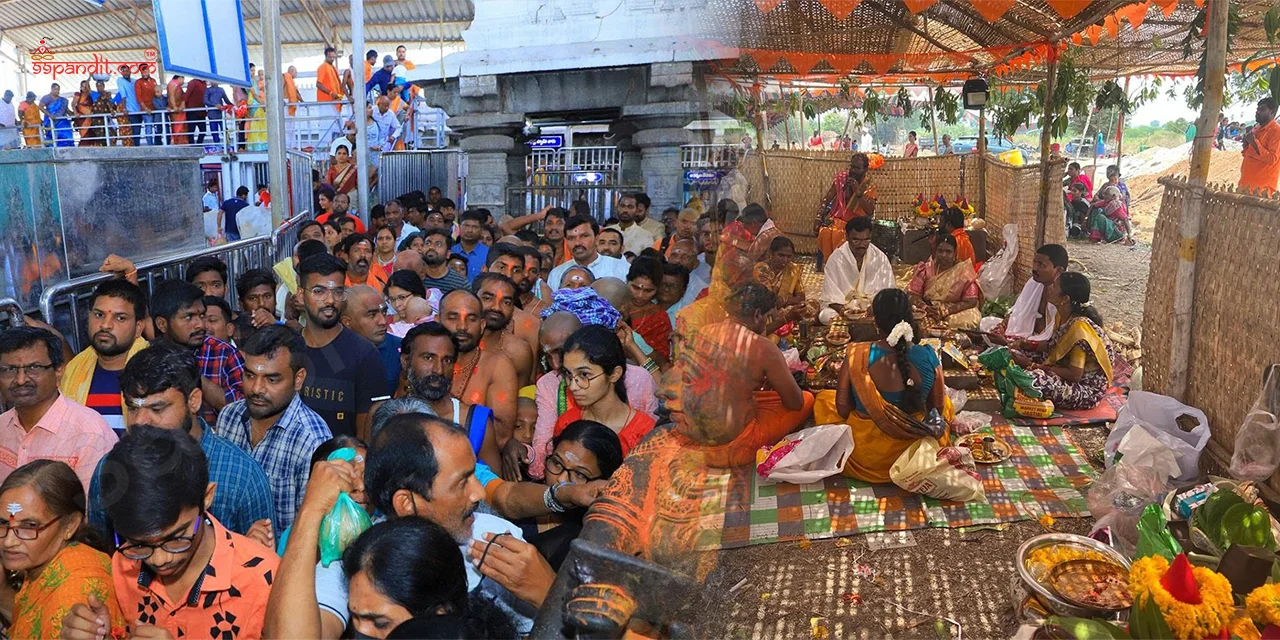
Kondagattu Temple

Some puja would be scheduled in the temple regularly, and a few of them will be performed on a weekly basis.

They can go through the Seva from the authority if it’s available for them. If the seva is available, people can book it.

What sevas are performed in temples?

  • Hanuman and Suvarchala are the symbols of the unity of two individuals and a fresh start, respectively, and they are united through the Nitya Kalyanam marriage ceremony. Since this is the only temple that is carrying the Nitya Kalyanam Seva to Hanuman, it is truly unique of its kind. At four o’clock in the evening, the priests of the temple commenced the seva or religious service.
  • Other forms of a wedding, such as flower offerings and other similar traditional elements, can also be used in showing the commitment of people involved in a Seva.
  • Dhoop seva is a ritual in which one offers a gift (incense sticks) to the gods, and that, in its turn, forms an inseparable part of the Sayam Pooja. The service, also referred to as Seva, which is conducted by the temple priests, commences at 19:30. The others who are present in the ceremony are free to offer a helping hand by, among others, chanting the mantra and burning incense, which are important elements of the decree.
  • Lamps are presented as an offering to a god as a part of the devotional service called Deepa Aradhana. The temple priests initiate the seva, or the evening service, at seven in the evening. Singing of a mantra and illumination of a lamp are equally acceptable modes of completing your duty of participating in the seva.
  • A procession of an idol of the god accompanied by a parade is transported through the streets in a palanquin, and it is called Pallaki Seva. At about nine o’clock in the evening, the priests of the temple began the seva. In order to demonstrate their faith, devotees are even urged to take part in the seva by chanting mantras, offering flowers, and bearing the palanquin.

Kondagattu Temple Seva And Ticket Price

Seva Name Cost Per Ticket (INR)
Shasvatha nidi 1116
Vivaham 151
41 Days Haarati 80
21 Day Haarati 50
11 Days Haarati 30
41 Days Bila Haarati 30
21-Day Bila Haarati 20
11 Days Bila Haarati 12
41 Days Current Bill 50
21 Days Current Bill 25
5 Days Nidra 12
Sri Venkateshwara Swami Seva 50
Sri Satyanarayana Swami Seva 30
Abhishekam 25
Nalugu Chakrala Vahanam 35
Rendu Chakrala Vahanam 15
Kumkuma Pooja 15
Kesha Khandanam 10
Pratyeka Darshanam 10
Odi Biyyam 10
Tula Baram 8
Pattenamalu 6
Ganta Kattuta 5
Kaluka Kadiyam 5
Nutana Vastradarana 5
Karupura Haarati 3
Punyavachanam 2
Tenkaya Rusumu 1


Conclusion

The Kondagattu Sri Anjaneya Swamy temple, located on a hillock amidst beautiful hills, valleys, and extreme greenery, is dedicated to lord Hanuman.

With decorated sculptures of other deities, it has the idol of lord venkateshwara, Goddess Alwar, and Sri Lakshmi. Visitors can take the help of the stairs to see the statue from close.

It is believed that people who are suffering from fertility and conceiving will be blessed by worshipping for 40 days through prayers to lord hanuman. The main festival of the temple is Hanuman Jayanti, celebrated with devotion.

A lot of devotees perform Hanuman deeksha for the regular 41 days on Hanuman Jayanti and visit the temple on foot. More than 4 lakh people visit the temple every year on Hanuman Jayanti.

Visitors have the option to book seva online or offline at the temple. Create a divine experience by visiting the Kondagattu temple along with your family and friends!
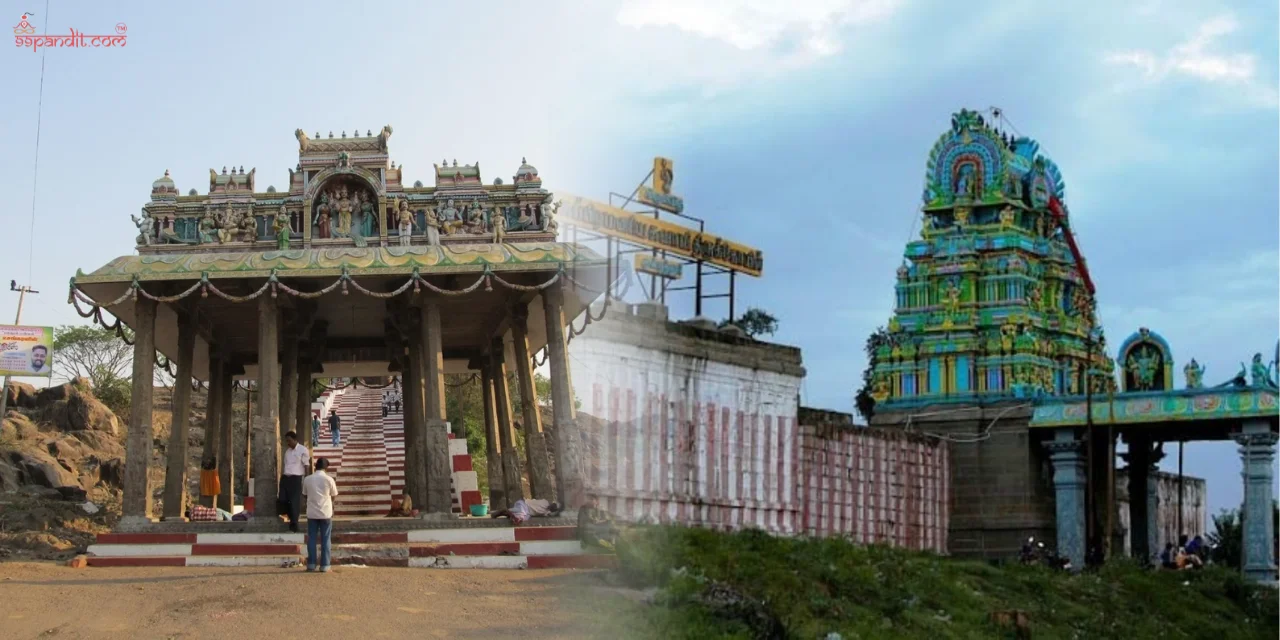
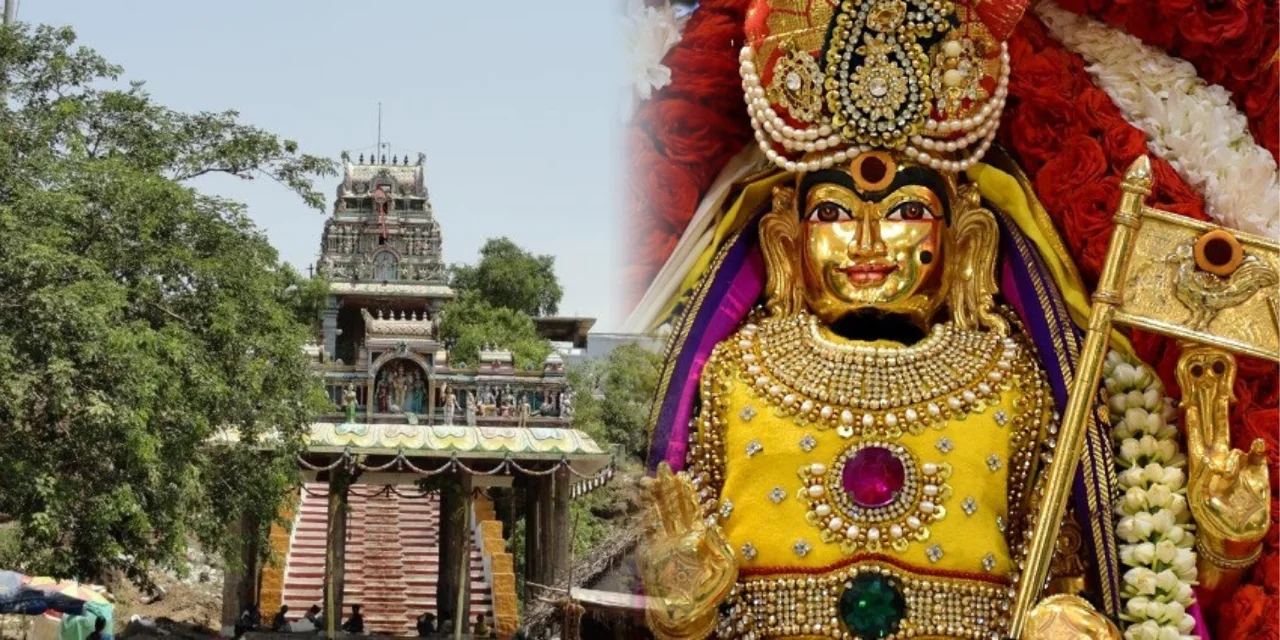
Kundrathur Murugan Temple: History, Timings, Significance & Location

The South of India is full of extraordinary religious sites. One of the vital temples is situated on the outskirts of Chennai, the Kundrathur Murugan Temple.

This temple is regarded as one of the few temples in Tamil Nadu where Lord Murugan faces north. The Kundrathur Murugan Temple in Chennai is also known as the South Thanigai.

Kundrathur Murugan Temple

Because of the north-facing temple, it is believed to bring immense spiritual benefits to devotees.

For devotees, this place is not just a place of worship; it is an eternal fusion of divine energy, mythology, and heritage.

Today, with 99Pandit, let us embark on the journey of finding the amazing facts about the Kundrathur temple in Chennai.

In this guide, we will discover some extraordinary knowledge about the temple that not many people are aware of.

We will tell you in detail about the history, significance, and timings of the Murugan temple in Chennai.

At 99Pandit, we realize the importance of such divine sojourns and rituals. Be it a marriage, childbirth prayer, or simply to offer a special puja, our website provides convenient Pandit booking facilities.

Timings of the Kundrathur Murugan Temple

Puja Details Timings
Temple Opening Hours 6:00 am
Kalasandhi Pooja 7:00 am to 7:30 am
Darshan 7:30 am to 1:00 pm
Temple Closing Hours 1:00 pm to 3:30 pm
Temple reopens 3:30 pm
Darshan 3:30 pm to 7:00 pm
Sayaratchai Pooja 7:00 pm to 7:30 pm
Darshan 7:30 pm to 8:30 pm
Temple Closing Hours 8:30 pm

The timings mentioned above might change on festival days.

Kundrathur Murugan Pooja

Pooja Details

Ticket Cost
Archanai

Rs.5

Maalai Samarpithal

Rs.2
Kanikai

Rs.10

Special Entrance Ticket

Rs.20
Prasadam Samarpithal

Rs.25

Marriage Form

Rs.50
Kavadi Fees

Rs.50

Still Camera Fees

Rs.50


Major Festivals and Celebrations in Kundrathur Murugan Temple

There are the following major festivals that are celebrated in the Kundrathur Murugan Temple in Chennai. These are:

1. Vaikasi Vishakam

Vaisaki Vishakam is one of the significant festivals marked in the Kundrathur Murugan Temple. It is dedicated to Lord Murugan, the Hindu war god.

The festival emerges every year during the Vaikasi month of the Tamil calendar, which corresponds to May or June in the English calendar.

Kundrathur Murugan Temple

The festival is celebrated for a period of ten days, and the devotees perform a series of rituals and ceremonies to appease Lord Murugan.

Hoisting the divine flag, Abhishekam (bathing) of the deity, and chanting devotional hymns are some of the major practices performed.

2. Skanda Shashthi

Skanda Sashthi is one of the major Hindu festivals in which Lord Murugan is worshipped.

The festival falls during the Tamil month of Aipasi, which is either October or November.

The festival is celebrated for six days, during which the devotees fast, pray, and offer flowers to Lord Murugan.

Another important practice during the festival is Vilvarchanai, where the devotees offer holy Bilva leaves to Lord Murugan as a symbol of devotion and seek his blessings.

The temple authorities decorate the temple with beautiful lights and flowers, and the devotees offer fruits and milk to the god.

3. Thirukarthikai

The Thirukarthikai festival occurs on the full moon day of the Karthikai month in Tamil, which comes either in November or December. Devotees visit the temple on this day to pray and indulge in rituals and ceremonies.

The Thirukarthikai festival involves the distribution of a sweet known as ‘Panchathertham‘ made from ripe bananas, honey, and jaggery, among other ingredients.

The devotees offer the sweet as prasad to Lord Murugan, and it is believed to be auspicious and prosperous.

4. Tamil and English New Year

The celebration of the Tamil and English New Year also takes place in the Kundrathur Murugan Temple, Chennai, India.

The occasion is one where people come together of people and celebrate the new year with joy.

The temple authorities illuminate and adorn the temple with flowers, while followers offer prayers and offerings to Lord Murugan, seeking his benediction for the upcoming year.

5. Thai Poosam

The festival of Thai Poosam occurs in the Tamil month of Thai, i.e., the English months of January and February.

The festival lasts for three days. Apart from this, Kavadi Attam is a ritual dance done by devotees as an act of worship.

The dancers carry a kavadi, an adorned arch structure, as a symbol of devotion to Lord Murugan.

Thirukalyanam is another important event at the festival, where the god is dressed in decorated costumes and worshipped in a ritual parade.

6. Thai Pongal

Thai Pongal is a harvest festival celebrated to mark the end of the winter solstice and the beginning of the sun’s journey towards the north.

The festival is enjoyed to express gratitude to the Sun God, Lord Surya, for providing heat and life to crops and the earth.

The festival extends over four days, each of which holds special importance. The first day is Bhogi Pongal, in celebration of Lord Indra. The second day is Surya Pongal, in commemoration of Lord Sun.

The third day is Mattu Pongal, reserved for cows and bulls, who play a very essential role in agriculture.

The fourth day is Kaanum Pongal, where families reunite, pay visits to relatives and friends, and participate in cultural activities such as music and dance performances.

Finally, Thai Pongal is an important festival celebrating the Sun God’s blessing and the abundance of the harvest. It’s a time of spiritual rejuvenation and cultural enrichment.

7. Thai Karithigai and Panguni Uthiram in March-April

Thai Krithigai is celebrated on the full moon day of the Tamil month Thai, and marks the beginning of the temple festival season.

Panguni Uthiram, on the other hand, is celebrated on the night of the full moon corresponding to the Tamil month of Panguni.

It is the most significant of the festivals in honor of Lord Murugan. Devotees propitiate the god with elaborate ceremonies and rituals, and they take out a grand procession.

Significance of Kundrathur Murugan Temple in Chennai

Devotees come to the temple for multiple reasons. Those experiencing marriage delays pray to Lord Murugan to remove the obstacles to marriage.

For this reason, the couple conducts Abhishekam and even a wedding ceremony for the Lord. Some offer vastras or clothes.

There is a massive fig tree in the temple. Individuals who are childless visit the temple and tie a cradle on this holy tree.

When their desires are fulfilled and a baby is born, devotees revisit the temple and offer fruit or sugar equal to the baby’s weight. At times, a devotee’s child may have a disease.

In these circumstances, too, parents come to the temple and pray to the Lord for their child’s well-being. The temple offers Vibhuti, or holy ash, as prasad to the devotees.

The following are the reasons why the Kundrathur temple is so significant:

1. Devotion of Lord Murugan

The temple is of Lord Murugan, a widely worshipped Hindu god and son of Lord Shiva and Goddess Parvati.

The temple is the central place of devotion for Lord Murugan’s devotees and is one of the most significant Murugan temples in the area.

2. Rich Cultural Heritage

The temple boasts a rich cultural heritage and serves as a symbol of the region’s rich cultural traditions.

It reflects the long history of Hinduism in South India and the love of generations of Hindus for their religion.

3. Spiritual Value

The temple is a symbol of spiritual inspiration and sanctuary for worshippers who seek blessings, tranquility, and spiritual enrichment.

People come to the temple to pray, practice acts of devotion, and ask for directions from Lord Murugan.

Location and Travel Tips to Kundrathur Murugan Temple

The authorities built the Kundrathur Murugan Temple on the outskirts of Chennai, Tamil Nadu. To be exact, the temple is located in Kundrathur, a suburb of Chennai in the Kancheepuram district.

As mentioned before, the temple is also known as the South Thanigai. Devotees believe that this temple is the only one in the world where Lord Murugan faces north.

Kundrathur Murugan Temple

For devotees, this place is not just a place of worship; it is an eternal fusion of divine energy, mythology, and heritage.

Travel Tips

If you are planning to visit the famous Kundrathur Temple, then you are at the right place. Here are some important and valuable tips to help you have a smooth Darshan experience:

1. Best Time to Visit:

  • People consider weekdays the best time to visit the temple. Weekdays are best to avoid large crowds.
  • Early mornings (6:00 AM – 8:00 AM) and evenings (4:30 PM – 6:30 PM) provide serene darshan.
  • It is best to avoid the festival days as there is a large crowd at that time.

2. Dress Code:

  • The temple committee of Kundrathur Murugan Temple has not decided any formal dress code. But when visiting a temple, you should dress traditionally.
  • When visiting the Murugan Temple, avoid wearing shorts and sleeveless clothing in respect for temple traditions.

3. How to Reach:

  • Local transportation makes it easy to reach the temple. It is readily accessible by bus, cab, or auto from Tambaram, Pallavaram, and Porur.
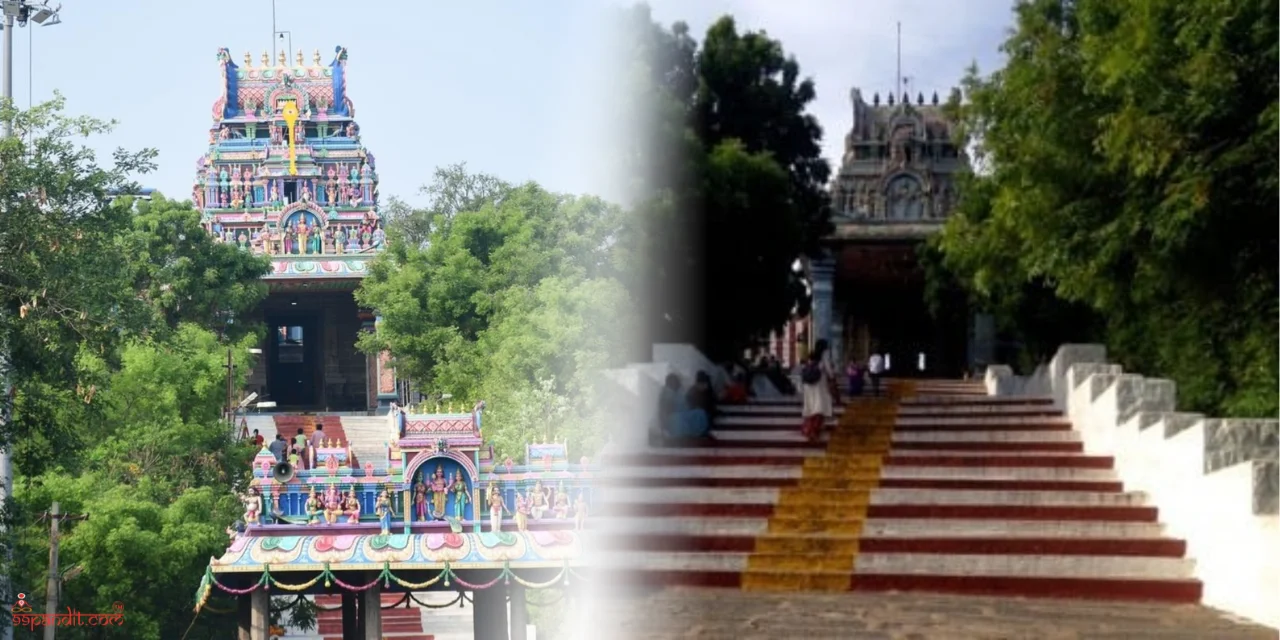
  • The wheelchair-bound and those who cannot climb the 84 steps can drive up the hill to park close to the temple entrance.

Conclusion

The Murugan Temple, located in Kundrathur in the Kanchipuram district of Tamil Nadu, is a mysterious and divine place.

It is famous not only for its unique architecture but also for its mysterious stories and faith. As said before, the great Chola emperor Kulothunga Chola II built this temple.

Another mysterious aspect of this temple is that Lord Murugan can be seen only with a goddess.

If you visit the temple from one direction, he is with Goddess Valli, and if you look from the other direction, he is with Goddess Devayani. So that is all for this article.

I hope you get valuable insights from the information provided about the Kundrathur Murugan Temple in Chennai. Stay tuned to 99Pandit for more such content.

Kottiyoor Temple: Timings, Dress Code, Accommodation Guide

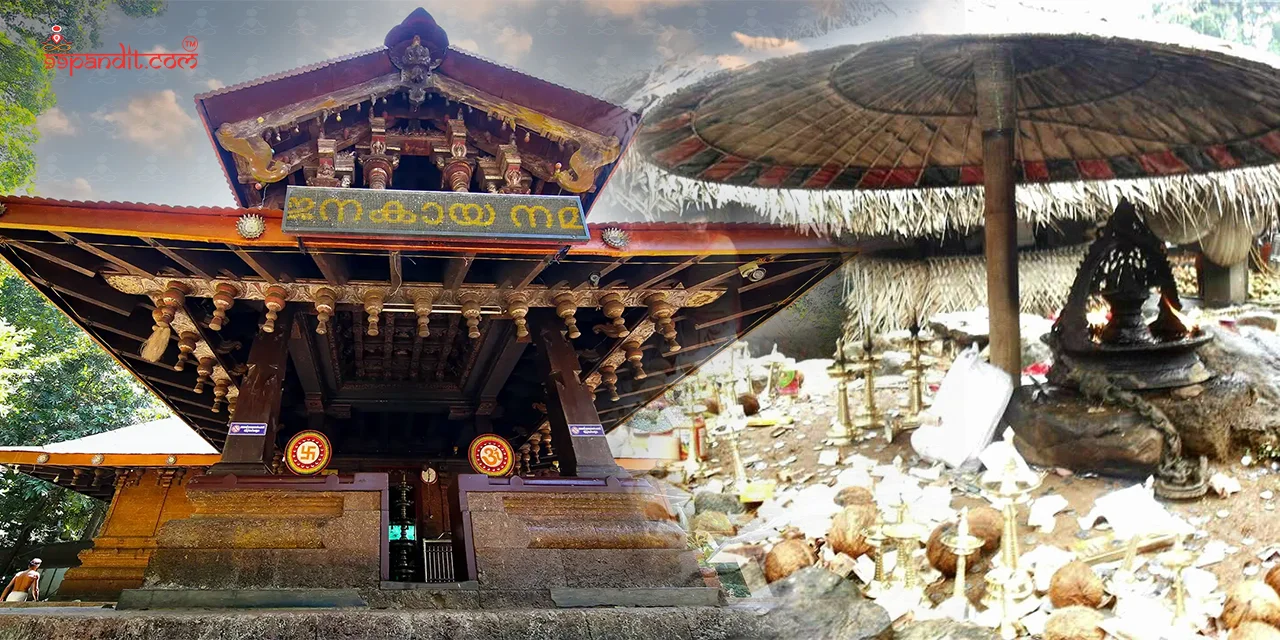
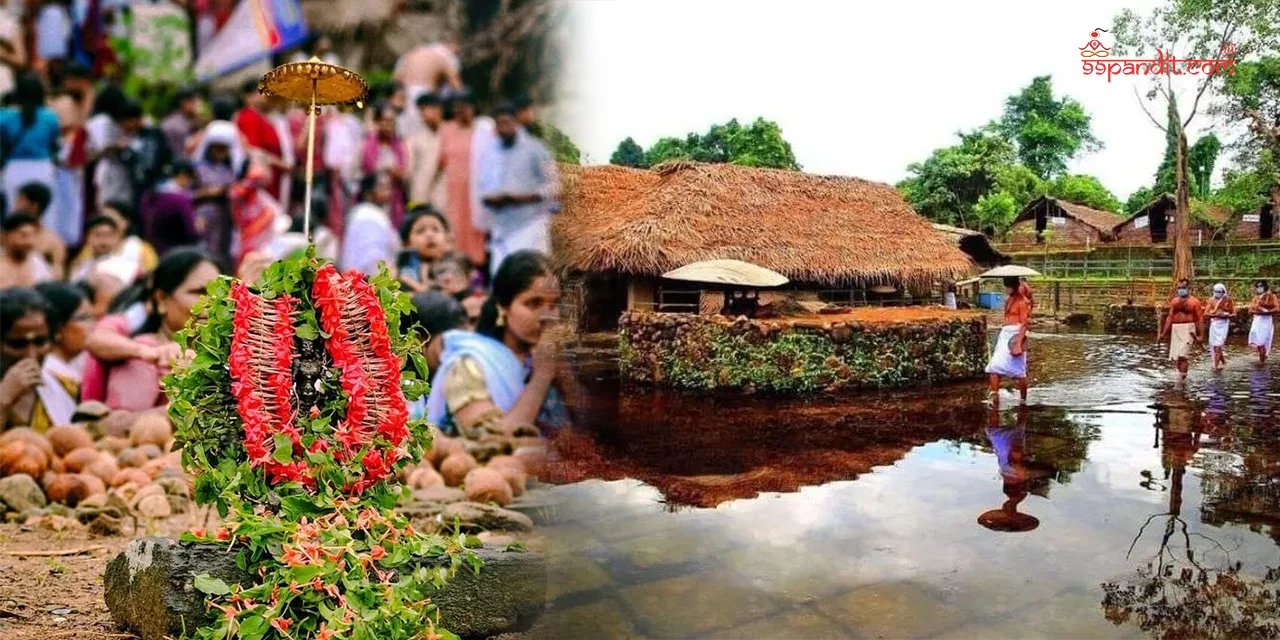
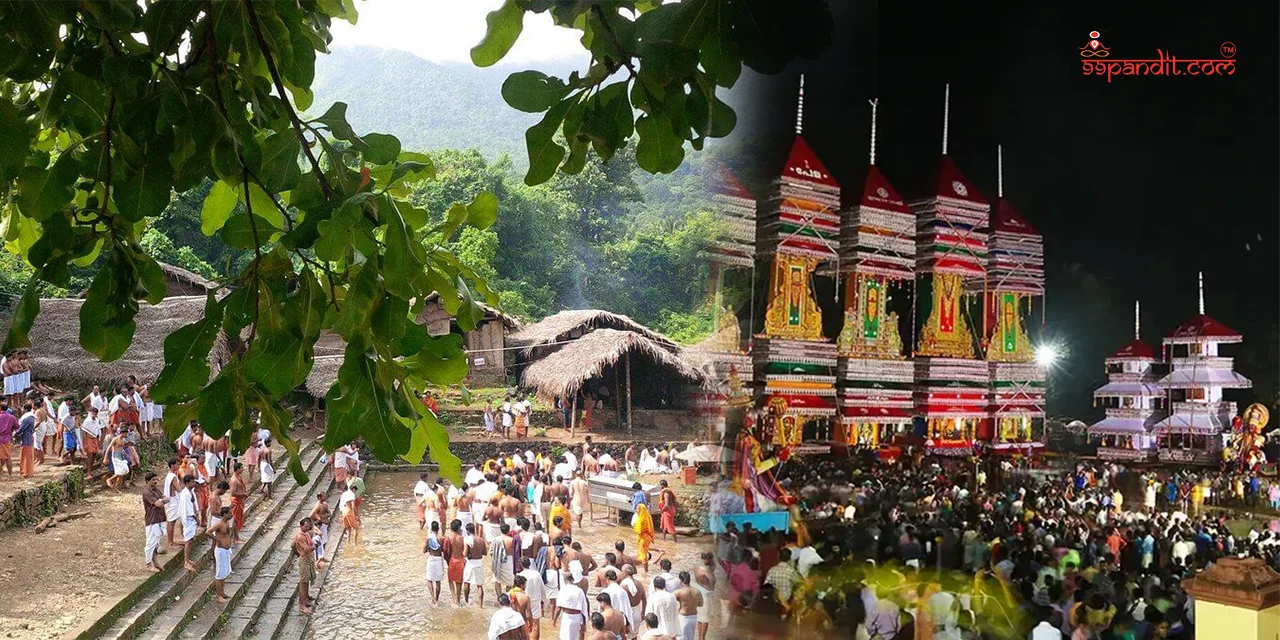
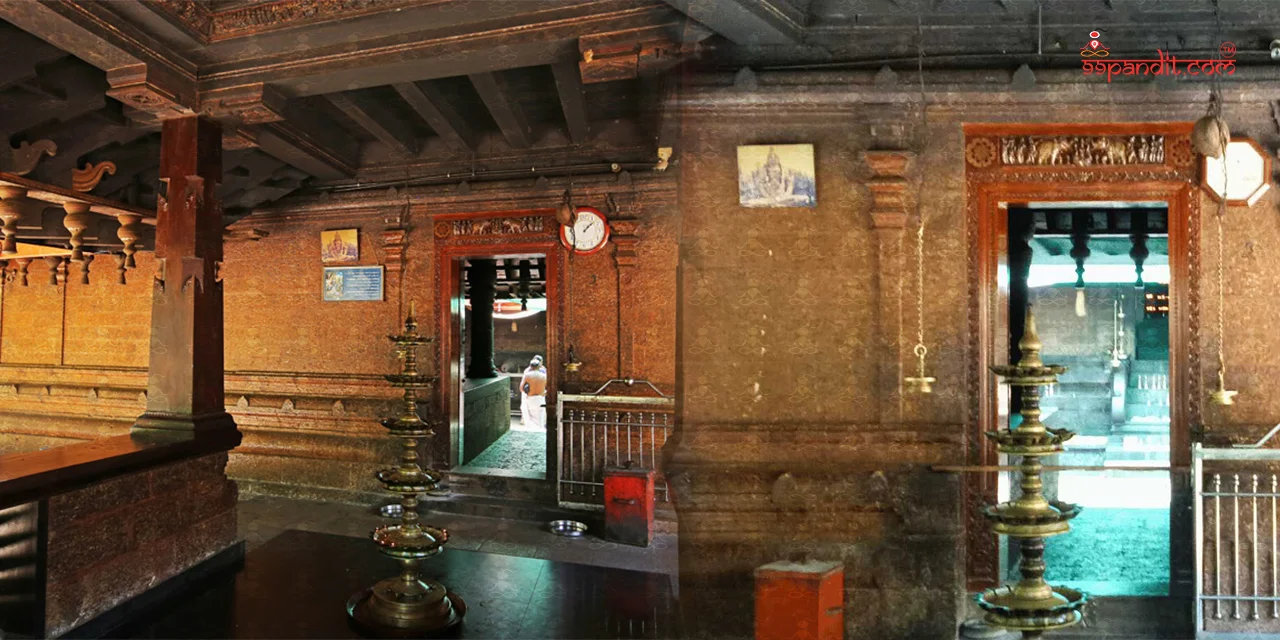
Located in the lush greenery forest of Kerala, India, the sacred Kottiyoor temple, a sacred place recognized for its unique rituals and serene environment.

The auspicious place draws followers and pilgrims looking for spiritual guidance, solace, and cultural immersion.

Kottiyoor Temple

So, come with us to delve into the temple’s rich history, religious significance, and annual pilgrimage, which attracts many visitors.

Find the required details about timings, dress code, and accommodation to ensure an exciting experience at Kottiyoor temple.

Kottiyoor Temple: A Sacred Place Amidst Nature

Established on the banks of the Bavali River, Kottiyoor consists of two primary temples: Ikkare Kottiyoor on the west bank, and Akkare Kottiyoor rooted on the eastern bank.

The latter opens just once a year during the revered big festival of the temple, Kottiyoor Vaishakha Maholsavam, a 28-day festival celebrated generally in May-June.

The location has strong roots in a legend of Daksha Yaga and refers to the place where Sati Devi burnt herself to death, and Lord Shiva found expression of his sorrow and fury.

The natural environment, which comprises dense forests, a sacred grove that covers more than 80 acres, and a calm river, provides a spiritual atmosphere that augments with each journey undertaken by every devotee.

Other important points of rituals are the Ammarakal Thara, supposed to be the very place of the sacrifice of Sati, and Thiruvanchira, the sacred water body.

Akkare Kottiyoor is built in the round shape with 72 minor shrines representing the ancient yaga shala, and the focus point is the Manithara, where the offering is done.

Ceremonies such as Neyyattam (ghee ceremony) and Elaneerattam (one with tender coconut water) are performed with rigorous devotion, which is part of the centuries-old traditions.

It is obvious that whereas Ikkare Kottiyoor is available to all visitors throughout the year, and has Kerala-style architecture, Akkare Kottiyoor is only a place of temporary sanctity; nevertheless, treated with utmost sanctity.

The spiritual discipline and rustic simplicity characterize the temple complex, which was rebuilt with the help of Adi Shankaracharya, and cleanliness, as well as a sense of respect, are underlined.

Historical Background

Ancient Mythology and Royal Patronage

Kottiyoor temple’s history dates back centuries, drenched in mythology. It is considered to be the place where Daksha yagna was organized, an important event in Hindu mythology occurred in the self-immolation of Sati.

The name of the temple, ‘Kottiyoor’, is considered to have originated from ‘Katti-yoor’, connected with the Kattan dynasty of Puralimala.

Kottiyoor Temple

As per the evidence of archaeological and historical records, advise centuries of honoring the place.

The traditional Kerala wooden structure shows the rich cultural heritage of the region.

The royal member of Chirakkal even plays an important role in the temple’s history via their patronage.

Cultural Significance

The temple is identified for its annual celebrations, the Kottiyoor Vysakha Mahotsavam, which draws multiple pilgrims.

The festival schedules elaborate rituals and offerings, including the unique Neyattam ceremony, where ghee is poured onto the sacred fire.

The forest of the temple improves the mystical aura and religious significance. The traditions are thought to purify sins and shower divine blessings.

The preserved forest surrounding the temple indicates the harmony between nature and spirituality.

Kottiyoor Temple Timings and Rituals

Suppose you’re scheduling a trip to Kottiyoor temple that you need to be aware of the temple’s timing and the many rituals performed.

The temple generally opens early in the morning and remains open till evening. The key detail ritual consists of:

Morning Abhishekam: Experience the sacred bathing ritual performed for the deity, an important part of the daily offering.

Evening Puja: Be involved in the evening honoring ceremony, experiencing the religious environment filled with mantras and offerings.

In the Kottiyoor Vyasakha Mahotsavam festival, sacred occasions like Thiruvutsavam and Neyyamrithu are performed. These offerings have a special place, and people are invited to be involved.

Think of visiting during less crowded times for a more peaceful and competitive experience. To know more timing details, visit the official website of the temple.

General Timings (Ikkare Kottiyoor):

  • Morning: 5:00 AM – 11:00 AM
  • Evening: 5:00 PM – 8:00 PM

(Timings may vary slightly on special occasions and weekends)

Vaisakha Festival (Akkare Kottiyoor) Timings:

  • Open: Early morning (around 4:30 AM) till late evening (9:00 PM)
  • It’s good to visit early in the morning or after 6:00 PM to avoid the peak crowd and midday heat.

Dress Code and Etiquette

Appreciate the temple’s purity by wearing the right dress code and following etiquette. The preferred traditional dress is:

Men: You must wear a white dhoti. Shirts are often not allowed inside the temple.
Women: Sarees or salwar suits are advised for women. Do not wear Western clothes like shorts, skirts, and sleeveless tops.

Remove your footwear before entering the premises. Following a modest dress code contributes to the spiritual ambiance of the sacred space. Follow the additional rules:

Keep Silence: Maintain the serene atmosphere by abstaining from loud screaming.
Avoid Photography: Taking photographs is not allowed in specific areas of the temple. Follow the guidelines.
Prevent Consumption of Non-Vegetarian Food: It’s required to avoid non-vegetarian food before seeking the darshan.

Puja Items for a Blessed Visit to Kottiyoor Temple

Make your spiritual journey exciting to Kottiyoor temple with sacred puja items from the shop.99Pandit.

This is India’s leading provider of spiritual and religious items. Be ready for a blessed visit with the needed items for your worship.

Kushal Mangal Sandalwood Puja Prayer, Agarbatti License Sticks: Create a serene environment with the fragrant sandalwood incense sticks.

Kottiyoor Temple

It’s auspicious for offering prayers and improving the holy ambiance. Available in comfortable liberty packs.

Kushal Mangal Sandalwood Puja Prayer Agarbatti: Energize the prayers with the soothing environment of sandalwood agarbatti. It’s available in easy-to-use packaging and storage.

Laddu Gopal Murti: Get the divine presence of Laddu Gopal to your home with the beautifully created brass murti, perfect for personal worship and creating a holy space in your home.

Visit the official website of Shop.99Pandit to explore a variety of puja samagri and other religious items to enhance the Kottiyoor temple experience.

Accommodation Options

A variety of accommodation services are available near Kottiyoor temple, including hotels, homestays, and guest houses.

Living in custom Kerala-style accommodations can improve your cultural experience.

These facilities give multiple options, including dining options and transportation guidance. We advise booking in advance, especially during the peak season.

So if you’re going to experience spirituality, consider staying in the guesthouses for more relaxation. Select the accommodation depending on your budget, preferences, and time of stay.

Local Attractions and Activities

See the natural beauty and cultural richness around the Kottiyoor temple. Visit the closest Periya Forest Reserve, recognized for its biodiversity and trekking trails.

The Palchuram Waterfalls provide a tranquil place for relaxing and nature photography.

Kottiyoor Temple

Find the vibrant local markets, where you can find authentic traditional spices, handicrafts, and souvenirs.

Dive into Kerala’s culture by participating in local festivals, dance performances, and music events.

The guide and local guides can make your experience with their knowledge and memories.

Travel Tips

Make sure a hassle-free and smooth visit to the temple by following the practical travel tips:

  • Transportation: Visit the temple by booking private vehicles, a taxi, or public buses. Schedule your booking in advance, mainly during the festive season.
  • Weather: Check the weather before visiting the temple, as due to heavy monsoons can affect travel. Plan accordingly. Travelers prefer to visit in May and June.
  • Safety: Be aware of nearby medical facilities and emergency contacts to ensure your safety for your trip.
  • Necessary Items: Take your important items like comfortable shoes, clothes, insect repellent, and water bottles, especially if you plan to experience the surrounding natural places.
  • Respectful Engagement: Connect with local people respectfully and the temple staff to improve your cultural experience.
  • Time Management: Assign enough time for your travel to the temple and discover the nearby attraction to improve your experience.

Conclusion

A visit to Kottiyoor temple is a serene experience and a cultural place to explore. Understand its historical importance, take care of your dress code, and schedule your visit according to the temple’s timings.

Select preferred accommodation, and you can assure a satisfactory experience. Adopt the local attractions and follow the travel guidelines for an effortless experience.

When you delve into the rituals and auspicious surroundings of Kottiyoor temple, you can discover the spiritual connection and rich heritage of Kerala.

51 Shakti Peeth List: Names, Locations & Body Parts

51 Shakti Peeth List: In a world full of distractions, unnecessary digital information, and emotional fatigue, individuals tend to find spiritual refuge. Shakti Peethas provide that anchoring power.

These are not mere material temples, energy sites, wherein the divine feminine energy, or Shakti, is said to stay in complete vigour.

51 Shakti Peeth List

Every Shakti Peetha is an energy centre of the Earth. People who go there or worship from a distance get energy.

During Navratri or Durga Puja, it demonstrates how the religion of Shakti knows no geographies or generations.

Interestingly, most yogis and tantrics believe that these Peethas are on energy meridians (nadis) of the Earth, similar to chakras within the human body.

Therefore, when you are at a Shakti Peetha, you do not simply worship, but feel. The vibration, chants, bells, and rituals tap into something much deeper than the surface level.

These Peethas are equally symbols of women’s empowerment. They reflect a moment when the feminine was revered as supreme power.

In contemporary times, these temples urge girls and women to reconnect with their inner voice, strength, and divinity.

From Kamakhya of Assam, which has tantric energy, to Kalighat in Kolkata, where lakhs of devotees visit, each Shakti Peetha is full of living energy.

Whether you are rich or poor, young or old, if you visit there with faith, you come back lighter, stronger, and richer in spirit.

51 Shakti Peeths Names List

No. Name of Shakti Peetha Location (State/Country) Body Part/Ornament
1 Kamakhya Guwahati, Assam Yoni (womb)
2 Dakshineswar / Kalighat Kolkata, West Bengal Right Toes
3 Tripura Sundari Udaipur, Tripura Right Foot
4 Satipeeth Janakpur Janakpur, Nepal Left Cheek
5 Ambaji Gujarat Heart
6 Hinglaj Mata Balochistan, Pakistan Top of head
7 Jwala Ji Kangra, Himachal Pradesh Tongue
8 Chamundeshwari Mysore, Karnataka Hair
9 Bhairavi Devi Chhattisgarh Left Leg
10 Mahalakshmi Kolhapur, Maharashtra Eyes
11 Vaishno Devi Jammu and Kashmir Right Arm
12 Naina Devi Bilaspur, Himachal Pradesh Eyes
13 Vindhyavasini Vindhya Hills, Uttar Pradesh Knee
14 Manasa Shaktipeeth Mansa, Punjab Right Hand
15 Tara Tarini Ganjam, Odisha Breasts
16 Kireet Kireetkona, West Bengal Crown of Head
17 Bahula Bardhaman, West Bengal Left Arm
18 Ujjaini (Mahakaleshwar) Ujjain, Madhya Pradesh Elbow
19 Jayanti Baurbhag, Meghalaya Left Thigh
20 Sravani Srisailam, Andhra Pradesh Neck
21 Vibhash Tamluk, West Bengal Left Ankle
22 Gandaki Chandi Muktinath, Nepal Cheeks
23 Sugandha Barisal, Bangladesh Nose
24 Janasthana Nashik, Maharashtra Chin
25 Yashor Jessore, Bangladesh Palm
26 Ratnavali Khanakul-Krishnanagar, WB Right Shoulder
27 Sainthia (Nandikeshwari) Birbhum, West Bengal Necklace
28 Kanchi Kamakshi Kanchipuram, Tamil Nadu Navel
29 Suchindram Tamil Nadu Upper Teeth
30 Kalmadhav Amarkantak, Madhya Pradesh Hip
31 Jalandhar Punjab Left Breast
32 Nalhati West Bengal Vocal Cord
33 Panchsagar Bihar Lower Teeth
34 Gandaki Pokhara, Nepal Knees
35 Kalmadhav Madhya Pradesh Buttocks
36 Guhyeshwari Kathmandu, Nepal Hips
37 Amarnath Jammu and Kashmir Throat
38 Kamgiri Assam Waist
39 Danteshwari Dantewada, Chhattisgarh Teeth
40 Shivaharkaray Karachi, Pakistan Eyes
41 Mahalakshmi Peetha Maharashtra Right Hand
42 Chandranath Chittagong, Bangladesh Right Arm
43 Jaintiapur Meghalaya Left Rib
44 Karnat Bihar Right Rib
45 Kurukshetra Haryana Right Ear
46 Purnagiri Uttarakhand Navel
47 Bhabanipur Bangladesh Left Anklet
48 Prabhas Patan Gujarat Stomach
49 Srisailam Andhra Pradesh Neck
50 Chattal Bangladesh Head
51 Udaipur Odisha Right Toe


Feminine Power and Its Symbolism in Shakti Peethas

The 51 Shakti Peethas are not only physical temples; they are living manifestations of feminine power, called Shakti. In Hindu culture, Shakti is the power of all creation, movement, and change.

She is the manufacturer of life, the force driving gods, and the trigger that turns the universe around.

At the Shakti Peethas, she is worshipped in a plethora of forms — as Durga, Kali, Kamakhya, Tripura Sundari, and others — each assuming a diverse aspect of womanhood and universal power.

Relevance Today
In our current world, where women are suppressed or ought to maintain predetermined roles, the Shakti Peethas remind us of the holiness of feminine power.

They say to each girl and woman: You are not inferior; you are Shakti. However emotional or adventurous, tranquil or fiery, these energies belong to the divine feminine.

Even for the men, bonding with Shakti makes them find a balance of their inner energies, adopt empathy, and become spiritually whole. At their essence, the Shakti Peethas are festivals of power, dignity, and equilibrium.

In each idol, in each legend, in each ritual, you’ll discover an aspect of the eternal feminine, the reminder that the world starts and ends with her.

Mythological Stories: Story Behind the Birth of the 51 Shakti Peethas

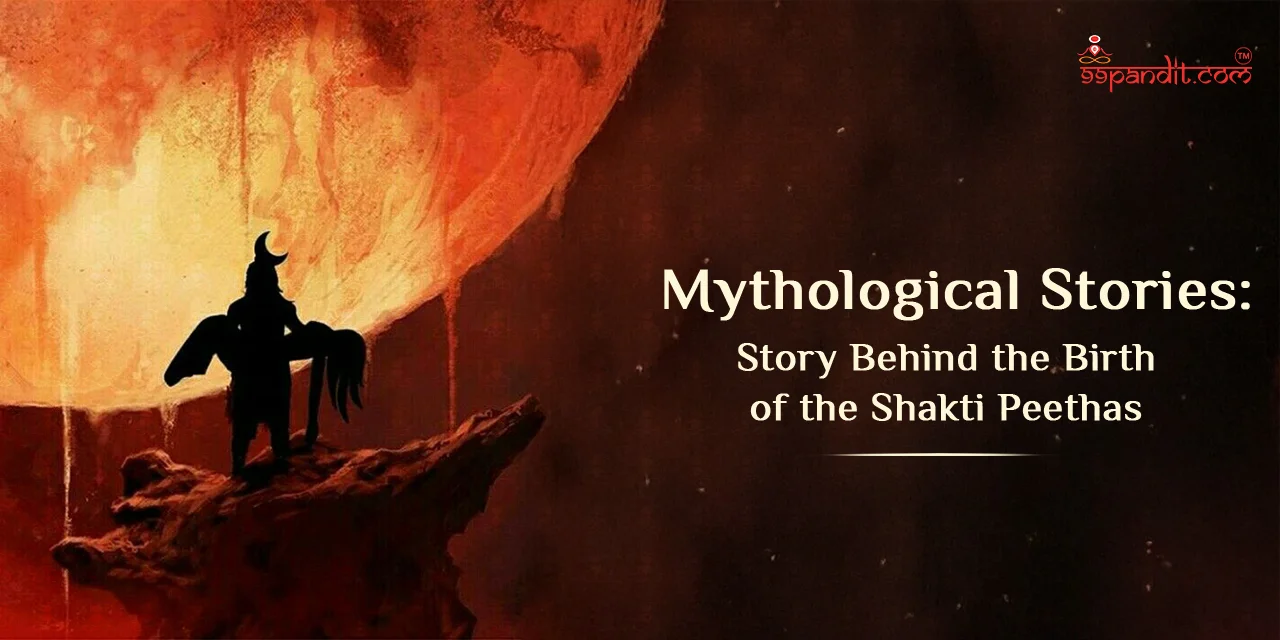
Once upon a time, during the gods and ages of the golden era, there was a girl named Sati. She was the daughter of King Daksha and the largest devotee of Shiva. Since childhood, all she could dream of was being with Shiva.

While other people regarded him as a mad ascetic, who would sit amidst shamashaans and be covered with ash, Sati beheld beyond that — she saw his reality, his strength, his serenity.

Despite knowing Sati’s love and devotion for Shiva, Daksha held a swayamvar ceremony for Sati but intentionally excluded Shiva.

51 Shakti Peeth List

However, Shiva was presented there in another form so that no one could recognise him. But Sati knew that Shiva was there.

She ignored the other suitors and threw the wedding garland into the air, which miraculously landed on Shiva, whom Sati manifested. Defying her father’s wishes, they both got married.

Now Daksha, being very egoistic and ambitious, never swallowed the fact that his daughter married someone like Shiva, who didn’t hold with rules or royal pride.

So one day, Daksha organized a massive yagya (a sacred fire ritual). He invited all the gods, kings, sages — but Shiva was not invited.

Nevertheless, out of love for her father, Sati chose to attend. Perhaps his anger had blown over.

Unfortunately, what awaited her was anything but love. Daksha insulted Shiva in public even though he was not present.

Daksha made fun of their marriage and humiliated him in the presence of all the devas because Sati was there. He wanted Sati to leave him after hearing this nonsense.

But she was completely shattered, realizing that her body was no longer fit for Shiva’s soul. She jumped into the yagya flames and gave up her life.

Why did Lord Vishnu cut Sati’s Body into Pieces?

When the news of Sati’s sacrifice reached Shiva, his heart was broken beyond imagination.

He rushed there, cursed Daksha, took Sati’s burnt body in his lap, and started roaming all over the universe, wailing, mourning, weeping.

The whole universe trembled. The gods were terrified – if Shiva did not stop, everything, even the universe, would be destroyed.

That’s when Lord Vishnu used his Sudarshan Chakra to cut Sati’s body into pieces. Wherever a piece fell, that place became a Shakti Peetha — sacred and alive with her divine energy.

These became 51 in total, each representing not just her body part, but her memory, her love, and the power of a woman who stood for her beliefs.

Shiva didn’t get upset with Vishnu, because deep inside, he knew — this was the only method to sustain Sati’s energy throughout time, so people could still feel her spirit.

So even in suffering, there was divine purpose. Up until today, when we travel to a Shakti Peetha, we’re not only going to a temple.

We’re entering a space that holds emotion, love, sacrifice, and power. The Peethas aren’t simply stories — they’re real, and they’re inviting us home.

Role of Bhairav (Shiva) at Every Shakti Peeth

Although the Shakti Peethas are famous for having the divine goddess Shakti within them, no Shakti Peetha exists without Bhairava, a fierce and protective incarnation of Lord Shiva.

In every Shakti Peetha, besides the goddess’s shrine, there exists a temple or a symbolic representation of Bhairava, regarded as the guardian, protector, and consort of the goddess in her divine energy aspect.

In accordance with scriptures, when the body of Sati dropped to the ground and the peethas were born.

Lord Shiva appeared as Bhairava in each place to protect the energy of Shakti. In comparison, Devi symbolizes compassion, power, and creation.

Bhairava signifies discipline, fearlessness, and destruction of evil. They keep each other in balance as energy and consciousness.

In the majority of Peethas, Bhairava’s existence might not be imposing and grand like that of the goddess shrine, but he is never left out.

He is sometimes a small idol at the entrance, sometimes a shivalinga, and sometimes a fierce god with a trident and dog (his vahana).

On going to the Shakti temple, several devotees go to the Bhairava temple first and pour mustard oil, alcohol (in tantric practice), black cloth, or sindoor, depending upon local tradition.

The Bhairava worship is especially prominent in tantric rituals, particularly where both the ferocious and loving sides of divinity are revered, such as Kamakhya, Jwalaji, or Tarapith.

Bhairava defines that real devotion should be fearless, and only when we let go of ego and ignorance can we gain the real blessings of Shakti.

So, if Shakti is the divine mother, Bhairava is the protective father who ensures that her (Shakti/Sati) energies are safe and strong for everyone who comes near her.

Why visiting even one Shakti Peeth can change your life?

Most people believe—“There are 51 Shakti Peethas in total… how do I visit all of them?” But the truth is—you don’t have to do that. If you visit even one Peeth with a sincere heart, Maa Shakti blesses you.

These are not just ancient temples—they contain centuries of worship, tears, prayers, courage, and healing.

When you step into a Shakti Peeth, you step into a hall where thousands of people have cried, fallen, and risen. Suppose you go to Kalighat in Kolkata or Ambaji in Gujarat.

51 Shakti Peeth List

You go with your grief—maybe something in life is bothering you. You sit quietly in a corner, fold your hands, and that energy? Feel it.

There is no magic. The place is just full of Shakti—a power that does not roar, but heals you from within.

You may cry for no reason. Or suddenly feel weightless. Or just feel safe, like Maa is hugging you from behind. And even when you don’t “feel” anything special, believe me—She hears. She sees.

And when you walk out of that temple, something has changed inside you…slowly, but surely. You don’t need to do a big puja or repeat a thousand mantras.

Just go once. Offer a flower. Light a diya. Chant “Jai Mata Di”…and leave the rest in Her hands.

It’s not how many Peethas you mark on your list—it’s how deep you reach into your soul. And sometimes, that one darshan gives more patience than years of chasing things that never bring peace.

Because when Maa Shakti sees your heart, she doesn’t need your words. She just walks with you…silently…like a mother. And suddenly life seems a little easier.

Can’t visit a Shaktipeeth? Let 99Pandit bring Maa’s Blessing to You

Going to Shakti Peethas sounds wonderful. But who has the time, money, or leaves to go to 51 temples?

Some are in hills, some abroad, some deep within forests. But does that mean we give up accessing Maa Shakti? No way.

That’s where 99Pandit comes into play.

  • Search for the type of puja you wish (such as Durga Path, Navratri Puja, etc.)
  • Search your intention/problem is (health, career, protection, anything)
  • Your location & desired date
  • Do correct Sankalp (with your name + gotra)
  • Perform puja either online or in a nearby temple
  • Post photos/videos of the puja

Whether you’re in Jaipur, Delhi, Mumbai, or Canada, the US, Dubai, 99Pandit brings maa ki shakti to your doorstep, wherever you are.

Even if you cannot visit Kamakhya or Kalighat in person, you can still feel the energy connection. That’s the power of devotion — it travels.

You don’t have to always take giant strides. A small diya, a simple prayer, and maa hears.

So if you’ve been thinking about organizing a puja for some time, but something always keeps putting it off. Book one today on 99Pandit. Simple and reliable.

Conclusion

In the end, it’s not about how many Shakti Peethas you’ve visited. It’s about how deeply you’ve felt maa’s presence — in a temple, in a prayer, in your own heart.

Every Peetha is connected to Maa Sati’s story: her love, her pain, her power. And somewhere, our stories also match hers — heartbreaks, standing strong, fighting for ourselves, and finally rising.

Some go on long yantras, and some merely sit in their mandir at home with their hands folded — both are acceptable.

Since Maa doesn’t look at tickets or rituals — she catches faith, she listens to your silence.

And now, even if you are unable to go to these Peethas, websites like 99Pandit make it so much more convenient.

Puja ho, mantra ho, blessings ho — all are just one prayer away. So the next time life gets too much, or you feel isolated…

Just say: “Maa.” No words are needed. She already understands. And that’s the sort of love only Shakti can provide — quiet, gentle, powerful, eternal.

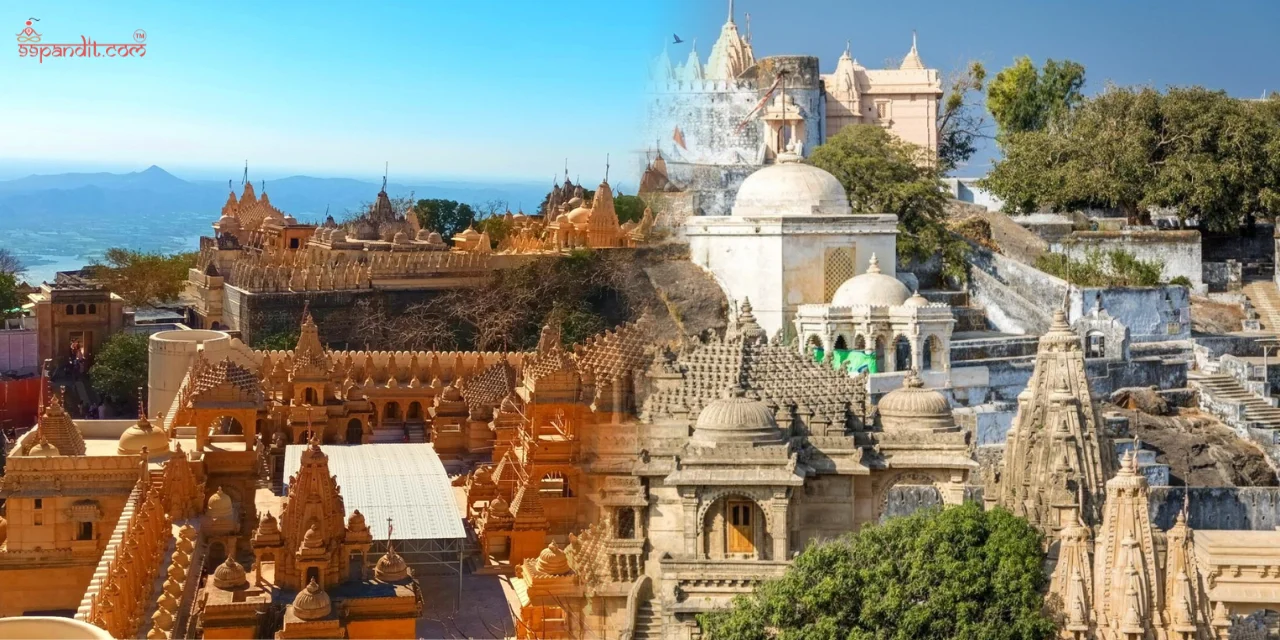
Palitana Temple: Festivals, History, Darshan & Pooja Timings

Shatrunjaya hill is an auspicious hill located at Palitana town in the Bhavnagar district of Gujarat, which is at a distance of 9km from the Palitana railway station.

One of the sacred places for the Jains and among the must-visit attractions as part of the Palitana pilgrimage.

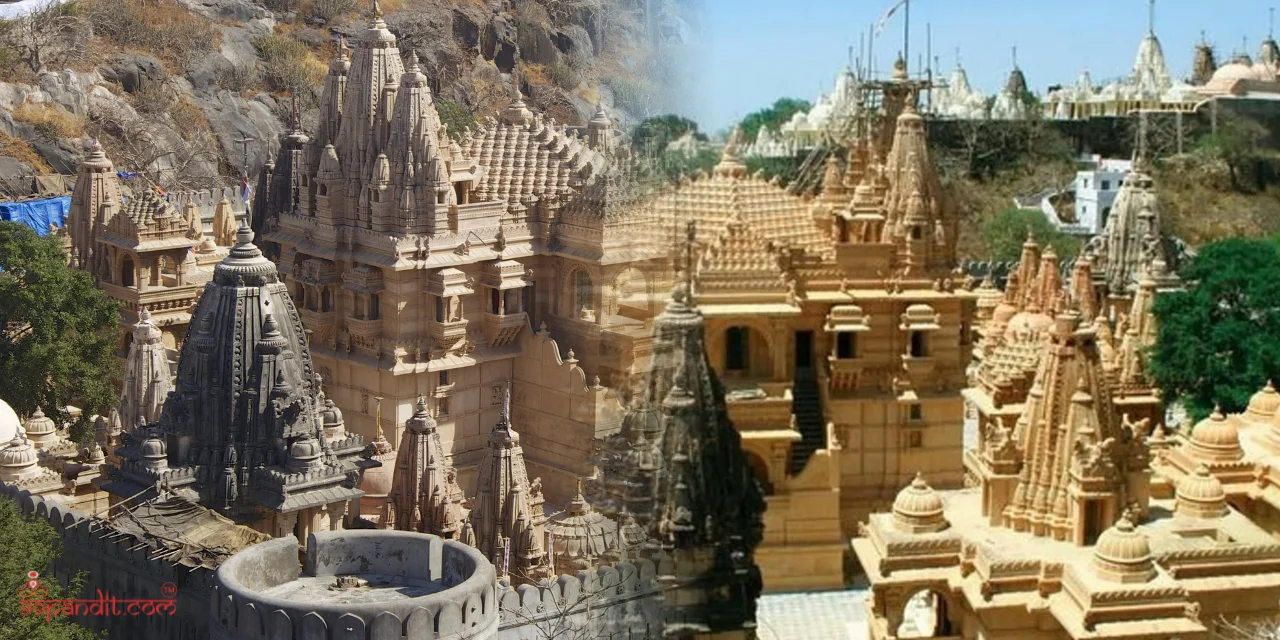
The unique hill is home to more than 900 beautifully carved Jain temples, serving as a focal point for religious tourism in Palitana.

Palitana Temple

Seeing the tradition, the multiple temples were built by devotees across a span of 900 years.

The main temple premise is devoted to Rishaba, the first tirthankara; the holiest shrine for the Svetambara Murtipujaka sect. This is the only Digambara Jain temple here.

Similar to Chandragiri, Mount Abu, and Girnar, Shatrunjaya Hill is known as one of the holy places for the Jains.

So, about the festival, history, darshan, and puja timing details, we will be discussing in this post.

History of Palitana Temple

The Shatrunjaya hill, as Palitana temple, comprises more than 900 temples that were developed over a period of 900 years. This is the oldest temple, dating back to the 11th century CE.

The dense array of around 900 small shrines and a huge temple has earned Palitana the title of ‘city of temples’. These were made in two phases.

The first phase was made from the 11th to the 12th century AD as a part of the revival of temple construction all over the country.

They were conquered by Turkish Muslim invaders in 1311 AD. Some of the temples that are now seen belonged to the 16th century CE.

No one can be identified with the development of these magnificent temples; rather, it was the hard work of the wealthy businessmen who were worshipers of Jainism.

The temples came under the control of the Anandji Kalyanji trust in 1730. In recent years, the Gujarat government, along with multiple Jain communities, has undertaken steps to improve facilities and ease accessibility for visitors.

Palitana Temple Timings: Shatrunjaya Hill

The Shatrunjaya Palitana Temple is open all year round except in the months of monsoon (June to September). The temple remains closed during this time.

The temple reopened after the monsoon, and followers in large numbers visit the temple as the Paryushana festival begins after the season. You can go through the timing of the temple.

Temple opening time  4:00 AM
Temple closing time  6:00 PM

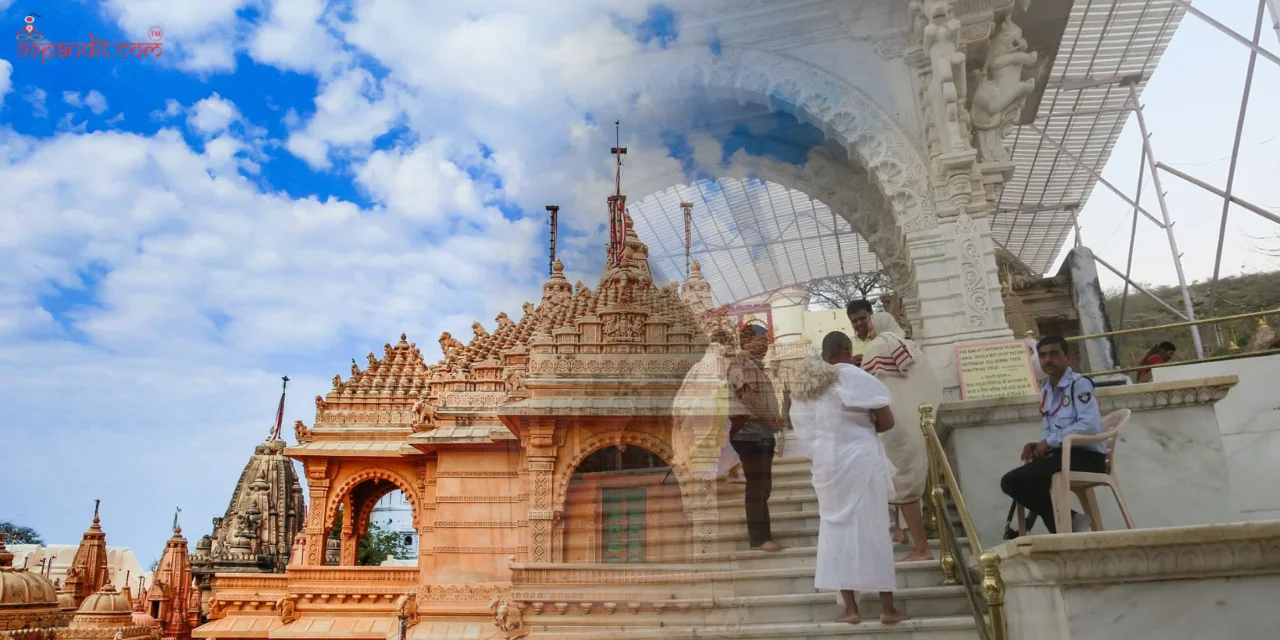
The temple is closed early before darkness, and the hill is closed after 6 PM when the worshippers of the temple leave the premises and close the temple. Hence, you have to climb down the temple in the evening.

Shatrunjaya Aarti Timing

The timing for aarti is to perform two times a day, once in the morning and once in the evening. The timings are:

Morning Aarti Time Nearby 8:00 AM
Evening Aarti Time Between 5:00 PM and 6:00 PM

The nadi aarti and other special offerings are performed during special times that vary, but mostly take place in the evening. Hence, aarti could be planned by connecting the office directly to the temple.

Shatrunjaya Giriraj Pooja

Regular worship and offerings are given to the Tirthankaras in the primary temple. Also, a special puja is performed in the Adinath temple for the Adinath dada.

The special offerings may be done during festivals, sacred days, or on personal occasions.

The booking for the puja has an easy process; one should pre-book the ritual to prepare the best, as the time of peak follower sessions cannot be booked according to your availability.

Hence, the ritual should be done in advance. With the temple management, puja booking can be made by directly inquiring about the local pandit of the temple. Therefore, book the pooja at the temple and execute the rituals.

Festivals in Palitana Temples

Shatrunjaya hills in Palitana are the place of multiple festivals, connected to Jain customs. Among the most famous are Mahavir Jayanti and the Chha Gau teerth Yatra.

Mahavir Jayanti commemorates the birth of Mahavir, the 24th Jain tirthankara, and consists of elaborate parades and spiritual observances.

Palitana Temple

The Chha gau teerth yatra, a sacred event that falls in February or March, consists of devotees traversing Shatrunjaya hill, covering a complete distance of 216 Km.

Also, special festivals like Fagun Sud and Kartik Purnima, which come on the full moon day of the Kartik month (October-November), are celebrated at the Palitana temple too.

A wide number of worshippers across the world visit the temple during these occasions to honor and seek blessings from this holy soul. Indeed, other festivals celebrated in the temple are:

Mythology of Shatrunjaya Palitana Temple

The meaning of the word Shatrunjaya is ‘place of triumphs against inner enemies’ or ‘which destroys inner rivals’. The place on Shatrunjaya hill is thought to be auspicious by Swetambara Jains.

As per the maahatmaya of Shatrunjaya, the first tirthankara Rishabhanatha blessed the hill where he gave his first sermon.

His grandson, Pundarika, who achieved Nirvana at Shatrunahay, thus the hill was originally recognized as ‘Pundarikgiri’.

Bharata Chakravartin, the father of Pundarik, was also honored with building a temple here to appreciate his father, Rishabhanatha.

According to the legends, it’s connected with multiple other Tirthanakaras. Jains considered that visiting the temples is necessary once in a lifetime to achieve salvation or nirvana.

Things to do in Shatrunjaya Hill

On the hills of Palitana, there are more than 900 temples constructed, which are spread mainly in nine clusters, some being huge complexes, while some are small in size.

It has been said to be the largest temple premise in the world and sightseeing among one of the best in Palitana.

The principal temple complex and largest as well is the Adinath temple dedicated to Rishabhanatha. Ornamental friezes of dragons are used to decorate the prayer halls of the temple.

The Padmasana posture 7-foot-high marble statue of lord Adinath, accommodates the complex of Adinath temple.

Three pradakshina routes, which are followed in the clockwise direction, are linked with the temple.

The former one is circular and comprises the temple of Feet Ganadhar and the Sahasrakuta temple, and the temple of Simandhar swami.

The second passage extends through a new Bhagawan Adishwar temple, Mt. Meru, the premise of Samavasaran and Sammet Shikhar temple, whereas the third passage extends by the Ashtapada temple, the Chamukh temple.

The Chaumukha Temple, built in 1616 CE, offers a sobering view as it has a huge entrance and vast grounds.

The marble of the temple has beautiful sculptures. A four-faced statue of Adinatha is worshipped over a white pedestal.

The most remarkable buildings on the hill are the temples of Kumarpal, Vimalshal, Sampriti Raja, Saraswati Devi, and Narsinh Kesharji.

The first temple was most likely constructed by the renowned Jain patron Kumarpal Solanki.

With special permission, visitors can view the temple’s amazing collection of diamonds.

On top of the hill lies a Muslim shrine dedicated to Angar Pir, which is frequented by couples who are having trouble conceiving.

At the shrine, the devotees ask for blessings in the hopes that their children can achieve their dreams.

Palitana Shetrunjaya Hill Details

Entry Fees: No entry fee is required to climb the mountain.

Number of Steps: There are around 3863 steps to mount the mountain.

Time taken to reach the top: People can easily climb the mountain in 2-3 hours.

Best time to climb: The person starts climbing the mountain in the early morning, which makes it easy for them to reach during the aarti times.

Other options to reach the top: There are doli, palkhi, and other chair benefits to reach the top of the hill. This is accessible at an affordable price for worshippers who want to reach the temple.

Shatrunjaya Hill Timings

  • Monday: 6 AM – 6 PM, Closed from June – September
  • Tuesday: 6 AM – 6 PM, Closed from June – September
  • Wednesday: 6 AM – 6 PM, Closed from June – September
  • Thursday: 6 AM – 6 PM, Closed from June – September
  • Friday: 6 AM – 6 PM, Closed from June – September
  • Saturday: 6 AM – 6 PM, Closed from June – September
  • Sunday: 6 AM – 6 PM, Closed from June – September

Shatrunjaya Hill Entry Fee

There is no entry fee to climb the hill. But if you can not trek the hill, use the Doli facility, which is available for Rs. 2500 for 2 People & Rs. 5000 for 4 People.

Best Time to Visit Palitana Temple

The right time to visit Shatrunjaya Hill, located in Palitana, is during the winter months from November to February.

The timeline gives relatively cool and pleasant weather, making it perfect for climbing the hill and sightseeing the amazing temple without the obstruction of extreme heat.

Palitana Temple

Similarly, the winter season caters for many local celebrations and festivals, offering visitors a unique cultural experience.

It’s essential to note that the temples remain closed to devotees during the monsoon months from June to September.

The summer months, from March to May, are characterized by high temperatures, which may cause heat exhaustion during the challenging incline.

Regardless of the season, it’s preferred to visit during the cooler months, either in the early morning or late afternoon.

How to Reach Palitana Temple?

If your family is planning to visit the temple, there are three ways to reach the temple: by bus, by air, or by road. There are ways to reach the temple following the transportation modes.

By Rail

The location, being a major visiting site, has its railway station, Palitana railway station.

Hence, book the direct train from the various cities to reach the temple. Also, you can take local public transportation to reach the temple.

By Road

You can reach the temple by road as well. The people visit the temple by taking public transport from the closest major cities, such as Bhavnagar, Talaja, and many others. You can get a direct taxi to reach the pilgrimage location as well.

By Air

Bhavnagar Airport is the closest airport, at a distance of 60-65 km from the location. An individual can take a taxi or a public vehicle to reach the pilgrimage from the airport. There are a few flights available to the temple from big cities.

Palitana Temple Dress Code & Restrictions

The temple of Palitana at Shatrunjaya Hill has its proper dress code, and one visiting the temple has the option to wear decent clothes that wrap the upper extremities as well as legs to show respect.

Men are instructed to wear a dhoti or pajama and an outfit on top, or a pair of formal trousers and shirts.

Women should be covered in a saree, half saree, or chudidars. It is better not to wear modern kinds of clothes in the temple, such as mini-skirts, torn jeans, shorts, and bare tops.

For a comfortable uprise, wearing comfortable hiking shoes, hats, and applying sunscreen is suggested.

Non-Hindus are often permitted to enter the temple, a prominent pilgrimage site for Jains.

The hill and its temple greet people from all devotion, although particular attire is necessary to follow.

Nearby Pilgrimage Sites and Temples

  • Taleti: The bottom of the hill with temples and the beginning of the point of the climb.
  • Shri Vishal Jain Museum: A group of rare Jain scriptures, antiques, and sculptures.
  • Kundalpur Jain Temple: Not much is known, but an ancient Jain place near Paliitana.
  • Ganga Deri: A beautifully carved stone design halfway up the hill.
  • Adinath Temple (First): Main temple at the summit.
  • Chaumukhji Temple: Four-faced idol embodying an infinite image.
  • Shri Nandishwar Dweep: A miniature of the heavenly Jain island.

Conclusion

Therefore, the Palitana temple complex is not just a pilgrimage place, but a living spiritual monument, a testament to dedication, non-violence, peace, and the goal of liberation. Apart from its magnificence and scale, it is still under-celebrated worldwide.

It’s time we know this marvel, not merely as a religious site for Jains, but as a gem of Indian spiritual heritage, a sign of divine architecture, and an eternal source of inspiration and peace.

So, let this religious hill of Palitana temple encourage more hearts, more seekers, and more souls around the globe.

It could be a good location to travel with your friends and family, hence plan the trip according to the temple timing and the best month. Happy journey!
Ujjain Mahakal Bhasm Aarti: Online Booking, Timing & Darshan

We Provide Pandit in Ujjain To Perform Puja

Kaal Sarp Dosh Puja

Graha Dosh Puja

Mangal Bhat Puja

Angarak Dosh Puja

Pitru Dosh Puja

Rin Mukti Puja

In this article, I know how to make Ujjain Mahakal Bhasm Aarti online booking, the timing, and how to darshan the bhasm aarti.

Know the latest details about all these things about online booking for Ujjain Mahakal Bhasm Aarti.

Among the 12 jyotirlingas of Lord Shiva in the world, Ujjain Mahakal is one of the most famous temples for the devotees of Lord Shiva.

In this temple, Lord Shiva is worshipped as Mahakal. But the most famous pooja in Ujjain Mahakal is Bhasm aarti.

Many of the devotees wish to see this Bhasm aarti and attend this. The bhasm aarti is very powerful for the devotees who participate in this and take the prasad of the pooja.

However, thousands of devotees wish to attend the Bhasm Aarti. But for that, the pilgrims have to prebook the Bhasm aarti through the official website of the temple.

Ujjain Mahakal Bhasm Aarti Booking Procedure At Counter And Timing

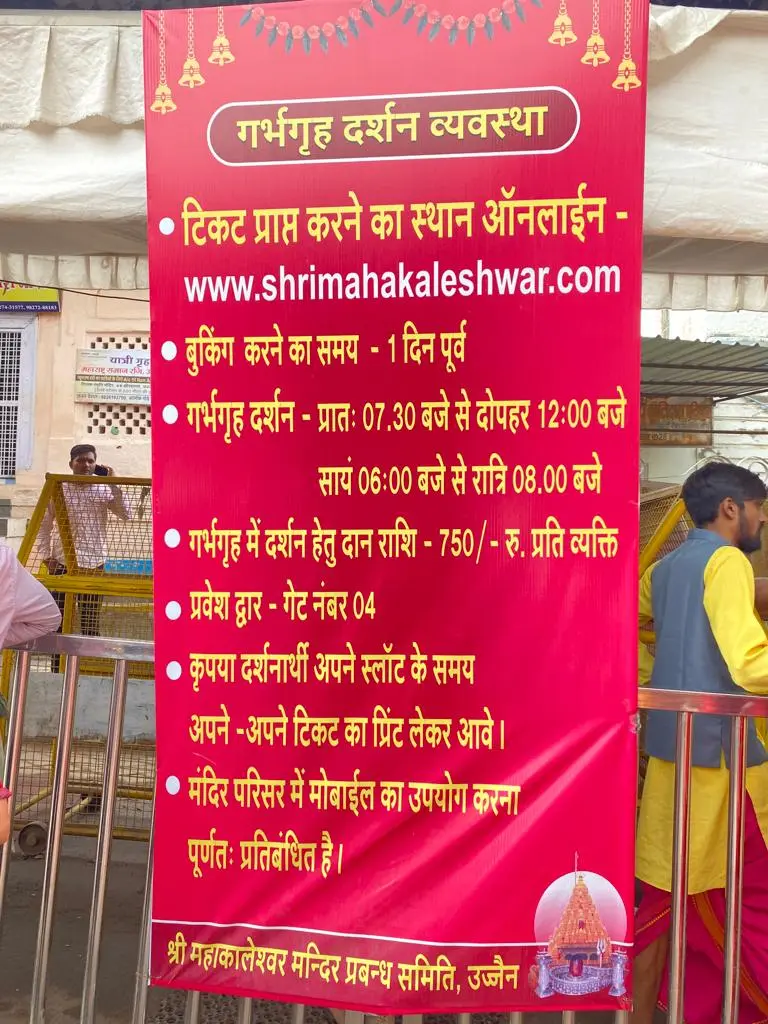
Every morning, devotees perform the Ujjain Mahakal Bhasm Aarti in the temple. The timing for the Ujjain Mahakal Bhasm Aarti in the morning is 4:00 Am to 6:00 AM every morning. The devotee who wants to attend the bhasm aarti has to book the pooja before a day.

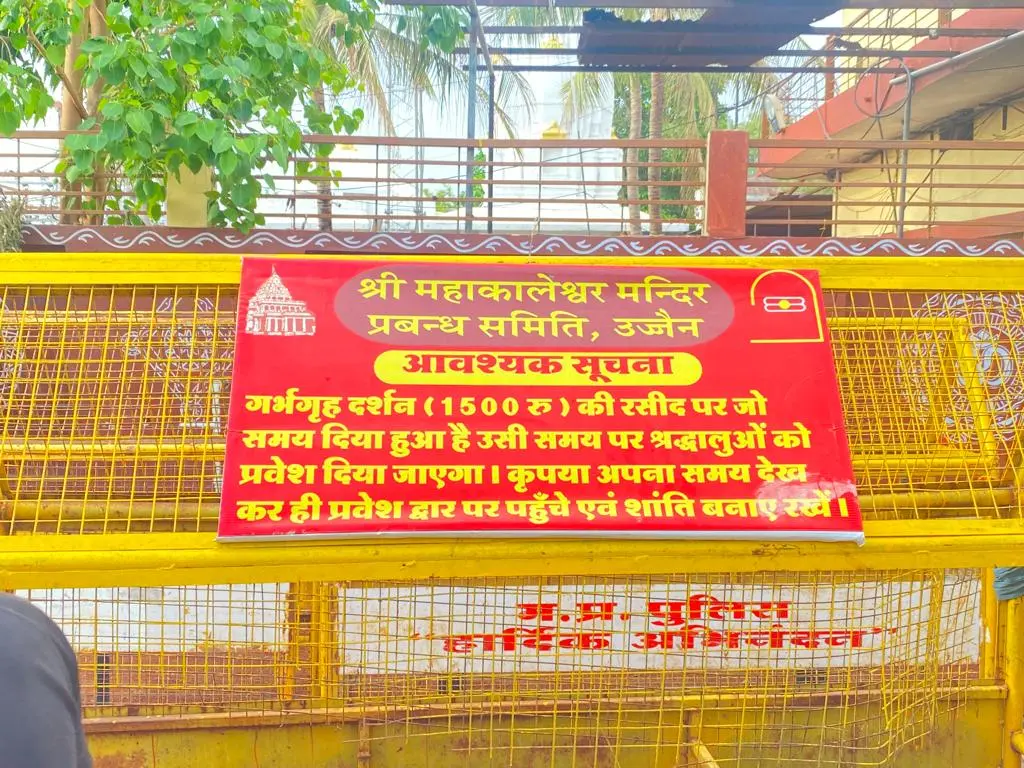
The price for the Ujjain Mahakal Bhasm Aarti is Rs. 1500 per devotee according to the temple administration’s website. The devotees have to pay this amount at the ticket counter for pooja booking.

  • Devotees book tickets for the Bhasm Aarti in the temple using the biometric system.
  • To book the tickets for the Ujjain Mahakal Bhasm Aarti, pilgrims have to reach the counter at 7 AM and enroll in the biometric system one day before.
  • You need a valid ID card to book tickets for the Bhasm Aarti, as the ticket counter only opens at 12:30 PM.
  • After booking the tickets at 7 PM the devotee will get the confirmation for the Ujjain Mahakal Bhasm Aarti.
  • The temple will send an SMS to the pilgrim’s given mobile number. To collect the ticket the pilgrim can show the SMS on the counter between 7:30 PM to 10:30 PM. 
  • Based on the confirmation SMS, the ticket will be provided to the devotee.
  • All done, the pilgrims can go to attend the bhasm aarti in the morning the next day.

Ujjain Mahakal Bhasm Aarti Procedure

At the time of reporting, the Devotee must have a printout of their booking confirmation and photo identification.

The devotee must carry an empty glass, made of steel or copper. no limitations. Near the window, Water can be found close to Garbha Griha.

Those who want to undertake the Jalabhishek ritual should get in line by 1:00 am. Between 3:15 and 4:00 in the morning, devotees are permitted to do Jalabhishek.

Men should take off their vests before going into the Garbha Griha. Children must also follow the dress code, which requires women to wear saris.

The devotee must leave Garbha Griha after performing Jalabhishek and take a seat in Nandi Hall to view Bhasma Aarti. Ash generated from cow dung will be used for the Bhasma Aarti.

Devotees are permitted to sit in the Nandi Mandapam, which has room for 100 worshippers.

If there are any remaining seats, worshippers may sit in the Nandi Hall, which can accommodate more than 500 people.

During the Aarti time, the temple prohibits devotees from visiting the Garbha Griha. The Naga Sadhu shall carry this Bhasma. Mantras will be chanted when Aarti is conducted.

Note: The busiest and busiest time for the temple is during Sawan Month and Maha Shivaratri.

Importance Of Ujjain Mahakal Bhasm Aarti

Every day, devotees perform a ritual bath for Baba Mahakal using the ashes of individuals whose last rites have been performed, as he is revered as the deity of the crematorium.

Believers hold that presenting the ashes from the crematorium to Baba Mahakal will bring salvation.

Ujjain Mahakal Bhasm Aarti Online booking

The Mahakaleshwar devotees get a unique thrill during Bhasm Aarti, and they desire to attend Baba Mahakal’s Bhasm Aarti at least once in their lifetime.

Due to this, the temple committee has made Mahakal Bhasma Aarti Darshan online ticket purchasing available for the tourists’ convenience.

This enables them to conveniently book Mahakal Bhasma Aarti tickets by going to the Mahakaleshwar temple homepage and enjoying the Aarti.

Online Booking Procedure For Ujjain Mahakal Bhasm Aarti

To book the tickets for Ujjain Mahakal Bhasm Aarti, the Mahakal Temple Complex Committee has begun offering online booking for darshan for the convenience of the faithful. You must make an online reservation, though, before going to the shrine.

Once your reservation is confirmed, the system will send you a notification on your mobile device.

In addition, there is the chance to participate in the live aarti for those devotees who are unable to visit the temple. To do this, make a reservation beforehand.

You can then participate in the live aarti. Inform them that internet booking has been available since the Corona era.

  • You must first go to the temple administration’s website at https://shrimahakaleshwar.com/bhasmarti to make an online reservation for Mahakaleshwar Bhasma Aarti.
  • The Bhasma Aarti menu will thereafter be visible next to the home menu. However, as soon as you move the mouse, two choices will appear.

The cost for the online Bhasm aarti through the official government website of the Temple is Rs. 1500/-, and the time for Bhasm aarti will be mentioned in the receipt, so it is advisable to enter the GarbhGriha at the mentioned time for darshan.

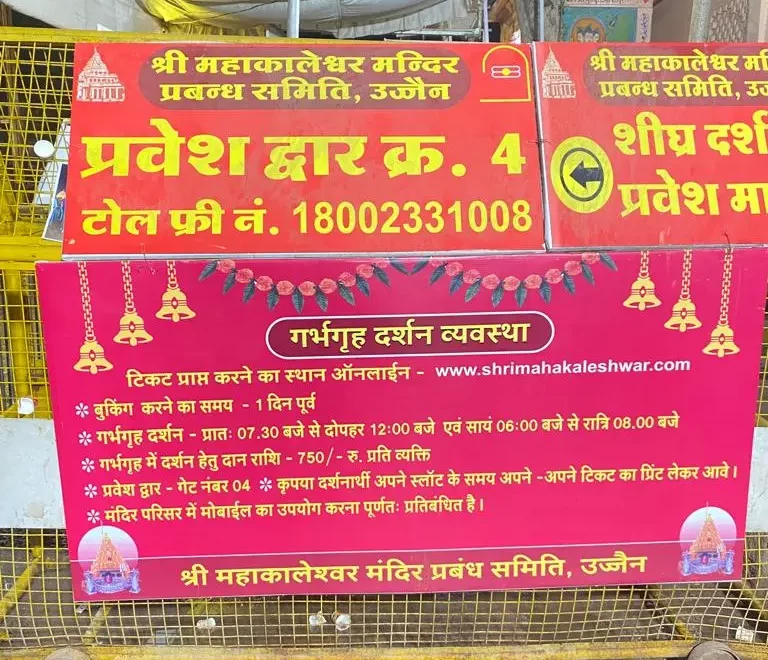
After checking the printed copy of the tickets, you will be able to enter the temple for Bhasm Aarti. You can enter from gate 4 to have a fast darshan.

My recommendation is that you go to the Bhasm Aarti Help option first and familiarize yourself with all the restrictions before clicking the Bhasm Aarti Booking link.

  • A calendar will now appear in front of you with dates on it. Some of the dates will read NA, which implies they are not empty, while others will read “This Date is Block Due to….” This indicates that you will have access to all other dates except for those that are not available for whatever reason.
  • The third step is the most crucial for scheduling the Mahakaleshwar Bhasm Aarti online; it requires the applicant’s name, phone number, email address, address, and the date of the Bhasm Aarti, whether or not he will participate in the Bhasm Aarti (The date which you selected will appear in writing).

After completing this information, the applicant must upload a photo and proof of identification.

You have the option to upload it from your computer, laptop, or mobile device, but failure to do so will result in rejection.

There is also a webcam option here, and you can upload an ID proof and a photo simultaneously. You must now fill out the information for the devotees.

All devotees who wish to attend the Bhasma Aarti of Mahakal must provide the required information of their Name, Age, Relationship to the Applicant, ID proof, and ID proof number. Additionally, they must also post their photo and undergo ID verification.

  • The system will deliver an SMS with your registration number and password to your mobile device after booking.
  • Note that you don’t need to deposit to schedule a darshan for a woman or child at this location. A husband and wife may also bring up to four kids with them.

Required documents for online booking of Ujjain Mahakal Bhasm Aarti:

  • Aadhar card
  • PAN card
  • License
  • passport size photograph
  • mobile number

Bhasm Aarti Booking Availability

The availability of Ujjain Bhasma Aarti booking tickets varies depending on the season and time of the year.

During the peak tourist season, which is usually from October to March, the demand for Bhasma Aarti tickets is high, and it is advisable to book your tickets in advance.

On the other hand, during the off-season, which is from April to September, the availability of Bhasma Aarti tickets is relatively higher, and you can book your tickets at short notice.

Tips for Booking Bhasma Aarti Tickets

Here are some tips that can help you book your Bhasma Aarti tickets:

1. Book in Advance

It is advisable to book your Bhasma Aarti tickets in advance, especially if you are planning to visit during the peak tourist season. This will ensure that you do not miss out on the opportunity to witness the ritual.

2. Check Availability

Before booking your Bhasma Aarti tickets, check the availability for the date and time that you are interested in. This will help you avoid any last-minute disappointments.

3. Follow the Rules

The Ujjain Mahakal Temple has certain rules and regulations that need to be followed during the Bhasma Aarti. Make sure to read and follow them to avoid any inconvenience.

4. Be on Time

It is important to be on time for the Bhasma Aarti as the gates of the temple are closed once the aarti begins.

Make sure to arrive at the temple at least 30 minutes before the scheduled time to avoid any delays.

Important Things To Remember During Online Booking For Bhasm Aarti

During the online booking for Ujjain Mahakal bhasm aarti the things you need to remember in mind are:

  • During the booking, you need to upload all the documents in jpg/jpeg format.
  • For all the devotees photographs and ID proof are mandatory.
  • If the booking is for a child, the temple authorities will accept the parent’s ID proof.
  • If in case you don’t have the photo and ID details of a devotee, explain their relationship with the applicant.
  • There is no booking charge, and after booking you will have to download the confirmed receipt and you have to come to the Shree Mahakaleshwar office one day before 5 PM. And later collect the receipt of payment.
  • During the aarti, you have to show the payment receipt.
  • In the Nandi mandap and Garbhgraha bringing a mobile, purse, flowers, and capturing pictures is prohibited.
  • To attend the Bhasm Aarti, it is necessary to book the tickets at least one day prior to the Darshan.
  • The time for Garbhagriha Bhasm aarti darshan is 7:30 AM – 12:00 PM and 6:00 PM-8:00 PM.
  • You can donate to the temple for the minimum amount of Rs. 750/-.
  • Bring your printed ticket copy to enter the Bhasm aarti darshan in Garbhgriha.
  • The toll-free number to contact Temple is – 18002331008

Ujjain Mahakal Bhasm Aarti Online booking

Pujas You Can Perform At Ujjain Mahakal Temple

You can take our help if you want to perform any of this puja along with Bhasm aarti darshan.

Kaal Sarp Dosh Puja

You can perform Kaal Sarp Dosh Puja in Ujjain Mahakal temple. Kaal Sarp Dosh as Kaal means death time and Sarp means a snake where the native could face many problems related to their health, career, money, family, and marriage.

Ujjain Mahakal Bhasm Aarti Online booking

The timeline of Kaal Sarp Dosh Puja depends on the other planets’ positions for how much time they will be disabled.

Maha Mritunjaya Jaap

The Rig Veda serves as the foundation for the famous mantra Maha Mrutunjay jaap, which is dedicated to Lord Shiva.

The mantra intends to honor Shiva, the three-eyed deity who rules over all living things.

Hence, Maha Mrutunjay jaap is performed by those who are scared of bad things happening to them or losing their fear.

Rudrabhishek Puja

Rudrabhishek Puja is performed in order to receive the blessings of Lord Rudra, the most ferocious avatar of Lord Shiva. The goal of performing this puja is to erase and conquer any problems that one may face in life.

Laghu Rudrabhishek Puja

Laghu Rudrabhishek Puja in Mahakaleshwar is linked to Lord Shiva, his heavenly abilities bestow prosperity and happiness upon his believers.

Devotees ask Lord Shiva’s blessings for the eradication of issues and challenges from their lives during this Puja, which is seen to be the best for pleasing him.

Maha Rudrabhishek Puja

Maha Rudrabhishek puja in Ujjain Mahakal is a powerful remedy for humans to clean their previous birth sins and bad karmas, all deep-rooted disorders.

The effects of this puja are helping the environment to regenerate and providing a joyful present life.

Mangalnath Bhat Puja

The Mangalnath Bhat Puja, a kind of worship, is carried out in the Mangal Nath Temple in Ujjain primarily for those whose anger has caused them to lose control.

Important Links

  1. Kaal Sarp Dosh Puja In Ujjain
  2. Griha Pravesh Puja
  3. Housewarming Invitation
  4. Shri Satyanarayan Vrat Katha in Hindi
  5. Ring Ceremony

Conclusion

One of India’s seven Saptapuris, the Mahakaleshwar Temple in Ujjain, is truly magnificent, as is the Mahakal Bhasma Aarti that takes place there.

Only at this temple does this aarti take place. You may schedule a Ujjain Bhasma Aarti both offline and online.

I’ve outlined the entire process for you, but you still need to put in some effort since the online booking process may take two or three tries to complete.

You can go through 99Pandit to book a pandit online for any kind of Vedic ritual. 

We Provide Pandit in Ujjain To Perform Puja

Kaal Sarp Dosh Puja

Graha Dosh Puja

Mangal Bhat Puja

Angarak Dosh Puja

Pitru Dosh Puja

Rin Mukti Puja


Eklingji Temple Udaipur: Timings, History, Entry Fee & Importance

The Eklingji temple in Udaipur is the best spot to discover architectural, spiritual, and historical experiences.

The temple has its unique significance and a beautifully developed structure for the lord shiva temple.

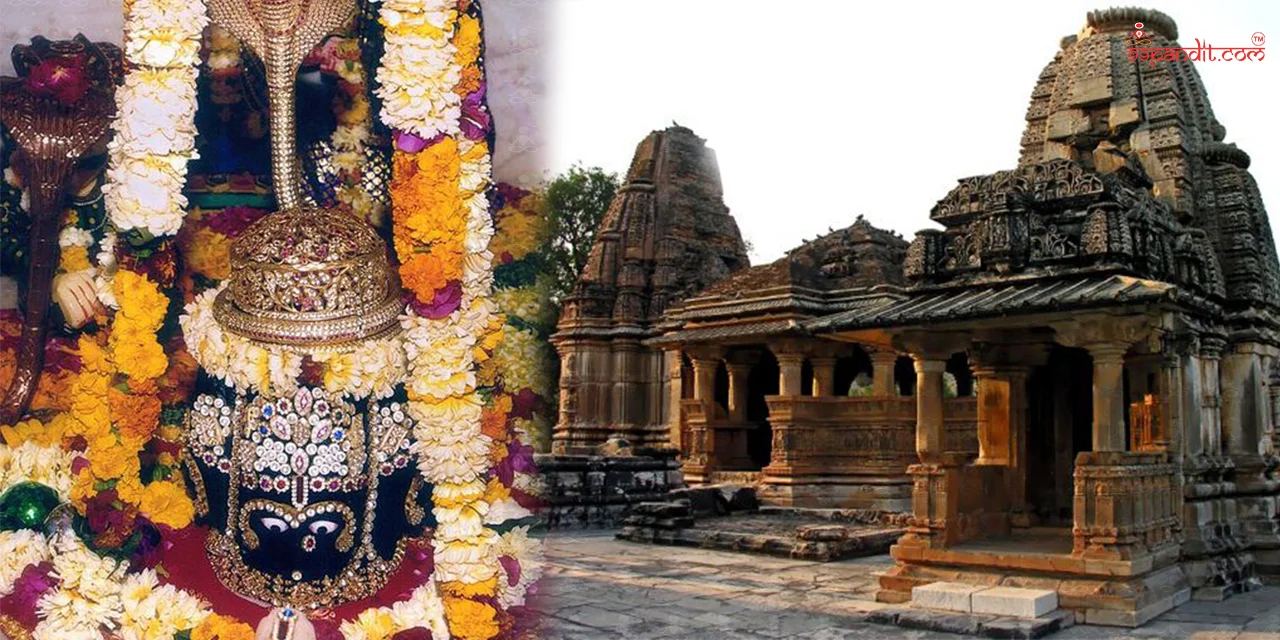
Eklingji Temple

This is a famous temple situated 22 km from Udaipur in the Indian state of Rajasthan.

Lord Shiva is the primary deity of the temple. People know it as the spiritual capital of Mewar.

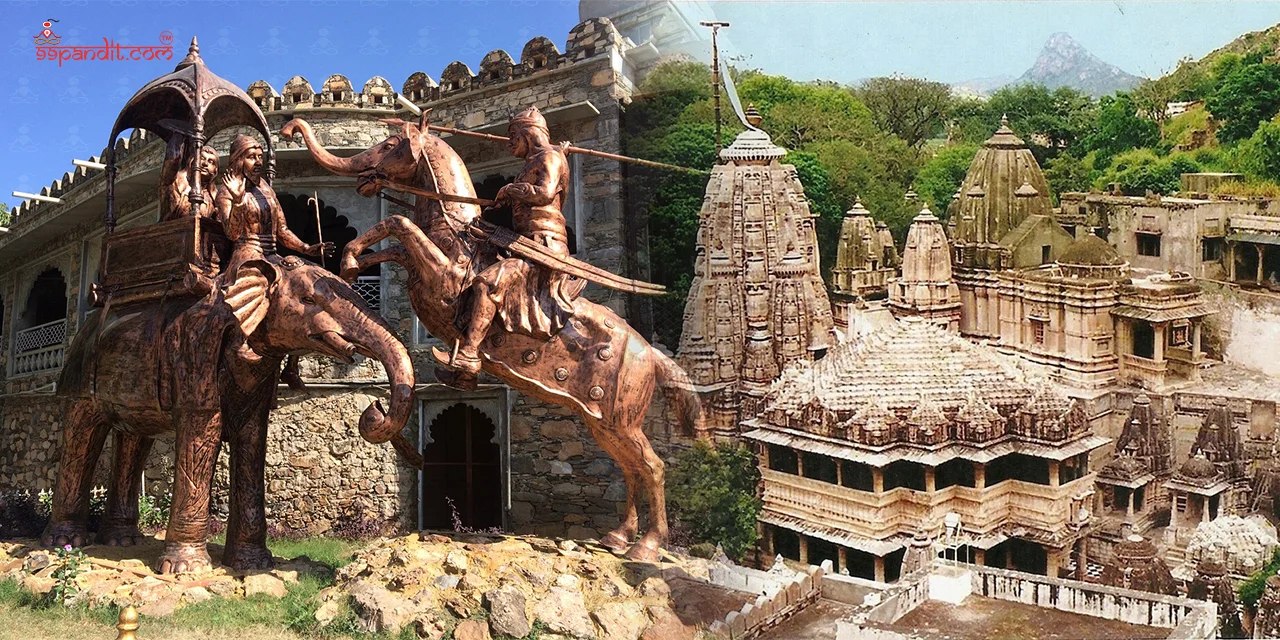
In the princely state of Mewar, the lord is the ruling deity, and the Maharanas of Mewar state rule is his dewan.

Currently, the royal family has built a private trust named Shri Eklingji Trust. Let’s discuss more about the temple’s timings, address, history, entry, and other factors.

Eklingji Temple Timings

  • Eklingji Temple Opening Time: 4:30 AM
  • Eklingji Temple Closing Time: 7:30 PM

Temple Darshan Timings

The timings for the Eklingji temple are given below:

Morning Time Afternoon Time Evening Time
4:30 AM to 7:00 AM 10:30 AM to 1:30 PM 5:00 PM to 7:30 PM


Eklingji Temple Darshan Time Table

Day Time
Monday

4:30 AM to 7:00 AM

10:30 AM to 1:30 PM

5:00 PM to 7:30 PM

Tuesday

4:30 AM to 7:00 AM

10:30 AM to 1:30 PM

5:00 PM to 7:30 PM

Wednesday

4:30 AM to 7:00 AM

10:30 AM to 1:30 PM

5:00 PM to 7:30 PM

Thursday

4:30 AM to 7:00 AM

10:30 AM to 1:30 PM

5:00 PM to 7:30 PM

Friday

4:30 AM to 7:00 AM

10:30 AM to 1:30 PM

5:00 PM to 7:30 PM

Saturday

4:30 AM to 7:00 AM

10:30 AM to 1:30 PM

5:00 PM to 7:30 PM

Sunday

4:30 AM to 7:00 AM

10:30 AM to 1:30 PM

5:00 PM to 7:30 PM


Shri Eklingji Temple Aarti Timings

Aarti Aarti Time
Morning Aarti

5:30 AM
8:15 AM
9:15 AM
11:30 AM

Afternoon Aarti 3:30 PM
4:30 PM
Evening Aarti

5:00 PM
6:30 PM

Note:

  • Before the darshan time, the temple is opened 15 minutes earlier and closes 15 to 20 minutes late on every Monday or each Shani Pradosh day.
  • The darshan and arti timings may differ as per the decision of the temple authorities.
  • Timings can vary on special occasions.

Eklingji Temple History

A temple in Udaipur, the Eklingji temple, is popular as a timeless testament to the feature-rich cultural and religious roots of the region.

Its historical background weaves a narrative that extends back through the annals of time, asking people to connect with the sanctity that lasted for decades.

The origin of the temple delves into the history, and each stone holds witness to the unfolding tales that have transformed its importance.

The past of the temple is a captivating journey, showing the layers of legends and customs that have been an important part of the temple’s identity.

The architectural masterpiece in itself is a living proof of the spiritual passion that has flourished in the locality.

The spiritual feel inside the temple walls is filled with the echoes of ancient prayers and the steps of pilgrims who lived centuries ago.

The sacredness of Eklingji Temple does not just limit itself to the building and construction, but to the air of sacredness that surrounds it.

The legends and tales about the temple give one a strong feeling of being connected to the divine, and it is a pilgrimage centre of near significance.

This historical jewel encourages all the religious-minded as well as the inquisitive to get drenched in the various episodes of the history of Eklingji that gave birth to a rapport across the ages.

Renovation Process

Hamir Singh placed the first idol of the deity during the 14th century, post-invasion, in the main temple complex.

Later, Rana Kumbha reconstructed the temple by adding the Vishnu temple in the 15th century. Rana Kumbha introduced the accessory of lord eklingji in the 1460 inscription.

However, the temple was attacked by the Malwa king Ghiyath Shah later in the 15th century. Rana Raimal, the son of Rana Kumbha, beat him.

He arrested the Shah and demanded a ransom for his release. He used the money to rededicate the temple.

That was the last rebuilding of the temple, and an idol of Eklingji was established in the main complex of the temple.

Architecture of Eklingji Temple, Udaipur

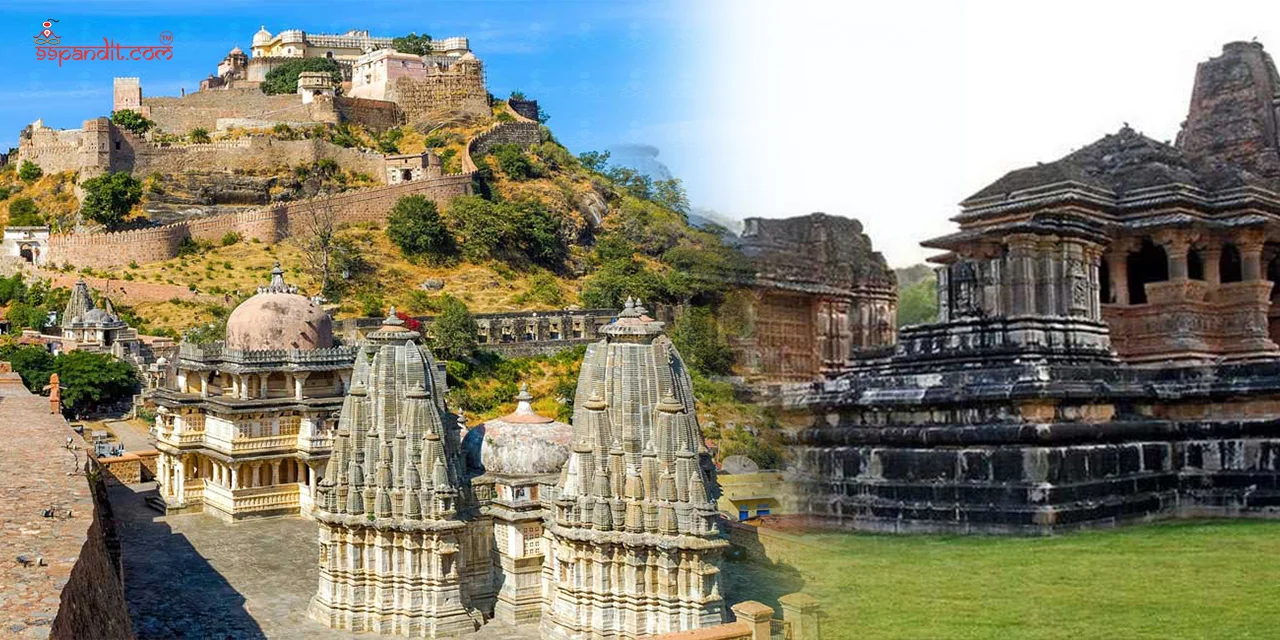
The Eklingji temple is known for its marvellous architecture. The temple is dual-storied with a colossal pyramidal pattern roof and a remarkably crafted tower that enhances its beauty.

External Architecture – The external temple walls are expanded with stairs that directly fall into the water.

Entrance – The entry of the temple, you will find a silver image of Nandi. As per the mythology, Nandi is believed to be the gate-guardian deity of Kailash Parvat. There are two arts of Nandi in brass and black stone in the temple.

Eklingji Temple

Internal Architecture – The four-faced image of lord shiva or Eklingji is placed in the main premise. The statue is covered in a towering pillared hall known as a mandap.

Four-faced Statue – Artisans crafted the 50-foot-tall idol of Lord Shiva using black stone. The four-faced design indicates four different forms of the lord.

The eastern side presents Surya, the western side lord brahma, the northern side lord vishnu, and the southern side is Rudra.

The statue of Eklingji is surrounded by the figures of Goddess Parvati, Lord Ganesh, and Lord Kartikeya.

Around the Temple – You can see two tanks named Karz Kund and Tulsi Kund on the north side of the temple.

Entry Fees of Eklingji Temple, Udaipur

In the gesture of inclusivity and openness, the temple in Udaipur obligingly imposes no entry costs.

The shortage of financial barriers aligns with the temple’s ethics, welcoming pilgrims and followers worldwide to partake in its religious ambience without any cost factors.

The absence of entry fees highlights the temple’s dedication to offering a space for spiritual contemplation and connection with the divine.

Devotees can seek the divine realms of Eklingji Temple openly, emphasizing the temple’s faith to make the sacred accessible to all, boosting an environment of unity and conveying spiritual exploration.

How to Reach Eklingji Temple?

The distance of Eklingji temple is situated at a distance of 22km from Udaipur. It can easily be reached from the airways, roadways, and the railway.

Public transportation is easily accessible from the main city centre. You can book a cab to reach the temple within 35-45 minutes.

By Airways: From the main city centre, Dabok airport is situated 21 km away. There are main cities like Delhi, Mumbai, Jaipur, Jodhpur, and Aurangabad.

Udaipur links to these cities. If you have a short time, then take a flight, which is a suitable option.

Eklingji Temple

By Railways: Udaipur is linked to multiple places through the rail network. The railway station is connected to the city centre at just 3 km away.

You can get a direct train from Delhi, Jodhpur, Jaipur, Chittaur, Ahmedabad, and Ajmer to the city of lakes, Udaipur.

The journey by train can be really exciting when you’re travelling along with your family or friends, so don’t forget to ask them to accompany you.

By Roadways: Udaipur is associated with National Highway 8. NH8 is a big Delhi-Mumbai link road. You can easily take advantage of public transport such as cabs, taxis, and buses.

In the four states like Gujarat, Rajasthan, Uttar Pradesh, and Madhya Pradesh, transport corporations run their buses to and from the city, and you can find an affordable, comfortable, and safe journey.

We advise you to take public transport, such as a bus, when you meet different people and spend a good time enjoying the astonishing views.

You can book car rentals in Udaipur for a relaxed trip to the popular temple and other sightseeing.

Best Time To Visit Eklingji Temple

You should visit Eklingji Temple in Udaipur between September and March. This time is after the monsoons and during the winter months, when the weather is generally favourable, with a cooler climate making the journey and the exploration easier.

This is during September, after the monsoon rains have receded, and the scenery around is green and beautiful.

Moreover, winter (October to March) is another season with good climatic conditions for visiting the temple.

The weather is mild and thus suitable for undertaking other outdoor activities as well as carrying out the spiritual journey at the temple.

The best time to visit is definitely not during the scorching summer months between April and June, when temperatures are not very favourable for doing any sightseeing.

Festivals Celebrated at Eklingji Temple

The main festival to celebrate in the Eklingji temple is Shivratri. Apart from that, Navratras, pradosh, Makar Sankranti, Vaisakh, and Shravan special celebrations are performed here.

This time, a huge number of devotees come to visit the temple and seek blessings from the lord.

Things to do at Eklingji Temple, Udaipur

The people who love to explore places can attend the Eklingji Temple’s special event during the Navratri.

The festival in the Chaitra and Ashwin months, as per the Hindu calendar, draws devotees from all over the world. People invoke a deity to seek blessings and free themselves from all the stress.

People believe that participating in Eklingji events brings spiritual breakthroughs and relief from all worldly problems and pains.

Places to Visit near Eklingji Temple

You can explore multiple holy places near the Eklingji Temple. Each place has its own importance in the life of one or another follower.

The temples such as Rathsan Devi, Pataleshwar Mahadeo, Vindhyavasini Devi, and Arbad Mata set a new standard for beautiful architecture and divine environment. Out of many, there are multiple temples in the complex of Eklingji Temple.

Saas Bahu Temple: One of the rarest temples developed in the 10th century. The devotees dedicated the temple to the legendary mother-in-law and daughter-in-law. The temple has some erotic images intricately created on its walls.

Adbudji Jain Temple: This temple is another temple, dating back to the 17th century. The temple has an idol of Shanti Nath Bhagwan. The artist made the figure from black marble.

Other than visiting temples, you can also book a tourist guide and roam around to understand the history of kailashpuri lord and take a look at the beautiful views around.

Conclusion

Thus, the exploration of Eklingji Temple in Udaipur serves as an extensive guide for both spiritual seekers and travel lovers.

From historical stories to practical details, we have every aspect to improve your understanding and appreciation of this divine place.

Whether you seek solace, cultural enrichment, or just wish to marvel at the architectural craft of Rajasthan, Eklingji Temple awaits, ready to unfold its charm.

Hare Krishna Golden Temple: Timings, History & Distance

In Telangana, the Hare Krishna Golden Temple is a divine spiritual place in Banjara Hills. It is the first-ever temple built in the city of Hyderabad.

The golden beauty of the temple is something worth seeing and attracts thousands of devotees each year.

Hare Krishna Golden Temple

It is not a holy place but a perfect blend of Indian culture, art, and spiritual energy. Every corner of the temple echoes the devotion, from its golden tower to those soothing aartis.

The temple is known to have been built by ISKCON. Over time, the temple has become a part of Hyderabad’s rich cultural identity.

The vibrant festival and calming environment of the temple welcome people from all around the world.

With 99Pandit, we will today discuss everything about the Hare Krishna Golden Temple, its timing, history, popular festivals, and how to reach it. If you are planning a visit to a holy site, then this post has everything you need.

Hare Krishna Golden Temple Timings

If you are planning a visit to the Hare Krishna Temple, then knowing the timing can make your journey more worthwhile and easier.

Devotees generally visit these temples during days like Sri Krishna Janmashtami or Radhastami. Here is the timing for the temple:

Morning Timings:

Activity Time
Mangal Aarti 4:30 AM
Darshan 7:15 AM
Pallaki and Guru Puja 7:35 AM – 8:20 AM
Shrimad Bhagwan Purana Class 8:30 AM
Darshan Closes 12:15 PM


Evening Timings:

Activity Time
Reopen 5:15 PM
Tulasu Aarti 6:45 PM
Snadhya Aarti 7:00 PM
Shayan Aarti 8:00 PM
Closing 8:15 PM


Weekend Timings:

Session Opening Time Closing Time
Morning 7:15 AM 12:30 PM
Evening 4:15 PM 8:35 PM


Overview of the Hare Krishna Golden Temple

The Hare Krishna Golden Temple, a golden beauty covered in the hills of Banjara, is a peaceful place to offer prayers.

The primary deities of the temple include Lord Lakshmi Narasimha Swamy and Shri Radha-Govinda.

When talking about construction, it started with the ISCKON in 2013 and was completed in 2017.

The detailed craving, the golden architecture and the soothing atmosphere make this place a popular spot for Krishna’s devotees.

Visitors visiting this hot temple can take part in daily aarti, devotional songs (bhajan) and programs organized by the ISKCON.

One of the main attractions includes Harinam Japa Mantapa, which is a special 108-step walkway for chanting the mantras.

Be it Krishna followers or a tourist visiting the popular temple, Hare Krishna Temple is definitely a site to add to your bucket list and something worth experiencing. The temple is a place where beauty and spirituality meet at a single point.

Architecture and Highlights of the Hare Krishna Golden Temple

The beautiful architecture of the Hare Krishna Golden Temple makes it not only beautiful but also highly spiritual. Its stunning goldwork detailing makes the temple shine brighter from far away.

The main highlight that leaves people amazed is its 50-foot-long Golden Dhwaja Stambha (flagpole) at the entrance.

Plus, the main hall, also known as Maha Mandapan, is 4,600 square feet long. It allows devotees in larger numbers to come together and pray.

Hare Krishna Golden Temple

At the entrance of the temple, five golden stairs will guide you to a path to the central shrine.

From the centre to all four corners of the temple, some wonderful artwork related to history and mythology is there.

On reaching the inner sanctum, idols of Lord Narasinhadev and Lakshmi Devi are placed there for devotees to receive their blessings.

Further, the temple houses Shaligram Shila, which is said to be located in the Gandaki River. It further houses great statues of Radha-Govinda, the central deities.

Spiritual Significance of the Saligrama Shila at Hare Krishna Golden Temple

The Saligram Shila, a sacred stone in the Hare Krishna Golden Temple, is considered very important.

The divine power of stones draws devotees and tourists to this site. Below are the points that answer your question of why it’s so remarkable:

1. Rare Saligrama Shila

A Saligram Shila is a holy stone that is found inside the Gandaki River. It is reported to possess some mystical powers that improve the divine atmosphere and welcome devotees from all across the globe to have their wishes granted.

2. Significance of the Saligrama Shila

The Saligram Shila stands as the symbol of the connection between Lord Vishnu and his devotees. The interesting history surrounding the stone makes it special for the faithful.

3. Sacred Rituals

Lots of people normally carry out rituals around the Saligram Shila to get blessings and spiritual advice.

The ritual enhances the believers and brings them nearer to the world of deities and spirituality.

4. Saligrama Shila Cultural Roots

The Saligrama Shila in the temple symbolizes decades of customs and historical narratives.

It is a physical touch with Gog that makes people remember the richness of their religion and culture.

5. Devotees’ Experience

Most people have experienced a strong attachment to Saligram Shila. It gives their heart feelings of love and reverence for god and leads them to reflect on their spiritual journey.

Festivals Celebrated in the Hare Krishna Golden Temple

Some of the most popular festivals at the Hare Krishna Golden Temple are listed below:

1. Janmasthami

Janmashtami is celebrated to mark the birth anniversary of Lord Krishna. The temple is filled with celebrations as devotees come in large numbers.

The prayers, devotional songs, and dancing make the environment more vibrant. At night, the celebration doubles as the acts are performed, demonstrating the stories of Lord Krishna.

The whole temple is decorated with lights and flowers, and food is prepared to share with everyone.

2. Govardhan Puja

Goverdhan Puja is celebrated to mark the day when Lord Krishna saved the villagers from the Goverdhan Hill by lifting it on his tiny finger.

On this day, the temple is inhabited by heavenly powers and heavenly food is prepared to be offered to the gods.

Devotees sing the dance and many bhajans, making the atmosphere even more worthy of experience.

3. Vaikuntha Ekadashi

Vaikuntha Ekadashi is a good day to receive the blessings of Lord Vishnu and achieve a successful life. It is one of the widely celebrated festivals in the temple.

Many devotees fast on this day to show gratitude to god and do many devotional activities as well.

4. Radhastami

Another important festival that is celebrated here is Radha Ashtami. It is celebrated as the birth anniversary of the Goddess Radha. Various rituals and various acts are undertaken at the temple as part of the festival.

It is not only a festival but a method to inform the devotees about the relationship between Goddess Radha and Lord Krishna, and to make people try to enhance their relationship.

5. Holi

Holi is the celebration of colour, and thus, the temple is a vibrant spot. On the day, the people indulge in playing with the colours, but the initial colour is given to the deities of the temple.

It is referred to as one of the beloved festivals of lord Krishna. The celebration unites the people and is an indicator of the triumph over evil.

6. Navaratri

Navaratri is a nine-day-long celebration that is enacted to express gratitude to the Goddess Durga.

Every evening, the temple is illuminated with customary music and dance to celebrate a different attribute of the goddess.

It allows the devotees to escape the metropolitan madness and plunge deep into religion and the divine feminine force.

How To Reach the Hare Krishna Golden Temple?

Reaching the Hare Krishna Golden Temple is easy, all thanks to the government of Hyderabad for providing us with well-connected roads.

If you are someone outside the city or in the town as well, the guide below will help you get there:

1. By Road

Hyderabad is connected to almost all the major cities of the country by road. You can easily reach there by your vehicle or take a bus to reach the temple. The closest bus stand to the temple is Mehdipatnam, which is just 6 km away.

2. By Rail

Hyderabad is connected to many cities in the country through a rail network as well. You will get many trains daily to the nearest railway station, Madhranagar, to the temple.

Once you reach the station, the distance to the temple is just 2km. You can take a short walk or book a taxi to get there.

3. By Air

The nearest airport is Rajiv Gandhi International Airport in Hyderabad, which is 28 km away. It takes around 40 to 45 minutes to reach the main destination.

You can hire a taxi from the airport, which will drop you directly at the Hare Krishna Golden Temple.

Best Time to Visit the Hare Krishna Golden Temple

Visiting the Hare Krishna Golden Temple during the Winter season (October to February) is generally considered the right time. Why? Since the weather during this period is normally extremely nice, it renders your travel more enjoyable.

As for the timing, you must go during the early morning hours so that you don’t get caught in the crowd.

Hare Krishna Golden Temple

It is the best time for a peaceful darshan and meditation. To experience something new, you can also plan your visit during festivals like Holi or Janmashtami.

It is better to go there during weekdays instead of holiday days like Saturdays or Sundays. Avoid going to the temple from April to June because it is extremely hot at that time.

Places to Visit Near the Hare Krishna Golden Temple

Some of the most significant sites that you can consider exploring while visiting the Hare Krishna Golden Temple are given below:

1. KBR National Park

Kasu Brahmanada Reddy National Park is a beautiful land of greenery. It is approximately 2 km away from the temple.

If you are a nature lover, then it is a must-visit place for a short walk coupled with bird watching.

2. Shri Jagannath Temple

Shri Jagannath Temple is an outstanding structure built using red sandstone. People often compare it with the famous Jagannath Temple at Puri, as both are dedicated to Lord Jagannath.

The distance between the Hare Krishna Golden Temple and Shri Jagannath Temple is 3 km. You can take a taxi or an auto to get there.

3. Hussain Sagar Lake & Buddha Statue

The Hussain Sagar is a heart-shaped lake situated 8 km away from the Hare Krishna Temple.

You can consider visiting there if you love boating and want to see a breathtaking sunset view. Moreover, there is a tall Buddha statue in the middle of the lake.

4. Shilparaman

If you are interested in art, you must visit the village of Shipharamam. It is sort of a cultural village where you find Indian crafts, arts, and handlooms. The site is 10 km from the temple.

Things to Know Before Visiting the Hare Krishna Golden Temple

  • You should wear traditional clothes like a Kurta or a saree as a sign of respect.
  • Remove your shoes before entering the temple.
  • Do not wear or carry leather products within the temple premises.
  • Some places restrict photography. Therefore, one should obtain permission beforehand before taking the snaps.
  • You have to maintain the temple area clean and abide by all the general rules.
  • We strongly advise visiting early in the morning to be part of the divine aarti.
  • Visit Lord Krishna during the festival time, such as Holi or Navaratri, to enjoy the journey.
  • Take public transport in the form of taxis or buses whenever possible in order to waste less time in jams.
  • Advance booking of your hotel during the peak season also makes the trip convenient.

Conclusion

Hare Krishna Golden Temple in Hyderabad is a beautiful place showcasing golden art and divine energies. Pilgrims all around the world visit the site to attain the blessing of Lord Krishna.

Knowing about the temple and its history tells the teachings behind the Hare Krishna movement.

In a holy city such as Hyderabad, apart from the Hare Krishna Golden Temple, there are a few other attractions.

Some of them include the Shri Jagannath Temple, Hussain Sagar Lake, and KBR National Park, which you can explore.

We hope you find the article helpful and that it covers all the information you are looking for.

Other than that, if you are looking for an experienced pandit for any puja like Griha Pravesh Puja, Rudrabhishek Puja, or havans, you can visit 99Pandit to make the booking hassle-free and easier.

Jeen Mata Mandir: Timings, Location, & Travel Tips

Jeen Mata Mandir has continued to be important to devotees, who are believers of Goddess Durga. Situated in Jeen Mata village near Goria of Sikar district in Rajasthan, the Jeen Mata temple holds great spiritual significance.

It is said to be one of the Shakti Peeths and is a thousand years old. Encircled by a dense forest and the luxury of the past, the temple welcomes thousands of pilgrims and devotees every year.

The temple is definitely a place of worship, but also a location that overflows with beliefs, beauty, and history.

Jeen Mata Mandir

It is a haven of peace in the chaos of the urban lifestyle and an opportunity to soak up the rich culture of Rajasthan.

Today, we discuss one of our wonderful temples, Jeen Mata, and how it has become a land of divinity. We will give you information about everything from its timing to tips on travelling.

Jeen Mata Mandir Timings

Aarti  Time  Details 
Morning Puja (Mangala Aratri)  4:30 AM The aarti starts with the Abhishek of the deity. 
Afternoon Aarti  12:00 PM  Bhog is offered to the Goddess.
Evening Aarti  7:00  The last aarti of the day is performed by bhajans. 


Spiritual Significance of Jeen Mata Mandir

The spiritual significance of Jeen Mata Mandir is far beyond its exterior beauty. It has a special place in the hearts of pilgrims who want to receive the blessings of Goddess Durga, symbolizing feminine power.

This temple is supposed to have huge spiritual power, with thousands of devotees visiting annually.

It is said that offering a prayer within this temple with full faith and devotion brings calmness, safety, and wealth. The serene ambience provides an ideal setting for devotion and spiritual development.

Jeen Mata Mandir has remained a century-old shelter of protection for humanity seeking divine aid and inner harmony.

Pilgrims visit the temple with prayers in search of healing, strength, and a solid link with the divine.

The high cultural value and holy presence of the temple turn it into a pilgrimage point for all the seekers on a spiritual journey. It is the temple to connect again with the old traditions and sense the spiritual delight.

History of Jeen Mata Mandir

The history of Jeen Mata Mandir is soaked in legends and devotion. As per the legends, Jeen Mata was born as Jayanti Mata in the Rajput family of the Chauhan dynasty.

Back in those times, Jeen Mata shared a special bond with her brother Harshnath. One day, when she was out drawing water, she had an argument with her sister-in-law regarding who among them loved her brother the most.

When both of them are unable to reach a decision, they decide that when they go back to the village with a water-filled pot, whoever’s pot Harsnath takes first would be the winner.

The moment they went back to the village, Harshnath took away his wife’s (Jeen Mata’s sister in law) pitcher first. Jeenmata was able to tolerate the action performed by her beloved brother.

To overcome the anger, disappointment, and rage, she went to the Kajal peak of the Arvalli mountain range and sat there for meditation.

When Harshnath heard about this, he followed his sister to bring her back home. But Jeen Mata refused to come back from the mountain, which is not known as her home.

Seeing all this, Harsnath decided to sit down in worship of Baba Bhairavnath on a nearby mountain peak.

In the memory of Jeen Mata and Harshnath, today there is a temple standing to honour Jeen Mata and Baba Bhairavnath.

Both temples are remembered as a tribute to the infinite love that is shared between a brother and a sister.

How Jeen Mata Protected the Temple from Aurangzeb’s Army?

According to folklore, the Jeen Mata temple was once ordered to be demolished by Mughal emperor Aurangzeb.

Aurangzeb and the Jeevan Mata Temple’s history have been passed from one generation to the next.

Aurangzeb wanted to ruin all the Hindu temples in the empire during the period of Mughal rule, it is said.

Learning about the powerful spiritual power of the popular Jeen Mata mandir, he instructed his troops to destroy the Jeen Mata mandir.

Jeen Mata Mandir

But the attempt to destroy the mandir failed due to the divine power of the goddess. It is said that during the attempt, the Mughal army was attacked by a swarm of bees (flying insects).

Some say that the soldiers felt a supernatural kind of fear. Soon after this, Aurangzeb fell seriously ill.

Full of fear and doubt, he went to the Jeen Mata mandir and begged for forgiveness from the goddess.

In addition, he also vows to maintain an Akhand Jyoti (an eternal oil lamp) at the temple as a gesture of apology.

This legendary event further solidified the spiritual significance and belief in the goddess Jaan Mata at the temple.

Temple Architecture: Finding the Ancient Splendour of Jeen Mata Mandir

The architecture of Jeen Mata Mandir is the traditional combination of ancient Rajputana and Hindu temple art, symbolizing the glorious history of Rajasthan.

The 11th-century-old temple has been expanded and developed by royal regimes and religious devotees.

Artisans intricately carved the temple architecture with stone, latticework (jali work), and symbolic paintings of Hindu goddesses and gods. Each of them personifies the ability and dedication of the ancient artisans.

There is a sanctum sanctorum in the centre of the temple, within which the idol of Jaan Mata is placed.

She has eight arms, and each and every one of them is grasping symbolic weapons or objects, sitting on a lion. It is a type of classical depiction of Goddess Durga as Mahishasura Mardini.

The serene ambience, the historical past, and the enchanting paintings in the temple are an engineering marvel of Indian architecture.

How To Reach Jeen Mata Mandir?

Anyone can reach the Jeen Mata Mandir easily. All thanks to good connectivity by road and rail, made by the government.

If you’re also planning a visit here, then below are the options from which you can choose:

1. By Road

One may easily reach Jeen Mata Mandir by road from nearby cities, Sikar, Jaipur, and Delhi. Pubic means such as buses and taxi services are also accessible for direct travel to the temples.

The ease of travelling due to the good roads and easy-to-understand navigation board makes it easy to access.

2. By Train

The closest railway station is Sikar Junction, which enjoys good connectivity with important cities such as Jaipur, Bikaner, and Delhi.

The distance from the airport to the temple is 26.3 km, which typically takes 40-45 minutes to travel to the destination. It is one of the most popular modes of transportation to travel to this sacred site.

3. By Air

The closest airport to the temple is Jaipur International Airport, which is about 130 km from the Jeen Mata mandir.

You can either take a taxi or reserve a train ticket from the airport to get to the temple.

Location of Jeen Mata Mandir

Jeen Mata Mandir lies in the village of Jeenmata, close to Goria in the Sikar District of Rajasthan, India.

Covered with the Arvali hill and the natural beauty of the forest around it, the temple is worth watching.

To make your spiritual journey easier, below is a detailed guide to the location of the temple:

Distance from the Major Cities:

City  Distance  Travel Time 
Jaipur  110 Km (approx) 2.5 to 3 hours
Sikar  30 Km  45 minutes 
Bikaner  200 Km  4 to 5 hours 
Delhi  280 Km 5 to 6 hours 


Travel Tips for Jeen Mata Mandir Visitors: Do’s and Don’ts

Travel to Jeen Mata Mandir is not just a casual visit to a sacred site, but a spiritual rejuvenation.

To get the best out of your trip, it is essential to bear in mind a few points. Below, we have provided some travel tips that you need to adhere to on your visit:

Do’s:

  • Visit the temple early in the morning to avoid the crowd and experience the peaceful Mangala aarti.
  • Be modest and traditional with apparel like a kurta as a sign of respect.
  • Bring your water bottle along, particularly during the summer season.
  • Always go by public transport, such as taxis, buses, or auto-rickshaws, to a nearby location to escape traffic.
  • Plan your visit during Navratri time to relish the colourful atmosphere and the festival.
  • Make your hotel bookings well in advance during the festival for a smooth experience.

Don’ts:

  • Avoid making noise and using mobile phones inside the temple’s main area.
  • Do not carry any sort of leather items like purses and wallets in the Jeen Mata Mandir.
  • Avoid clicking photos in areas where it is prohibited. It is recommended that permission be obtained before taking any pictures.
  • Don’t touch the idols of any gods within the temple.
  • Take off your shoes when entering the temple.

Major Festivals Observed at Jeen Mata Mandir

Jeen Mata Mandir radiates with celebration and reverence, especially during Navratri festivals. Hinduism celebrates it twice a year.

Firstly, between the months of Chaitra (March–April), and secondly, in Ashwin (September-October).

Thousands of pilgrims from every corner of India and across the globe visit this place to receive the grace of Maa Durga.

Jeen Mata Mandir

The temple is open 24/7 on this day and is filled with colours, light, flowers, and hymns (devotional songs).

There is also a big Jeen Mata Fair in Navratri, when devotees pray and engage in cultural activities and functions like folk dance and traditional Rajasthani dance.

A spiritual atmosphere, food stalls, and nearby local handicraft shops completely surround the entire environment around the temple. Altogether, the festival reflects the rich cultural history of Rajasthan.

Top Places to Visit Near Jeen Mata Mandir

If you are looking to go to the Jeen Mata Mandir, then there are a few other locations nearby that you might want to consider. Here are some of the lovely places that you can visit:

1. Harshnath Temple (8 km away from here)

It is one of the old Lord Shiva temples that sit atop the Arvalli hill crest, providing a picturesque view of the place.

The beautiful stone carvings and historical significance make the place one that history lovers cannot afford to miss.

2. Khatushyam Ji Temple (26 km away)

It is a holy and popular temple in Rajasthan dedicated to Lord Shyam, who is considered to be blessed by Shri Krishna. During the Phalgun Mela, a huge crowd gathered to seek the blessing of Lord Shyam.

3. Sikar City (30 Km away)

Sikar is a colourful town famous for fabulous Rajasthani architecture, vibrantly colourful markets, and ancient temples. Walk around the local markets, dealing with handicrafts, fabrics, and traditional items.

Do not fail to explore the Sikar Fort, which is a fine piece of local history and architecture.

Conclusion

Jeen Mata Mandir is one of the significant Hindu worship places in Sikar, Rajasthan. It is the temple of Jeen Mata, and many devotees pray there every year to obtain the blessings of peace, strength, and devotion.

The Jeen Mana Mandir is well known due to its rich history and Rajasthani architecture.

If you are organizing a trip to this temple, then the temple time, the correct location, and the rapid travelling tips stated above in the article can simplify things.

We hope this blog will guide you with everything that you are looking for. Plan your visit to the holy place today and seek the blessing of Jeen Mata.