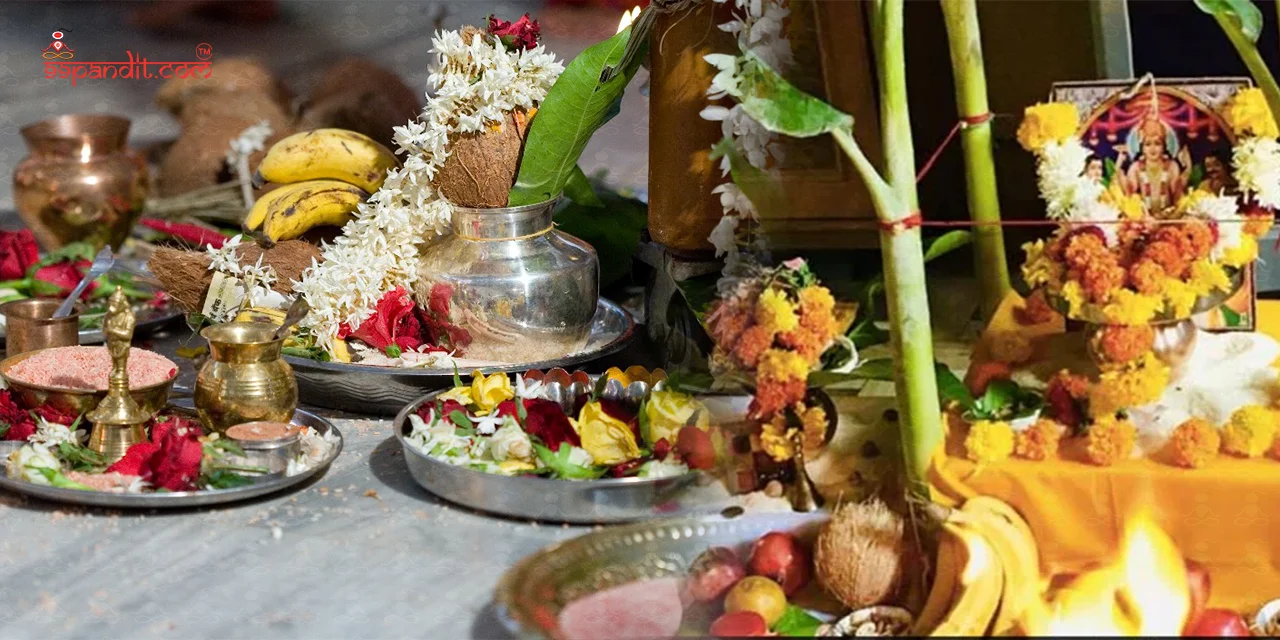
Nirjala Ekadashi Vrat Katha in Hindi: निर्जला एकादशी व्रत कथा

निर्जला एकादशी व्रत कथा: निर्जला एकादशी साल की सभी एकादशियों में सबसे खास मानी जाती है। यह व्रत भगवान विष्णु को समर्पित होता है और ज्येष्ठ माह के शुक्ल पक्ष की एकादशी तिथि को आता है।

इस व्रत की सबसे बड़ी खासियत यह है कि इसमें ना केवल अन्न बल्कि जल का भी त्याग किया जाता है। गर्मी के मौसम में आने के कारण इस दिन जल न पीना बहुत कठिन होता है, इसलिए इसे सबसे कठिन एकादशी भी कहा जाता है।
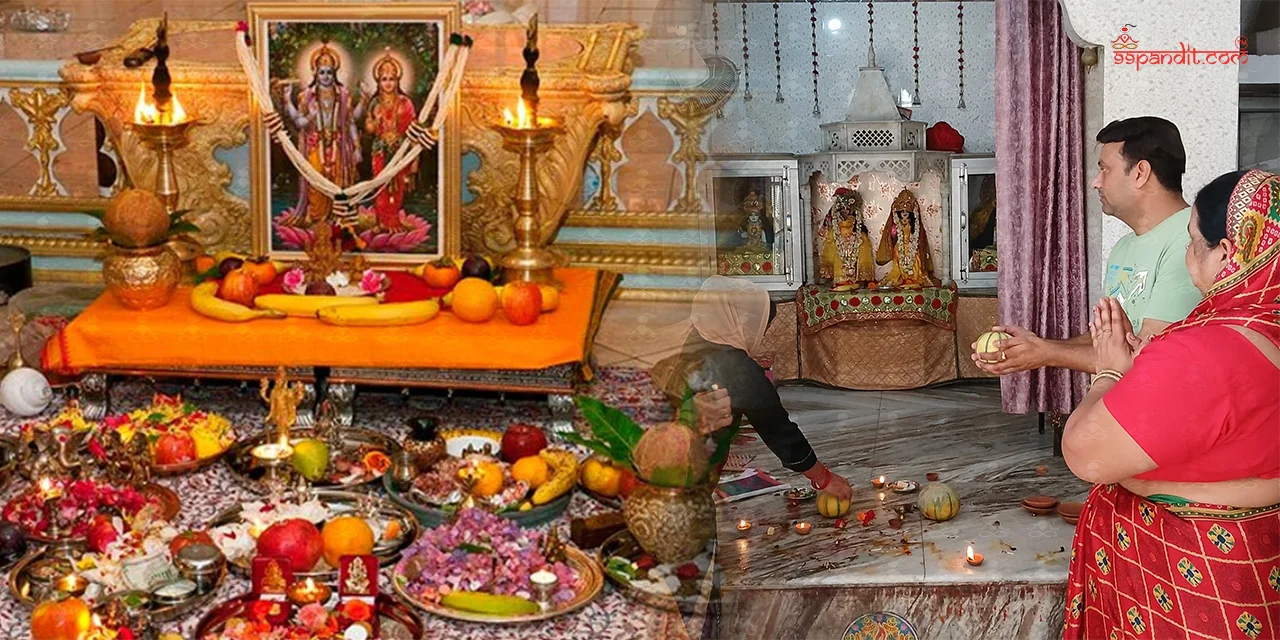
निर्जला एकादशी व्रत कथा

मान्यता है कि जो व्यक्ति यह व्रत पूरी श्रद्धा से करता है, उसे पूरे साल की सभी एकादशियों का पुण्य मिल जाता है।

यह व्रत सिर्फ उपवास नहीं, बल्कि आस्था, संयम और आत्मशुद्धि का प्रतीक होता है। भक्त इस दिन भगवान विष्णु की पूजा करते हैं, भजन-कीर्तन करते हैं और अगले दिन ब्राह्मणों को भोजन करवाकर व्रत का समापन करते हैं।

इस दिन का एक-एक पल भक्त के लिए बहुत फलदायी होता है। माना जाता है कि निर्जला एकादशी व्रत करने से जीवन में दुख-दर्द दूर होते हैं और सुख-शांति बनी रहती है।

क्या है निर्जला एकादशी?

निर्जला एकादशी व्रत भगवान विष्णु को समर्पित साल की सबसे कठिन और पुण्यदायक एकादशी मानी जाती है। इसका मतलब ही होता है – “बिना जल के व्रत रखना।”

इस दिन ना तो अन्न खाया जाता है और ना ही पानी पीया जाता है। ज्येष्ठ माह के शुक्ल पक्ष की एकादशी को यह व्रत किया जाता है, जब गर्मी अपने चरम पर होती है इसलिए यह और भी कठिन हो जाता है।

मान्यता है कि जो व्यक्ति पूरे साल की 24 एकादशियां नहीं कर पाता, अगर वह सिर्फ निर्जला एकादशी का व्रत कर ले, तो उसे पूरे साल का पुण्य मिल जाता है। यही कारण है कि इसे “भीमसेनी एकादशी” भी कहते हैं, क्योंकि पांडवों में भीम ने सिर्फ यही व्रत किया था।

इस दिन व्रत करने वाले को सुबह जल्दी उठकर स्नान करना चाहिए, भगवान विष्णु की पूजा करनी चाहिए, भजन-कीर्तन या पूजा आराधना करनी चाहिए और दिन-रात बिना अन्न-जल के उपवास करना चाहिए।

अगले दिन ब्राह्मणों को भोजन और दान देकर व्रत का समापन होता है। यह व्रत सिर्फ शरीर की नहीं, आत्मा और मन की भी परीक्षा होती है, जो व्यक्ति को भीतर से मजबूत बनाता है।

निर्जला एकादशी व्रत कथा

बहुत समय पहले की बात है। महाभारत के समय की। पांडव भगवान विष्णु के बहुत बड़े भक्त थे। पाँचों भाई हर महीने आने वाली एकादशी का व्रत रखते थे।

लेकिन भीम को एक परेशानी थी — उन्हें भूखा रहना बिल्कुल पसंद नहीं था। भीम का शरीर बहुत भारी और ताकतवर था।

उन्हें दिनभर में खूब खाना चाहिए होता था। अगर वो थोड़ी देर भी बिना खाए रह जाते, तो कमजोरी महसूस होने लगती थी।

इसलिए जब उन्होंने देखा कि उनके सभी भाई हर एकादशी पर उपवास करते हैं, तो उन्हें बुरा भी लगा और दुख भी।

एक दिन भीम ने भगवान श्रीकृष्ण से कहा, “हे कृष्ण! मैं भी एक सच्चा भक्त हूं। लेकिन उपवास करना मेरे लिए बहुत मुश्किल है।

क्या कोई ऐसा तरीका है जिससे मैं भी व्रत का फल पा सकूं, लेकिन हर महीने उपवास ना करना पड़े?” भगवान श्रीकृष्ण मुस्कुरा दिए। उन्होंने कहा, “हाँ भीम! तुम्हारे जैसे भक्तों के लिए एक खास व्रत है – ‘निर्जला एकादशी’।

इसमें पूरे साल की सभी एकादशियों का पुण्य एक साथ मिल जाता है। लेकिन इसमें एक शर्त है – इस दिन तुम्हें पानी तक नहीं पीना होगा। बस भगवान विष्णु का ध्यान करना होगा और पूरे दिन उपवास रखना होगा।”

भीम ने व्रत रखने की ठान ली। जब निर्जला एकादशी का दिन आया, तो भीम ने सुबह जल्दी उठकर स्नान किया, साफ कपड़े पहने और भगवान विष्णु के सामने बैठकर संकल्प लिया।

उन्होंने पूरे दिन कुछ नहीं खाया और एक बूंद पानी तक नहीं पिया। गर्मी का दिन था, शरीर भारी लग रहा था, गला भी सुख रहा था, लेकिन उन्होंने हार नहीं मानी, उन्होंने मन में बस यही दोहराया – “मैं ये व्रत कर रहा हूँ भगवान विष्णु के लिए।”

उन्होंने रात को भजन-कीर्तन किया। भगवान विष्णु का नाम लेते रहे। अगले दिन सूरज निकलने के बाद ब्राह्मणों को भोजन करवाया और उनका आशीर्वाद लिया।

जब भीम ने ये व्रत पूरा किया, तो स्वर्ग से फूलों की बारिश हुई। देवताओं ने कहा – “आज भीम ने अपने मन, शरीर और आत्मा – तीनों की परीक्षा पूर्ण कर ली।

अब उन्हें पूरे साल की 24 एकादशियों का फल मिलेगा।” तभी से इस एकादशी को “भीमसेनी निर्जला एकादशी” भी कहा जाने लगा।

कहते हैं, जो भी श्रद्धा से ये व्रत करता है – उसके सारे पाप मिट जाते हैं, जीवन में शांति आती है और भगवान विष्णु का आशीर्वाद हमेशा बना रहता है।

निर्जला एकादशी व्रत का महत्व

निर्जला एकादशी का व्रत सिर्फ उपवास नहीं होता – ये हमारे शरीर, मन और आत्मा की परीक्षा होता है। इस व्रत का महत्व बहुत बड़ा होता है, क्योंकि इसमें पूरे दिन बिना अन्न और बिना पानी के उपवास किया जाता है।
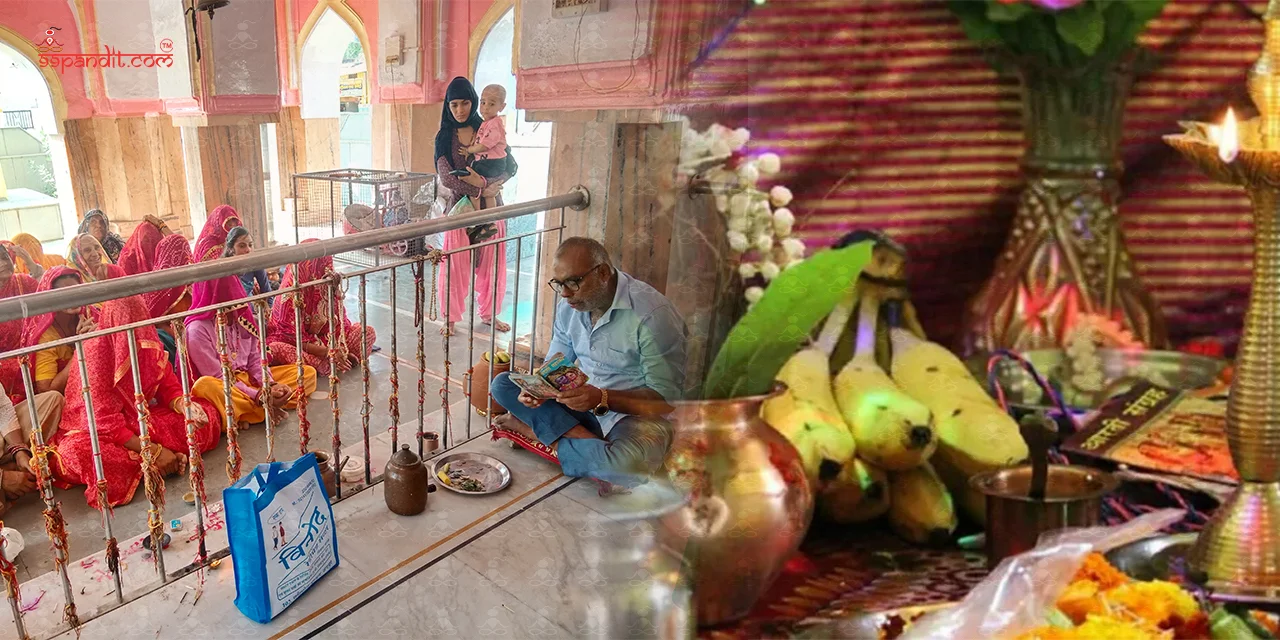
निर्जला एकादशी व्रत कथा

यह व्रत ज्येष्ठ महीने की शुक्ल पक्ष एकादशी को आता है, जब गर्मी सबसे तेज़ होती है। ऐसे समय में जल भी न पीना अपने आप में एक बड़ा त्याग होता है। लेकिन यही त्याग हमें भगवान विष्णु के और करीब ले जाता है।

धार्मिक महत्व

  • यह व्रत भगवान विष्णु को बहुत प्रिय है।
  • मान्यता है कि जो व्यक्ति यह व्रत करता है, उसे पूरे साल की 24 एकादशियों का फल मिलता है।
  • यह व्रत भीमसेनी एकादशी के नाम से भी जाना जाता है, क्योंकि भीम ने इसी एकादशी को किया था।
  • व्रत करने से पाप नष्ट होते हैं, और व्यक्ति को मोक्ष की प्राप्ति होती है।
  • इस दिन की गई पूजा, दान और भक्ति कई गुना फल देती है।
  • भगवान विष्णु का आशीर्वाद जीवन में सुख, शांति और समृद्धि लाता है।

मानसिक और आत्मिक लाभ

  • यह व्रत हमारे अंदर धैर्य और संयम बढ़ाता है।
  • बिना पानी के उपवास करने से मन स्थिर होता है और भक्ति में गहराई आती है।
  • व्रत करने से आत्मा शुद्ध होती है और नकारात्मक सोच दूर होती है।
  • पूरे दिन भजन-कीर्तन करने से मन शांत और खुश रहता है।

शारीरिक और वैज्ञानिक महत्व

  • उपवास करने से शरीर को आराम मिलता है, पाचन तंत्र साफ़ होता है।
  • बिना पानी के व्रत से शरीर का मेटाबॉलिज्म संतुलन होता है।
  • यह व्रत सिखाता है कि हम ज़रूरी चीजों के बिना भी आस्था और भक्ति से दिन गुजार सकते हैं।
  • शाम को दिया जलाना, भगवान का नाम लेना और ध्यान लगाना — तनाव कम करता है और मन को नई ऊर्जा देता है।

निर्जला एकादशी व्रत केवल भूखा रहने का नाम नहीं है — यह अपने आप को परखने का एक मौका है। यह हमें सिखाता है कि त्याग, श्रद्धा और भक्ति से हम ईश्वर को प्रसन्न कर सकते हैं और जीवन में आगे बढ़ सकते हैं।

जो भी भक्त इस व्रत को पूरे मन और सच्चे भाव से करता है, उसके जीवन में धीरे-धीरे सकारात्मक बदलाव आने लगते हैं।

निर्जला एकादशी पूजा सामग्री

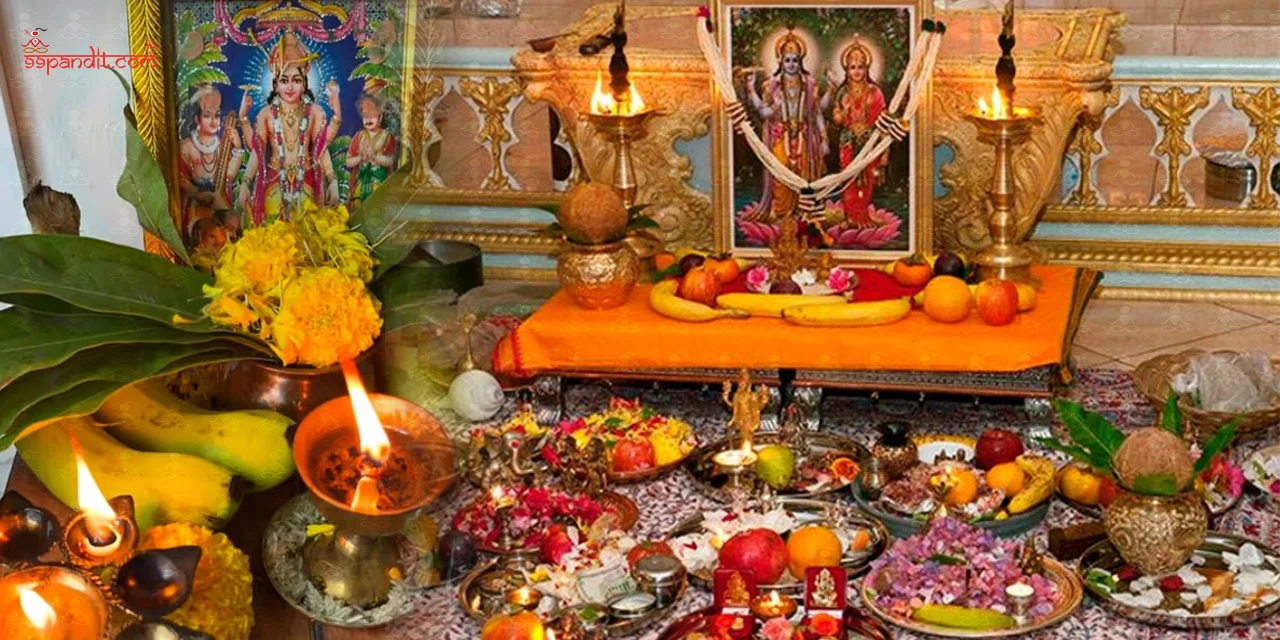
निर्जला एकादशी के दिन पूजा करना बहुत शुभ माना जाता है। अगर आप ये व्रत रख रहे हैं, तो पूजा के लिए कुछ जरूरी चीज़ें पहले से तैयार रखनी चाहिए। नीचे लिस्ट दी गई है —

  • भगवान विष्णु की मूर्ति या तस्वीर – पूजा का मुख्य केंद्र यही होगी।
  • पीला या सफेद कपड़ा – भगवान को ओढ़ाने और पूजा स्थान सजाने के लिए।
  • गंगाजल या साफ पानी – स्नान और शुद्धि के लिए।
  • पंचामृत – दूध, दही, घी, शहद और शक्कर मिलाकर।
  • तुलसी के पत्ते – विष्णु भगवान को बहुत प्रिय होते हैं।
  • चंदन या हल्दी-कुमकुम – तिलक के लिए।
  • अक्षत (चावल) – पूजा में ज़रूरी माने जाते हैं।
  • दीपक और रूई की बाती – घी या तेल का दीपक जलाने के लिए।
  • अगरबत्ती और धूप – माहौल को शुद्ध और सुगंधित करने के लिए।
  • फूल (पीले या सफेद) – भगवान को अर्पित करने के लिए।
  • फल और मिठाई (या मिश्री) – भोग के लिए।
  • रोल, सुपारी और इलायची – पारंपरिक पूजा की चीज़ें।
  • तांबे या पीतल का लोटा और थाली – जल अर्पण व पूजा के लिए।
  • घंटी या शंख – पूजा के समय वातावरण को सकारात्मक करने के लिए।
  • व्रत कथा पुस्तिका – निर्जला एकादशी की कथा पढ़ने या सुनने के लिए।

नारियल और कलश भी रखें, जितना हो सके पीली चीज़ों का इस्तेमाल करें पीला रंग विष्णु जी का सबसे पसंदीदा माना जाता है (मिठाई, कपड़े हो या फूल), इससे पूजा और शुभ मानी जाती है। पूजा के बाद ब्राह्मण को फल, मिठाई और जल पात्र दान देना भी शुभ होता है।

निर्जला एकादशी पूजा विधि

निर्जला एकादशी व्रत की पूजा विधि बहुत ही सरल है, बस इसमें मन की श्रद्धा और नियम का पालन ज़रूरी होता है।

इस व्रत में भगवान विष्णु की पूजा विशेष रूप से की जाती है। नीचे स्टेप-बाय-स्टेप पूजा की पूरी प्रक्रिया दी गई है:

1. सुबह जल्दी उठें

  • ब्रह्म मुहूर्त यानी सूरज उगने से पहले उठें।
  • स्नान करें और साफ सुथरे, हल्के रंग के कपड़े पहनें।
  • घर के पूजा स्थल को साफ करें।
  • भगवान विष्णु की तस्वीर या मूर्ति को गंगाजल या शुद्ध जल से धो लें।

2. व्रत का संकल्प लें

  • भगवान के सामने बैठकर हाथ में जल लें।
  • मन में कहें – “मैं आज निर्जला एकादशी व्रत श्रद्धा और नियम से रख रहा/रही हूं, कृपया मेरी पूजा स्वीकार करें”।

3. पूरा दिन उपवास करें

  • इस दिन जल और अन्न कुछ भी नहीं लेना होता।
  • अगर स्वास्थ्य में कमजोरी हो, तो केवल तुलसी डाला हुआ थोड़ा सा जल लिया जा सकता है।
  • मन में भगवान विष्णु का नाम लेते रहें और जितना हो सके मौन रखें।

4. शाम के समय पूजा की तैयारी करें

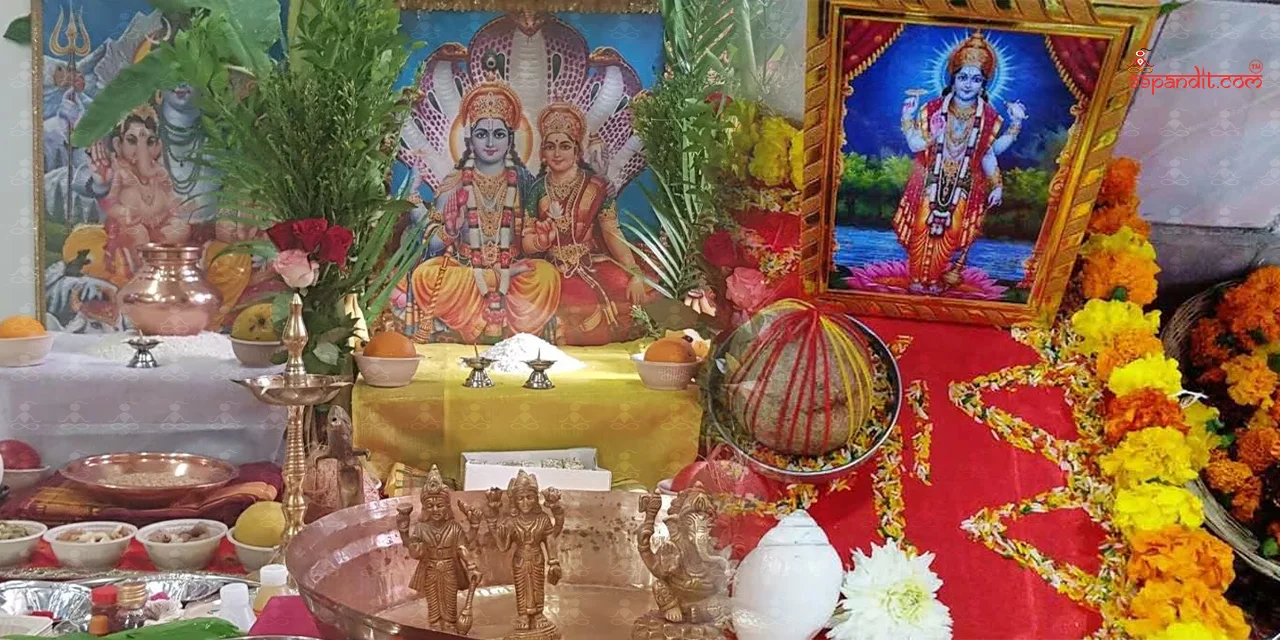
  • एक साफ पट्टे या चौकी पर पीला कपड़ा बिछाएं।
  • भगवान विष्णु की मूर्ति या तस्वीर स्थापित करें।
  • एक दीपक जलाएं, अगरबत्ती और धूप लगाएं।
  • पूजा की सभी सामग्री पास में रखें।

5. भगवान विष्णु की पूजा करें

  • पहले गंगाजल से मूर्ति को स्नान कराएं।
  • फिर पंचामृत (दूध, दही, शहद, घी, मिश्री) से अभिषेक करें।
  • दोबारा साफ जल से स्नान कराएं।
  • चंदन, अक्षत (चावल), फूल, तुलसी पत्र, फल और मिठाई अर्पित करें।
  • घी का दीपक और कपूर से आरती करें।
  • अंत में भगवान को भोग लगाएं।

6. मंत्र जाप करें

  • “ॐ नमो भगवते वासुदेवाय” मंत्र जाप 108 बार करें।
  • चाहें तो विष्णु सहस्रनाम का पाठ भी कर सकते हैं।

7. व्रत कथा पढ़ें या सुनें

  • निर्जला एकादशी की पौराणिक कथा ज़रूर पढ़ें या किसी से सुनें।
  • कथा सुनना इस व्रत का आवश्यक भाग माना गया है।

8. व्रत का पारण (अगले दिन)

  • अगले दिन सूर्योदय के बाद स्नान करें।
  • भगवान विष्णु को प्रणाम करें।
  • ज़रूरतमंद को जल, भोजन या वस्त्र दान दें।
  • फिर व्रत खोलें।

निर्जला एकादशी व्रत के लाभ

निर्जला एकादशी का व्रत सबसे कठिन व्रतों में से एक माना जाता है, क्योंकि इसमें जल तक नहीं पिया जाता, लेकिन इसका फल भी उतना ही बड़ा और चमत्कारी होता है। इस व्रत को रखने से सिर्फ धर्म नहीं, बल्कि जीवन में शांति, संतुलन और सकारात्मकता भी आती है।
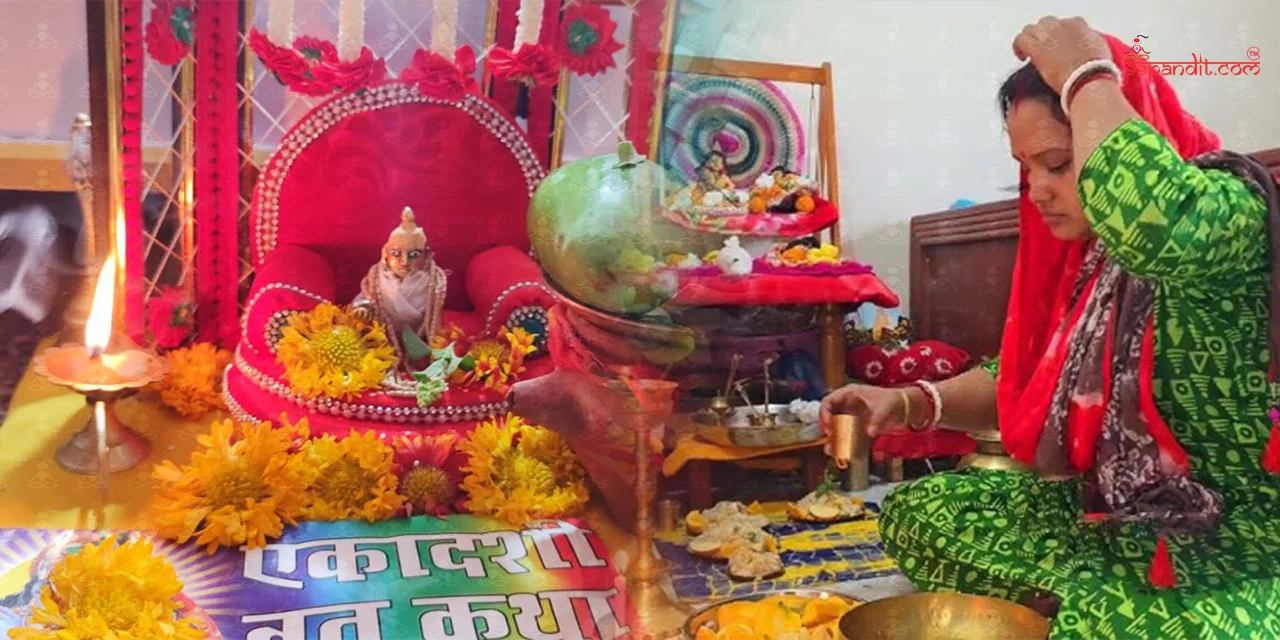
निर्जला एकादशी व्रत कथा

नीचे इस व्रत के प्रमुख लाभ दिए गए हैं –

1. पुरे साल की सभी एकादशियों का फल
अगर कोई व्यक्ति पूरे साल एकादशी का व्रत न रख पाए, तो सिर्फ निर्जला एकादशी का व्रत रखकर वह सभी एकादशियों का पुण्य प्राप्त कर सकता है।

2. भगवान विष्णु की विशेष कृपा
इस दिन व्रत और पूजा करने से भगवान विष्णु बहुत जल्दी प्रसन्न होते हैं और अपने भक्त को सुख, शांति और समृद्धि का आशीर्वाद देते हैं।

3. पापों से मुक्ति
कहा जाता है कि इस व्रत को करने से जाने-अनजाने किए गए पाप नष्ट हो जाते हैं और आत्मा शुद्ध होती है।

4. मोक्ष की प्राप्ति
यह व्रत मृत्यु के बाद मोक्ष की ओर मार्ग प्रशस्त करता है। जो इस व्रत को करता है, उसे स्वर्ग लोक की प्राप्ति होती है।

5. मानसिक और आत्मिक शांति
निर्जला एकादशी पर उपवास, पूजा और ध्यान से मन को गहरी शांति मिलती है। नकारात्मकता दूर होती है और आत्मबल बढ़ता है।

6. स्वास्थ्य में सुधार
उपवास से शरीर साफ़ होता है, पाचन तंत्र को आराम मिलता है और शरीर की ऊर्जा बेहतर होती है। एक दिन का पूर्ण उपवास शरीर को अंदर से साफ करता है।

7. जल का महत्व समझ में आता है
जब एक दिन बिना जल के रहना पड़ता है, तो हमें पानी का मूल्य भी समझ आता है। इससे जीवन में नियंत्रण और आभार आती है।

8. दान-पुण्य से पुण्य की प्राप्ति
इस दिन जल, फल, वस्त्र, छाता, घड़ा आदि दान करने से कई गुना पुण्य फल प्राप्त होता है।

निर्जला एकादशी व्रत कथा के लिए ऑनलाइन पण्डित बुकिंग

आजकल जब ज़्यादातर चीज़ें घर बैठे ऑनलाइन हो रही हैं, तो पूजा-पाठ के लिए अनुभवी पण्डित जी को बुलवाना भी अब बहुत आसान हो गया है।

99Pandit एक भरोसेमंद ऑनलाइन सेवा है, जहां से आप निर्जला एकादशी व्रत की कथा और विशेष पूजा के लिए अपने शहर में पंडित जी को बुक कर सकते हैं, वो भी पूरी विधि और पूजा सामग्री के साथ।

इस सेवा में आपको ये सब मिल सकता है:

  • पण्डित जी द्वारा सम्पूर्ण पूजा
  • मंत्रोच्चारण, कथा पाठ और हवन
  • जरूरत के अनुसार सामग्री के साथ
  • पूजा का सही मुहूर्त और मार्गदर्शन

निर्जला एकादशी व्रत के लिए पंडित बुकिंग की लागत कई बातों पर निर्भर करती है जैसे पूजा कितनी बड़ी है, कितने ब्राह्मण चाहिए, सामग्री कौन देगा और दक्षिणा कितनी होगी।

99Pandit से बुकिंग करने का तरीका

  • अपने मोबाइल फ़ोन पर हमारी वेबसाइट का नाम  www.99pandit.com लिखें।
  • वेबसाइट पर जाकर “निर्जला एकादशी व्रत पूजा” का विकल्प चुनें।
  • अपना शहर, तारीख और भाषा भरें।
  • “सामग्री सहित” या “बिना सामग्री” विकल्प चुनें।
  • बाकी जानकारी भरकर बुकिंग करें।
  • कुछ ही देर में आपको कन्फर्मेशन कॉल या मैसेज मिलेगा।
  • बुकिंग कन्फर्म होने के बाद आप पंडित जी से सीधे बात करके विधि, समय, सामग्री आदि की बातचीत कर सकते हैं।

Note: 99Pandit किसी भी प्रकार से आपसे रजिस्ट्रेशन फॉर्म फिल करने या पण्डित जी से बात करने तक किसी भी तरह के भुगतान की मांग नही करता है।

निष्कर्ष

निर्जला एकादशी का व्रत सिर्फ भूखा-प्यासा रहने का नाम नहीं है, ये अपने मन, शरीर और आत्मा को साफ करने का तरीका है। इस व्रत में इंसान अपने आप से जुड़ता है, भगवान से बात करता है और अपनी इच्छाओं को शांत करता है।

जब हम एक दिन बिना पानी के रहते हैं, तो न सिर्फ हमारे शरीर को आराम मिलता है, बल्कि हमें सब्र, सहनशीलता और श्रद्धा की असली अहमियत भी समझ में आती है।

ये व्रत हमें बताता है कि भगवान भाव के भूखे होते हैं, दिखावे के नहीं। जो भी व्यक्ति इस व्रत को सच्चे मन से करता है, उसकी हर मनोकामना धीरे-धीरे पूरी होने लगती है। जीवन में सुकून आता है, शांति मिलती है और मन से डर और चिंता दूर होने लगती है।

इसलिए अगर आप दिल से चाहते हैं कि भगवान विष्णु की कृपा मिले और जीवन में सुख-शांति बनी रहे, तो साल में एक बार निर्जला एकादशी का व्रत ज़रूर करें। यह सिर्फ एक दिन की तपस्या नहीं, बल्कि जीवन को बेहतर बनाने वाला अनुभव है।
Yogini Ekadashi Vrat Katha: योगिनी एकादशी व्रत कथा

व्रत की परंपरा हिन्दू धर्म में अत्यंत पुरानी और धार्मिक रूप से समृद्ध रही है| इन व्रतों में एकादशी को प्रथम व्रत माना जाता है, ‘एकादशी’ शब्द संस्कृत से लिया गया है, जिसका अर्थ है ‘ग्यारहवा दिन’|

यह दिन हर महीने में 2 बार आता है शुक्ल पक्ष (चंद्रमा का उदय) कृष्ण पक्ष (चंद्रमा का अस्त)| एक वर्ष में कुल 24 एकादशी होती है, और कई बार मलमास के कारण यह संख्या 26 तक पहुँच जाती है|

योगिनी एकादशी व्रत कथा

एकादशी व्रत का सबसे अधिक संबंध भगवान विष्णु से है। पुराणों के अनुसार, जो कोई भी इस दिन व्रत रखता है और भगवान विष्णु की पूजा करता है, वह सभी पापों से मुक्त होकर मुक्ति की ओर अग्रसर होता है।

यह व्रत केवल एक धार्मिक अनुष्ठान ही नहीं है, बल्कि इसके वैज्ञानिक और स्वास्थ्य संबंधी लाभ भी हैं। व्रत रखने से पाचन तंत्र को एक दिन का आराम मिलता है, जिससे पाचन तंत्र बेहतर होता है और मन को शांति मिलती है|

योगिनी एकादशी व्रत कथा, विधि, सामग्री, महत्व और पूजा से संबंधित सभी जानकारी नीचे विस्तार से दी गई है ताकि पाठक इसे समझकर सही ढंग से पालन कर सकें।

योगिनी एकादशी व्रत क्या है?

यह एकादशी व्रत हिंदू धर्म में एक बहुत बड़ा पुण्यदायक और धार्मिक दृष्टि से काफी महत्वपूर्ण व्रत माना जाता है, जो आषाढ़ मास के कृष्ण पक्ष की एकादशी तिथि को पालन किया जाता है। यह व्रत खासतौर पर पापों से छूट, आत्मिक शुद्धि और स्वास्थ्य लाभ के लिए किया जाता है।

मान्यता है कि इस व्रत को श्रद्धा, नियम और संयम के साथ करने पर व्यक्ति को जन्म-जन्मांतर के पापों से छूट मिलती है और उसकी जिंदगी सुख-शांति से भर जाती है।

इस दिन उपवासी व्यक्ति अन्न, तामसिक चीजों, झूठ, क्रोध और बुरे कामों से पूरी तरह अस्वीकार करते है। व्रत का तात्कालिक उद्देश्य उपवास किया जाना ही नहीं, पुरे मन, वाणी और कर्म से भी शुद्ध रहना होता है।

इस दिन भगवान विष्णु की विशेष पूजा की जाती है और रात को जागरण और भजन-कीर्तन का आयोजन होता है।

योगिनी एकादशी को विशेष रूप से उनके लिए लाभकारी माना गया है जो मानसिक दबाव, घर की दिक्कत, बीमारियों का सामना कर रहे हैं या जीवन में लगातार बाधाओं का सामना कर रहें है। यह व्रत जीवन में शुभ भाव, शांति कल्याण, दिमागी और सकारात्मक ऊर्जा आने में सहायक होता है।

पुराणों के अनुसार, इस एकादशी का होने का महत्व हजार गौधान, सोने का दान और तीर्थयात्रा के बराबर होता है। इस व्रत को करने से जीवन पवित्र हो जाता है और मोक्ष की दिशा में बड़ा कदम बढ़ता है।

योगिनी एकादशी व्रत कथा

योगिनी एकादशी की कथा पद्म पुराण में है, जो भगवान श्रीकृष्ण और धर्मराज युधिष्ठिर के बीच संवाद के रूप में आती है।

एक बार युधिष्ठिर ने भगवान श्रीकृष्ण से पूछा, “हे माधव! आषाढ़ कृष्ण पक्ष की एकादशी का क्या नाम है? कृपया इसकी कथा और विशेषता बतायें!

भगवान कृष्ण ने कहा, “हे राजन! इस एकादशी को योगिनी कहा जाता है। यह सभी पापों का नाश कर देती है, रोगों को दूर करती है और मुक्ति प्रदान करती है। इसकी कथा प्राचीन काल में अलकापुरी के राजा कुबेर से जुड़ी है।

कुबेर भगवान शिव के बहुत बड़े भक्त थे और वे प्रतिदिन शिव को सुंदर पुष्प अर्पित करते थे। इन पुष्पों को लाने का कार्य हेम माली नामक एक गंधर्व का था, जो अत्यंत कुशल सेवक था।

हेम माली की पत्नी विशालाक्षी बहुत सुंदर थी| एक दिन हेम माली अपनी पत्नी के सुन्दरता और उसके मोह में भटक गया और रमण करने लगा|

इस कारण वह समय पर पुष्प नहीं ला सका, जिससे वह राजा कुबेर के दरबार में अनुपस्थित रहा। राजा कुबेर ने अपने सिपाहियों को आदेश दिया की जा कर देखो की हेम माली क्यों नही आया वह क्या कर रहा हैं, तो उसके सिपाहियों ने कहा कि – महाराज वह बहुत वासना से पूर्ण इंसान है वह अपनी पत्नी के साथ रमण कर रहा होगा|

यह सब सुनकर कुबेर बहुत भड़क गए और उन्होंने हेम माली को श्राप दिया, “तू मृत्युलोक में जाकर कुष्ठ रोग से फ़सा रहेगा और वहाँ बहुत पीड़ा सहेगा”

कुबेर के श्राप के कारण हेम माली पृथ्वी पर गिर पड़ा और हिमालय के नीचे वाले सरोवर में आकर अत्यंत दर्द पूर्ण जीवन बिताने लगा। उसके शरीर पर कोढ़ हो गया था और वह भूखा-प्यासा, उदास और मायूस होकर वनों में भटकता रहा।

वह एक दिन महातपस्वी महर्षि मार्कण्डेय के आश्रम में पहुँचा, वहा महर्षि ने उससे पूछा की वो है कौन और इस अवस्था में कैसे है?

उसने वहा भोजन गृहण किया और खाने खाते हुए अपनी कथा सुनाई, यह सब सुनकर महर्षि मार्कण्डेय को उसके ऊपर दया आ गई।

उन्होंने कहा, “हे गंधर्व! तुमने अपने कर्तव्य से विमुख होकर अपराध तो किया है, किन्तु इस लोक में ऐसा कोई पाप या दोष नहीं जो प्रायश्चित और भक्ति से ख़तम न हो।

“तुम्हें आषाढ़ कृष्ण पक्ष की योगिनी एकादशी का व्रत विधिपूर्वक करना चाहिए, तुम्हारे सभी पापों का नाश होगा और तुम्हें अपना पुराना रूप प्राप्त होगा।

हेम माली ने भी ऐसा ही किया। उसने पूरी श्रद्धा और नियम से योगिनी एकादशी का व्रत किया, भगवान विष्णु की पूजा की और अपने पापों का प्रायश्चित करने के लिए भक्तिपूर्वक व्रत रखा।

कुछ ही समय में उसका शरीर स्वस्थ हो गया और वह पुनः स्वर्ग चला गया और अपने पुराने रूप, अपनी धर्म-पत्नी और स्थान को प्राप्त किया।

यह कहानी सिद्ध करती है कि योगिनी एकादशी का व्रत न तो केवल रोगों को शांत करता है, और न ही मन के मैल को दूर करता है, बल्कि मोक्ष भी देता है।

वह व्यक्ति जो इस व्रत को नियम और भक्तिपूर्वक करता है, उसे इस दुनिया में तंदरुस्त स्वास्थ्य और स्वर्गलोक में पुण्य मिलता है।

योगिनी एकादशी व्रत का महत्व

योगिनी एकादशी आषाढ़ मास के कृष्ण पक्ष की एकादशी तिथि को होती है। यह एकादशी विशेषता से पापों के नाश, रोगों से मुक्ति और मोक्ष की प्राप्ति के लिए अत्यंत महत्वपूर्ण मानी जाती है।

यह एकादशी व्रत पद्म पुराण और स्कंद पुराण में वर्णित है, जिसमें इसे समस्त पापों को हरने वाली और अत्यंत पुण्यदायिनी तिथि कहा गया है।

इस व्रत की सबसे महत्वपूर्ण बात यह है कि यह मनुष्य के जीवन में की गई अनजानी गलतियों, किए गए पाप कर्मों और मन के अन्दर की भावनाओं को पवित्र करता है। इस व्रत को करने से मनुष्य न केवल इस जीवन में, बल्कि पिछले जीवन के पापों से भी मुक्त हो जाता है।

योगिनी एकादशी व्रत कथा

शास्त्रों के अनुसार, इस एकादशी का व्रत करने वाला इंसान 88,000 ब्राह्मण पंडितो को भोजन कराने के सामान होता है और इसका बहुत अच्छा फल प्राप्त होता हैं|

यह व्रत विशेषकर ऐसे लोगों के लिए हितकारी/लाभकारी माना जाता है जो अनवरत रूप से बीमारियों, दिमागी तनाव, परिवार के मध्य झगड़ा या उधार जैसी समस्याओं में दबावमुक्त रहते हैं।

योगिनी एकादशी व्रत करने पर जीवन में सुख, शांति और सफलता प्राप्त होती है। इसके अलावा, यह व्रत व्यक्ति को पवित्रता, नियंत्रण और भक्ति मार्ग पर आगे बढ़ते रहने की प्रेरणा प्रदान करता है।

इस दिन भगवान विष्णु की पूजा विशेष फलदायक मानी जाती है। तुलसी पत्र अर्पण, व्रत कथा श्रवण, मंत्र जाप और जागरण से व्रत की उपलब्द्धि होती है।

जो व्यक्ति इस दिन उपवास रखकर नियमपूर्वक पूजा करता है, उसे वैकुंठ की प्राप्ति होती है। इसके अलावा योगिनी एकादशी व्रत सकारात्मक ऊर्जा और सदाचार को फैलाता है|

यह आत्मशुद्धि और आत्मबोध के साधन के रूप में कार्य करता है और व्यक्ति के जीवन को आध्यात्मिक दिशा देता है।

योगिनी एकादशी व्रत के लाभ

इस एकादशी व्रत के कई आध्यात्मिक, मानसिक और प्राकृतिक फायदे होते हैं। यह व्रत न सिर्फ पापों का नाश करता है, बल्कि जीवन को सुख, शांति और मोक्ष की दिशा भी दिखता है।

1. पापों से मुक्ति – शास्त्रों के अनुसार योगिनी एकादशी का व्रत करने से पिछले जन्मों और इस जन्म के सभी पापों का नाश होता है। इस व्रत से व्यक्ति को नैतिक और सात्विक जीवन जीने की प्रेरणा मिलती है।

2. रोगों और मानसिक अशांति से छुटकारा – जो व्यक्ति बार-बार बीमार रहते हैं, मानसिक तनाव या क्लेश से ग्रस्त हैं, उनके लिए यह व्रत बहुत फलदायक होता है। यह व्रत मानसिक शांति और सकारात्मक ऊर्जा देता है।

3. मुक्ति की प्राप्ति – भगवान विष्णु की कृपा से योगिनी एकादशी व्रत करने वाले को बैकुंठ (स्वर्ग) की प्राप्ति होती है। यह व्रत आत्मा की शुद्धि और मुक्ति के रास्ते पर एक बड़ा कदम माना जाता है।

4. कर्ज़, दरिद्रता और पारिवारिक संकट से छुटकारा – यह व्रत पारिवार के तनाव, कर्ज़ और आर्थिक (पैसो की समस्या) संकट से मुक्ति प्रदान करता है। घर में समृद्धि और सुख-शांति आती है।

5. पुण्य प्राप्ति – भक्ति भाव से इस व्रत का उपवास करने से 88 हजार ब्राह्मणों को भोजन कराने के समान पुण्य प्राप्त होते हैं। यह उपवास व्यक्ति के जीवन में बड़ा आध्यात्मिक परिवर्तन लाता है।

इस एकादशी व्रत के फायदे बहुत सारे हैं – यह न केवल पापों से मुक्ति प्रदान करता है, बल्कि जीवन को शुद्ध, शांत, पिछले जन्म के कर्मों का प्रायश्चित और सफलदायी हैं|

योगिनी शब्द से क्या तात्पर्य है?

“योगिनी” शब्द संस्कृत की भाषा से प्राप्त हुआ है। यह “योग” शब्द से आया है, जिसका अर्थ जोड़ना या मिलाना – आत्मा को परमात्मा से मिलना।

इसका शाब्दिक अर्थ होता है – “योग में स्थित स्त्री” या “जो योग का अभ्यास करती है” , “जो योग करती हैं”|

भारतीय धार्मिक, योग और तांत्रिक परंपराओं में योगिनी का महत्वपूर्ण स्थान है। योगिनी वह स्त्री होती है जो आत्मिक शक्ति में पारंगत होती है तथा ध्यान, साधना, तप में पारंगत होती है।

शास्त्रों में दिव्य शक्तियों वाली देवी के रूप में योगिनी का वर्णन किया गया है | शास्त्रों में 64 योगिनियों का वर्णन मिलता है, जो विभिन्न रूपों में ब्रह्मांड की शक्तियों का वर्णन करती हैं।

इन्हें दुर्गा, पार्वती या अन्य देवी शक्तियों का अंश माना जाता है। योगिनी एक साधारण स्त्री नहीं होती, इसे वह एक साधिका (सदाचारी और शुद्ध हृदय वाली) होती है जो अध्यात्म, योग और भक्ति में लीन रहती है।

आज के समय में भी योगिनी का अर्थ ऐसी महिला से लिया जा सकता है जो योग, ध्यान और आत्मिक विकास में रुचि रखती हो। इस तरह, “योगिनी” शब्द नारी शक्ति, साधना और योग की गहराई को प्रस्तुत करती है।

योगिनी एकादशी व्रत विधि

योगिनी एकादशी का व्रत आषाढ़ कृष्ण पक्ष की एकादशी को रखा जाता है। यह व्रत भगवान विष्णु को अर्पित होता है और इसके प्रभाव से पापों का विनाश, रोगों से मुक्ति और मोक्ष की प्राप्ति होती है। योगिनी एकादशी की विधि सरल है, लेकिन श्रद्धा और नियम से इसका पालन अत्यंत आवश्यक है।

1. दशमी तिथि की तैयारी 

  • व्रत की शुरुआत दशमी तिथि की रात्रि से। इस रात्रि में सात्विक भोजन करें और ब्रह्मचर्य का ध्यान रखें।
  • रात्रि को जल्दी सोते समय मानसिक रूप से व्रत के लिए तैयार हों।

2. प्रातःकालीन स्नान और संकल्प

  • एकादशी का दिन सूर्योदय से पहले उठकर स्नान करें।
  • स्वच्छ वस्त्र पहनें और भगवान विष्णु की पूजा करने के लिए व्रत का संकल्प लें।

3. पूजा विधि

  • पूजा स्थल को गंगाजल से छिडकाव करें।
  • भगवान विष्णु की मूर्ति या चित्र को पीले वस्त्रों से सजाए या उन्हें पीले कपड़े पहनाए|
  • तुलसी, पीले पुष्प, धूप, दीप, चंदन, फल, मिष्ठान और पंचामृत से पूजा करें।
  • “ॐ नमो भगवते वासुदेवाय” मंत्र का जाप करें और व्रत कथा सुनें।

4. व्रत और उपवास

  • पूरे दिन निर्जला उपवास रखें या फलाहार (सिर्फ फल खाए) करें। भगवान विष्णु का स्मरण करते रहें।

5. रात्रि जागरण

  • रात को भजन-कीर्तन करें और जागरण करें।

6. पारण विधि

  • द्वादशी को किसी ब्राह्मण या जरूरतमंद को भोजन कराएं, दान दें और फिर आप स्वयं पारण करें।
  • यह व्रत सारे पापों का नाश करता है और पुण्य प्राप्त करता है।

योगिनी एकादशी व्रत सामग्री

योगिनी एकादशी व्रत को सफल रूप से आयोजित करने के लिए अनिवार्य पूजन सामग्री का संग्रह पहले से करना आवश्यक होता है।

यह एक ऐसा व्रत है जो भगवान विष्णु की उपासना से जुड़ा हुआ है, इसलिए सारी सामग्री सात्विक और शुद्ध होनी चाहिए।

निम्नलिखित योगिनी एकादशी व्रत में उपयोग होने वाली प्रमुख सामग्रियों की सूची दी गई है –

1. पूजा स्थान की व्यवस्था हेतु

  • गंगाजल या शुद्ध जल
  • साफ आसन (पीला या सफेद)
  • पूजा की चौकी
  • स्वच्छ कपड़ा या थाली पूजा हेतु

2. भगवान विष्णु की पूजा हेतु

  • भगवान विष्णु की मूर्ति या चित्र
  • चौकी (4 पैर वाला पट्टा)
  • एक लाल कपडा चौकी पर बिछाने के लिए
  • पीले वस्त्र
  • पीले पुष्प (गेंदे के फूल विशेष रूप से)
  • तुलसी पत्र (कम से कम 11 पत्ते)
  • चंदन (लेप एवं तिलक हेतु)
  • अक्षत (चावल)
  • कुमकुम और हल्दी
  • धूपबत्ती और दीपक (घी या तेल वाला)
  • रुई और दीपक रखने की छोटी कटोरी
  • कपूर

3. भोग और नैवेद्य (आमतौर पर फल, मिठाई, और अन्य खाद्य पदार्थ) हेतु

  • पंचामृत (दूध, दही, शहद, घी, और गंगाजल)
  • फल (केला, सेब, नारियल, आदि)
  • मिठाई (लड्डू या घर पर बना कोई मीठा व्यंजन)
  • मेवे (काजू, बादाम, किशमिश आदि – इच्छा से)

4. व्रत कथा पाठ हेतु

  • व्रत कथा पुस्तक या प्रिंटेड सामग्री
  • विष्णु सहस्रनाम या गीता

5. दान सामग्री

  • वस्त्र, अन्न, दक्षिणा, फल आदि ब्राह्मण या जरूरतमंद को दान देने के लिए|
  • जब यह सभी सामग्री शुद्धता और श्रद्धा के साथ एकत्रित की जाए, तो व्रत पूर्ण फलदायक होता है।

99Pandit से योगिनी एकादशी व्रत हेतु पंडित बुकिंग

यदि आप योगिनी एकादशी व्रत के दिन विधिपूर्वक पूजा करना चाहते हैं और अनुभवी पंडित की सहायता से पूजन सम्पन्न कराना चाहते हैं, तो 99Pandit एक विश्वसनीय ऑनलाइन प्लेटफॉर्म है।

योगिनी एकादशी व्रत कथा

इसके ज़रिए आप आसानी से योग्य और अनुभवी पंडित को अपने घर या ऑनलाइन पूजा हेतु बुक कर सकते हैं।

99Pandit से पंडित बुक करने की प्रक्रिया

1. वेबसाइट पर जाएं – www.99pandit.com वेबसाइट पर जाएँ या 99Pandit मोबाइल ऐप डाउनलोड करें।

2. पूजा का चयन करें – ‘Ekadashi Puja’ ‘एकादशी पूजा’ या ‘Vishnu Puja’ ‘विष्णु पूजा’ विकल्प को चुनें और उसमें से योगिनी एकादशी व्रत पूजा का चयन करें।

3. डिटेल्स भरें – पूजा का स्थान, अपना नाम, तारीख, समय और भाषा (हिंदी, संस्कृत, तेलुगु, तमिल आदि) भरें। आप घर पर पूजा या ऑनलाइन पूजा में से एक विकल्प अपना सकते हैं।

4. पंडित चुनना और फीस का भुगतान – एक बार जब आप सभी जानकारी भरके उसे सबमिट करते है तो इसके 30-45 मिनट के अंदर ही आपको पंडित जी का कॉल आ जाएगा।

पूजा की कीमत आपके स्थान पर और पूजा के स्वरूप पर निर्भर करती है। पूजा राशि पण्डित जी से स्वयं चर्चा करने के बाद ही भुगतान करें।

5. कन्फर्मेशन/पुष्टि – बुकिंग कन्फर्म होते ही आपको पंडित जी की डिटेल्स, सामग्री सूची और पूजा की प्रक्रिया SMS/ईमेल के माध्यम से मिल जाएगी।

आपकी इच्छा से आपकी पूजा का विवरण, सामग्री सूचि पण्डित जी की यात्रा, भोजन प्रबंध आदि चीज़ो पर चर्चा कर सकते हैं।

सहायता के लिए – यदि आपको किसी प्रकार की सहायता चाहिए, तो आप 99Pandit की कस्टमर केयर टीम से भी संपर्क कर सकते हैं। जिसके लिए आप इस 8005663275 नंबर पर कॉल कर सकते है।

99Pandit वैदिक पूजा को पारंपरिक विधियों से कराने में माहिर है, जिससे आपकी एकादशी पूजा पूर्ण श्रद्धा और विधिपूर्वक सम्पन्न होती है।

Note – 99Pandit आपसे किसी भी प्रकार का रजिस्ट्रेशन भुगतान/राशि नहीं लेता है, अर्थात पूजा बुकिंग की राशि आपकी पंडित जी से बात करने के बाद ही ली जाएगी, जो आपको पंडित जी स्वयं बताएंगे।

निष्कर्ष

योगिनी एकादशी व्रत हिन्दू धर्म में एक बहुत ही पवित्र और फलदायी तिथि है, न केवल यह व्रत आध्यात्मिक क्षेत्र में महत्वपूर्ण है, बल्कि यह व्यक्ति के मानसिक, शारीरिक और सामाजिक जीवन को भी सकारात्मक दिशा प्रदान करता है।

भगवान विष्णु की कृपा प्राप्त करने और जीवन के समस्त पापों से मुक्ति पाने का यह बहुत ही सरल और प्रभावी माध्यम है।

योगिनी एकादशी व्रत कथा, व्रत की विधि, पूजा सामग्री, शुभ मुहूर्त और श्रद्धा से किया गया उपवास व्यक्ति को आत्मिक शुद्धि, मानसिक शांति और पुण्य की प्राप्ति कराता है।

जो भक्त सच्चे मन से योगिनी एकादशी का व्रत करता है, उसे रोग, दरिद्रता, ऋण और जीवन की अन्य कठिनाइयों से मुक्ति मिलती है। साथ ही यह व्रत मोक्ष का द्वार खोलने वाला माना गया है।

आज के वर्तमान समय में ज्यादातर लोग समय की कमी के कारण विधिवत पूजन नहीं कर पाते, ऐसे में 99Pandit जैसी सेवा का उपयोग करके योग्य पंडित बुकिंग कर व्रत सही ढंग से कराया जा सकता है।

इसलिए योगिनी एकादशी किसी एक दिन की बात नहीं, लेकिन आत्मा की शुद्धता, भक्ति और जीवन को खुशियों की ओर ले जाने का त्योहार है।

इस व्रत को श्रद्धा, नियम और विधि से किए जाने के बाद निश्चित सीमा से यह जीवन आध्यात्मिक उन्नति और ईश्वर कृपा से धन्य कर देता है।

Pandit For Shrimad Bhagwat Katha: Cost, Vidhi & Benefits

Hinduism offers a rich tapestry of rituals and traditions. Shrimad Bhagwat Katha is one of the most important facets of Hinduism.

Shrimad Bhagwat Katha is one of the most ancient scriptures of Hinduism. It is a part of the Skanda Puran.

Devotees rever Shrimad Bhagwat Katha to recount the magnificent tales of Lord Shri Krishna.

Shrimad Bhagwat Katha

They remember his divine Leelas and his profound teachings with the help of Shrimad Bhagwat Katha.

Hindu devotees participate in Shrimad Bhagwat Katha to experience the world of Shri Krishna bhakti and embark on the path of spiritual awakening.

Read the complete blog to learn all the important details about Shrimad Bhagwat Katha.

Pandit for Bhagwat Katha

Devotees organize Bhagawat Katha to seek the blessings of Lord Shri Krishna. Pandit for Shrimad Bhagwat Katha is one of the most important requirements of organizing a Bhagwat Katha. It is not easy to recite the shlokas of Shrimad Bhagwat Katha.

Devotees worry about booking the right pandit ji for Bhagwat Katha. Not anymore. They can now book Pandit for Bhagwat Katha on 99Pandit.

It is easy to book Pandit Ji on 99Pandit. Devotees can visit the website or application of 99Pandit to book Pandit for Shrimad Bhagwat Katha.

Pandit Sources Shrimad Bhagwat Katha

Pandit for Shrimad Bhagwat Katha can perform all the rituals and pujas as per authentic vidhi.

It is not easy to find the right pandit for performing pujas, jaaps, and Homams. Not to worry.

99pandit

BOOK TO GET 100% FREE CALL FROM PANDIT TO DECIDE DATE (MUHURAT)

99pandit

There are some important and easy methods with the help of which devotees can book Pandit for Shrimad Bhagwat Katha. Some of the important methods to book Pandit Ji are listed.

Word of Mouth:

Devotees can ask relatives, acquaintances, and friends who have hired Pandit for Shrimad Bhagwat Katha earlier. Devotees prefer word-of-mouth methods for reliability and trustworthiness.

Online Directories:

Devotees can make use of online platforms such as Justdial and Sulekha to search for Pandit Ji.

Devotees can get contact details, reviews, and ratings for finding the right pandit for performing pujas, Jaaps, and Homams.

Local Temples:

Devotees can contact local temples in their area. Some temples can also have a list of pandits who are experts in performing rituals as per authentic Indian procedures.

99Pandit:

99Pandit is one of the most comfortable methods to book Pandit for Shrimad Bhagwat Katha.

Devotees can visit the website or application of 99Pandit to book Pandit for pujas, Jaaps, and Homams.

Devotees can book Pandit Ji from the comfort of their homes. This method is easier for the devotees in comparison to other methods.

Shrimad Bhagwat Katha Vidhi

Shrimad Bhagwat Katha is one of the most sacred practices in Hinduism. Devotees perform Shrimad Bhagwat Katha to appease Lord Krishna.

It is important to recite Bhagwat Katha as per the authentic vidhi. Steps to perform Shrimad Bhagwat Katha as per the authentic vidhi are listed.

Shrimad Bhagwat Katha

  • Bhagwat Katha begins with pran pratishtha.
  • Perform Lord Ganesh Puja.
  • Offer flowers and incense to Lord Ganesh.
  • Recite the Bhagwat Katha daily for seven days.
  • Offer sweets, flowers, and fruits to Lord Shri Krishna.
  • Recite Bhagwat Ji ki Aarti.
  • Offer prasadam to the deities.
  • Distribute Prasadam among the devotees.

Pandit for Shrimad Bhagwat Katha can recite all the shlokas of Bhagwat Katha as per the authentic vidhi.

Visit the website or mobile application of 99Pandit to book Pandit for Shrimad Bhagwat Katha.

Cost of Pandit for Shrimad Bhagwat Katha

Shrimad Bhagwat Katha is one of the most important facets of the Hindu religion. It is not easy to find the right pandit ji for performing this puja. Devotees worry about finding the right pandit ji within budget. Not anymore.

With the help of 99Pandit, Pandit for Shrimad Bhagwat Katha is within the budget of the devotees. The cost of Shrimad Bhagwat Katha depends on many factors.

The factors that can impact the cost of pandit for Shrimad Bhagwat Katha have been covered in the next section.

99pandit

BOOK TO GET 100% FREE CALL FROM PANDIT TO DECIDE DATE (MUHURAT)

99pandit

The cost of pandit for Shrimad Bhagwat Katha varies between INR 11000 and INR 51000.

Devotees can select the puja package as per their requirements. Devotees can customize the puja package easily with the help of 99Pandit.

With the help of 99Pandit, the cost of pandit for Shrimad Bhagwat Katha is not much. Devotees enjoy booking Pandit Ji on 99Pandit.

Factors Affecting Cost 

The cost of booking Pandit for Shrimad Bhagwat Katha depends on several factors. Some of the most important factors impacting the cost of Shrimad Bhagwat Katha are listed.

Experience of Pandit Ji

Pandit Ji, with a good reputation and significant experience, usually charges a higher fee.

Location of Bhagwat Katha

Bhagwat Katha usually takes place for seven days. The cost of organizing the katha at distant locations is usually less.

Katha Pandal

Katha Pandal is one of the most important requirements for organizing Bhagwat Katha.

It is important to provide facilities such as sitting space, ventilation, and lighting in the katha pandal. Devotees can select the katha pandal as per their budget and requirements.

Benefits

Shrimad Bhagwat Katha is one of the most important facets of Hinduism. Devotees organize Shrimad Bhagwat Katha to seek the blessings of Lord Shri Krishna. Some of the most important benefits of organizing Bhagwat Katha are listed.

Shrimad Bhagwat Katha

Spiritual Growth 

Devotees organize Bhagwat Katha to support their spiritual journey. More and more devotees also participate in Shrimad Bhagwat Kathas to deepen their connection with the divine energies.

Inner Peace

More and more people are facing the harmful effects of modern-day lifestyles. Stress has become an inseparable part of our lives.

The atmosphere created inside the katha pandal during Shrimad Bhagwat Katha is serene. Devotees attend Bhagwat Kathas for stress reduction and inner peace.

Community Spirit

Shrimad Bhagwat Katha is beneficial in bringing together people for spiritual growth.

They participate in devotional performances during the Katha and seek the blessings of Lord Shri Krishna.

More and more people are now attending Bhagwat Kathas. It is beneficial in fostering a sense of community.

Important Points

Read this section to know all the important points to keep in consideration while booking Pandit for Bhagwat Katha. Some of the most useful and important points are listed.

  • Select Pandit Ji, who is fluent in the required language.
  • Make proper arrangements for the travel and stay of Pandit Ji.
  • Make arrangements for the audio-visual equipment required by Pandit Ji inside the katha pandal.
  • Make arrangements for the comfortable seating of the devotees.
  • Encourage more and more people to visit the Bhagwat.

Final Thoughts

Shrimad Bhagwat is one of the most important facets of Hinduism. Devotees organize Bhagwat Katha for a transformative experience.

Pandit Shrimad for Bhagwat Katha plays a significant role in organizing Shrimad Bhagvad Katha.

Devotees organize Bhagwat Katha to seek the blessings of Lord Shri Krishna. More and more people are attending Bhagwat Kathas for spiritual benefits.

Devotees worry about finding the right pandit for organizing devotional events such as Shrimad Bhagwat Katha.

Visit the website or mobile application of 99Pandit to book Pandit Ji for Bhagwat Katha.

Devotees can also book pandit ji for pujas such as Rudrabhishek Puja, Griha Pravesh Puja, and Namkaran Puja on 99Pandit. It is easy to book Pandit Ji on 99Pandit.

Devotees enjoy booking pandits for pujas, jaaps, and homams on 99Pandit. Connect with us by dialling 8005663275 or get in touch with us on WhatsApp.

Frequently Asked Questions

Q.What is Shrimad Bhagwat Katha?

A.Shrimad Bhagwat is one of the most important scriptures in Hinduism. Devotees organise Shrimad Bhagwat Katha to discuss the divine Leelas and teachings of Lord Shri Krishna.

Q.Where to book Pandit for Shrimad Bhagwat Katha?

A.Devotees can easily book Pandit for Shrimad Bhagwat Katha on 99Pandit.

Q.What are the benefits of organizing Shrimad Bhagwat Katha?

A.Devotees organise Shrimad Bhagwat Katha to seek the blessings of Lord Shri Krishna. Organizing Bhagwat Katha is also beneficial in fostering community spirit.

Q.What is the cost of Pandit for Shrimad Bhagwat Katha?

A.Devotees can easily book Pandit for Shrimad Bhagwat Katha on 99Pandit. They can select puja packages for Bhagwat Katha starting from INR 11000.

Brihaspativar Vrat Katha in Hindi: श्री बृहस्पतिवार व्रत कथा लिखित में

श्री बृहस्पतिवार व्रत कथा: हिंदू धर्म में, सप्ताह का प्रत्येक दिन किसी विशेष देवता को समर्पित होता है। ख़ासकर बृहस्पतिवार (गुरुवार) का दिन विशेष महत्व रखता है क्योंकि यह दिन भगवान विष्णु और बृहस्पति ग्रह से जुड़ा है। बृहस्पति ग्रह को देवताओ का गुरु कहा जाता है।

इस दिन भगवान विष्णु की पूजा अर्चना की जाती है तथा व्रत रख कर बृहस्पति व्रत कथा को सुना जाता है। गुरुवार के दिन पीले वस्त्र पहन ने का विधान है।

बृहस्पति व्रत कथा की कथाएँ उन लोगों के लिए बहुत महत्वपूर्ण हैं जो नियमित रूप से बृहस्पति पूजा करते हैं।

श्री बृहस्पतिवार व्रत कथा

बृहस्पति व्रत कथा मूल रूप से एक ऐसी कहानी है जो किसी के जीवन में बृहस्पति व्रत और बृहस्पति पूजा के महत्व को उजागर करती है।

इस दिन को पूजा, अनुष्ठान और दिव्य आशीर्वाद प्राप्त करने के लिए अत्यंत शुभ माना जाता है। व्यक्ति को उसके पापों से छुटकारा मिलता है, उसे शक्ति, वीरता, दीर्घायु आदि प्राप्त करने में मदद मिलती है।

आइए 99Pandit के साथ जानें कि हिंदू धर्म में गुरुवारऔर बृहस्पति व्रत का महत्व। साथ ही जाने श्री बृहस्पतिवार व्रत कथा के बारे में।

Brihaspativar Vrat Katha – श्री बृहस्पतिवार व्रत कथा

भारतवर्ष में एक राजा राज्य करता था। वह बड़ा प्रतापी और दानी था। वह नित्य गरीबों और ब्राह्‌मणों की सहायता करता था।

यह बात उसकी रानी को अच्छी नहीं लगती थी, वह न ही गरीबों को दान देती न ही भगवान का पूजन करती थी और राजा को भी दान देने से मना किया करती थी।

एक दिन राजा शिकार खेलने वन को गए हुए थे तो रानी महल में अकेली थी। उसी समय बृहस्पतिदेव साधु वेष में राजा के महल में भिक्षा के लिए गए और भिक्षा मांगी लेकिन रानी ने भिक्षा देने से इन्कार कर दिया। रानी ने कहा मेरी इच्छा है कि हमारा धन नष्ट हो जाए फिर न रहेगा बांस न बजेगी बांसुरी।

साधु ने रानी को अच्छे काम करने का उपदेश दिया परन्तु रानी पर उपदेश का कोई प्रभाव न पड़ा। वह बोली- महाराज आप मुझे कुछ न समझाएं।

मैं ऐसा धन नहीं चाहती जो हर जगह बांटती फिरूं। फिर साधु ने कहा, अगर तुम्हारी ऐसी ही इच्छा है तो तथास्तु!

तुम ऐसा करना कि बृहस्पतिवार को घर लीपकर पीली मिट्‌टी से अपना सिर धोकर स्नान करना, भट्‌टी चढ़ाकर कपड़े धोना, ऐसा करने से आपका सारा धन नष्ट हो जाएगा।

इतना कहकर वह साधु महाराज वहां से आलोप हो गये। जैसा साधु ने कहा रानी ने वैसा ही किया। छः बृहस्पतिवार ही बीते थे कि उसका समस्त धन नष्ट हो गया और भोजन के लिए दोनों तरसने लगे।

घर के ऐसे हालत देख राजा ने रानी से कहा कि यहां पर मुझे सभी मनुष्य जानते हैं इसलिए कोई कार्य नहीं कर सकता।

देश चोरी परदेश भीख बराबर है ऐसा कहकर राजा परदेश चला गया। वहां जंगल को जाता और लकड़ी काटकर लाता और शहर में बेंचता इस तरह जीवन व्यतीत करने लगा।

राजा को मिले साधु के रूप में बृहस्पति देव

एक दिन दुःखी होकर जंगल में एक पेड के नीचे आसन जमाकर बैठ गया। वह अपनी दशा को याद करके व्याकुल होने लगा।

बृहस्पतिवार का दिन था। एकाएक उसने देखा कि निर्जन वन में एक साधु प्रकट हुए। वह साधु वेष में स्वयं बृहस्पति देवता थे।

लकडहारे के सामने आकर बोले- हे लकडहारे! इस सुनसान जंगल में तू चिन्ता मग्न क्यों बैठा है? लकडहारे ने उत्तर दिया- महात्मा जी! आप सब कुछ जानते हैं और साधु को आत्मकथा सुनाई।

साधु ने बताया कि तुम्हारी स्त्री ने बृहस्पति के दिन वीर भगवान का निरादर किया था, जिसके कारण भगवान रुष्ट है। परंतु तुम चिंता मत करो जैसा में कहता हूं वैसा करो सब ठीक होगा।

99pandit

BOOK TO GET 100% FREE CALL FROM PANDIT TO DECIDE DATE (MUHURAT)

99pandit

फिर साधु ने राजा से श्री बृहस्पति व्रत कथा करने को कहा। धीरे-धीरे समय व्यतीत होने पर फिर वही बृहस्पतिवार का दिन आया।

लकड़हारा जंगल से लकड़ी काटकर किसी भी शहर में बेचने गया उसे उस दिन और दिन से अधिक पैसा मिला। राजा ने चना गुड आदि लाकर गुरुवार का व्रत किया। उस दिन से उसके सभी क्लेश दूर हुए।

परन्तु जब दुबारा गुरुवार का दिन आया तो बृहस्पतिवार का व्रत करना भूल गया। इस कारण बृहस्पति भगवान नाराज हो गए।

उस दिन से उस नगर के राजा ने विशाल यज्ञ का आयोजन किया तथा शहर में यह घोषणा करा दी कि कोई भी मनुष्य अपने घर में भोजन न बनावे न आग जलावे और जो आज्ञा का पालन नहीं करेगा उसको फांसी की सजा दी जाएगी।

लेकिन लकड़हारा कुछ देर से पहुंचा इसलिए राजा उसको अपने साथ घर लिवा ले गए और ले जाकर भोजन करा रहे थे तो रानी की दृष्टि उस खूंटी पर पड़ी जिस पर उसका हार लटका हुआ था।

वह वहां पर दिखाई न दिया। रानी ने निश्चय किया कि मेरा हार इस मनुष्य ने चुरा लिया है। उसी समय सिपाहियों को बुलाकर उसको कारागार में डलवा दिया।

कारागार में राजा ने किया बृहस्पतिवार व्रत

कारागार में राजा को साधु का ध्यान आया और अपनी गलती का एहसास हुआ। राजा ने अगले बृहस्पतिवार को श्राद्ध पूर्व व्रत किया और कथा सुनी।

उसी रात्रि को बृहस्पतिदेव ने उस नगर के राजा को स्वप्न में कहा- हे राजा! तूमने जिस आदमी को कारागार में बन्द कर दिया है वह निर्दोष है। वह राजा है उसे छोड देना। रानी का हार उसी खूंटी पर लटका है।

राजा ने लकड़हारे को बुलाकर क्षमा मांगी तथा सुन्दर वस्त्र आभूषण देकर विदा करा। उसके बाद राजा ने अपने नगर को प्रस्थान किया।

जब राजा राज्य के निकट पहुंचे तो उसने देखा कि नगर पहले से और भी ज्यादा समृद्ध हो गया है। उसने नगरवासी से इसका कारण पूछा उसने बताया कि रानी ने ये सब किया है।

तब राजा ने क्रोध करके अपनी रानी से पूछा कि यह धन तुम्हें कैसे प्राप्त हुआ है तब उन्होंने कहा- हमें यह सब धन बृहस्पतिदेव के इस व्रत के प्रभाव से प्राप्त हुआ है। फिर राजा दिन में तीन बार कहानी कहने लगा तथा रोज व्रत करने लगा।

एक रोज राजा ने विचार किया कि चलो अपनी बहन के यहां हो आवें। इस तरह निश्चय कर राजा घोड़े पर सवार हो अपनी बहन के यहां को चलने लगा।

रास्ते में राजा को जो कोई भी मिलता वो उसको बृहस्पतिवार व्रत कथा सुनाता। इस प्रकार राजा अपनी बहन के घर पहुंचा। बहन ने भाई की खूब मेहमानी की।

दूसरे रोज प्रातःकाल राजा जगा तो वह देखने लगा कि सब लोग भोजन कर रहे हैं। राजा ने अपनी बहन से कहा- ऐसा कोई मनुष्य है जिसने भोजन नहीं किया हो, मेरी बृहस्पतिवार की कथा सुन ले।

बहन ने कहा यहां लोग पहले भोजन करते हैं बाद में कोई काम। वह एक कुम्हार के घर गई जिसका लड़का बीमार था। उसे मालूम हुआ कि उनके यहां तीन रोज से किसी ने भोजन नहीं किया है।

राजा ने जाकर बृहस्पतिवार की कथा कही जिसको सुनकर उसका लड़का ठीक हो गया अब तो राजा की प्रशंसा होने लगी।

बृहस्पतिदेव ने दिया पुत्र होने का वरदान

एक दिन राजा ने बहन से उसके साथ घर चलने को कहा। बहन ने कहा मैं तो चलूंगी पर कोई बालक नहीं जाएगा। राजा बोला जब कोई बालक नहीं चलेगा, तब तुम क्या करोगी। बड़े दुखी मन से राजा अपने नगर को लौट आया।

बड़े दुखी मन से राजा अपने नगर को लौट आया। उसने रानी को कोई बालक ना होने पर दुखी होने की बात बताई। रानी ने बृहस्पतिदेव से औलाद देने की बात कही।

उसी रात को बृहस्पतिदेव ने राजा से स्वप्न में कहा- हे राजा उठ। सभी सोच त्याग दे तेरी रानी गर्भ से है। राजा की यह बात सुनकर बड़ी खुशी हुई। नवें महीने में उसके गर्भ से एक सुन्दर पुत्र पैदा हुआ।

जब राजा की बहिन ने यह शुभ समाचार सुना तो वह बहुत खुश हुई तथा बधाई लेकर अपने भाई के यहां आई, तभी रानी ने उसे बहुत सुनाया।

राजा की बहन ने कहा कि अगर मैं ऐसा न कहती तो तुम्हें औलाद कैसे मिलती। बृहस्पतिदेव ऐसे ही हैं, जैसी जिसके मन में कामनाएं हैं, सभी को पूर्ण करते हैं, जो सदभावनापूर्वक बृहस्पतिवार का व्रत करता है एवं कथा पढता है अथवा सुनता है दूसरो को सुनाता है, बृहस्पतिदेव उसकी मनोकामना पूर्ण करते हैं।

भगवान बृहस्पतिदेव सदैव सभी की मनोकामनाएं पूर्ण करते हैं। जैसी सच्ची भावना से रानी और राजा ने उनकी कथा का गुणगान किया तो उनकी सभी इच्छायें बृहस्पतिदेव जी ने पूर्ण की थीं।

इसलिए पूर्ण कथा सुनने के बाद प्रसाद लेकर जाना चाहिए। हृदय से उसका मनन करते हुए जयकारा बोलना चाहिए।

॥ बोलो बृहस्पतिदेव की जय ॥
॥ भगवान विष्णु की जय ॥

Katha 2

प्राचीन काल में एक ब्राह्‌मण रहता था, वह बहुत निर्धन था। उसके कोई सन्तान नहीं थी। उसकी स्त्री बहुत मलीनता के साथ रहती थी।

वह स्नान न करती, किसी देवता का पूजन न करती, इससे ब्राह्‌मण देवता बड़े दुःखी थे। बेचारे बहुत कुछ कहते थे किन्तु उसका कुछ परिणाम न निकला।

भगवान की कृपा से ब्राह्‌मण की स्त्री के कन्या रूपी रत्न पैदा हुआ। कन्या बड़ी होने पर प्रातः स्नान करके विष्णु भगवान का जाप व बृहस्पतिवार का व्रत करने लगी।

श्री बृहस्पतिवार व्रत कथा

अपने पूजन-पाठ को समाप्त करके विद्यालय जाती तो अपनी मुट्‌ठी में जौ भरके ले जाती और पाठशाला के मार्ग में डालती जाती। तब ये जौ स्वर्ण के जो जाते लौटते समय उनको बीन कर घर ले आती थी।

एक दिन वह बालिका सूप में उस सोने के जौ को फटककर साफ कर रही थी। उसके पिता ने देख लिया और कहा – हे बेटी! सोने के जौ के लिए सोने का सूप होना चाहिए।

दूसरे दिन बृहस्पतिवार था इस कन्या ने व्रत रखा और बृहस्पतिदेव से प्रार्थना करके कहा- मैंने आपकी पूजा सच्चे मन से की हो तो मेरे लिए सोने का सूप दे दो। बृहस्पतिदेव ने उसकी प्रार्थना स्वीकार कर ली। बृहस्पतिदेव की कृपा से सोने का सूप मिला।

बृहस्पतिदेव की महिमा

एक दिन की बात है कि वह कन्या सोने के सूप में जौ साफ कर रही थी। उस समय उस शहर का राजपुत्र वहां से होकर निकला।

इस कन्या के रूप और कार्य को देखकर मोहित हो गया तथा अपने घर आकर भोजन तथा जल त्याग कर उदास होकर लेट गया।

राजा को इस बात का पता लगा तो उसने बेटे से इसका कारण पूछा। वह बोला- मैं उस लड़की से विवाह करना चाहता हूं जो सोने के सूप में जौ साफ कर रही थी।

राजा ने कहा तुम हमें कन्या का पता लगाओ। मैं उसके साथ तेरा विवाह अवश्य ही करवा दूंगा। राजकुमार ने उस लड़की के घर का पता बतलाया।

ब्राह्‌मण देवता राजकुमार के साथ अपनी कन्या का विवाह करने के लिए तैयार हो गए तथा विधि-विधान के अनुसार ब्राह्‌मण की कन्या का विवाह राजकुमार के साथ हो गया।

99pandit

BOOK TO GET 100% FREE CALL FROM PANDIT TO DECIDE DATE (MUHURAT)

99pandit

कन्या के घर से जाते ही पहले की भांति उस ब्राह्‌मण देवता के घर में गरीबी का निवास हो गया। एक दिन दुःखी होकर ब्राह्‌मण देवता अपनी पुत्री के पास गए। तब ब्राह्‌मण ने सभी हाल कहा।

लड़की ने कहा कि आप माँ को यहाँ लिवा लाओ। मैं उन्हें बृहस्पतिवार व्रत की विधि बता दूंगी जिससे आपकी गरीबी भी दूर हो जाएगी।

परन्तु उसकी मां ने एक भी बात नहीं मानी। बेटी को बहुत गुस्सा आया उसने माँ को कोठरी में बंद कर दिया।

प्रातःकाल उसे निकाला तथा स्नानादि कराके पाठ करवाया तो उसकी मां की बुद्धि ठीक हो गई और फिर प्रत्येक बृहस्पतिवार को व्रत रखने लगी।

इस व्रत के प्रभाव से उसके मां बाप बहुत ही धनवान और पुत्रवान हो गए और बृहस्पतिजी के प्रभाव से इस लोक के सुख भोगकर स्वर्ग को प्राप्त हुए।

॥ बोलो बृहस्पतिदेव की जय ॥
॥ भगवान विष्णु की जय ॥

बृहस्पतिवार की पूजा पद्धति

उपवास और प्रार्थना

कई हिंदू भगवान विष्णु और बृहस्पति के सम्मान में गुरुवार को व्रत रखते हैं, जिसे ” गुरुवार व्रत ” के नाम से जाना जाता है।

भक्त कुछ खाद्य पदार्थ खाने से परहेज करते हैं, खासकर अनाज से बने खाद्य पदार्थ, और इसके बजाय फल, दूध और अन्य सात्विक (शुद्ध) खाद्य पदार्थ खाते हैं।

श्री बृहस्पतिवार व्रत कथा

व्रत में आमतौर पर प्रार्थना, मंत्रों का जाप और विष्णु सहस्रनाम जैसे पवित्र ग्रंथों का पाठ किया जाता है।

पीला: बृहस्पति का रंग

गुरुवार के लिए पीला रंग शुभ माना जाता है । भक्त पीले कपड़े पहनते हैं, पीले फूल चढ़ाते हैं और देवताओं को प्रसन्न करने के लिए पीले चावल या केसर से बनी मिठाइयाँ जैसे खाद्य पदार्थ तैयार करते हैं। पीला रंग ज्ञान, समृद्धि और खुशी का प्रतीक है, जो भगवान विष्णु और बृहस्पति से जुड़े सभी गुण हैं।

मंदिर के दर्शन और अनुष्ठान

गुरुवार को भगवान विष्णु या बृहस्पति को समर्पित मंदिरों में जाना एक आम बात है। दैवीय आशीर्वाद प्राप्त करने के लिए विशेष अनुष्ठान और प्रसाद, जैसे कि दीपक जलाना, फूल चढ़ाना और आरती (दीपों के साथ एक भक्ति अनुष्ठान) करना, आयोजित किया जाता है।

कुछ मंदिर भक्तों को आध्यात्मिक समृद्धि प्रदान करने के लिए विष्णु की कहानियों और शिक्षाओं का पाठ भी आयोजित करते हैं।

निष्कर्ष

हिंदू धर्म में बृहस्पतिवार (गुरूवार) का विशेष महत्व है क्योंकि यह दिन भगवान विष्णु और बृहस्पति को समर्पित है। इस दिन श्री बृहस्पतिवार व्रत कथा पाठ करना भी बहुत शुभ माना जाता है।

उपवास, प्रार्थना और पीले रंग के कपड़े पहनकर, भक्त ज्ञान, समृद्धि और सुरक्षा के लिए इन शक्तिशाली देवताओं का आशीर्वाद मांगते हैं।

गुरूवार के दिन लोग भगवान विष्णु और बृहस्पति देव की आराधना करते हैं। इसके साथ ही श्री बृहस्पतिवार व्रत कथा का पाठ करते हैं और श्रद्धापूर्वक व्रत का पालन करते हैं। भगवान विष्णु की कृपा से उन लोगों को कभी धन संपत्ति की कमी नहीं होती।

बृहस्पतिवार के दिन चना दाल, केला और केसर जैसी पीली वस्तुओं का दान करने से वैवाहिक जीवन में खुशियाँ आती हैं।

जिन लोगों की शादी में देरी हो रही है या नौकरी या व्यापार में बाधा आ रही है, उन्हें बृहस्पतिवार का व्रत रखना चाहिए। इससे पुण्य और सकारात्मक परिणाम मिलते हैं।

Top 15 Famous Temples in Mumbai: You Must Visit

Famous Temples in Mumbai: Mumbai is the city of dreams, fast-paced life, and Bollywood glamour that never sleeps. Its modern face, based on its rich spiritual landscape, embarks on magnificent temples.

There are many places to explore in Mumbai, and in the article, we will be talking about the visit for a spiritual experience.

In the bustling city, it has more than 100 temples while roaming on the streets of cities.

Famous Temples in Mumbai

We will help you to discover the top 15 popular temples in Mumbai. You will also see while going for routine work, people pay respect to the almighty.

Are you ready to take a tour of famous temples in Mumbai, architectural style, dedicated deities, and stories of origin?

Check the consolidated list of temples in Mumbai and then jump to know more about them in detail.

List of 15 Famous Temples in Mumbai

Exploring the list of temples in Mumbai that are easily available through Mumbai central railway station, bus depot, and Chhatrapati Shivaji International Airport.

Temples

Location
Mumbadevi Temple

Zaveri Bazar

Babulnath Temple

Chowpatty
Mahalaxmi Temple

Bhulabhai Desai Road

Walkeshwar Temple

Malabar Hill
Swaminarayan Temple

Bhuleshwar

Mini Sabarimala

Kanjurmarg
Siddhivinayak Temple

Prabhadevi

ISKCON Temple

Juhu
Balaji Temple

Nerul

Babu Amichand Panalal Adishwarji Jain Mandir

Malabar Hill
Sri Sri Radha Gopinath Temple

Girgaun Chowpatty


15 Famous Temples in Mumbai

Follow the list of famous temples in Mumbai if you’re supposed to visit the land of dreams.

1. Mumba Devi Temple – The City’s Namesake

As the name suggests, the Mumba Devi temple is dedicated to the Goddess of specific communities and not the entire religion.

The name of the city has been preserved as per the goddess’s name. She is the patron goddess of Somavanshi Kshatriya, Agri, and Koli societies living in Maharashtra.

Famous Temples in Mumbai

As the legends say of this community, Goddess Mumba is the powerful protector and another form of Goddess Parvati.

It was first established in the year 1675 and located on Bhuleshwar Road has been relocated for one time to its present location, Zaveri Bazar.

Pilgrims will witness the divine beauty of a deity made of black stone and an orange face.

The statue does not have a mouth – to indicate earth – and keeps it simple and elegant. The entire decorations on the deity stands are decorated by the devotees.

In hindu mythology, Tuesday has utmost importance, so it might be crowded on the day if you’re visiting the temple. The rush is normal on other days.

Advise – Once visiting the most ancient temples in Mumbai, we suggest visiting nearby markets also and surely try Mumbadevi jalebis.

  • Current Location: Zaveri Bazar, Mumbai
  • Timing: 6 AM – 9 PM,  Tuesday to Sunday, Closed on Mondays
  • Best Time to Visit: August to February, during Navratri.
  • Nearby Places to Visit: Gateway of India, Marine Lines, Churchgate.

2. Babulnath temple – A Slice of Kailash

Exploring another popular temple, Babulnath temple located nearest to the famous Girgaon Chowpatty beach.

It can even be easily accessed from the Marine Lines railway station and grabs a good footfall of tourists and worshippers.

The temple is dedicated to lord shiva, with great significance to Marwari and Gujarati societies residing in Mumbai.

Famous Temples in Mumbai

The temple has a beautiful interior and intricate art on the walls that will awe-struck you.

It is developed in a way that experiences as you have fallen in Mount Kailash – the abode of lord Shiva.

If you are considering visiting, make sure you are ready to tackle a crowd of devotees, as Monday is the day of lord shiva.

  • Location: Charni Road, Chowpatty, Mumbai
  • Timing: 5 AM – 7 PM – Everyday
  • Best Time to Visit: August to February.
  • Nearby Places to Visit: Kamala Nehru Park, Borivali National Park, Hanging Gardens.

3. Mahalaxmi Temple – A Seaside Sanctuary

Mahalaxmi temple is nestled next to the seashore, unlike other temples in Mumbai. Compared with other Mumbai temples, it’s beautiful and unique and dedicated to the goddesses Laxmi, Saraswati, and Durga.

Every deity’s idols are different and carved out of stone. People believe that every statue is ‘Swayambhu,’ which means it has been engraved in the most realistic form of the goddess itself.

Famous Temples in Mumbai

The situated goddesses were decorated with golden masks and bathed every morning as a custom.

This is not just a religious place but is known for its archaeological importance. There are numerous manuscripts and relics that will teach you about the beautiful tales and distinctness of our past.

Advise – Visit the temple during Navaratri and Diwali, as both festivals are celebrated with great enthusiasm and gusto here.

  • Location: Bhulabhai Desai Road, Mahalakshmi, Mumbai
  • Timings: 6 AM – 10 PM- Everyday
  • Best Time to Visit: October to March.
  • Nearby Places to Visit: Marine Drive, Gateway of India, Kanheri Caves.

4. Walkeshwar Temple – A Historical Marvel

The Walkeshwar temple keeps significant essence as well as spiritual significance to the land of Mumbai. The legend associated with it is that Lord Ram built the Shiv linga from the sand to perform his puja.

The temple was created by the Shilahara Dynasty a thousand years ago over the Malabar hills. It pays homage to the Lord Ram and also the Silhara dynasty and is dedicated to lord Shiva.

Famous Temples in Mumbai

But the name of the temple is derived from Valuka Ishwar, who is described as ‘Lord of the sand.’

It has undergone redevelopment two times, in the 17th century and once during the 1950s. It also organizes many Hindustani classical music festivals.

  • Location: Teen Batti, Malabar Hill, Mumbai
  • Timing: 6 am to 8 pm – Monday to Friday
  • Best Time to Visit: September to February.
  • Nearby Places to Visit: Jain Temple, Raj Bhavan, Tower of Silence.

5. Swaminarayan Temple

Swaminarayan temple, almost 100 years old, is the most visited spiritual destination and is significant for the people living there.

Along with the exterior of the temple, complex engraving is something that individuals can’t skip while offering prayer in the temple halls.

Famous Temples in Mumbai

Along with different idols and deities, the temple has three spires on top of it. With the paintings on the walls, an audience hall is available on the temple premises.

The paintings are eye-catching for visitors and devotees of lord Krishna as it describes his entire life.

Lord Narayan, Lakshmi, and Ghanshyam Maharaj are the main deities of the temple. It has a flower market connected with it and sees many visitors.

If you want to witness the temple’s beauty, come during Janmashtami and Ram Navami. Hotels can be easily available from the temple.

  • Location: Shree Sahajanand Marg, 3rd Bhoiwada, Near Panjarpole, Bhuleshwar
  • Timings: 7:30 AM – 8:30 PM- Everyday
  • Best Time to Visit: October to February, during Janmashtami, Ram Navami.
  • Nearby Places to Visit: Jambhulwadi Lake, Bhimashankar Wildlife Sanctuary, National Defence Academy.

6. Mini Sabarimala

The mini Sabarimala temple is one of the famous temples in Mumbai dedicated to the deity Ayyappa out of Kerala.

The temple architecture is the same as the one temple, Sabrimala located in Kerala. It stands on a small hillock in Kanjumarg.

Famous Temples in Mumbai

Before the Sabarimala temple was there, a devi and a small Ayyappa temple were used to offer prayers.

However, the temple was demolished by the foreign invaders who killed the pandit of the temple. Still, today, the ruins can be seen at Mini Sabarimala temple.

  • Location: Kanjurmarg, Mumbai
  • Timing: 4.45 am to 11 am and 4.30 pm to 9 pm- Everyday
  • Best Time to Visit: November to January.
  • Nearby Places to Visit: Kanheri Caves, Mahajan Forest Park, Shiv Fort.

7. Siddhivinayak Temple – Where Wishes Come True

This is the most popular and spiritual temple in Mumbai which has a special place in devotee’s hearts.

The temple is dedicated to Lord Ganesha, who is called Siddhivinayak in Mumbai and is worshipped for good luck and ventures. In the hindu religion, the lord is elephant-headed before beginning a new venture.

Famous Temples in Mumbai

The temple was opened in 1801 by Devbhai Patil and Laxmi Vihu; the temple is one of the eight Ashtvinayak temples dispersed around the entire state of Maharashtra.

Seeking the darshan of the lord will teach you to know the tale of this beautiful god and why he is worshipped by hindu people; in fact, other religions also worship him.

The temple has an amazing idol of the lord alongside his two wives – Ridhi and Sidhi.

The Lord has four hands, with lotus, a small axe, his favourite sweet dish – modaks and prayer beads that make him look bright every time of the day.

Go to the temple before going for an important task or seek his blessings. Hence, if you want to witness the fervent celebration of people’s beliefs, Tuesday is the right day to visit, as many visitors come to visit the temple, and every ritual performed here is different.

  • Location: SK Bole Marg, Prabhadevi, Mumbai
  • Timing: 5:30 AM – 10:00 PM- Wednesdays to Mondays; Timings vary on Tuesdays -3:15 am to 10 pm.
  • Best Time to Visit: August To March.
  • Nearby Places to Visit: Dhobi Ghat, Marine Drive, Gateway of India.

8. ISKCON Temple – A Modern Spiritual Haven

The most peaceful temple in Mumbai ISKCON temple is spread around the entire world.

The temple is devoted to Lord Krishna and was discovered with the objective of preserving the rich heritage and mythological histories behind Shri Krishna’s life.

It shows how his existence had an effect on Mahabharat, one of the greatest war stories to be ever told.

Popular Temples in Mumbai

The temple was started in the year 1978 by Acharya Bhaktivedanta Swami Prabhupada.

It is ideal for spending an evening listening to the recitation of ‘Hare Krishna, hare rama’ and emerging in the splendour of evening aarti and bhajans.

Furthermore, the architecture of the temple is made with white marble that will keep you engaged for a couple of hours. Many people just come here and admire the beauty of the temple and meditate.

  • Location: Juhu
  • Timing: 4:30 AM – 9 PM- Everyday
  • Best Time to Visit: September to February.
  • Nearby Places to Visit: Gilbert Hill, Versova Beach, Madh Fort.

9. Balaji Temple

Balaji temple is one of the famous temples in Mumbai and is a replica of Tirupati Balaji temple. South Indians worship Lord Balaji in the temple and please huge statues of other deities.

A few other temples that are situated within the temple complex are Lakshmi Narasimha Temple, Ramanuja Temple, Vishwaksena Temple, Hanuman Temple, Padmavati Devi Temple, and Vidya Ganapati Temple.

Popular Temples in Mumbai

You can also explore the intricacies and details of every temple by spending your day or just strolling out in the garden.

The temple is wonderful, with a 60-foot huge Rajagopuram that is an integral part of every temple in south India.

  • Location: Nerul, Navi Mumbai
  • Timings: 6 AM – 9 PM. Timings vary by day
  • Best Time to Visit: September to February.
  • Nearby Places to Visit: Wonders Park, Karnala Bird Sanctuary, Kharghar Hills.

10. Babu Amichand Panalal Adishwarji Jain Temple

Babu Ami Chand Panalal Adishwarji Jain temple is one of the most popular and beautiful temples in Mumbai. The temple is complete with intricate detailing, carving and also painting on the wall.

You will see two beautiful sculptures of elephants, which is also one of the integral attractions of the temple.

Popular Temples in Mumbai

They built the temple in the 1970s, designing it with a structure that prominently features elephants in the ceilings and pillars.

Lord Adishwar is the deity of the temple and the very first Tirthankar of the Jain religion; the temple is suitable for spending some time here.

There is the idol of Lord Ganesha in its premise apart from the idols of Tirthankars.

  • Location: Walkeshwar Road, Malabar Hill
  • Timings: 5 AM – 9 PM- Everyday.
  • Best Time to Visit: March to October.
  • Nearby Places to Visit: Gateway of India, Dhobi Ghat, Marine Drive

11. Sri Sri Radha Gopinath Temple – A Haven of Peace

The temple was originally developed to help orphanages. However, it was bought by the ISKCON foundation and later turned into a beautiful temple.

It was first built in 1988 and opened for devotees in 1990. Another unique part of the temple is a home for many animals, like peacocks, cows, and monkeys, with a safe environment for them.

Popular Temples in Mumbai

The temple is also crafted with many paintings showing the entire Krishna and Radha saga.

  • Location: Girgaum Chowpatty, Mumbai
  • Timing: 5.45 am to 7.45 pm- Everyday
  • Best Time to Visit: August to February.
  • Nearby Places to Visit: Chowpatty Beach, Malabar Hills, Kamala Nehru Park.

12. Ganesh Gully Temple

Ganesh Gully Temple is established in Lalbaug, a hotspot, during Ganesh Chaturthi when the area brightens up with huge celebrations.

Lord Ganesh is renowned as the Ganesh Gully temple in Mumbai, driving thousands of devotees and travellers alike every year.

Popular Temples in Mumbai

The temple has a grand idol of Lord Ganesh, mainly known as ‘Lalbaug Cha Raja,’ crafted and designed with small attention to detail, making it an integral highlight of the celebrations.

  • Location: Lalbaug, Mumbai
  • Timing: Anytime, Everyday
  • Best Time to Visit: August to February – mainly Ganesh Chaturthi celebration.

Tip: Schedule the visit in the late evening to experience lights and huge displays without much midday heat.

13. Mata Vaishno Devi Temple

Another popular temple in the city of dreams is Mata Vaishno Devi temple, a perfect replica of Vaishno Devi temple in Jammu.

It is located in the middle of the city and is unique after visiting this. The real temple has the way through hiking a cave and crossing streams of water to reach the inner sanctum.

Famous Temples in Mumbai

You will also have to crawl through caves to seek the idol of Devi, which is just the same as a deity in Jammu.

  • Location: Middle in the city
  • Timing: 5:00 am – 9:00 pm – Everyday
  • Best Time to Visit: August to February, during Navratri.

14. Chhatrapati Shivaji Maharaj Terminus Temple

A modest temple honouring the Maratha warrior Chhatrapati Shivaji Maharaj is located inside the famous CST railway station.

The contrast between one of Mumbai’s greatest temples and a busy train station illustrates the city’s distinctive fusion of modernity and tradition.

Famous Temples in Mumbai

The best time to visit is during the week when there are less commuters.

Visitor advice: After touring the temple, admire CST’s magnificent architecture, which UNESCO has recognized as a World Heritage Site.

15. Shirdi Sai Baba Temple

The last pilgrimage site is the most popular Shirdi Sai Baba temple near Mumbai. Sai Baba was one of the popular sages in India, and he called for selflessness.

Poor people mostly worshipped him. Many respected and cared for him, and the whole society pleased him.

Famous Temples in Mumbai

The temple premise is sprawled around 200 square meters, having other temples along with Sai Baba’s shrine.

In India, it’s one of the richest temples, with donations that may exceed a billion rupees yearly.

  • Location: Shirdi Taluka, Ahmednagar State, Maharashtra
  • Timing: 5.30 am to 10 pm – Everyday
  • Best Time to Visit: October to February.
  • Nearby Places to Visit: Shani Shinganapur, Muktidham, Kalaram temple, pandavleni caves etc.

How to Reach Mumbai and Temple Etiquette

All famous temples in Mumbai are easily available by local trains, metro, and buses. Visit the temples during the morning to avoid crowds, especially on weekends and special days.

Remember to dress modestly and remove your shoes/slippers before entering the premises.

Various temples prohibit photography inside the temple; hence, always check the rules before clicking pictures.

Temple Rules

  1. Wear ethnic and traditional dress.
  2. Remove footwear before entering the temple.
  3. Keep silence in the temple complex.
  4. Obey photography regulations.
  5. Take flowers or offerings if preferred.
  6. Be aware of queue systems during peak hours.

Conclusion

The list of famous temples in Mumbai gives more than spiritual importance – they offer windows into the rich cultural heritage of the city and architectural excellence.

These spiritual landmarks demonstrate the city’s varied cultural fabric, where tradition and modernity coexist peacefully.

These temples provide a distinctive look into Mumbai’s spiritual character, regardless of whether you’re a devout pilgrim looking for blessings or an inquisitive tourist discovering the city’s cultural legacy.

They are must-see locations on your Mumbai itinerary because of their stunning architecture, historical significance, and serene settings, which make them ideal retreats from the bustle of the city.

Top 15 Famous Temples in Tamilnadu: Discover the Spiritual Heritage

Famous Temples in Tamilnadu: Tamil Nadu also known as the city of temples is one of the Highly religious states located on the southern side of India.

Being in vogue for fascinating cultures, rich history, and incredible architecture, Tamil Nadu is also famous for its magnificent temples.

The Dravidian, Pallava, and Chola emperors built many famous temples in Tamilnadu which attract a large number of pilgrims and tourists from all around the world.

Famous Temples in Tamilnadu

The elaborate architecture, magnificent sculptures, and spectacular carvings of the ancient temples of Tamil Nadu are worth visiting once in life.

Tamilnadu is also considered one of the eight UNESCO World Heritage Sites.

Tamil Nadu is the most sacred and religious state in all of South India, where millions of devotees and tourists visit and flock to visit every year.

In this blog, we are gonna explore the top 15 famous temples in Tamilnadu. Discover the spiritual heritage with 99Pandit to experience the feeling of divinity.

List of Top 15 Famous Temples in Tamilnadu

Tamilnadu is known for its beautiful temples. Almost all the temples in Tamil Nadu were built during the medieval period. These temples are excellent examples of the cultural heritage of India.

So here we are going to explore the top 15 beautiful temples situated in Tamil Nadu:

1. Meenakshi Temple, Madurai
2. Kumari Amman Temple, Kanyakumari
3. Ramanathswamy Temple, Rameshwaram
4. Sri Laxmi Narayanan Golden Temple, Vellore
5. Bala Murugan Temple, Siruvapuri
6. Navapashanam Temple, Devipattinam
7. Ekambareswarar Temple, Kanchipuram
8. Kapaleeswarar Temple, Chennai
9. Natraj Temple, Chidamaram
10. Arunachaleshwar Temple, Tiruvannamalai
11. Nagaraja Temple, Nagercoil
12. Naganatha Swamy Temple, Thirunashwaram
13. Sri Ranganathswamy Temple, Tiruchirapalli
14. Brihadeeswara Temple, Thanjavur
15. Sri Rajagopala Swamy Temple, Mannargudi

1. Meenakshi Temple, Madurai

The cultural capital of Tamil Nadu Madurai has many such temples, which people come from far and wide to visit.

The Meenakshi Temple in Madurai is famous for its magnificent architecture and ancient mythology.

Famous Temples in Tamilnadu

Meenakshi Temple, located on the southern bank of the Vaigai River in Madurai city, is dedicated to Meenakshi, the wife of Lord Shiva.

It is said that Lord Shiva came here to marry Meenakshi, daughter of Sundareshwar King Mallyadhwaj.

Architectural Treasure

The temple is a masterpiece of Dravidian architecture. Meenakshi temple has 12 entrance gates 40 meters high, on which wonderful pictures of gods and goddesses are made.

The temple also has 14 gopurams and 985 pillars. The statues of Goddess Lakshmi are carved on the eight pillars of the temple. The temple was restored in the 16th century during Natak’s rule.

Darshan Timings

Meenakshi Temple opens daily at 5:00 am and closes at 12:30 pm. In the evening this temple remains open for darshan from 4:00 pm to 9:30 pm.

2. Kumari Amman Temple, Kanyakumari

Kumari Amman Temple in Kanyakumari is about 3000 years old. Devi is present in the form of a young girl holding a rosary in her right hand.

It symbolizes spirituality and tradition. In this temple, Goddess Kumari Amman is being worshipped as a deity symbolizing purity and innocence.

Famous Temples in Tamilnadu

According to popular beliefs, Goddess Shakti had taken this avatar to destroy the Demon King Banasura. This is one of the 51 Shaktipeetha.

The main attraction here is the diamond nose ring of the deity. Legends have it that the glow from the nose ring guides sailors.

Architectural Treasure

The temple has a marvellous architecture that speaks of a rich tapestry of history.

It combines features from diverse dynasties that have shaped its design over the period. The history is as interesting as the beauty of the temple.

Kanyakumari Temple is surrounded by strong stone walls. The primary entrance to the temple is through the northern gate.

The eastern gate of the temple is maintained locked on most of the days.

It is opened only on special occasions and days such as the new moon days during the month of Vrischikam, Edava, and Karkidakam.

Darshan Timings

Kumari Amman Temple opens daily at 4:30 am and closes at 12:30 pm. In the evening this temple remains open for darshan from 4:00 pm to 8:30 pm.

The darshan time for Kumari Amman Temple may vary during the festival time.

3. Ramanathswamy Temple, Rameshwaram

Ramanathswamy Temple in Rameshwaram is one of the four primary pilgrimage sites for all the Hindus across the world and the crowds of pilgrims throng every day.

This temple is one of the 12 Jyotirlingas and is devoted to lord Shiva. It is believed that the Lingam was created by Maa Sita and placed here to worship Lord Shiva by Lord Ram.

Famous Temples in Tamilnadu

According to mythology, Lord Rama worshipped the Shivalinga here to seek forgiveness from Lord Bholenath after killing Ravana and since then this place has been known as a famous pilgrimage site.

Architectural Treasure

Situated on the serene island of Rameshwaram in Tamil Nadu, the structure of this temple is believed to have been built during the 12th century CE by the Pandya rulers.

The tallest of its 4 Gopurams stands at the height of 126 feet meters and is built in typical Dravidian style.

The temple is also recognized for housing the longest corridor hall in India made of almost 1000 intricately carved granite pillars.

A gigantic figure of Nandi 6 m tall also has a lot to catch the glances of one and all.

Darshan Timing

Sri Ramanathaswamy Temple, which is also popularly known as Rameshwaram Temple, is open between 5 AM and 1 PM and evening time between 3 PM and 9 PM. It is open every day for darshan throughout the week.

4. Sri Laxmi Narayani Golden Temple, Vellore

The Sri Laxmi Narayani Golden Temple in Vellore is also known as the Sripuram Golden Temple.

As the name suggests this temple is dedicated to Maa Laxmi, the goddess of wealth and prosperity, and the temple is entirely built with pure gold which makes it famous as the Golden Temple in Tamilnadu.

It was on 24th August 2007, that Narayani Amma performed the inauguration function.

A ‘Spiritual Oasis’ houses this golden temple with a star-shaped pathway to access the site for visitors.

Famous Temples in Tamilnadu

Its outstanding carving, sculptures, artwork, and exquisite lighting further give it a unique charm.

This Golden Temple in Tamil Nadu is surrounded by water and offers a magnificent sight to behold during the night. The temple is one of its kind in the world.

Architecture Glory

Every part of this temple is completely covered with original gold foil manufactured from actual gold bars.

The only human-made art in this world found to be here is the sculptures created on the main roof and wonderfully decorated pillars on the main halls.

This temple will be placed inside a plot size of more than 100 acres which includes that park as well.

Altogether, approximately 1500 Kg of gold was used inside and outside coverings of this temple.

The pictures were copied from the holy Vedas when the temple was being constructed.

Darshan Timing

As per the guidelines of the Tamilnadu government, the temple is open for darshan from 08.00 AM To 07.30 PM for all days with respective timings.

5. Bala Murugan Temple, Siruvapuri

In Tamil Nadu, there are several famous Murugan Temples. Among the most popular temples, the Bala Murugan Temple in Siruvapuri is the one.

Murugan is another name of Lord Kartikeya, the son of Lord Shiva and Maa Parvati.

The complex of temples is more than 500 years old and is known among devotees to fulfil their wishes.

Famous Temples in Tamilnadu

Therefore, hundreds of devotees visit the Murugan Temple in Tamilnadu every day to worship Lord Kartikeya and make a wish for it.

In addition to that, the temple complex features a shrine for Lord Murugan and his consort Devi Valli in wedlock. Couples praying to get married also visit here.

Architectural Treasure

This Bala Murugan temple in Siruvapuri is an exquisite piece of classic Dravidian art.

Vibrant sculptures of various deities, celestial bodies, and other mythical characters with precision minute details and colours are seen adorning the towering Gopuram.

Explore ornate stone carvings that exist inside the inner sanctum of the temple, where Lord Murugan depicts himself in all dynamical forms, even powerful warrior postures.

In every corner of the temple are symbolic representations and ancient forms of artistry.

Darshan Timing

The darshan timings of Bala Murugan temple are given as follows:
Temple Morning hours: 06.00 AM – 01.00 PM
Afternoon: 4:00 PM – 8:00 PM

6. Navapashanam Temple, Devipattinam

The Navapshanan Temple in Devipattinam is one of the Navgraha Temple. This temple is dedicated to one of the planetary deities.

The Navapshanan Temple is considered highly important because all the nine planetary deities can be worshipped at the same time.

Famous Temples in Tamilnadu

It is also a renowned Hindu Pilgrimage site along with the Ramanathaswamy Temple at Rameshwaram, and the Adi Jagannatha Perumal Temple in Thiruppullani.

According to faith, the temples of the deities of Planets at this Navagraha in Tamil Nadu were constructed by Lord Ram-an incarnation of Lord Vishnu himself.

Architectural Treasure

The Navapashanam Temple is located a few meters into the sea near the shore of the village, and the installed stones represent the nine planets.

The Navagrahas can be seen partly submerged in the sea but close to the beach, near the bathing ghat of the Thilakeshwar Temple, also called the Navagraha Temple.

Formerly, pilgrims had to trek into the sea to reach Navapashanam Temple. Later cement bridge was laid to connect the submerged Navagrahas Temple.

Darshan Timing

The Navapashanam Navagrahas Temple opens for darshan from morning 4:00 am–1:00 pm and the evening from 5:00 p.m. to 8:00 p.m.

7. Ekambareswarar Temple, Kanchipuram

Ekamareswarar Temple in Kanchipuram attracts thousands of pilgrims and tourists from all over the world.

This temple is counted among the five ‘Panch Bhoota Sthalas’ meaning five elements of the universe.

The temple is dedicated to the element, Earth, and holds great significance for devotees of Lord Shiva.

Famous Temples in Tamilnadu

The devotees worship the temple in the form of Lord Shiva, Ekambareswarar, or Ekambaranathar, both in the form of a Lingam and an idol Prithvi Lingam.

According to legend, Goddess Parvati used to worship Lord Shiva in the form of Prithvi Lingam (Shiva Lingam made of sand) at this place, under a mango tree.

The lord, impressed by this gesture, materialized in person and married the Goddess.

Architectural Treasure

The temple is said to be in existence since 600 AD but the current structure dates back to the 11th-12th centuries.

The temple architecture displays a typical Shaivite structure with a high Gopuram and 5 concentric enclosures.

The 1000 pillared hall decorated with carvings of 1008 Shiva Lingam is said to have been added by the Vijayanagara kings in the 15th century. The inner sanctum contains the Prithvi Lingam.

Darshan Timing

Ekamareswarar Temple in Kanchipuram opens daily at 6:00 am and closes at 12:30 pm. In the evening this temple remains open for darshan from 4:00 pm to 8:30 pm.

8. Kapaleeswarar Temple, Chennai

Kapaleeshwarar Temple in Chennai is one of the famous temples of Tamil Nadu dedicated to Lord Shiva and his consent Goddess Parvati.

In this temple, several kinds of worship and festivals are organized.

Famous Temples in Tamilnadu

The Kapaleshwar Temple has stone gopuram pillars and magnificent entrance gates made with stone carvings. This design mesmerizes the tourists.

Architectural Treasure

The architecture of this temple is traditional Dravidian. The main feature of the temple is an impressive gopuram, which is a tower at the entrance of the temple, closely carved with sculptures of gods, goddesses, and other mythological creatures.

The inner sanctum carries the central deity, Lord Shiva, in the name of Kabaleeswarar, but it is also considered to have been built by the Pallavas in the 7th century AD.

Renovation and expansion of this temple have occurred many times throughout history.

Darshan Timing

The darshan timings of Kapaleeswarar temple are open daily at 5:30 am and close at noon.

In the evening this temple remains open for darshan from 4:00 pm to 8:30 pm.

9. Natraj Temple, Chidamaram

The Nataraja Temple in Chidambaram is dedicated to Lord Shiva Nataraja and Lord Govindaraja Perumal.

This is one of the famous temples in Tamilnadu where both the Vaishnavite and Shaivite deities are worshipped in the same place.

Famous Temples in Tamilnadu

The Nataraj Temple Chidambaram is also called Thillai Nataraj Temple. It has a great mythological past. When the town was Thillai, there used to be a shrine of Shiva in the temple.

Presently, Chidambaram is the city where the temple is located which means “thought-wrapped one” or “atmosphere of wisdom.”.

Architectural Treasure

This architectural wonder of the Nataraja Temple reflects the junction between the two most potent worlds, the art world, and spirituality.

This temple was built back in the 10th Century when Chidambaram served as the capital of the Chola dynasty.

This temple boasts five prime Halls or Sabhas; the Kanaka Sabha, Cit Sabha, Nritta Sabha, Deva Sabha, and Raja Sabha.

Darshan Timing

The Nataraja Temple is open from 6.00 a.m. to 12.30 p.m. and from 4.30 p.m. to 10.00 p.m. every day.

10. Arunachaleshwar Temple, Tiruvannamalai

Sri Arunachaleshwar temple in Tiruvannamalai is one of the Pancha Bhoota Sthals where Lord Shiva is worshipped in the form of fire and the Shivlinga installed here is called Agni Lingham.

This temple is located on the Annamalai Hill in Tiruvannamalai. Lord Shiva is also worshipped as Bhootnath.

Bhootnath means the lord of the five elements of the universe, earth, water, fire, air, and sky.

Famous Temples in Tamilnadu

Five temples dedicated to Lord Shiva as the lord of these five elements have been established in five cities of South India.

The temples of Shiva are considered equally important as the twelve Jyotirlingas constructed all over India.

They are collectively called Panch Mahabhoota Sthal. This Sri Arunachaleshwar temple is one of them.

Architectural Treasure

Sri Arunachaleshwara Temple is the largest temple of Lord Shiva in the world. It is considered the eighth-largest temple in India due to its spread over an area of ​​​​about 24 acres.

Granite and other precious stones have been used for the construction of the temple.

This east-facing temple has four entrances and four large gopurams have been built here, out of which the largest gopuram is also called ‘Raja Gopura’, whose height is about 217 feet and it is the third largest entrance gate in India.

Sri Arunachaleshwara Temple also has a hall of a thousand pillars, which was built by King Krishnadeva Raya of the Vijayanagara Empire. A total of 8 Shivlingas are installed on the way to the main temple.

Darshan Timing

The Sri Arunachaleshwar temple in Tiruvannamalai is open from 5:30 a.m. to 12.30 p.m. and from 3:00 p.m. to 9:30 p.m. every day.

11. Nagaraja Temple, Nagercoil

Nagaraja Temple in Nagercoil is dedicated to the serpent king Vasuki.

This temple worships a five-headed Naga God and people from various areas flock there mainly on Sundays.

There a special Pooja is done wherein milk and turmeric are given to the god.

Famous Temples in Tamilnadu

Many Jain Tirthankar images are there, carved in different pillars inside the Sri Nagaraja Temple.

Here, Nagas like Vasuki, Sesha, and Mansa, among others, reside.

Architectural Treasure

The architecture of the Nagarraja Temple is pretty simple with sculptures and images of various snakes adorning the walls, trees, and ponds around.

The central sanctum holds the deity and is protected by two colossal statues of five-headed serpents.

Inside the temple premises, you will also find Shivling and the idol of Vishnu on Anant Shayana’s position.

Darshan Timing

The Nagaraja Temple in Nagercoil is open from 5:00 a.m. to 11.30 p.m. and from 5:00 p.m. to 8:00 p.m. every day.

12. Naganatha Swamy Temple, Thirunashwaram

The Naganatha Swamy Temple in Thirunageshwaram is one of the famous temples of Tamilnadu.

The temple is dedicated to Lord Shiva, who is worshipped here as Naganathaswamy.

This Temple is also known as Rahu Sthalam as planet Rahu is present with his two wives- Nagavalli and Nagakanni and can be seen in a human form, and planet Rahu is visualized as a serpent.

Famous Temples in Tamilnadu

One of the unique features of the temple is the presence of a sacred tank, which is believed to have healing powers.

The water from the tank is used in the main deity’s abhishekam, or ritual bathing, and is believed to cure several ailments.

Architectural Treasure

The architecture of Naganatha Swamy temple is a blend of the Dravidian and Chola styles, and its grandeur and magnificence reflect the region’s rich cultural heritage.

The temple complex is spread over a large area and houses several other deities, including Lord Murugan, Goddess Parvati, Lord Ganesha, and Lord Dakshinamurthy.

Darshan Timing

The Naganatha Swamy Temple timings are from 06:00 AM to 01:00 PM, and evening timings are from 04:00 PM to 09:05 PM.

13. Sri Ranganathswamy Temple, Tiruchirapalli

Sri Ranganathaswamy temple is located in Tiruchirapalli, Tamil Nadu. This temple is one of the top 15 famous temples in Tamilnadu.

Lord Vishnu in the form of Ranganathaswamy is lying in a reclined position on the five-headed serpents.

Famous Temples in Tamilnadu

The temple has wonderful architecture with gorgeous carvings. This is one of the best temples to visit in Tamil Nadu.

Architectural Treasure

Sri Ranganathaswamy Temple in Tiruchirapalli is a beautiful example of Dravidian architecture.

It is situated on the Srirangam Island of the city of Tiruchirapalli, Tamilnadu.

With 49 sub-shrines scattered over more than 150 acres of land and 21 excellently sculpted Gopurams, that house the main one or the ‘RajaGopuram’, standing 236 ft tall, thus standing as the tallest Gopurams in Asia.

The architecture, carvings, sculptures, and frescoes of the temple, even to this day, provide a wonderful insight into the magnificent skills of architects, sculptors, and artisans of the then era.

Darshan Timing

Sri Ranganathswamy Temple opens for darshan from morning 6:00 am to 7:30 am, then 9:00  am to 12:00 pm, after this 1:15 pm to 6:00 pm, and 6:45 to 9:00 pm.

14. Brihadeeswara Temple, Thanjavur

The Brihadeeswarar Temple in Thanjavur is a beautiful and mesmerizing abode to Lord Shiva and is situated in Tamilnadu state of India. This temple is one of the largest temples in India.

The temple was built by the Chola dynasty in the 11th century AD. The Brihadeeswarar Temple stands tall as a testimony to the opulence and grandeur of the Chola rulers.

Famous Temples in Tamilnadu

The Temple is a UNESCO World Heritage Site and invites hundreds of thousands of devotees and tourists every year.

Architectural Treasure

The Brihadeeswara Temple was built during the Chola dynasty in the 11th century AD.

It is the first temple which is built with granite. The temple tower is 216 ft long which is the world’s tallest temple tower.

The ‘Kumbam‘ or the apex structure on top of the Vimana, weighing 80 tonnes carved from a single granite, adds to the glory of the entire edifice.

Darshan Timing

The Brihadeeswara Temple timings are from 06:00 AM to 12:00 PM, and evening timings are from 04:00 PM to 08:30 PM.

15. Sri Rajagopala Swamy Temple, Mannargudi

The Rajagopala Swamy Temple in Mannargudi is one of the most popular temples in Tamil Nadu. This temple is dedicated to the 8th incarnation of Lord Vishnu.

It is known as Guruvayoor among Hindus. This is one of the most popular Vaishnavite temples in India.

Famous Temples in Tamilnadu

This temple is dedicated to Rajagopalaswamy, an avatar of Lord Krishna.

Inside the sanctum of the temple, there stands a 7-foot-high icon of Vasudeva with his consorts Sri Devi and Bhoodevi.

The temple covers an area of 23 acres and is one of the most important Vaishnavite shrines in India.

Rajagopalaswamy Temple also has a temple tank which is one of the biggest temple tanks in India.

Architectural Treasure

The architecture of the temple consists of 24 shrines, 7 Mandapams, 9 Teerthams, 16 Gopurams, and 7 Prakarams erected by Kulothunga Chola I.

The architectural grandeur of Cholas and Thanjavur Nayaks can be well understood from the carvings in the temple complex.

The present shrine, along with a 1000-pillard corridor and the giant compound wall was built by Vijaya Raghava Nayak.

Darshan Timing

The Sri Rajagopalaswamy temple is open from 6.30 a.m. to 12.00 a.m. and 4.30 p.m. to 9.00 p.m.

Conclusion

Ready to explore the most beautiful and famous temples in Tamil Nadu? If you are a history enthusiast, an architecture admirer, or want to explore the rich culture and heritage of India then the religious places of Tamilnadu are the best site you can choose.

Thousands of temples spread across Tamil Nadu are visited every year by hundreds of pilgrims and tourists.

The above list of the top 15 famous temples in Tamilnadu is just a combination of some of the best places of pilgrimage the state has in store for you.

A visit to a few of these temples can be a very spiritual and divine experience. It is certainly a ‘must visit’ on your pilgrimage tour to South India.

Just keep one thing in mind before visiting these pious shrines that you are dressed properly and have a respectful attitude towards the religious beliefs of the people there.

Last but not the least– beware of fake guides and pickpockets. Happy journey!

Khatu Shyam Ji Temple: Timings, History, & How to Reach

Shree Khatu Shyam Ji temple has kept special importance in people’s hearts. This is one of the most popular temples located in Sikar, Rajasthan. The devotees dedicate the temple to Lord Khatu Shyam Ji.

The place is especially auspicious in hindu mythology and widely travelled and often by worshippers to seek divine blessings, grace, or also to receive solace.

The temple is the place where you can feel immense energy and one of the most sacred places to pray and fulfil our desires for the people visiting from different parts of India.

Khatu Shyam Ji Temple

At this sacred place, people experience the aura of excited performances, touch the string of hearts with Navaratri bhajans, and listen to the readings of ages.

The temple’s peaceful shrine combined with its intrinsic religious essence, has achieved several people’s suggestions. Thus, for all interested in visiting Khatu Shyam ji temple, check the details before visiting it; temple timings, and how to reach there.

Read the post carefully to know the complete details about Khatu Shyam Ji Temple, its history, timing, location, and how to reach it!

Khatu Shyam Ji Temple Timings

When are you planning to visit Khatu Shyam temple in winter or summer? If you are visiting in summer, the timing is different and in winter time is different. Check the Khatu Shyam temple timings. The temple opens early at 4:30 am, for Mangala arti, which is a very peaceful and religious sunrise.

From 5 AM to 12:30 pm, people can seek darshan from God. The temple closes for a short time and reopens from 4:00 PM to 10:00 PM, hence the doors open to give blessings until 10 PM.

99pandit

100% FREE CALL TO DECIDE DATE(MUHURAT)

99pandit

The Phalguna mela, organized in February-March, offers the best celebration. This also combines with Holi, when people hold flashy processions and perform traditional acts.

The suitable time is when the weather is cool, starting from October to March. Take time to sit in the auspicious place and jovial environment of Khatu Shyam temple.

Summer Timings (April to September):

  • Morning Darshan: 4:30 AM to 12:30 PM
  • Evening Darshan: 4:00 PM to 10:00 PM

Winter Timings (October to March):

  • Morning Darshan: 5:30 AM to 1:00 PM
  • Evening Darshan: 4:00 PM to 9:00 PM

Aarti Timings:

  • Mangala Aarti: 4:30 AM (Summer), 5:30 AM (Winter)
  • Shringar Aarti: 7:00 AM
  • Bhog Aarti: 12:00 Noon
  • Sandhya Aarti: 7:00 PM (Summer), 6:30 PM (Winter)
  • Shayan Aarti: 10:00 PM (Summer), 9:00 PM (Winter)

Who is Lord Khatu Shyam?

Hindus revere Lord Khatu Shyam Ji as a god and another form of Barbarik, who was the grandson of Bhima and Hidimba Devi. People mostly venerate the god in the western part of India. Hindu mythology says that Ghatotkacha is considered to be the father of Khatu Shyam Ji.

It is believed that people who recite his name from pure heart and dedication are blessed with good wealth, future, prosperity, and health. The troubles of one’s life can be eradicated if one performs the honour with sincere devoutness.

God is considered to be the Deva of Kaliyuga. It is believed that the hindu lord has achieved a boon from lord Krishna during the Mahabharat war, that he will be pleased by his name Shyam.

In Rajasthan, he incarnated in the form of Khatu Shyam ji, and in Gujarat, he was renowned as Baliyadev who sacrificed his head before the war to ensure the victory of grandfathers (Pandavas).

To please his sacrifice, lord Krishna presented him with a boon. Among other names, he is sometimes called Barbarika. The hindu god is immensely worshipped in Rajasthan, mostly in the western part.

History of Khatu Shyam Ji Temple

The history of Khatu Shyam Ji Temple has its own rich and interesting story that dates back centuries. The temple was built centuries past and established in such a setting that people connected with mythological narratives.

According to mythology, Khatu shyam ji is the incarnation of Barbarika, who was the dearest friend of Lord Krishna. This is because of the authoritative connection that the temple has become famous for religious visiting.

Khatu Shyam Ji Temple

Originally the temple was created around 975 years ago by Smt. Raigad’s source of motivation, Namada Kanwar, with her husband Shri Roop Singh Chauhan. The king of Marwar, Jodhpur, again came to save and rebuilt the temple in the current style in 1720 A.D, with the help of Diwan Abhaisingh.

The temple does not only cater to the aim of pleasing but it even tries to explain what it means to be a proper and loyal follower. Multiple people visit the place with the motive of worshipping and experiencing the sacredness of the place, attended by blessings from God. The Khatu Shyam Baba temple serves as a symbol of faith and a destination where devotees can seek divine support.

Architecture of Khatu Shyam Temple

The infrastructure of Khatu Shyam Ji Temple is rich and is fashioned out of lime mortar, tiles, marble, and rare stones. The lord is installed in the sanctum sanctorum, the walls of which have been beautifully decorated with golden sheets.

The worshipping hall is known as Jagmohan which is located just outside the center. The entry and exit gates are built in marble and hallways have detailed paintings on the walls representing mythological creatures.

99pandit

100% FREE CALL TO DECIDE DATE(MUHURAT)

99pandit

Similarly, there is a small but beautiful garden near the temple premise which is known as Shyam Bagicha. The flowers for the pleasing and the lords are used from this garden.

The Shyam kund is where the head of the lord was founded and situated very near the temple. People dive into this pond and are considered auspicious. There are two other temples located at Gopinath and Gaurishankar near the Khatu Shyam temple.

Why did Lord Krishna Kill Barbarik?

Barbarik was a yaksha in his past life. One day, he accidentally fought the gods. This angered lord Brahma, who prompted him to curse Barbarik that he would die by lord Krishna before the Mahabharata war began. He then pleads to lord Vishnu to grant him a request where his intelligence attains all his actions ever since their advent.

He received a book that devotees revered him and helped him be loved by goddesses. Barbarik wished to view the battle. Goddess Chandika sprinkles his head with nectar immediately, making it eternal and unageing. His head then moved to the top of the mountain while the rest of his body burned.

Location of Khatu Shyam Temple

Khatu Shyam is the incarnation of Barbarik, the grandson of Bhima (one of the Pandavas) and his wife Hidimba. The temple is generally popular in Rajasthan and Haryana. The village is called Khatu, and the temple is situated there.

Khatu village is located in the Sikar district of Rajasthan. The Mandir has special religious importance for the Hindus. Lord Krishna grants a boon to Barbarik, who is currently honoured as Shyam ji. Lord Krishna’s boon makes it possible for him to be worshipped in Kalyuga.

Khatu Shyam Ji Temple

People celebrate Khatu Shyam Ji’s anniversary on the day of Kartik Sud Ekadashi. The temple stands around 65 km from Sikar in Rajasthan, in the small village of Khatoo; Hindus venerate this temple.

Every year more than 85 lakh people visit the temple who come here to witness the temple beauty and to seek blessings from the deity himself. King Roop Singh Chauhan and his wife Nirmala Kanwar created the premises in 1027 AD.

The temple is associated with various myths and legends, and devotees believe that visiting it will fulfil every desire.

Things to Explore in Khatu Shyam Temple

Visiting the Khatu Shyam temple in Rajasthan offers a remarkable experience. Check some things to do at this religious place:

Participate in the morning (Mangala aarti) – You have to wake up in the early morning to attend the aarti. The recitation and prayers have made the atmosphere religious, serene, and peaceful.

Present floral tributes – People can also prove their devotion by presenting flower tributes to god as a symbol of dedication in a given temple. This purified the connotation of innocence, of the chaste and holy.

Take part in Bhajan Sessions: During the temple festival, sing lovely songs about the Lord. These bhajans inspire one and ignite a desire to be close to God.

Go to Shyam Kund: Take a plunge in the revered Shyam Kund. Because of this, some people think that these waters have therapeutic properties.

Examine the Temple Complex: Examine the temple, its administration, and some of the exquisite sculptures on the doors and walls.

Participate in festivals: Participating in Bhandara or Navratri events is likewise recommended, as is appearing to be happy about the atmosphere.

For many devotees, this is a particular area where they can pray or learn about Indian customs. Barbarik Mandir is the reason this temple is so well-known. Barbarik Mandir, a significant person in Hindu mythology, is the reason this temple is so well-known.

How to Reach Khatu Shyam Temple in Rajasthan?

There are three ways to reach Khatu Shyam temple by road, train, air, and local transport:

By Road:

Khatu Shyam temple is 80 km from Jaipur. You can book a taxi or get a bus from the Sindhi camp bus stand. It may take around 2 hours to get there.

From Delhi, the temple distance is around 266 km. You can go by car or bus. This trip lasts around 5.5 hours. Multiple buses are running between Delhi and Khatu Shyam.

The temple is just 17 km from Sikar. You can easily book a taxi or auto, or take the bus, which will drop you in just half an hour.

By Train:

Going by train is also a good idea, the nearest train station for the temple is Ringus Junction which is about 17 km away from the temple. Trains from New Delhi, Jaipur, and Sikar are accessible here at this station between other places, tourists can book taxis or go for local buses to reach the temple.

By Air:

The nearest airport to reach Khatu Shyam Temple is Jaipur International Airport, around 100 km distance. They have taxis available and also buses going towards the temple that you may advice to use while travelling out of the airport and moving directly to the temple that must not take more than 2 and half hours by road.

Local Transport:

Taxis and buses: You can take the state transport buses or hire a taxi to get to Khatu Shyam Mandir after arriving in any of the neighbouring cities or towns. Additionally, you can take advantage of shared autorickshaws and local bus services from Sikar and Ringas.

Advice for Passengers:

Make a plan: Communicate transportation schedules in advance because weekends and festivals, with high volumes of worshippers visiting the temple, may impact them.

Local Transportation: One should bargain with taxi drivers about pricing or take meter taxis to avoid paying exorbitant fees.
Accommodation Options: Khatu and the surrounding area provide several tourist-friendly hotels and guesthouses.

Festivals Celebrated at Khatu Shyam Temple

Every year, devotees celebrate Phalugun Mela as the biggest festival at Khatu Shyam Ji temple. The event organizers hold this for five days, from the 8th to the 12th day (Ashtami to Dwadashi) of the Falgun month (February/March).

Apart from these regular people and devotees, multiple musicians seek darshan at this time to sing bhajans and aarti to honour the lord.

99pandit

100% FREE CALL TO DECIDE DATE(MUHURAT)

99pandit

People also call the time Nishyan Yatra. Multiple devotees begin a foot yatra at the same time, from the closest town of Ringus to the khatu temple. They buy a flag to indicate the victory and carry this for a 19km journey and march aligned with the Shri Shyam name recitation.

A few people also play with colours and distribute food to the people coming on the way to the temple. People enjoy this journey as the marriage of the lord.

Best Places to Visit Near Khatu Shyam Temple

Along with the temple, multiple places give both spiritual and cultural experiences nearby:

  • Shyam kund
  • Gopinath temple
  • Salasar Balaji temple
  • Jeen mata temple

Conclusion

Khatu Shyam temple comes as a testament to determined devotion and the divine blessings of lord Krishna. The temple not only aligns as a spiritual heaven but also gives a glance into the rich cultural heritage of Rajasthan.

Whether you look to receive blessings, peace, or a religious retreat, a darshan at Khatu Shyam temple can remove all your worries and problems coming into your life.

To travel to Khatu Shyam temple is to thrive in the religious and cultural heritage of Rajasthan. The temple’s serene sets with its fervent followers make a distinctive and invigorating experience.

Khatu Shyam Temple offers you an unforgettable experience filled with Godly lifetime blessings, hidden wonders, and the simple joy of small miracles.

Meenakshi Amman Temple in Madurai: Timing, History & How to Reach

Meenakshi Amman Temple in Madurai: Madurai, the cultural capital of Tamil Nadu, is one of the oldest and holiest cities in India. The temples of Madurai prove it is one of India’s most important pilgrimage sites. The historic Meenakshi Amman Temple is located on the southern banks of the Vaigai River, Madurai, Tamil Nadu.

The Meenakshi Amman Temple in Madurai is primarily dedicated to Parvati, known as Meenakshi, whose husband is Lord Shiva. This temple is different from others because both the goddess and the deity are worshipped together.

Meenakshi Amman Temple in Madurai

It is a major pilgrimage site as there are many ancient temples here, where crowds of tourists are seen throughout the year. Learn more about the beautiful Meenakshi Amman Temple in Madurai with 99Pandit.

Meenakshi Amman Temple: Darshan Timings

Worship and darshan Time
Temple opening hours 4:30 am
Worship me 4:30 a.m. to 5:15 a.m.
Thiruvananthapuram Puja 5:00 AM – 6:00 AM
Vizha Puja 6:30 a.m. to 7:15 a.m.
Kalasandhi Puja 6:30 a.m. to 7:15 a.m.
Visit 7:15 a.m. to 10:30 a.m.
Trikalasandhi Puja 10:30 a.m. to 11:15 a.m.
Uchikkal Puja (Afternoon Puja) 10:30 a.m. to 11:15 a.m.
Visit 11:15 a.m. to 12:30 p.m.
Temple closing time 12:30 PM to 4:00 PM
Temple reopened 4:00 pm
Visit 4:30 PM to 7:30 PM
Ardhajama Puja (Night Puja) 7:30 pm to 8:15 pm
Visit 8:15 pm to 9:30 pm
Pallilliyarai Puja 9:30 pm to 10:00 pm
Temple closing time 10:00 PM


The Architecture of Meenakshi Amman Temple in Madurai

The structure of this temple was initially constructed between 1623-1655 the amazing architecture of this place is globally renowned. The Meenakshi Temple is primarily dedicated to Maa Parvati, known as Meenakshi. The most impressive feature of the temple is its façade, which depicts artwork on the walls and pillars.

99pandit

100% FREE CALL TO DECIDE DATE(MUHURAT)

99pandit

The Meenakshi Amman Temple complex is built as per Shilpa Shastra and consists of 14 gateway towers or ‘gopurams’, golden ‘vimanas’, the sacred sanctum sanctorum and shrines dedicated to the revered Goddess Meenakshi, and many others.

It is a major tourist attraction, with thousands of devotees visiting the temple every day.

Significance of Meenakshi Amman Temple in Madurai

Devotees from all over India come here with great devotion and fulfil their wishes by worshipping Goddess Meenakshi. Lord Shiva is also known as Sundareshwar. The mythological belief here is that Lord Shiva came to King Malaydhwaj to marry Meenakshi Devi and Malaydhwaj accepted this proposal.

This Meenakshi Amman temple is the favourite place of Goddess Parvati among all the places of Goddess Parvati. According to mythological beliefs, King Malaydhwaj did very difficult penance to have a child and pleased with this penance, Goddess Meenakshi gave birth as a girl in the house of King Malaydhwaj.

Meenakshi Amman Temple in Madurai

The most special thing about the Meenakshi temple is that there are two temples on its premises. One temple is the Meenakshi temple and the other is called the Pradhan temple.

Here Meenakshi Devi has a parrot in one hand and a small sword in the other. A picture of a Kalyan Utsav is painted on the wall of their temple. In the other temple, there is a temple of Sundareshwar Dev, who is considered to be the incarnation of Shiva.

Here in the marriage ceremony, the hand of Sundareshwar Dev is handed over to the hands of Meenakshi Devi. On one hand, Kanyadan is done in Hinduism, on the other hand, a unique tradition is seen in the Meenakshi Devi temple.

It is believed that every night Sundareshwar visits the sanctum sanctorum of Meenakshi Devi. During this time, both the couples stay together, and no one disturbs them at this time.

Meenakshi Amman Temple in Madurai: History

As per mythology, It is considered that this temple was founded by Indra Dev. He built this temple while going on a pilgrimage because of his misdeeds. As soon as he reached the self-manifested Linga of Madurai, he felt as if someone was carrying his burden.

After this, seeing this miracle, he installed the Linga in the temple. Indra used to worship Lord Shiva and that is why we see lotus flowers around the pool there.

Historians believe that this Meenakshi temple is more than 2500 years old. The sanctum sanctorum of this temple is 3500 years old. Its outer walls and the outer temple complex are more than 1500-2000 years old.

This magnificent temple has been built on 45 acres of land. Shiva also sits here along with Goddess Parvati at the Meenakshi Devi Temple.

99pandit

100% FREE CALL TO DECIDE DATE(MUHURAT)

99pandit

This temple has 14 magnificent gopurams, on which beautiful carvings have been done. 8 pillars have been built in the temple, on which eight idols of Goddess Lakshmi have been installed. Mythological stories of Lord Shiva are written on these pillars. There is also a statue of Lord Ganesha in this temple, on which fine carvings have been done in stone.

Mythological Story Related to Meenakshi Amman Temple

Birth of Devi Meenakshi

According to the mythological story, King Malayadhwaj Pandya of Madurai and his wife performed a yagya to get a son. The daughter they got from this yagya was three years old.

One special thing about the daughter who was born older than a normal child was that her eyes were large and well-shaped like a fish. For this reason, King Malayadhwaj and his wife named their daughter Meenakshi.

The Secret Behind Her Three Breasts

Apart from having eyes like a fish, King Malaydhwaj’s daughter also had three breasts. The king and queen were very sad to see their daughter having three breasts.

Upon seeing this, Lord Shiva appeared before the king and assured him that the third breast would disappear on its own when they found a suitable groom for his daughter.

Shiva also said that his daughter would be very courageous and that is why his daughter would also rule his kingdom like the king.

Meenakshi Devi was very courageous. For this reason, she wanted to rule the whole world. To fulfil her purpose, Devi Meenakshi defeated many kings. Not only kings but also defeated many gods.

Riding on her Vijay Rath, Meenakshi Devi reached a forest one day, where she met a young sanyasi. When Meenakshi Devi met this sanyasi, her third breast disappeared on its own. As soon as the breast disappeared, she understood that according to Shiva’s words, this sanyasi was her suitable groom.

How did Devi Meenakshi Marry Lord Shiva?

This sanyasi was none other than Lord Shiva. The name of this sanyasi was Sundareshwar Dev.

Seeing Sundareshwar, Queen Meenakshi remembered that she had met this young man earlier and she remembered that she was the incarnation of Parvati and this sanyasi was Lord Shiva.

Meenakshi Devi returned to Madurai with the sanyasi and married Sundareshwar Dev.

Festivals Celebrated in Meenakshi Amman Temple in Madurai

The Meenakshi Amman Temple celebrates many festivals throughout the year that add to its spirit and cultural value. Major festivals include:

Chitthirai Brahmotsavam or Arulmigu Thirukalyanam: People observe the magnificent festival for 12 days in the month of Chitthirai (April). It is the religious wedding celebration of Lord Sundareshwara (Lord Shiva) and Goddess Meenakshi (Goddess Parvati).

Meenakshi Amman Temple in Madurai

Aavani Festival: For 18 days in the month of Aavani, that is, in August, it is a festival for the coronation of Lord Sundareshwara as King of Madurai.

Navarathri Festival: A ten-day festival in the name of Goddess Amman, with a lot of fervour and devotion. Lights and colorful decorations beautifully adorn the temple, and people organize cultural festivals on the premises.

Teppotsavam: it is a float festival conducted during the Tamil month of Thai (January) where the idols of Goddess Meenakshi and Lord Sundareshwara are taken on a grand procession in the waters of the Vandiyur Mariamman Teppakulam.

More Places to visit in Madurai

1. Koodal Azhagar Temple

Lord Vishnu presides over the Koodal Azhagar Temple. It is located in the heart of Madurai city in Tamil Nadu and is a unique and famous temple of historical significance. The Pandyas built this temple in the Dravidian style of architecture.

Koodal refers to the city of Madurai, and Tamil speakers call Azhagar “beautiful.” They refer to Vishnu as Koodal Alagar and his wife Lakshmi as Mathuravalli.

Beautifully carved and engraved by adding various colours, this majestic temple leaves the onlookers spellbound. You can visit this temple between 5 am to 12 noon and 4 pm to 9 pm.

2. Alagar Koil

Alagar Koil is an outstanding temple located in the northeast of Madurai. The temple is the resting place of Lord Vishnu and is a sacred place for many followers of Lord Vishnu in the region.

The Alagar Hills house this place, which people also call Azhagarkovil. Kallalagar completely made the idol of the Lord out of stone, showcasing a brilliant masterpiece.

The temple houses various idols of the Lord in different postures under one roof, making it the best form of a separate temple in South India. One can visit this temple from 6 am to 12:30 pm and from 4 pm to 8 pm.

3. Tirupparankundram Murugan Temple

Tirupparankundram Murugan Temple is one of the pilgrimage places in South India. This region features a hilly terrain and people also call it the Southern Himalayas of India. It is a divine and blissful destination where beauty never fades.

People see this temple as a holy place for marriage, and most wedding ceremonies occur here. Lord Subrahmanya married in this temple, and since then, many people have tied the knot in front of the Lord here.

4. Mariamman Teppakulam

This divine temple dedicated to Lord Vighneshwara is located at a distance of about 5 km from the Meenakshi Temple. The temple complex has a huge pond, which also holds the record of being the largest pond in the area of ​​Tamil Nadu.

It is said that the idol of the temple was also recovered from the bottom of the pond and since then this pond has gained popularity.

99pandit

100% FREE CALL TO DECIDE DATE(MUHURAT)

99pandit

Many different types of festivals are celebrated in the temple and all the rituals are performed with great pomp and joy. You can visit this temple between 8 am to 7 pm.

How to Reach Meenakshi Amman Temple in Madurai

You can easily visit Meenakshi Amman Temple in three ways: by flight, by train, and by bus.

By Air

Anyone can go by flight to visit Meenakshi Amman Temple in Madurai. For this, you will have to book a flight ticket first but keep in mind that you should do this work at least 3-4 months in advance, if not 2, so that you get it at the right price.

After reaching Madurai Airport, you can book a taxi to go to Meenakshi Temple from here. You will also get this facility near the airport.

By Train

From Chennai, you can take a train from Egmore Railway Station. It will take you to Madurai Railway Station in 7-8 hours. After reaching here, you can book a taxi for Meenakshi Temple. You can also avail bus service to go from Chennai to Madurai.

By Bus

You can either take a state government bus or a private bus. You will get the bus from Chennai CMBT Bus Terminus located in Koyambedu. After reaching Madurai, get down at Mattuthavani Bus Stand. The distance of Meenakshi Temple from here is just 20 minutes. You can go to the temple by catching an auto or taxi.

Conclusion

So this is it. If you are planning to visit Meenakshi Temple in Madurai, let me tell you the best time to visit the temple. Experts suggest that you should opt for the winter months from October until March.

Expect good weather conditions during these months that are pleasant and comfortable, ranging from 20 to 30 degrees Celsius. The cool and dry weather will allow a more enjoyable temple visit without the discomfort of extreme heat or humidity.

Apart from this, if you are willing to perform puja in your home or office and do not know where to find an authentic pandit then we have got you. With 99Pandit you can get a Pandit at your doorstep by clicking on “Book a Pandit” on the website.

For more blog posts like this do visit our 99Pandit platform and stay updated with such holy places.

Shree Somnath Jyotirling Temple: Timings, History & How to Reach

Shree Somnath Jyotirlinga Temple is one of the 12 jyotirlinga; Somnath temple is the main attraction of Gujarat. The history of the Somnath temple is rich, and destroyed or reconstructed multiple times in earlier times. Lord Shiva dedicated the temple, making it one of the popular pilgrimage sites in India.

The temple is the first Jyotirlinga among 12 Jyotirlinga shrines. The Somnath temple in Gujarat is an eye-catching site for visitors and devotees annually. Somnath temple timings are mentioned on the internet, which we will also discuss in this blog.

Somnath Jyotirling Temple

In this temple, pandits perform puja and rituals to honour the Lord Shiva regularly. Online booking for darshan and puja are easily accessible. The Somnath Jyotirlinga temple observes dress modestly.

Somnath Temple Timings

Shree Somnath Jyotirlinga temple opens daily at 6:00 AM. The first Mangala aarti starts at 7:00 AM. The darshan timing for the temple begins at 6:00 am and lasts till 9:30 pm.

The average time of darshan is 30 min to 1 hour. Depending on the rush, waiting time might increase hence, please visit the temple on weekdays. On weekdays, the crowd is less, and darshan can be done easily.

Darshan Timings:

  • Temple Opening: 6:00 AM
  • Darshan Timings: 6:00 AM – 9:30 PM
  • Temple Closing: 10:00 PM

Aarti Timings:

  • Morning Aarti: 7:00 AM
  • Afternoon Aarti : 12:00 PM
  • Evening Aarti: 7:00 PM

The light and sound show at the temple begins at 8:00 pm and finishes at 9:00 pm. The showtime is performed daily in the temple. The time might vary depending on occasion thus, please check the updated time for darshan and show it on their official website.

Significance of Somnath Temple Gujarat

In Hinduism, there are twelve temples dedicated to Shiva called Jyotirlingas. The Someshwar Mahadev Temple is one of these Jyotirlingas. Known more popularly as Somnath Temple, it is one of India’s oldest and most revered pilgrimage sites.

The Somnath Temple is located in Gujarat’s Prabhas Kshetra, close to Veraval. This temple contributes to India’s cultural legacy and is mentioned in the revered Hindu text known as the “Rig Veda.”

“The protector of the Moon” is what the name “Somnath” means.

For those who practice Hinduism, it is a highly sacred location. One of the most revered gods in Hinduism, Lord Shiva, is the object of this ancient temple. The “Jyotirlinga,” a stone at the temple, is a representation of Lord Shiva. People think that this stone has divine light.

99pandit

100% FREE CALL TO DECIDE DATE(MUHURAT)

99pandit

In Hindu mythology, the temple is associated with Lord Shiva, who is said to have manifested here in three distinct guises: Mahesh, Vishnu, and Brahma. This temple, which is teeming with spiritual energy and tales, is where people flock to worship these sacred manifestations of Lord Shiva.

This temple is a representation of India’s rich history and culture in addition to being a site of worship. Despite numerous obstacles, such as destruction in the past, it has consistently been rebuilt, demonstrating India’s powerful spiritual force.

This Shiva temple attracts visitors from all around the world who come to pray, relax, discover inner peace, and take in the stunning architecture.

Somnath Temple History

The history of the Shree Somnath Jyotirlinga temple is mesmerizing as this is motivating. Recognizing Somnath Jyotirlinga temple comes as a testament to the unshakable devotion and resilience of the devotees for centuries. This is not just an infrastructure of appeasing; this is an echoing story of faith, rebirth, and destruction.

According to legend, the moon deity initially constructed this temple in gold, Ravana in silver, and Lord Krishna in wood. Bhimdeva completed the final reconstruction in stone.

According to the chronicles, the temple was repeatedly destroyed by invaders yet continued to rise, demonstrating the enduring significance of Lord Shiva, its presiding god.

Somnath Jyotirling Temple

I’ve discovered that the Somnath Jyotirlinga remained a magnet for pilgrims, not standing these restorations. The temple suffered severe destruction during invasions in the eleventh century.

Like the stories of its divine patron, it remained strong despite this. The most recent reconstruction operations in 1951 produced the current structure, guaranteeing that the spiritual drama will be witnessed by future generations.

The Somnath Temple has endured as a symbol of spirituality and optimism despite its turbulent past. It is a living example of India’s cultural legacy and a symbol of faith triumphing over hardship.

Story Behind Somnath Jyotirlinga

Earlier, there was a story of Chandra, the moon god, who had several wives. He loved one of them named Rohini, compared to others, which upset her father, Prajapati. He wanted the god Chandra to love all his daughters equally, but he did not listen. This makes Prajapati angry and curses Chandra, and due to this Chandra loses its brightness.

When the moonlight was gone, the world became quite dark. The other lords asked Prajapati to take back the curse, but he said that Chandra had to seek blessings from Lord Shiva. This is why people call Lord Shiva Somnath, the lord of the moon.

This is considered that Chandra also took a dip into the Saraswati river to get back his glory, and this is why the moon waxes and wanes, and it impacts the tides here by the seashore.

Best Time to Visit Somnath Temple Gujarat

Winter, from October to March, is the ideal season to visit Somnath Temple. The mild, pleasant weather at this time of year is perfect for touring the stunning seaside town of Somnath and visiting temples.

The weather is suitable for outdoor pursuits. Thus, you may take in the temple and its environs without having to deal with the discomfort of the intense summer heat.

99pandit

100% FREE CALL TO DECIDE DATE(MUHURAT)

99pandit

Seeing the breathtaking sunrise or sunset by the Arabian Sea when you visit in the early morning or late evening enhances both the spiritual and aesthetic value of your trip. The temple is open all year round, so you may arrange your visit to suit your schedule and tastes, though winter is the best season to come.

Remember during festivals, and religious occasions there might be crowds in the temple, thus if you consider a quieter experience, plan your trip accordingly.

How to Reach Somnath Temple

The Somnath temple is situated in Veraval, Saurashtra region of Gujarat. The temple is well-linked by road, air, and train.

By Road:

  • Ahmedabad: The temple is 400km away from Ahmedabad.
  • Dwarka: The temple is 230 km away from Dwarka.
  • Rajkot: The temple is 214 km away from Rajkot.
  • Porbandar: The temple is 130 Km away from Porbandar.

You can arrange local transportation to the temple by bus and taxis from the national highway.

By Train:

  • The distance from Veraval Railway Station to the Somnath temple is about 7 Km as this is the nearest railway station to the temple. The Trains are public from Ahmedabad, Rajkot, and Dwarka to Veraval.
  • The main railway station is 0.7 km from the Somnath Railway Station.

From Ahmedabad to Verval Somnath express train is accessible.

By Air:

  • The closest airport to Somnath temple is DIU airport which is approximately 85 km away.
  • To reach the temple, Rajkot and Ahmedabad Airports are also available.

Places to Visit Near Somnath Temple

Near Somnath Jyotirlinga temple, there are few places to visit that give a blend of spiritual sanctity, historical richness, and natural beauty. As we have discussed the temple history, timing to seek darshan, and how we can reach Somnath temple; now we will list the nearest place, one of the top 12 Jyotirlingas of Lord Shiva, to improve your visit with cultural and spiritual experiences.

Bhalka Tirtha

About 5 km from the Somnath Jyotirlinga temple, Bhalka Teerth marks the place where people believe a hunter badly injured Lord Krishna. Here, the Mahaprabhuji’s Bethak temple and a historic peepal tree witness a critical moment in Hindu mythology. A small, and sacred pond at the place gives a chance for devotees to pay tribute.

Somnath Beach

The most attractive place which is a stone’s throw from the temple gives breathtaking views of the Arabian Sea with beautiful sightseeing.

Perfect for relaxation, the beach offers multiple activities like camel rides and local shopping. However, people suggest avoiding swimming due to strong currents.

Triveni Sangam

The confluence of the Hiran, Kapila, and Saraswati rivers around Somnath is a religiously important place for Hindus. The Gita mandir and Lakshminarayan temple nearby enhance the location with religious and architectural sensation.

Paanch Pandav Gufa

Baba Narayandas founded the cave temple in 1949, and people believe the Pandavas used it as a shelter during their expulsion. Pennants like Lord Shiva and Ram, give scenic city and sea views, making it the most visited place for both spirituality and scenery.

Dehotsarg Tirtha

Near to the Somnath temple, the place celebrates Lord Krishna’s journey to divine rule. The existence of his footprint and the Baldev Gufa count the layer of historical and religious experience.

Somnath Jyotirling Temple

Every place around the Somnath temple not only has a spiritual journey but also links the visitors to the rich cultural importance of Somnath. Your journey to these places would be a blender of joy, abundance, and natural beauty, enriching an unforgettable experience.

Other places apart from these to visit in Somnath are:

  1. Geeta Mandir
  2. Mahaprabhuji Baithak
  3. Shri Ram Mandir
  4. Ahilyabai Temple
  5. Rudreshwar
  6. Avadhuteshwar Temple
  7. Veneshwar
  8. Prachi Tirth
  9. Gauri Kund
  10. Bhadrakali Rock Inscription
  11. Daityasudan Temple
  12. Shav No Timbo
  13. Somnath Museum
  14. Matri Vav
  15. Sun Temple
  16. Old Jain Temple
  17. Jain Temples
  18. Old Caves
  19. Haveli Sheri
  20. Veraval Gate

Essential Guide for Visitors

  • Dress Code: Follow Clothing Modestly.
  • Footwear: The temple does not allow slippers and shoes.
  • Photography: Photography is prohibited.
  • Mobile: People do not restrict mobile phones and other electronic assets like smartwatches.
  • Early morning Darshan: Early morning darshan doesn’t have a massive crowd as compared to evening darshan.
  • Security Checkups: The security checkups are performed at the temple gate.
  • Avoid Smoking and Alcohol: The temple restricts smoking and alcohol.
  • Parking: The parking facility is open.
  • Offerings: Presenting items are available on temple premises.

Conclusion

Scheduling your trip to Somnath Jyotirlinga temple becomes easier with the knowledge of short routes and nearby transport hubs. With Veraval railway station just a stone’s throw away and Diu Airport within a comfortable distance, you’re all going for a hassle-free trip. Remember, a smooth trip to the sacred place allows the visitor a deeper, more serene exploration of the religious aura that covers it.

Whether you are coming from a crowded city or a calm town, the way leading to Somnath temple ensures that your pilgrimage is as elevated as the divine consideration awaiting you at this ancient refuge. Safe travel and may your visit to Somnath temple be exciting as this is unforgettable.