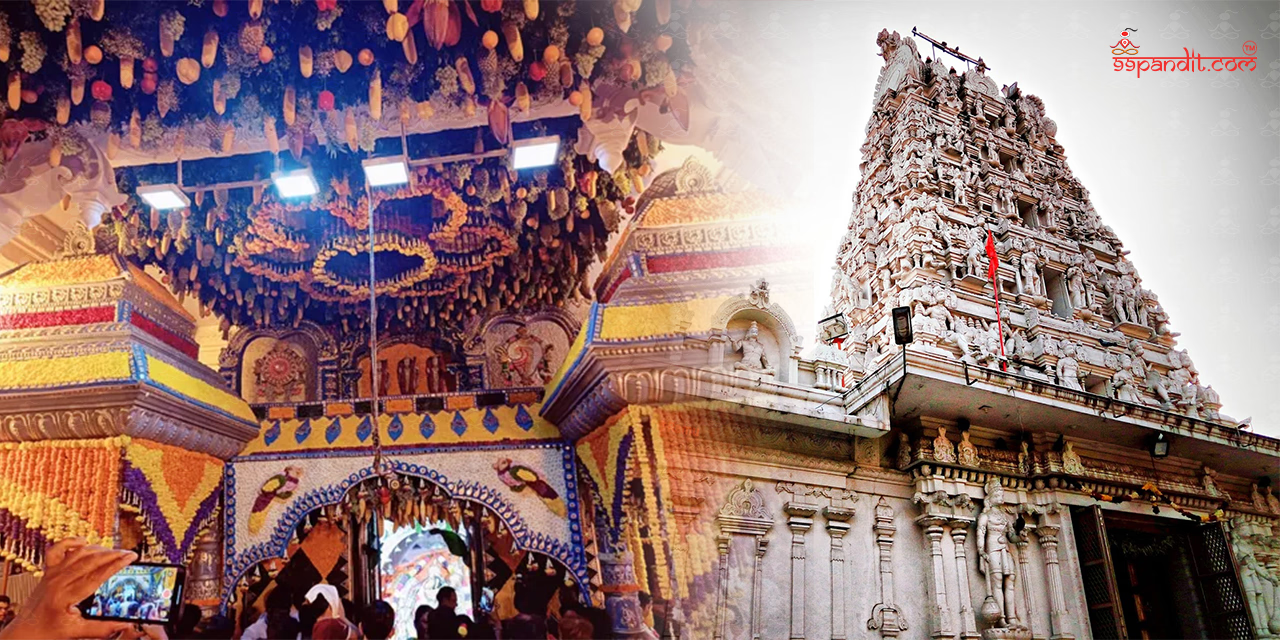
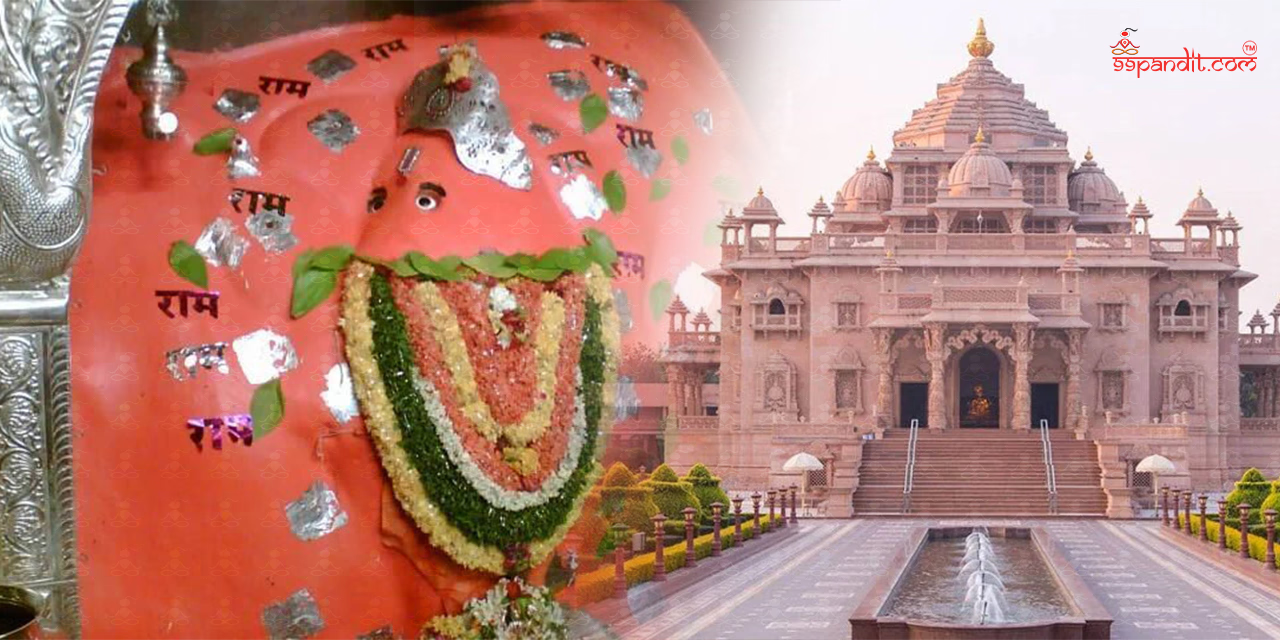
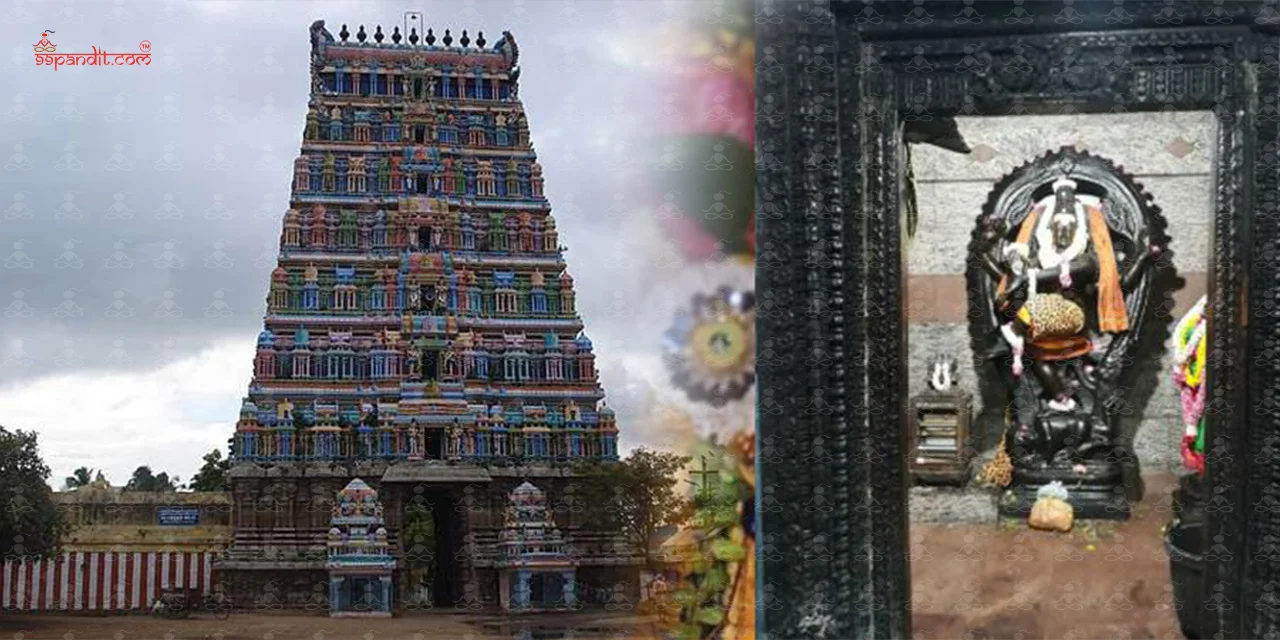
Goravanahalli Mahalakshmi Temple: Darshan Timings, History & Significance

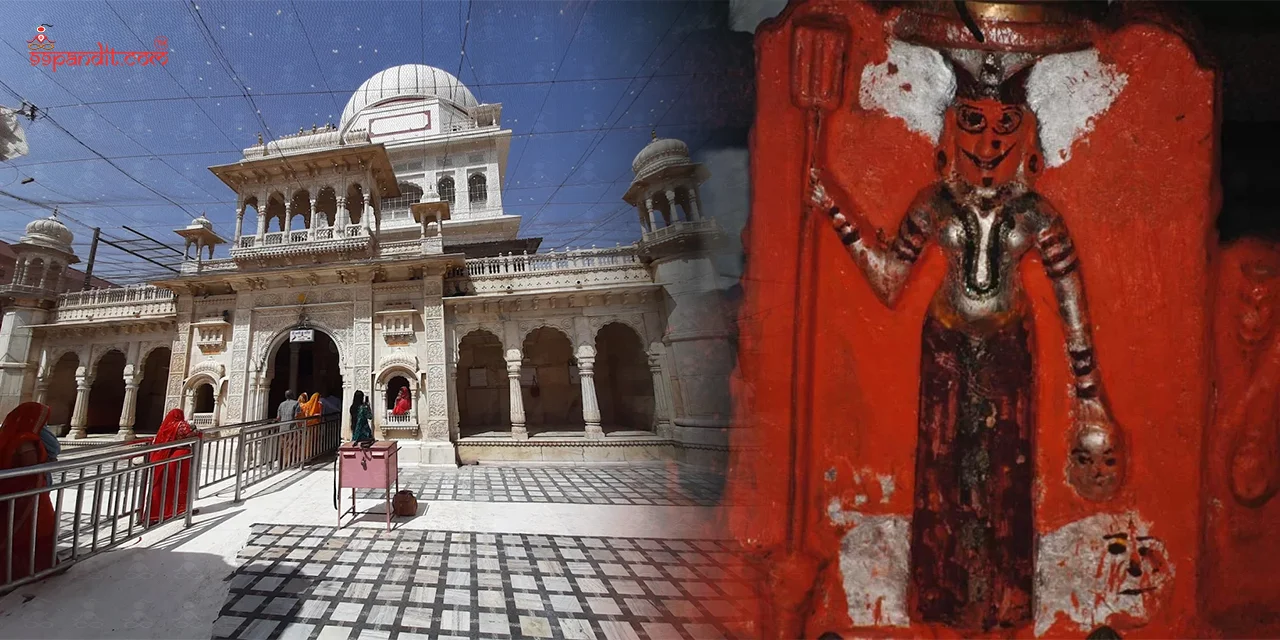
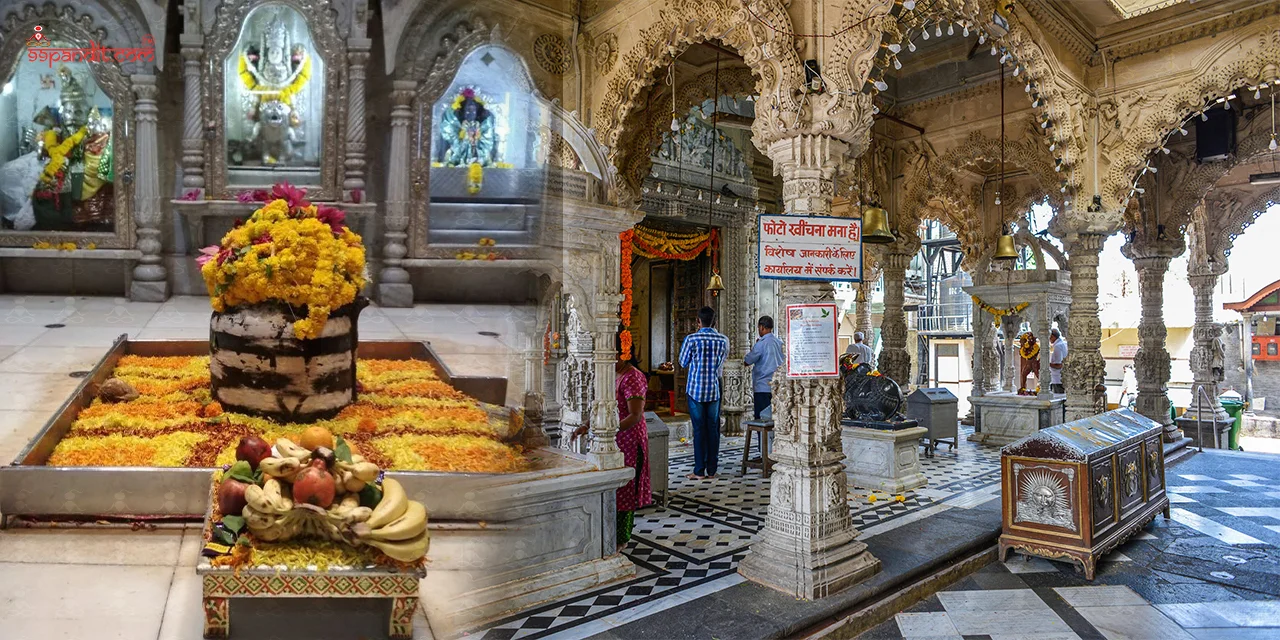
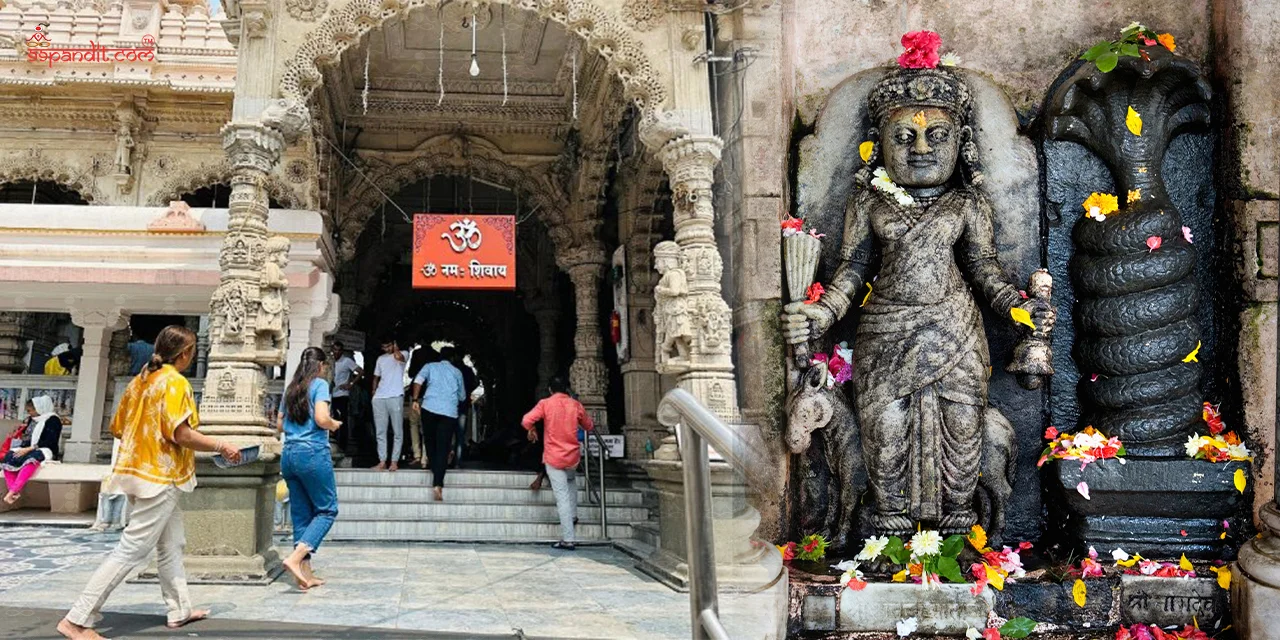
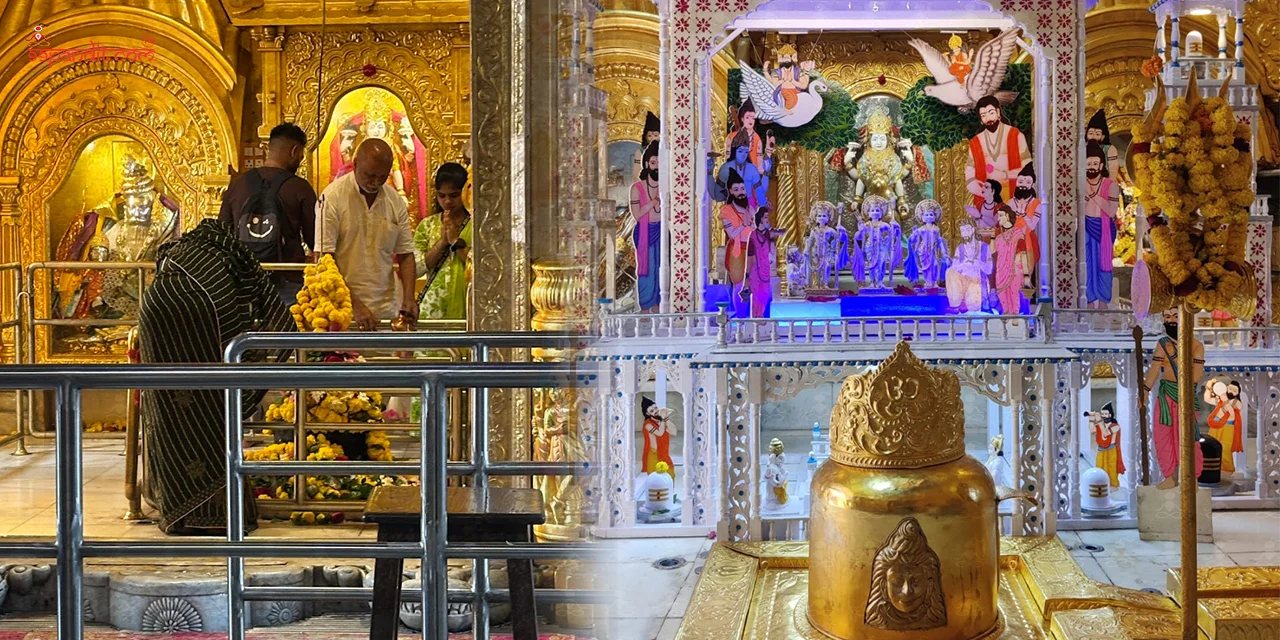
The Goravanahalli Mahalakshmi temple is located in Karnataka, one of the most auspicious temples. This is dedicated to Goddess Lakshmi, who is the deity of fortune, wealth, and prosperity.

The temple is located in the calm village of Goravanahalli in the Tumkur district. This spiritual place draws lakhs of devotees every year from around the country and abroad, who come to seek divine blessings and religious peace.
Goravanahalli Mahalakshmi Temple

The temple, rich in historical significance, evolved from a humble home shrine to a renowned spiritual destination.

The story began when a cowherd named Abbayya found a self-manifested idol of Lakshmi.

Honouring the deity blessed him with unimaginable prosperity, and the place became known as Lakshmi niwas. Suppose you’re considering seeking Goddess Lakshmi’s blessings.

In that case, this guide will cover everything to ease your trip, whether it’s about darshan time, daily puja schedule, online darshan ticket booking, VIP special passes, or unknown facts that can make your journey memorable.

Darshan Timing of Goravanahalli Mahalakshmi Temple

Considering visiting the Goravanahalli Mahalakshmi abode in 2025? These are the complete and updated details to schedule your divine journey to make the most of it.

The temple welcomes devotees every day with not only a religious uplifting experience but also gives calm morning and evening darshan sessions in the core of Tumkur district, Karnataka.

This is the latest time chart of temple darshan:

Day Darshan Type Timings
Monday to Sunday Temple Opening Time 6:00 AM
Monday to Sunday Morning Darshan 6:00 AM – 12:30 PM
Monday to Sunday Temple Break 12:30 PM – 5:30 PM
Monday to Sunday Evening Darshan 5:30 PM – 8:00 PM
Monday to Sunday Temple Closing Time 8:00 PM


Origin & History of Goravanahalli Mahalakshmi Temple

The spiritual legacy of the Goravanahalli temple is associated with divine miracles and decades-old devotion.

The legend says that a cowherd named Abbayya started honouring the idol when he found a self-manifested idol of Goddess Mahalakshmi near a pond in the Goravanahalli village in Tumkur district.

When he started honouring the idol with utmost devotion, his once-humble life changed, and his home became popularly known as Lakshmi niwas, which means ‘Abode of Lakshmi’.

After Abbayya’s demise, his brother Thotadappa followed divine dreams and visions and built the first shrine dedicated to the Goddess.

The temple achieved true popularity in 1925, when a devout woman called Kamalamma played an important role in reviving the complex.

Her tireless efforts, the temple redesign, rituals performed, and the sacred energy of the temple flourished.

Her utmost dedication made the humble structure into one of the most visited temples of Karnataka, attracting lakhs of devotees every year who invoke the Goddess Mahalakshmi, the divine giver of wealth, health, and happiness.

Quick Facts of Mahalakshmi Temple

Aspect Details
Temple Name Sri Mahalakshmi Temple, Goravanahalli
Location Theeta Post, Koratagere Taluk, Tumkur District, Karnataka, India
Main Deity Goddess Mahalakshmi (Self-manifested idol)
Other Deities Manchala Nagappa (Serpent God), Marikamba
Established By Abbayya & Thotadappa (rediscovered by Kamalamma in 1925)
Architecture Style Traditional South Indian temple architecture with vibrant gopuram
Managed By Sri Mahalakshmi Trust, Goravanahalli
Official Website goravanahallimahalakshmitrust.org
  • Timings: 6:00 AM to 12:30 PM. 5:30 PM to 8:00 PM
  • Pooja Timings: 8:00 AM to 9:30 AM: Kumkuma Archana and Abhisheka
  • Maha Mangalarathi Timings: 9:30 AM, 12:30 PM, and 7:30 PM.
  • Address: Theeta Post, Koratagere Taluk, Tumkur District, Goravanahalli – 572129

Architecture of Mahalakshmi Temple in Goravanahalli

The Goddess Mahalakshmi temple in Goravanahalli is a wonderful example of traditional south indian architecture in the 1900s.

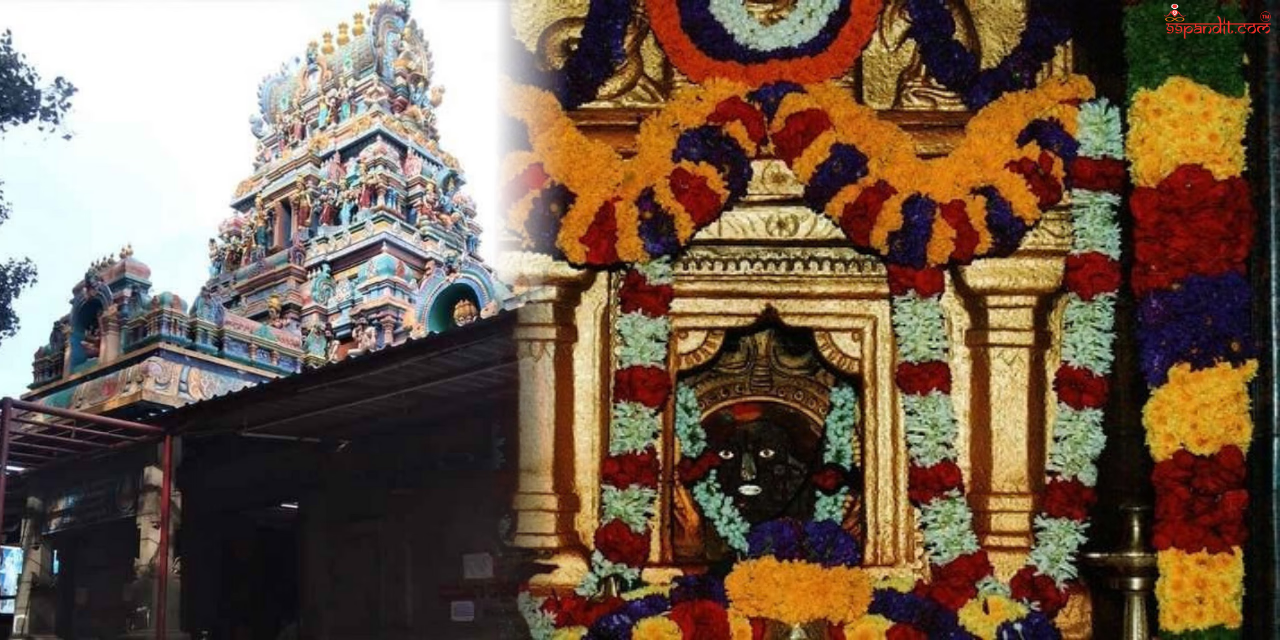
The temple has a large, multicoloured Gopuram with small arches on both sides. The temple even has verandahs on the other side.
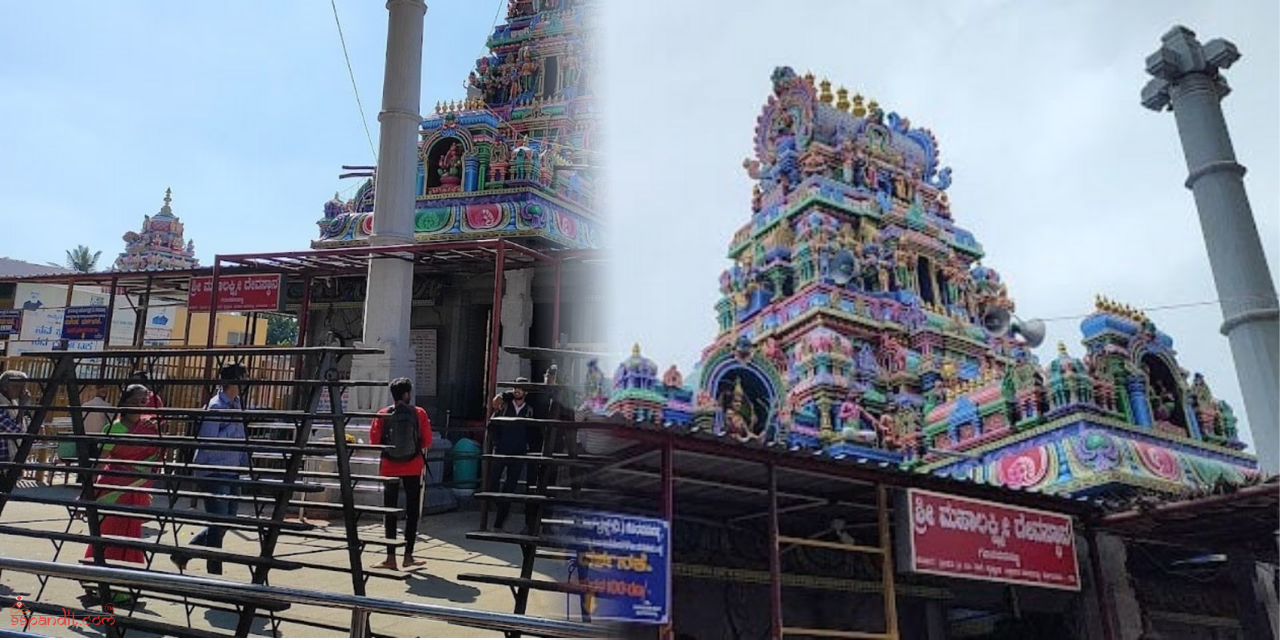
Goravanahalli Mahalakshmi Temple

The main idol is placed in the Garbhagriha or the sanctum shrine. Other idols like Naag dev and Marikamba are also kept in the temple.

The Mahalakshmi Temple is not just a spiritual hub but also a cultural and architectural gem of South India.

The temple represents a classic Dravidian-style gopuram, amazingly carved pillars, and a shrine that shows divine grace and devotion.

You will discover sanctums inside the temple complex dedicated to:

  • Sri Marikamba Devi
  • Sri Manchala Nagappa (Serpent God)

The temple is stunningly covered by lush green landscapes and the calm Theetha reservoir, which adds to the peaceful and divine ambiance.

It’s the right combination of spirituality and natural beauty. This makes it a must-visit place in Karnataka.

Festivals & Rituals of the Goravanahalli Mahalakshmi Temple

The auspicious place is popular for its vibrant festivals, which attract a huge number of followers every year:

Varamahalakshmi Festival: Organized with brilliance, this festival consists of special floral decorations, homas (ritualistic fires), and cultural activities.

Lakshadeepotsava: Scheduled during the month of Kartika, the temple is adorned with thousands of oil lamps, forming a mesmerizing spectacle.

Amavasya and Pournima Poojas: Special rituals are scheduled on new moon and full moon days, involving the Vaibhava Lakshmi Pooja and Satyanarayana Swamy Pooja.

Another auspicious ritual is the regular Abhisheka (ritual bathing of the deity) and Kumkuma Archane (offering of vermilion), which are conducted daily, with Maha Mangalarathi (big offering of light) accomplished at specific times.

Poojas at Goravanahalli Mahalakshmi Temple

The Mahalakshmi temple in Goravanahalli is not only known for its serene environment but also for its powerful daily puja and sevas offered to the goddess.

This is the way to invite prosperity, wealth, and religious fulfilment. Every ritual performed here has huge spiritual significance and is performed with devotion and discipline.
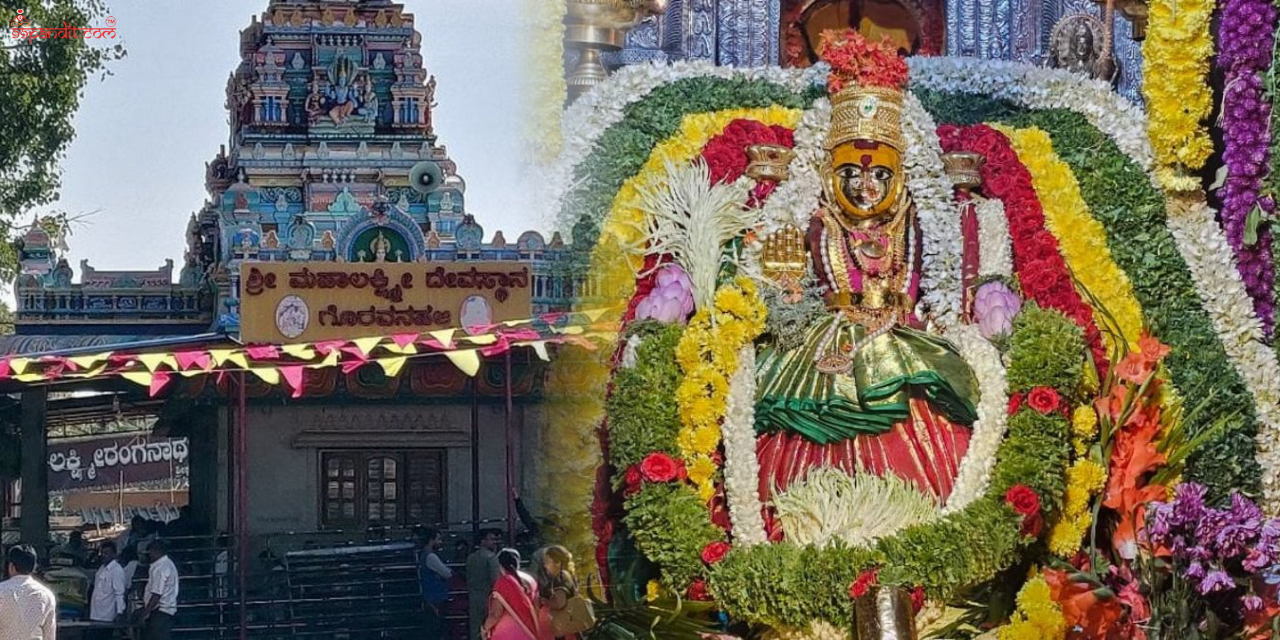
Goravanahalli Mahalakshmi Temple

This is the list of popular puja and abhishekam performed at the temple, including their timing:

Ritual Name Days Offered Timing
Kumkum Archana Monday to Sunday 8:00 AM – 9:30 AM
Abhisheka Monday to Sunday 8:00 AM – 9:30 AM

Note: Timings may differ during festivals and special occasions.

Goravanahalli Mahalakshmi Temple Special Online Sevas

Can’t be available in person, but want to offer your prayers to the goddess? The temple has special offerings that can be made online through its official website.

  • Panchamruta Abhisheka
  • Mahalakshmi Homa
  • Kumkumarchane
  • Chandi Homa
  • Tulabhara Seva
  • Shashvatha Pooja
  • Namakarana (Naming Ceremony)
  • Aksharabhyasa (Initiation to Learning)

Special Darshan (VIP) Ticket Details of Temple

Are you looking for a convenient and faster way to seek Goddess Lakshmi’s darshan? As the temple does not offer a traditional VIP darshan, it provides an affordable and time-saving alternative – special Darshan passes.

The devotees can get the special darshan queue in just 50Rs, which significantly lowers the waiting time than the general line.

It’s the perfect option for those who visit on busy days such as Fridays or festive occasions.

Darshan Type Ticket Price Benefits
General Darshan Free Standard Queue
Special Darshan ₹50 (for 2) Faster Entry, Less Waiting


Places to visit near Goravanahalli Mahalakshmi Temple

Devnarayandurg Fort

Chikka Devaraja Wadiyar developed the fort in the 17th century, the 14th king of the Wadiyar emperor of Mysore.

The fort was also called Devnarayandurg, which means ‘Devraj’s fort’. If visiting this fort, there are no food stalls along the entire way, so bring enough food and water.
Goravanahalli Mahalakshmi Temple

You can also prepare your visit to the fort to catch the setting sun. Alongside, there are many things to do in Tumkur that you can enjoy with your family and friends.

Namda Chilume

Namda chillum is thought to be the starting point of the popular Jayamangali river. This is a perennial natural spring that has historical significance.

It falls out of a large hole in a dark, desolate rock. According to history, Lord Ram took a night break near Namda Chilume during his journey to rescue Maa Sita.

The next morning, he shot an arrow into a rock when he wanted to apply vermillion to his forehead. Thus, spring erupted.

The next morning, he shot an arrow into a rock when he wanted to apply vermillion to his forehead. Thus, spring erupted.

Devanarayandurg State Forest

Devanarayandurg State Forest is another spot to visit after taking darshan in the temple. It is at such a height that you can shop for lots of woollen clothes.

The forest is spread over 42 square km and has been safeguarded by the Karnataka state since 1853. Its highest point is 3,940 feet.

This is a home to an impressive wide wildlife, including langurs, chitals, wild boars, leopards, and tigers, which are usually elusive.

How to Reach this Goravanahalli Mahalakshmi Temple?

Air:

Bangalore International Airport is the closest airport to Goravanahalli Mahalakshmi Temple, which is approximately 77 km away from this temple.

Continuous flights run to Bangalore airport from all the metro cities of India. To get to the temple, you can book or hire any kind of transport from outside the airport.

Train:

Tumkur railway station is the nearest station to the temple, which is approximately 32 km away.

You can easily reach the temple from here by booking any kind of transportation from outside the temple.

Road:

There are regular buses operated by KSRTC, and private buses run between Bangalore and Goravanahalli to visit this temple.

You can also easily get to this temple by your own vehicle, as its roads are well linked to the rest of the country.

Conclusion

The Goravanahalli Mahalakshmi Temple stands as a beacon of belief and devotion, giving solace and blessings to all who look the grace of Goddess Mahalakshmi.

Its rich history, intricate beauty, and spiritual environment make it a must-visit place for followers and tourists alike.

Apart from it, if you’re facing any issues or problems in daily life, you can book a pandit from 99Pandit to relieve you from troubles.
Kale Hanuman Ji Temple: Timings, History & Significance

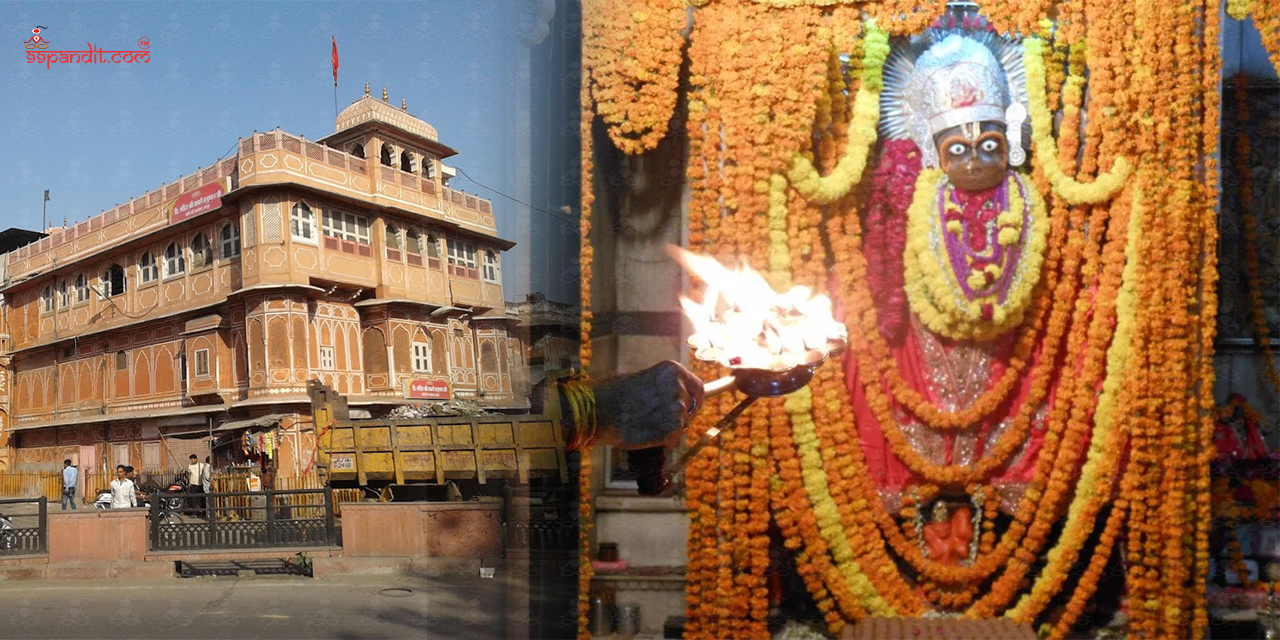
Jaipur, the Pink City, is famous for its palaces, street markets, and temples. One among them is the Kale Hanuman Ji Temple, which is distinct in its existence and form.
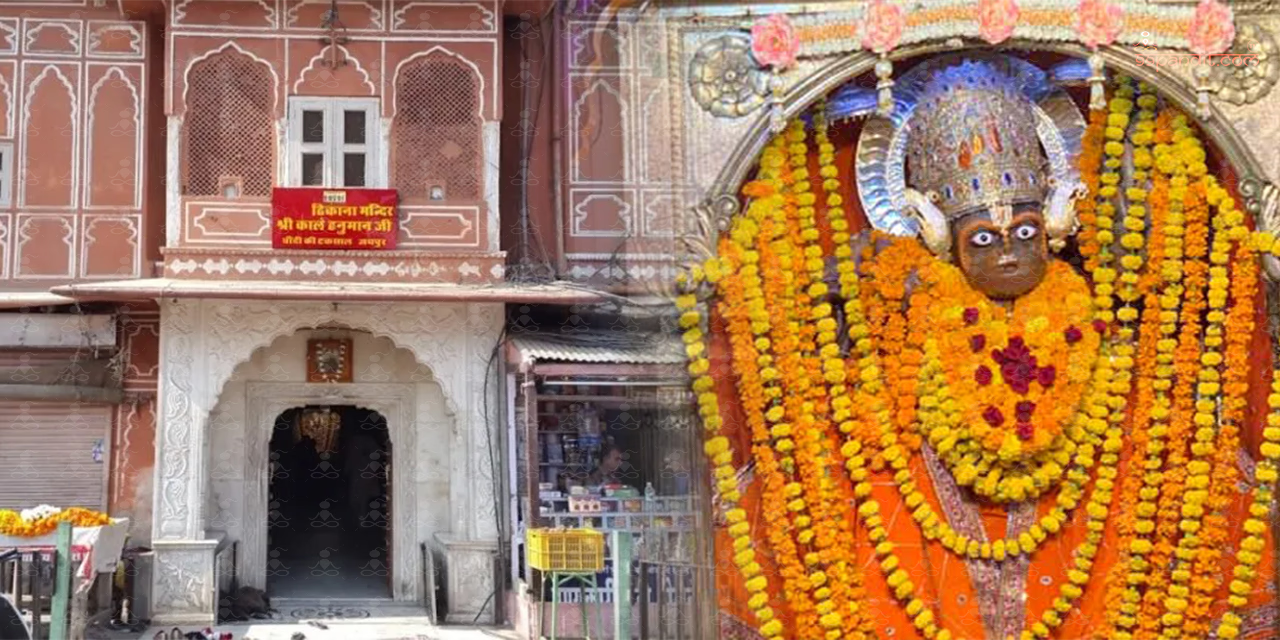
Whereas Hanuman Ji is generally worshipped in a form adorned with red or vermilion, this temple shows His black form- a symbol of strength, protection, and devotion.

Kale Hanuman Ji Temple

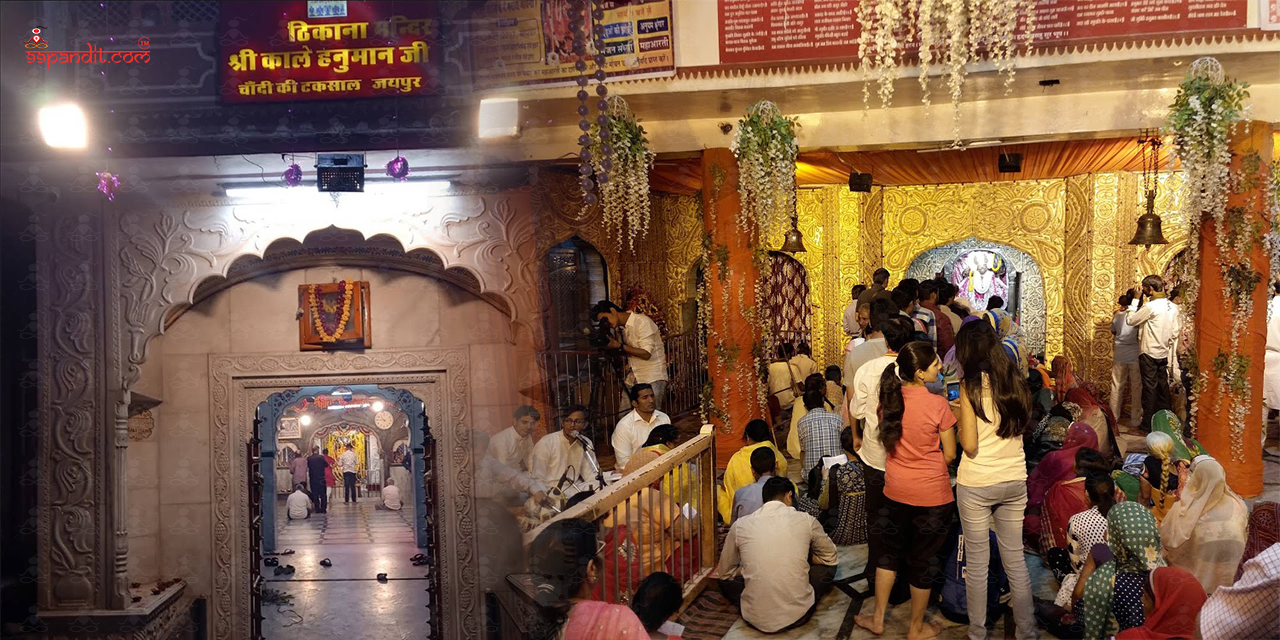
This temple is located in the old megacity of Jaipur, near Chandpole, and is the center of faith for thousands of addicts.

Every Saturday and Tuesday, the place is crowded with devotees – people come with their sorrows and pains and pray for protection and strength from Lord Hanuman.

In this article, we will learn the history of this form of Lord Hanuman, its spiritual significance, and the special rituals that take place here, which make it a unique and powerful place.

Kale Hanuman Ji Temple Timings

The best time to visit the Kale Hanuman Ji Mandir is on Tuesday and Saturday, as there is a huge crowd of Hanuman Ji devotees on these days. On these holy days, special poojas and bhajans are organized here.

Morning Hours:

The temple opens at 5:00 am and closes at 12:00 noon. There is a different kind of joy in going to the temple early in the morning, and the atmosphere of the temple gives a different kind of peaceful and sacred feeling.

Evening Hours:

The temple reopens from 4:00 pm to 9:00 pm. In the evening aarti, the evening ambiance of the temple reveals the spiritual energy of the evening when the devotion of the devotees reflects through the lit-up, glowing lamps.

Festivals & Special Days:

During occasions such as Hanuman Jayanti, Makar Sankranti, and Navratri, the temple is beautifully decorated for these occasions.

Thousands of people visit the temple during these days to have darshan. During such times, the experience of seeing kale Hanuman Ji is even more wonderful.

If you want to have a peaceful darshan and avoid the crowd, then weekday mornings would be the best time.

Historical Background of Kale Hanuman Ji Temple

Located in the heart of Jaipur, the Kale Hanuman Ji Temple is not just famous for its special black form but also has a lot of history and significance.

The history of this temple is many years old, and devotees believe this place was formed by the grace of Lord Hanuman himself.

This idol is made from a single stone, and its form, beauty, and stability are living proof of the sculpture of that time.

Kale Hanuman Ji Temple

The local people and historians say that this temple was founded after a sage saw Lord Hanuman in his dream.

The service and development of the temple from its initial construction till today have made it a sacred and powerful place where thousands of devotees come every year to seek blessings.

To which era is this Temple Connected?

This temple, enshrining Lord Hanuman, has an estimated antiquity of almost 1000 years.

Some folk tales say that it is related to the Treta Yug, when, during the Ramayan era, Hanuman Ji established his different forms to protect the devotees after conquering Lanka. This temple is believed to be a living example of that holy form.

Who discovered this place?

It is said that this holy place was seen by an ascetic saint in his dreams. The name of that saint is not clearly written in history, but it is believed that once he saw the form of Hanuman Ji submerged in the ground near Chandpole.

When he investigated the place, it was actually the same idol. That ascetic revealed this idol and erected a temple of Hanuman Ji at that place. Since then, this place has become a center of faith for devotees.
Which Stone is the idol made of?

This idol is made of a single black stone, which was brought from some ancient stone mine in Rajasthan.

The idol is made of a pure black stone like basalt or granite, which is neither broken nor worn out.

A statue made of such a stone is considered a symbol of immortality and physical power.

Who made the statue?

Some ancient sculptor, who was also a devotee and a master craftsman, made the statue.

Lines all over the statue, the sharpness of the eyes, and the steadiness of expression all indicate that the sculptor carved the statue not only with the hands but with the mind.

This statue is also considered “swayambhu,” that is, it appeared on its own, so the work of lighting it was only to illuminate it.

Who built the temple?

The King of Amer, Jai Singh, built the Kale Hanuman ji temple near Jal Mahal. A full-faced statue of Hanuman is installed here, which is considered the protection of the city inside the Sangeneri Gate.

There is a special crowd here on Tuesdays and Saturdays, and devotees believe that this temple removes all troubles from their lives.
Religious Significance and Devotee Beliefs

This form of Kale Hanuman Ji is not just an idol for people; it is a symbol of living force. It is believed that this form removes dark influences, evil eyes, and protective powers from the lives of devotees.
The black form of Hanuman Ji is especially important for getting rid of diseases and increasing morale.

Many people say that after coming here, they won court cases, pending work in their career was completed, health issues were resolved, or some unknown fear ended.

People offer red sindoor, jasmine oil, and saffron here and pray from their hearts. Hanuman Ji is considered “Rakshak” and “Bal Pradata” in this form. There is special importance in visiting here on Tuesdays and Saturdays in a special way.

Devotees believe that if someone visits Hanuman Ji in his mind for 11 Tuesdays and recites Sankatmochan Stotra or Hanuman Chalisa by taking his name, then all his obstacles, house defects, and mental weakness get removed.

Some people even say that people suffering from the state of peace get peace in this temple, because Kale Hanuman Ji controls the effect of Shani Dev.

This temple is a source of strength for every person who is broken from within, feels lonely, or is getting defeated again and again in life.

The place is so pure and sensitive that if someone comes here even once, they remain connected to the heart repeatedly.

Specialty of the Idol – A unique form that mesmerizes the mind

One of the first things you notice when looking upon the idol is that you have a feeling of strength and an extraordinary peace in your mind.

The black form of Hanuman Ji is regarded as a representation of strength, heroic, and protective powers.

When you look into his eyes, a strange combination of compassion and anger is seen – as if he is saying, “I am here, don’t be afraid.”

The structure of the idol is in accordance with ancient times, but it has a lively touch. It seems as if Hanuman Ji himself is present there.

Hanuman Ji is seen in a standing form in the idol, with a Mace (Gada) in his hand and a deep strength and a glow of submission on his face.

His black colour, which some people find unusual at first, is a reflection of his protective form.

It is said that this idol is self-manifested, that is, it appeared on its own – it was not made by any artist, rather some ascetic had a vision of this form in his dream.

The vermilion, jasmine oil, and saffron applied to it further intensify its powerful form. When the light of the arti falls on it during worship, its form appears even more amazing and lifelike.

Raghunath Ji Temple – A Unique Darshan of the Divine Forms of Ram and Vishnu

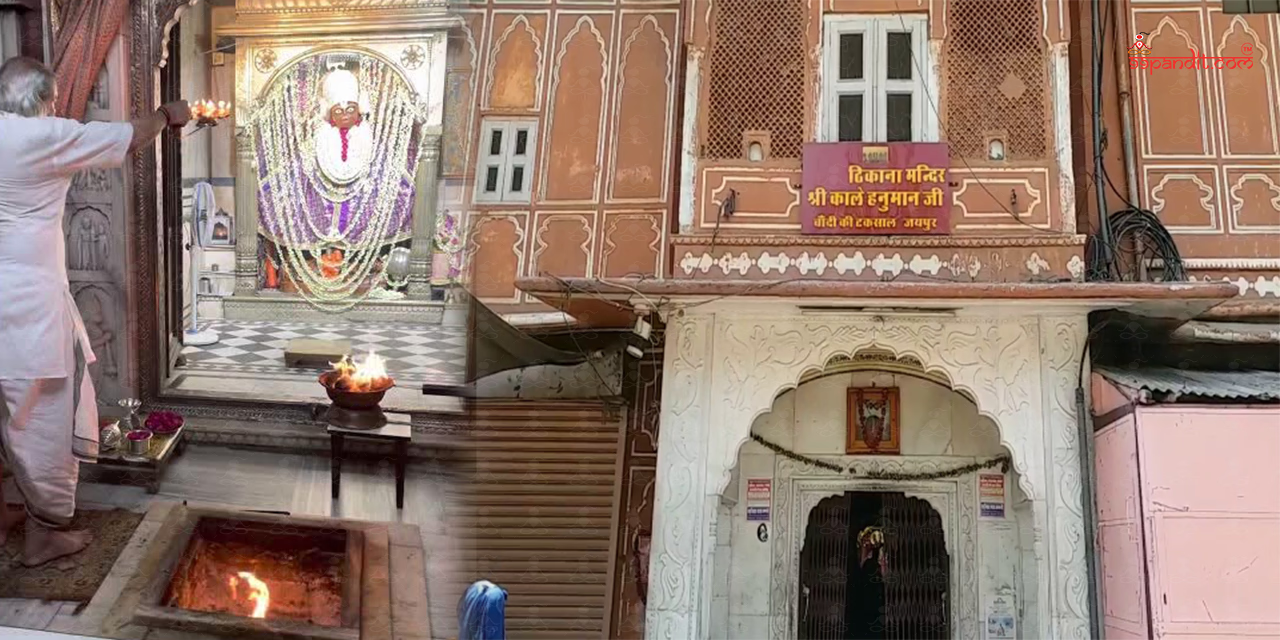
There is another holy place inside the Kale Hanuman Ji Temple – Raghunath Temple.

This temple is different because here Lord Rama, Mata Sita, Lakshman Ji and Lord Vishnu all are seated at one place, who normally are not found together in such separate forms in any other temple.

The sculptures in the temple depict a scene from Sita Swayamvara, when Lord Rama broke Lord Shiva’s bow. In this form, Rama and Vishnu are worshipped together.

Kale Hanuman Ji Temple

Along with Lord Ram, Laxman Ji also stands, who always stays with his brother – his form symbolizes bravery and service for the devotees.

Lakshman Ji’s idol is established here with devotion and a protective spirit, just as he always stays with Ram Ji in his religion and dignity.

For the devotees, this temple is such a place where they get to see the love of brother-brother, the faith of husband-wife, and the infinite form of Vishnu together.

This place is also considered special for those people who want peace, brotherhood, and respect in their family. The peace and sanctity of this place completely calm the minds of the devotees.

Unique Rituals and Daily Worship Practices

1. Morning and Evening Panchamrit Bath:

Every day, milk, curd, ghee, honey, and Ganga water are offered to the idol of Hanumanji.

2. Applying Jasmine oil and orange sindoor:

After the bath, devotees offer him jasmine oil and sindoor, which are symbols of his strength and his eternal devotion & love towards Shree Ram.

3. Wearing Colored Clothes Despite the Black Idol:

Here, Hanuman Ji’s statue is completely made of black stone, but he is dressed in new, colourful clothes every day, which makes his devotional form even more interesting.

4. Special Puja on Tuesday and Saturday:

On both these days, the temple is especially crowded with devotees. Hanuman Chalisa and bhajans create an atmosphere of devotion.

5. Offering of coconut, red flowers, jaggery, and laddus:

These items are offered to Hanuman Ji by the devotees – it is believed that Hanuman Ji is pleased with this offering.

6. Eleven Tuesdays or fast of one rosary:

Several devotees keep fast on 11 Tuesdays or chant “Jai Hanuman” 108 times to fulfill their desires.

7. Sound of Bells and Bhajans in the temple:

During the Puja, in the whole palace, there is devotion from everyone when the temple bells ring and the bhajans are being played at the temple.

8. Worship with reverence and dignity:

The temple’s Priests serve and worship Lord Hanuman with full devotion every day, without any mistake.

“The Mystery of Kale Hanuman Ji: The Story of Shani Dev and Guru Dakshina”

This story is of ancient times, when Hanuman Ji went to Surya Dev to acquire knowledge.

Hanuman Ji’s objective was clear: he wanted knowledge of the Vedas, the Shastra, the Ayurveda, and the Jyotish, so that he could do good to the world.

Surya Dev saw his pure heart and made him his disciple. Hanuman Ji learned with all his heart and dedicated himself at the feet of his Guru.

Kale Hanuman Ji Temple

When the education was complete, Hanuman Ji said to Surya Dev – “Gurudev, I want to give you Guru Dakshina, please tell me what you want.”

Surya Dev remained silent for some time, then said, “Hanuman, I do not need any object. If you bring back my son Shani Dev, who is separated from me, then it will be my Guru Dakshina.”

Hearing this, Hanuman Ji immediately went to Shani Dev’s tapasya sthal. He requested to meet Shani Dev, but Shani Dev refused.

He said, “I do not meet anyone. My job is to give justice to people for their deeds.” Shani dosh is very bad for people, somehow. When Hanuman Ji prayed to Shani Dev, Shani Dev cast his blessings on him.

It is said that whoever comes under the influence of Shani Dev, hardship and bad luck begin in his life.

Hanuman Ji’s entire body turned black, but his love and devotion never wavered. Shani Dev’s mind melted due to his feelings.

Then Shani Dev gave a boon – “Whoever takes Hanuman Ji’s name in my condition, I will not have any effect on him.”

Due to the effect of this sight, Hanuman Ji’s form turned black, and this holy form was established in Jaipur’s Kale Hanuman Temple.

Even today, people worship Kale Hanuman Ji to save themselves from Shani’s condition.

How to Reach the Kale Hanuman Ji Temple in Jaipur

Kale Hanuman Ji Mandir is located in Janta Market (inside Chandpole) near Hawa Mahal Road.

It is situated between the beaches of Jaipur, so it is easily accessible for locals as well as tourists.

Walking & Rickshaw

If you are headed towards Hawa Mahal or City Palace, this temple is just a few minutes’ walking distance.

Just enter Janta Market – you will find Kale Hanuman Ji Mandir just opposite Kale Restaurant.

Cycle-rickshaw or auto is easily available – just saying “Kale Hanuman Ji Mandir, Janta Market” is enough.

Metro & Bus

Nearest Metro Station: Chandpole Metro Station (Pink Line). From there, you can easily reach the temple in 10-15 minutes by taking an auto or a cab.

If you come from the Sindhi Camp Bus Stand in Jaipur, the journey to the temple takes about 20-25 minutes by cab or rickshaw.

Cab / Taxi

Taxis are easily available from Jaipur Railway Station or Airport & Ola/Uber are also available to Kale Hanuman Ji Mandir. It is about 10-11 km from the station and 13-14 km from the airport.

Conclusion

Jaipur’s Kale Hanuman Ji Temple is not just a religious place, but a living symbol of faith, power, and protection of devotees.

The black form of Hanuman Ji here shows his penance, sacrifice, and his power to protect from the effects of Shani Dev.

The atmosphere of this temple is unique and full of peace and divinity, where people come not only to fulfill their wishes but also take the name of Kale Hanuman Ji to get freedom from Shani Dosh.

Raghunathji temple is also located inside the Kale Hanuman Ji temple, where we can see lord Ram, and Goddess Sita along with Vishnuji.

This temple reminds us that any evil, any pain, can be removed with true devotion, humility, and sincerity.

Come to Jaipur and fill your soul with a different kind of peace by having the darshan of Kale Hanuman Ji.

Kalika Mata Temple: Timings, History, & Darshan Guide

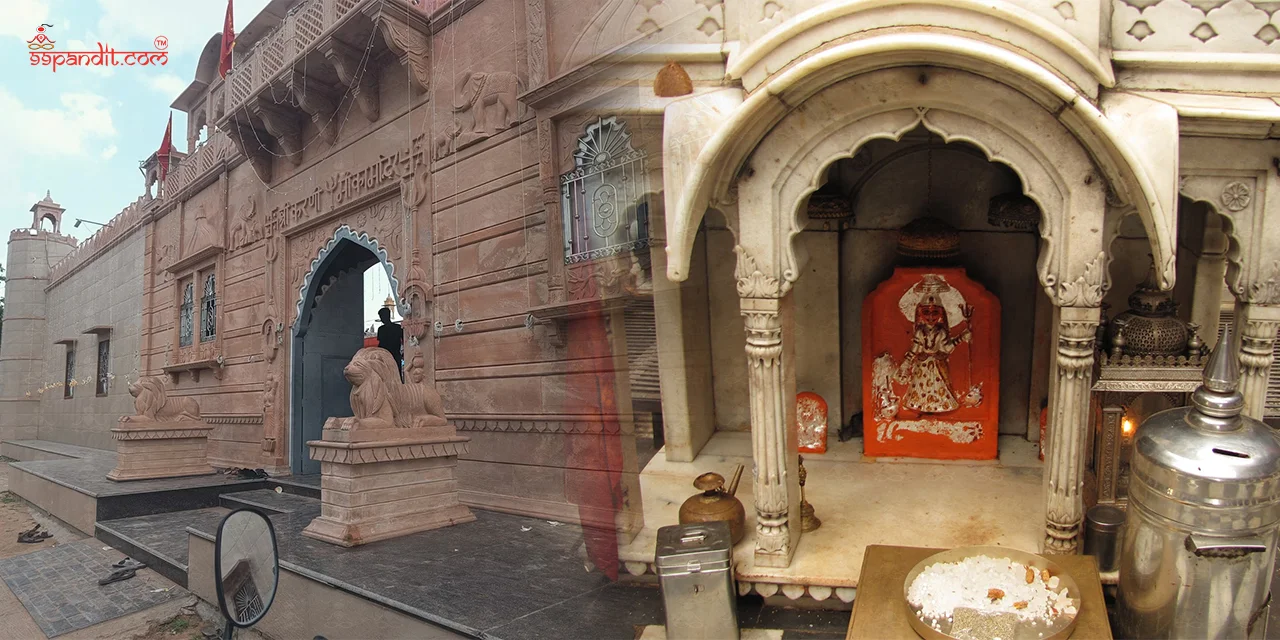
Kalika Mata Temple in Chittorgarh, Rajasthan, is devoted to Goddess Bhadrakali, a powerful form of Maa Durga.

It was formerly built as a Sun Temple in the 8th century, and after an invasion by the Mughals in 1303, the temple was restored as a Kalika Mata Temple in the 14th century.

Since the temple ruins were restored from the Sun Temple to the Kalika Mataji Temple. The history and culture of Rajasthan are very ancient.

Kalika Mata Temple

The Temples and forts here have miraculous tales that will tell you the bravery of the Rajputs of Rajasthan.

Kalika Mata Mandir in Chittorgarh is one of them. Thousands of pilgrims came here to pay their respects to this temple.

Today, we will discover the untold and hidden facts about this Kalika Mata Temple in Chittorgarh. We will learn about the history of this temple.

You will also learn the timings and the Darshan guide of the temple. Stick to this article to uncover this holy temple with 99Pandit.

Darshan Timing of the Kalika Mata Temple in Chittorgarh

In this section, we will learn about the Darshan and Aarti timings of the Kalika Mata Temple in Chittorgarh. Rajasthan. The Temple is open for all devotees and tourists.

Lakhs of devotees and tourists visited the temple from all over the world. The temple is situated inside the Chittoragrh Fort near Rani Padmini Palace.

The temple is open for darshan from 4:00 am. Mangala Aarti is performed first in the temple. People also come to visit during the Mangala Aarti at 4 am.

There is a divine atmosphere during the Navratri festival. The temple is filled with devotees during Navratri.

The temple remains open till 8 PM daily. Even today, every Sunday, Paati is offered to Maa Kalika.

Devotees come from far and wide to pray to Maa Kalika, offer Paati, offer Prasad, and sacrifice buffaloes and goats.

Darshan Timings

Description Time/Info
Temple opening hours Open daily
In the morning 06:00 AM – 12:00 PM
In the evening 04:00 PM – 08:00 PM
Entry Fee Zero (Free Entry)


Aarti Timings

Aarti Description Timings
Mangala Aarti  4:00 AM
Balbhog Aarti  10:00 AM
Sandhya Aarti 7:00 PM
Shayan 8:00 PM


Kalika Mata Temple: Darshan Guide

Kalika Mata Mandir is found on the top hills in Chittorgarh, Rajasthan. It stands as a symbol of devotion and an architectural marvel.

You will feel a sense of existence while taking in the views presented by nature. If planning on visiting Rajasthan, be sure to add this site to your visit list and enjoy the views.

Kalika Mata Temple

The Kalika Mataji Mandir architecture combines Rajput and Mughal architectural styles.

The Mandir showcases intricate carvings, ornate domes, and finely detailed sculptures that reflect the region’s rich cultural heritage.

Tips for Kalika Mataji Temple

  • To avoid a long wait, visit the temple early in the morning.
  • The next advice when visiting any places in the hills is to always wear comfortable shoes. Keeping this in mind, the climb from the gate to the temple and from the temple to the fort can be very tiring. Be sure you are in comfy clothing and shoes that will not bother you when walking.
  • Kalika Mata Mandir can get busy with devotees. Be sure to bring your own water bottle. On hot days, the waiting line can make you feel thirstier than you actually are.
  • The best time to visit the Kalika Mata Temple, in Chittorgarh, is during cooler times, October to March.
  • During this time, the other temperature levels are cooler and much less oppressive, which is perfect for leisurely walking around the temple and its surroundings without the intense heat found in the Rajasthan summer months.
  • It is highly advisable to avoid the summer months before the monsoon season (April to June) when Rajasthan is hot and will experience hot temperatures of around 40 degrees Celsius (104 degrees Fahrenheit) or much more. These temperatures for extensive periods make sightseeing, outdoor activities, and exploration almost unbearable.
  • Planning the trip to visit the Kalika Mata Temple during a cooler time of the year has many advantages in terms of a pleasurable experience with pleasant conditions during your endeavor.

History of Kalika Mata Temple

Kalika Mata Temple is at the eastern end of Chittorgarh Fort, near Rani Padmini Palace. Previously, it was a temple of Lord Surya, built in the 8th century by Bappa Rawal of the Sisodia dynasty.

The Mughals attacked the fort, smashed the idol of Lord Surya, and destroyed the temple, and it has been in this state for a long time.

Then, in the 14th century, Maharana Hamir Singh and the entire city’s residents built the temple.

Kalika Mata Temple

With complete carvings, Maharana Hamir installed the idol of Maa Bhadra Kalika after worshipping her with great pomp.

In the 16th century, Maharana Laxman Singh lit the eternal flame that still exists in the sanctorum of the temple.

Maa Kalika apparently appeared in a dream of King Hamir Singh, and King Hamir Singh constructed the idol of Maa Kalika in the same way as Maa Kalika appeared to him.

People also say that the idol of Kalika Maa was taken from a village and installed in the temple. But this is not proven.

Since then, this temple has become famous as Kalika Mataji Temple. Kalika Mata is considered the queen and protector of the entire Mewar.

The Kulswamini of the Sisodia dynasty, Shri Baan Mataji, is also seated in the fort of Chittorgarh.

Kalika Mata is also the Kuldevi of the Parihar dynasty; the entire dynasty was a great devotee of their Ishta Devi Kalika Mataji and Kuldevi Baan Mataji.

Architecture of the Kalika Mata Temple

Kalika Mata Temple was originally constructed in the 8th century by Bappa Rawal to worship the Sun God.

The temple was then inspired by the Gupta period architectural style, a glimpse of which can still be seen in its craftsmanship.

However, the temple suffered extensive damage in the first invasion by Alauddin Khilji in 1303. After this, Rana Hammir rebuilt it in the 14th century, dedicating it to Goddess Kali.

Structure and Key Features

This temple sits on a raised platform and has five chambers, the roofs of which are now in ruins.

The walls of the temple are basic in outline, but the beautifully carved lotus flowers on the cornices are striking to the eye.

The walls of the sanctum sanctorum have images of the Sun God, plastered with Apsaras and his other female companions.

It looks as though the Moon God also has a spot on the walls, indicating that the Sun and the Moon were worshipped in the architecture. The roof of the temple is flat.

The roof supports are quadrangular pillars, having beautiful detail in carved brackets and also carved detail on the flat sections of the pillar.

The door frame of the sanctum sanctorum is extremely magnificent. It has four carved bands, the main theme of which is the Sun God.

Images of other deities are carved in wide panels on both sides of the door, in the center of which the Sun God is again given prominence.

A wonderful balance of beauty and devotion of the Gupta period can be seen in this entire structure.

How to reach Kalika Mata Temple, Chittorgarh

You can easily reach the temple by three modes of transportation. You can come here by flight, train, car, or bus.

Kalika Mata Temple

Regular flights, trains, and bus services are available from many major cities. You can reach by:

Air

If you want to travel by air, the nearest airport to Chittorgarh is Dabok Airport, Udaipur, which is located at a distance of about 70 km from the temple.

Taxi, cab, or bus facilities are easily available from the airport to Chittorgarh. You can reach Chittorgarh by road in 1.5 to 2 hours.

Train

If you travel by train, you will arrive at Chittorgarh Railway Junction, which is about 8 kilometres from Kalika Mata Temple.

You can find taxi, auto, and local transport methods to reach the temple from the train station. Travel time is 15 to 20 minutes.

Road

Chittorgarh is well connected by road to major cities of the state like Jaipur, Udaipur, Kota, Jodhpur, and neighbouring states.

You can also travel comfortably through private cars, taxis, deluxe buses, and AC coaches.

After reaching Chittorgarh, local transport (auto/taxi) facility is available to the fort and the Kalika Mata Temple.

Places to Visit Near Kalika Mata Temple in Chittorgarh

1. Chittaurgarh Fort

When you are planning to visit Rajasthan, you just can not forget to visit the Chittorgarh fort.

It is the largest and historical fort of India, which reflects the glory of Mewar. This fort is a UNESCO World Heritage site.

2. Vijay Stambh

The Vijay Stambh is located inside the fort of Chittorgarh. It was built in 1438 by Maharana Kumbha.

This pillar signifies victory; it took nearly 10 years to build. This pillar rises 12 feet high and is located on a square platform of 2 feet x 2 feet.

3. Padmini Palace

This palace is famous for being associated with the saga of the bravery of Queen Padmini. In this palace, Rani Padmini used to recite. You will feel the rebellious energy here.

4. Kirti Stambh

The Kirti Stambh is also situated inside the Chittorgarh fort. This is a wonderful example of Jain architecture.

This huge pillar is dedicated to the Jain Tirthankara and the great scholar Adinathji. A wealthy Jain merchant, Jija Bagherwal, and his son, Punya Singh, built it in the 13th century.

5. Maha Sati

Maha Sati is a major memorial site where the practice of Sati is commemorated. It is not just a place, but it is a symbol of the ultimate sacrifice made by the women of Chittorgarh.

6. Gau Mukh Kund

It is a natural water source located within the fort. The holy Gaumukh Kund situated to the south of the Mahasati compound is also known as Saas-Bahu and Mandakini Kund.

7. Rana Kumbha Palace

The Rana Kumbha Palace is the centre of attraction for history lovers, which was once the residence of the Maharana of Mewar.

It is a unique example of its historical importance and architecture. Due to the changes and additions made in this palace by Maharana Kumbha, it is known as the Kumbha Palace.

8. Menal Shiva Temple

An ancient and serene place, which looks beautiful, especially during the monsoon. People from all corners of the State flock to take it in. The best time to visit the Menal Waterfall is from July to October.

9. Ratan Singh Palace

This palace, with its beautiful lake and architecture, is worth visiting. The royal family used to reside in this palace during the winter season. This palace and the lake situated at a short distance attract tourists a lot.

10. Sanwariyaji Temple

Located at a short distance from Chittaurgarh, it is important for Krishna devotees. The famous Sanwalia Seth temple attracts lakhs of devotees every year due to its beauty and uniqueness.

Conclusion

The Kalika Mata Temple in Chittorgarh is the most important temple of Rajasthan. The temple was formerly a Sun temple; however, after a Muslim invasion, the temple was changed to the Kalika Mata Temple.

The temple was built in the 14th century from the ruins of the Sun Temple. As stated above, the temple was built by Maharana Hamir Singh of Chittorgarh.

The Kalika Mataji Temple is approved under the state delivery of the Devsthan Department of the Succession Government of Rajasthan.

When Aurangzeb attacked the fort, he attacked the whole fort, and the Kalika Mataji temple with the use of big cannons and destroyed the whole fort, but he could not destroy the Kalika Mataji temple, still in its original condition.

The glory of Kalika Mataji is everywhere in Mewar. So, when are you planning to visit this beautiful temple?

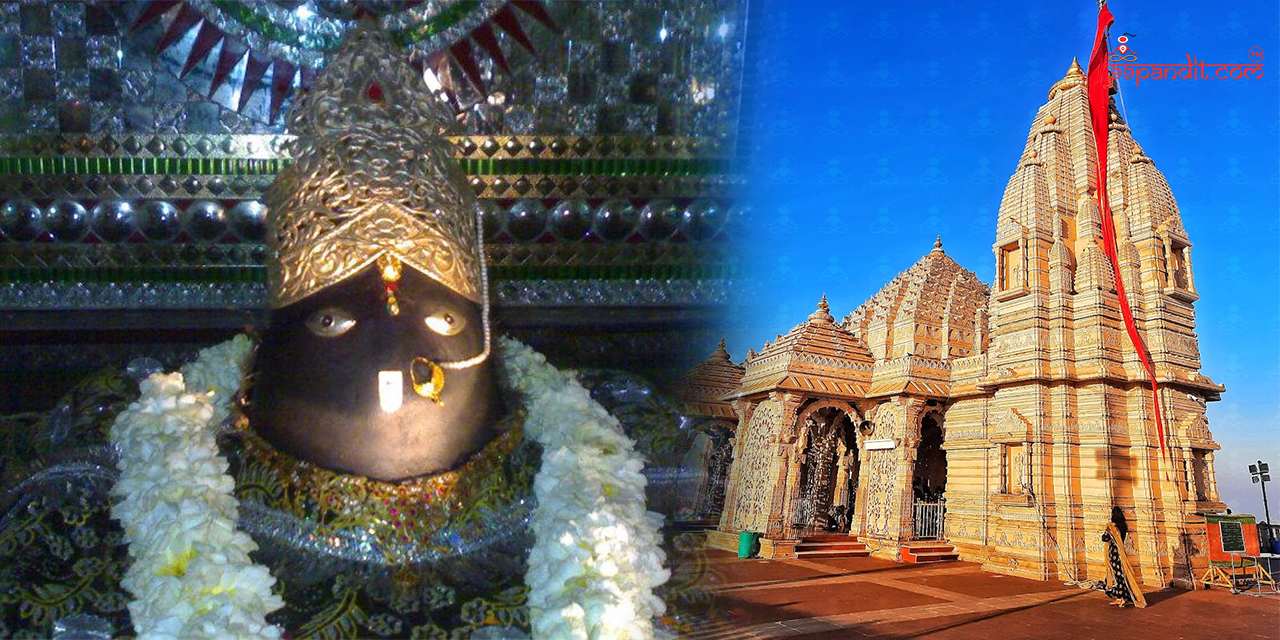
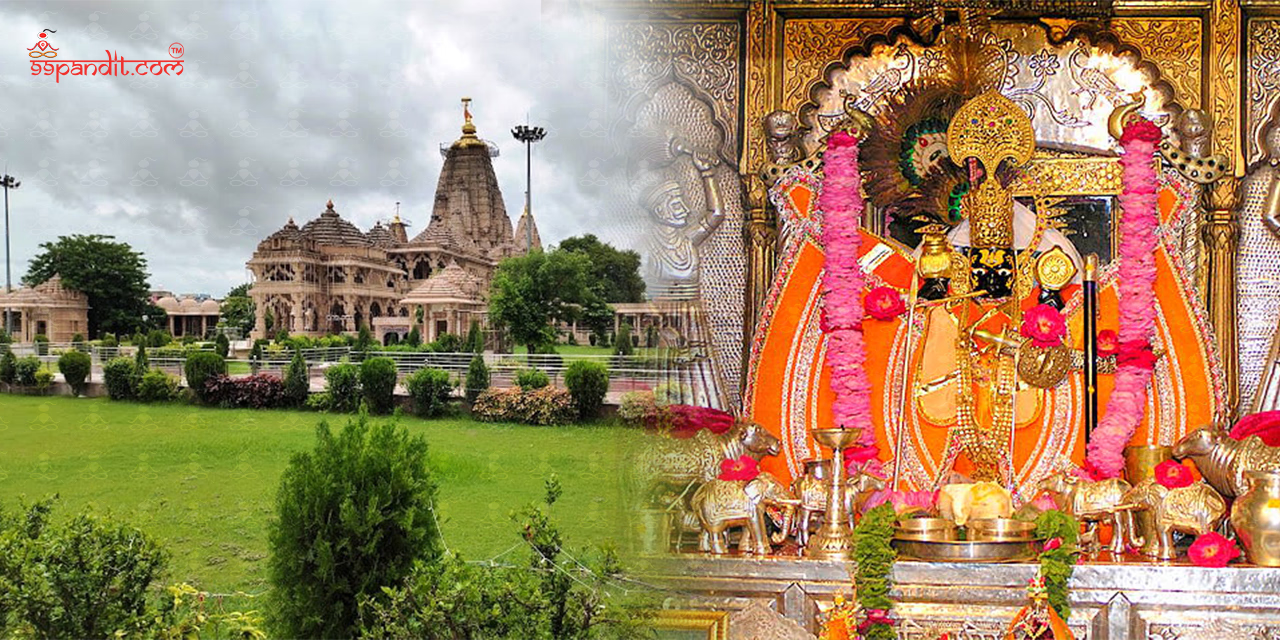
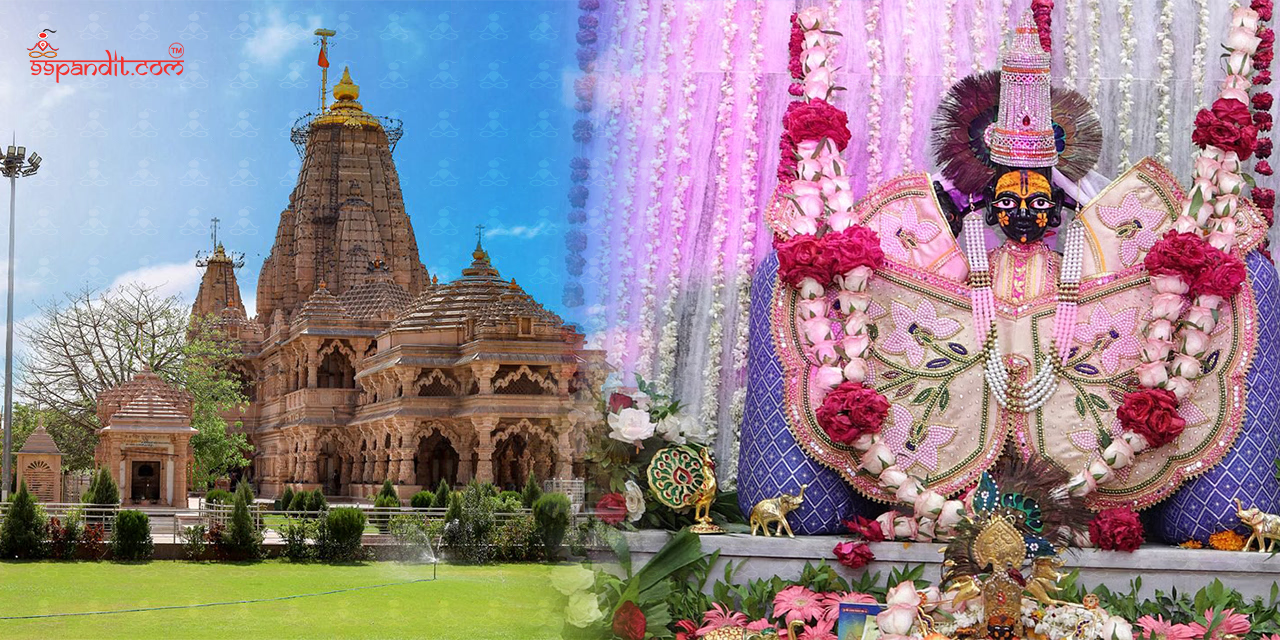
Sawariya Seth Temple: Darshan Timings, History, & Significance

The Northwestern part of India is full of beautiful temples. Among them, one of the well-known temples situated in Rajasthan is the Sawariya Seth Temple.

The sacred temple is dedicated to Lord Krishna, who is worshipped here as “Sanwariya Seth”—the dark-skinned divine.

Also known as “Shri Dham of Mewar,” the temple welcomes millions of pilgrims annually in quest of prosperity, success, and divine favours.

Sawariya Seth Temple

It has a firm faith in Lord Krishna, a great history, and attractive Rajasthani architectural designs.

Other than being a sanctified area of worship, the temple provides a soothing and meditative environment to worshippers.

The temple is claimed to be the most fortunate one for the businessperson, and performing prayers here is auspicious and brings the blessings of the divine.

The sacred environment, lively festive functions, and myths make it an absolute place to visit for Krishna bhakts worldwide.

Let’s get to know Sawariya Seth Temple better through this article, discussing its history, darshan timing, and more.

Darshan Timings of Sawariya Seth Temple

Days Darshan Session Timing (Schedule)
Mon to Sun Temple Opening Time 5:30
Mon to Sun Morning Hours 5:30 to 12:00
Mon to Sun Evening Hours 14:30 to 23:00
Mon to Sun Temple Closing Timings 12:00 to 14:30


Sawariya Seth Temple Puja Timings

If you are also planning a visit to the Sawariya Seth Temple, the ideal time is between October and March.

However, you can experience a high crowd on weekdays or during festive celebrations.

Types of Puja or Aarti Offering Timing Days
Temple Opening 5:30 AM Monday – Sunday
Rajbhog, Aarti, Prasad 10:00 AM to 11:15 AM Monday – Sunday
Morning Aarti 5:00 AM to 12:00 PM Monday – Sunday
Evening Aarti 8:00 PM to 9:15 PM Monday – Sunday
Bhajan and Keerthan 9:15 PM to 11:00 PM Monday – Sunday
Shayan Aarti 11:00 PM Monday- Sunday


About Sawariya Seth Temple

Sawariya Seth Temple is a popular temple situated in Mandaphia Village, on the Chittorgarh-Udaipur road in Rajasthan. It is located near Udaipur city, about 70km.

The pilgrims who hail over the world to worship Lord Krishna worship him as Sanwariya Seth, which is an Indian name of Lord Krishna as a rich benefactor.

In this temple, Sawariya Seth is shown as a dark-complexioned god wearing a crown on his head and decorated with several ornaments. He is seen holding trishul and chakra in his hands.

As the word “Sanwariya” means dark colour and the idol of Lord Krsihna is also black, the name of the place and god justify themselves.

People offer prayers and sweets to deities to seek their blessings. You even know that the temple’s monthly donation collection exceeds Rs. 10 crore.

Known as the “Seth of Seths”, Sawariya Seth is considered a business partner by many people in the business world. Many among them donate some portion of their earnings to this temple.

Additionally, legends believed that anyone who came to this temple empty-handed Sawariya Seth said to fill his life with his blessings. It is an important holy place and close to the hearts of Hindus.

Legends Behind Sawariya Seth Temple

According to legends, the Sawariya Seth temple dates back to the year 1840. The tale of the temple began with a milkman by the name Bholaram Gujar, who had a dream of the divine statues that were entrenched in the earth of Chapar village.

The following day, they were digging it up and found the three figures, like he had seen in his dream.

Sawariya Seth Temple

They are found in three different villages: Bhadsoda Village, Mandphiya Village, and Chapariya Village. Later, temples were built at all three spots.

In which Mandphiya became a sacred pilgrimage destination and is today known as “Sawariya Seth Mandir”.

The former deity of this place is known as “Seth” due to his ability to bless his devotees with success, wealth, and solutions to earthly problems.

Origin and History of Sawariya Seth Temple

The Vedic scriptures state that Lord Krishna appeared as Sawariya Seth to enact the divine will and bestow his divine favour on his devotees.

The rich history and background of Sanwaliya Seth are a testament to the lasting power of faith. Also, the belief in the divine protects and blesses the devoted who pray for his favour.

Through the stories and myths of Sanwaliya Seth, the faithful are inspired, comforted, and deeply connected to the divine.

Years  Event 
1840  The idol of Sawariya Seth was founded in Madaphia
1840s  A small temple is constructed
1930s  The temple is renovated and expanded 
1960s The holy place has gained popularity among the devotees
1992 A trust was appointed to manage the temple 
2000s The temple noticed a surge of devotees
Present  It continues to be an important pilgrimage site in Rajasthan


Religious Significance of Sawariya Seth Temple

The Sawariya Seth Temple is one of the highly visited religious sites by the Hindu people, especially by businessmen.

Being a form of Lord Krishna, Sawariya Seth is said to be an incarnation of love, compassion, and blessings.

Sawariya Seth Temple

Let’s look at some of the aspects that highlight the significance of Sawariya Seth Temple:

1. Fulfilling Wishes

Devotees strongly believe that Sawariya Seth listens to their prayers and grants every wish concerning health, wealth, love life, and well-being.

Most of them visit the temple with specific wishes while having trust in kindness and generosity.

2. Symbolize Krishna’s Love

As an incarnation of Lord Krishna, Sawariya Seth is also famous for divine love and sympathy.

Individuals view him as the personification of these two and ask for his blessings to gain spiritual development and peace.

3. A Major Religious Place

A temple is a popular religious spot in the desert city of Rajasthan. Many people take a visit to this temple to fulfill their wishes, and some even go barefoot to show their devotion to the Lord.

4. Role in Society and Tradition

The temple has a deep influence on society as well as culture. It stages numerous grand events, religious rituals, and cultural celebrations that balance devotion with festivities to the utmost. These activities unite people and reinforce communal ties.

5. Legends and Miracle Stories

In so many years, the temple has been associated with numerous stories. Many devotees share their real experience of getting their wish fulfilled, recovery from illness, and relief from life problems after visiting this temple.

Due to some deep-rooted beliefs and stories, the temple of Seth of Seths continues to be a sign of faith, devotion, and never-ending belief of followers.

A Glimpse into the Temple’s Architecture

The architecture of the Sawariya Seth Temple, also known as Snawaliya Seth Temple, is known for its Rajasthani style.

The following points will lead you deeper into the exquisite temple design:

Rajasthani Style: The whole temple is designed in Rajasthani style and is distinguished by exceptionally decorative carvings, domes, and beautiful colours.

Fine Carvings: Carvings are done beautifully on the walls, pillars, and also the ceiling of the temple, representing various stories of the Hindu mythology.

Spire (Shikhar): It has ramparts, also called shikhar, and they have the tendency to be above the main sanctum. They are painted with patterns and reliefs so that one can see them from a distance.

Pillared Corridors: Spacious corridors form easy gathering spots for the devotee or the visitor of the temple.

Multiple Domes: Sawariya Seth temple holds various domes, and each of them is carved in very detail, making the architecture more majestic.

Inner Sanctum: It is the area where the main deity, Lord Sawariya Seth, is placed. The main area of the temple is generally decorated with flowers and garlands.

Courtyard: The holy place is surrounded by a courtyard where people come together to do rituals and religious activities.

Major Festivals and Celebrations at Sawariya Seth Temple

There are many major festivals and occasions that are celebrated within the temple throughout the year.

Sawariya Seth Temple

They are also one of the reasons for the large number of devotees. Here are some of the main festivals celebrated at Sawariya Seth:

1. Sanwaliya Seth Jayanti

The festival is a celebration of the appearance of Sanwaliya Seth on Earth. It is marked as his birth anniversary, and devotees come together to offer prayers and be part of devotional singing and dance.

2. Janmashtami

Since Sawariya Seth is Lord Krishna himself, this festival of Janmasthami is merrily celebrated in the temple.

It falls on the eighth of the Hindu month of Bhadrapada. On this day, people observe fast, sing bhajan, and participate in cultural activities.

3. Annakoot

Annakoot is another popular occasion celebrated just the day after Diwali. During this, devotees prepare a large variety of vegetarian food to offer Sawariya Seth as a symbol of gratitude. Later, this food is offered among the devotees in the form of prasad.

4. Holi

Holi, the festival of colours, is also a widely celebrated festival in the Sawariya Seth temple.

On this day, a large number of people come together to play with colours and offer prayers to the deity. The festival represents victory over evil.

5. Jaljhulani Ekadashi

Jaljhulani Ekadashi is also called Dev Jhulani Ekadashi, and it is marked by organizing a huge fair.

Devotees all over the world visit the temple to be a part of the 3-day fair held on Dashami, Ekadashi, and Dwadashi of Bhadrapada Skhula Paksha.

Best Time To Visit Sawariya Seth Temple

Planning to visit Sawariya Seth Temple? Curious to know the favourable timing? Then, let me tell you the best time to visit the temple is in the winter season.

Travelling between October and March is good as the weather at that time is pleasant and makes your visit more peaceful.

Plus, if you want to explore more, then visit during the festivals like Janmasthmi or Holi. We recommend that you do darshan early in the morning to avoid the crowd.

How to Reach Sawariya Seth Temple?

There are numerous routes to the holy Sawariya Seth temple of Rajasthan. Here are some modes of transportation you can consider:

Air

If you are thinking of using this mode, then Maharana Pratap Airport is the closest airport to the temple in Udaipur.

There are also domestic flights to the connecting cities such as Mumbai, Jaipur, Delhi, Bangalore, and Hyderabad. A bus or taxi can be booked to reach the main temple.

Railway

Chittorgarh Railway Station is the closest to the temple and is about 33 km away. Auto rickshaws or taxis can be easily available there to travel to the Sawraiya Seth temple.

Road

The temple is also very well-connected via the road. It is easy to access a bus, a taxi, or a private vehicle. The temple lies at around 80 km distance to Udaipur, and 33 km from Chittorgarh.

Places To Visit Near Sawariya Seth Temple

In between your religious visit to the Sawariya Seth temple, you can also visit the surrounding places like:

1. Bassi Wildlife Sanctuary: The wildlife Sanctuary is 30 km distant from the main temple.

It is a state where you will be feeling the divine flora and fauna. In case you are also a nature lover, you may also think of a visit there.

2. Chittorgarh Fort: A fort is about 80km away from the main temple and comes under the UNESCO World Heritage Site.

It is a place that should be visited because of its rich history, majestic view, and great architecture.

3. Rana Kumbha Palace: It is an inside palace in the Chittorgarh Fort that has some of the awe-inspiring architecture in its beautiful structural design and history.

The place was built by Bappa Rawal and is a wonderful show of the royal heritage in Rajasthan.

4. Menal Waterfall: The waterfall is 60km from the temple and is an ideal place to spend time appreciating the grand water and green nature with it.

Conclusion

The Sawariya Seth Temple in Rajasthan is a place that is highly visited by Lord Krishna followers all around the world.

Lord Krishna is a form of Sawariya Seth, who is the primary deity worshiped in this temple and is said to grant wealth, prosperity, and peace.

From its glorious history and large festival celebration to its gorgeous appearance, the temple attracts thousands of individuals from across the globe.

The temple is said to be highly auspicious for entrepreneurs. Even, it said no person leaves empty-handed from this temple and gets their desired wish fulfilled.

Many businesses also offer some portion of their profit in this temple, making this one among the highest devotion received.

Plan your visit to this temple today and connect with the divine love of Lord Krishna. We hope you find this article by 99Pandit helpful, and you can connect with us for any kind of puja services as well.

Top 10 Richest Temples in India You Must Know About

Richest Temples in India: The temples in India are the spiritual places to go through your emotional or religious journey.

In this article, we will list the comprehensive and updated temples based on their net worth, annual charities, and asset value.

Richest Temples in India

India is home to some of the most religiously revered and financially wealthy temples in the world, which you should know about.

With huge gold reserves, precious gems, and unlimited donations from millions of devotees, the temples not only offer spiritual sanctuaries but also serve as a sign of immense prosperity. Let’s discover the wealthiest temple of India.

Top 10 Richest Temples in India

These are the comprehensive and updated richest temples in India according to their net worth or asset values.

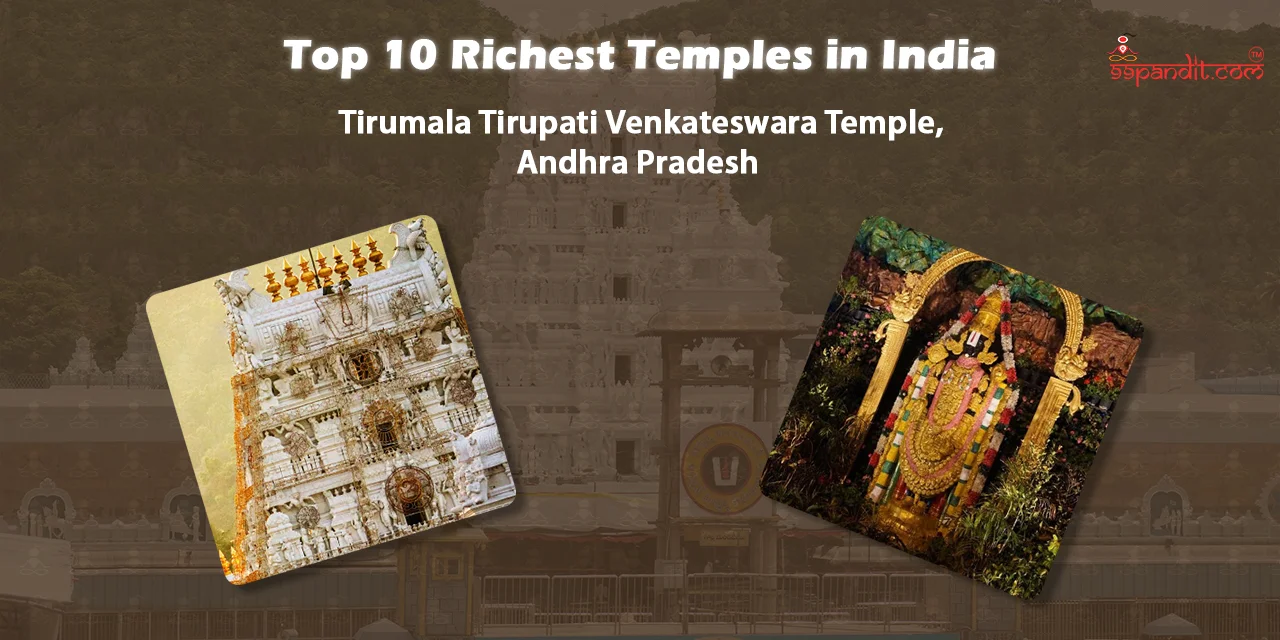
1. Tirumala Tirupati Venkateswara Temple, Andhra Pradesh

Location: Tirupati, Andhra Pradesh
Estimated value: ₹2.5 lakh crores; annual revenue: ₹4,385 crores.
>Net worth: ₹2.26 lakh crore as detailed in the 2022 white paper from Tirumala Tirupati Devasthanams (TTD), which includes fixed deposits (₹15,938 cr), gold, land, buildings, and assets.

Richest Temples in India

**** Recently, the TTD authorized a budget of ₹5,258 crore for the financial year 2025-26, with hundi revenues projected to reach ₹1,729 crore.

Gold holdings: 10.25 tons of gold, worth around ₹5,309 crores, have been deposited in banks.

History & Significance: The Tirumala Tirupati Temple is one of the richest temples with millions of visitors every year. The temple is dedicated to lord Venkateshwara, who is the incarnation of lord vishnu.

It was established around 300 A.D., as it’s believed to grant the wishes of all its worshippers.

The hundi collection of temple and donation-driven revenue streams is the largest among any spiritual place.

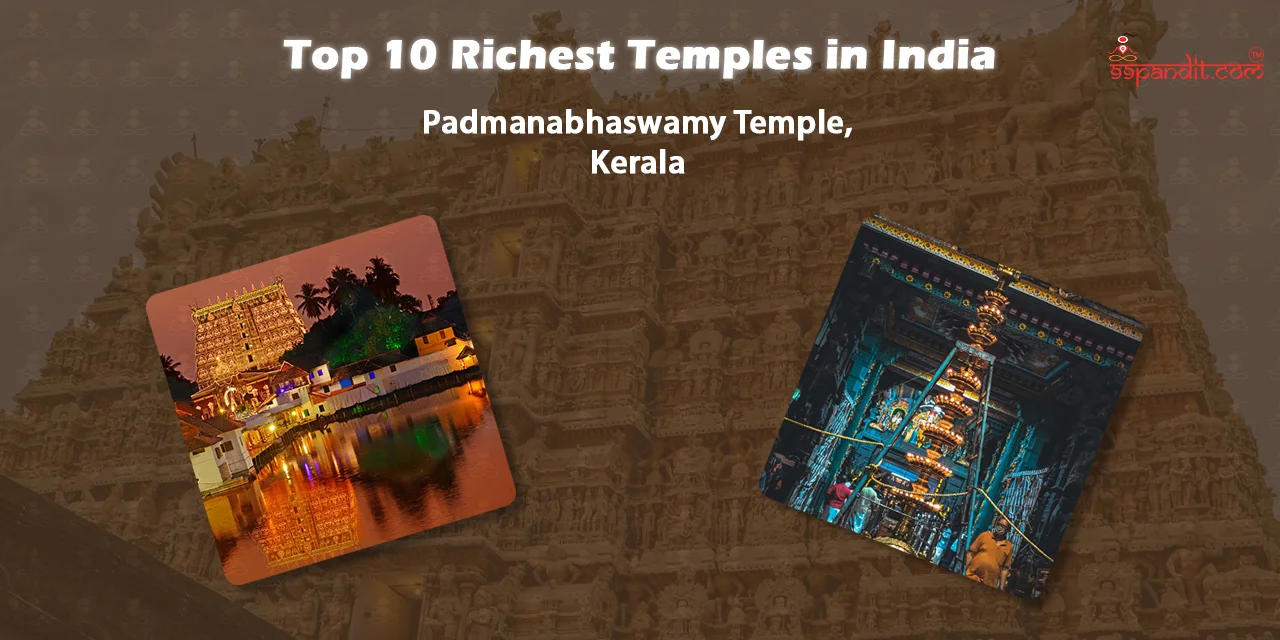
2. Padmanabhaswamy Temple, Kerala

Location: Thiruvananthapuram, Kerala.
>Estimated Net Worth: Over ₹1.2 lakh crore (~US$20 billion).
>Net Worth: The gems from Vault A alone are worth around ₹1 lakh crore; the real value of the vault treasure – across five opened vaults – is estimated to be over ₹1.2 lakh crore (~US$17–20 billion).

Richest Temples in India

****The main wealth source of the temple comes from ancient treasures, gold idols, antique jewelry, and other precious stored in underground vaults. Vault B is still unopened due to religious or legal considerations.

Notable Assets: Gold idols, coins from the Roman and Napoleonic era, gem-encrusted jewellery.

History & Significance: The temple dedicated to lord vishnu, Padmanabhswamy temple, developed in the Dravidian pattern, and is one of the 108 divya desams, and historically and traditionally managed by the Travancore royal family.

As per the audit of the temple in 2011, underground vaults revealed unimaginable treasures along with gold idols and coins, and many artifacts dated back to the 16th century.

The hidden treasure of Vault B remains a mystery and unopened due to a Supreme Court order and some mysterious spiritual facts.

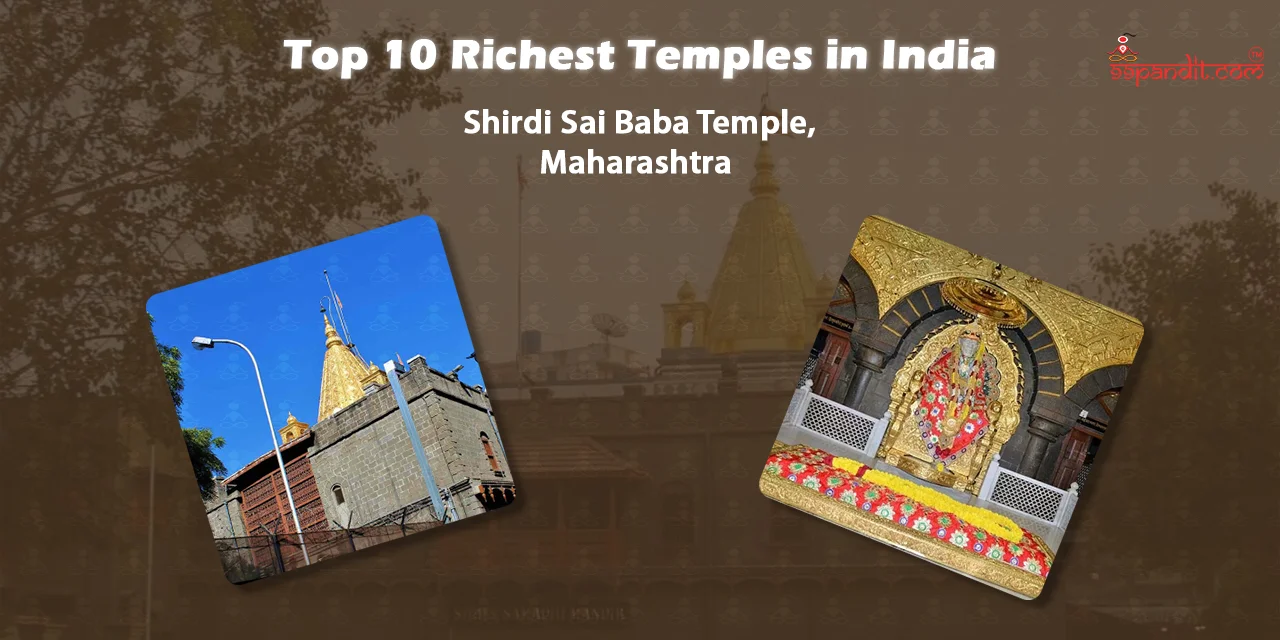
3. Shirdi Sai Baba Temple, Maharashtra

Location: Shirdi, Maharashtra
Estimated Net Worth: ₹1,800+ crore
Assets: Including Bank holdings of around ₹1,800 cr, with collections more than ₹2,000 cr; physical assets include 380 kg of gold and 4,428 kg of silver.

****Approximately 25,000–50,000 devotees come to visit the Shirdi Sai Baba temple yearly.

Richest Temples in India

History & Significance: Sai Baba is the main deity of the temple, a 19th-century spiritual coach followed by many Hindus and muslims.

Built in 1922, the temple includes Sai Baba’s Samadhi, along with sanctums and halls depicting his life and teachings.

The temple’s premise draws millions of devotees from all around the world and is a sign of the unimaginable power of faith and spiritual unity.

The temple is located around 2296 km away from Mumbai. The donations made in the temple are in the form of cash, online, and also as gold and silver.

The temple attains 300-400 crores annually as a part of donations instead of contributions in gold or silver.

The temple trust runs two large hospitals, provides education scholarships, and gives free meals to thousands of people daily.

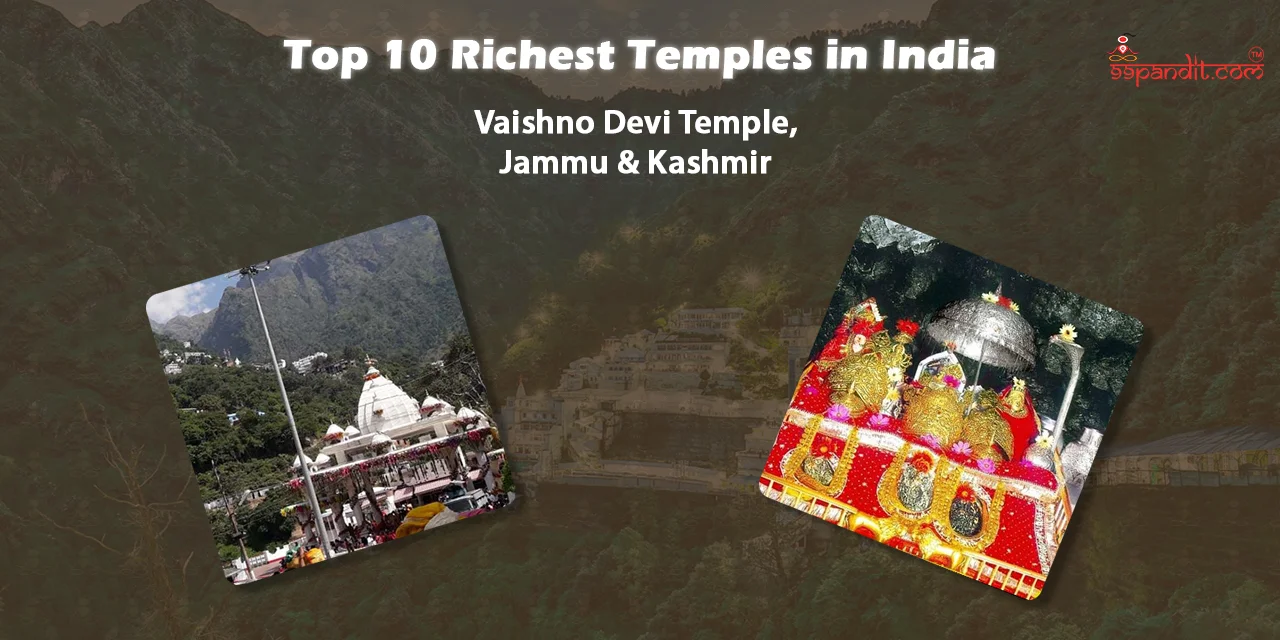
4. Vaishno Devi Temple, Jammu & Kashmir

Location: Trikuta Hills, Jammu & Kashmir
Estimated Net Worth: Annual revenue ~₹500 crore
Annual Revenue: Around ₹500 cr, depending on pilgrim donations and offerings.

****The temple attracts approximately 10 million followers annually.

Richest Temples in India

History & Significance: The temple is located at a height of 5,200 feet, as it’s one of the most auspicious sanctums dedicated to Goddess Shakti.

The followers undertake an uphill trek to reach the cave. Its roots are traced back to centuries-old folklore and sacred scriptures.

The donations come in the form of precious gems, tons of gold, and other important metals, which makes it the wealthiest temple of the country.

As per the Hindu people, the temple is very auspicious, and Mata blesses the people with whatever her children ask for. Every year, millions of devotees come to take the goddess’s blessings worldwide.

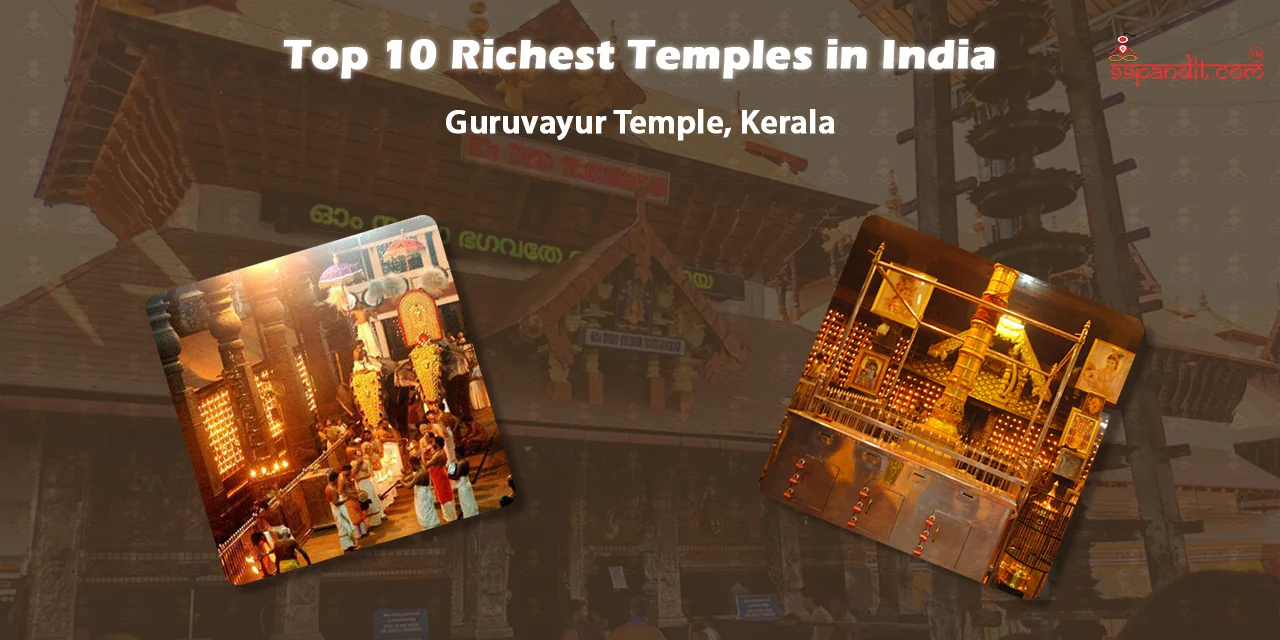
5. Guruvayur Temple, Kerala

Location: Guruvayur, Kerala
Rough estimated net worth: ₹2,500 crore; annual revenue ~₹400 crore
Assets: The association owns 271 acres of land, as well as fixed deposits totaling ₹2,053 cr; gold assets contain 124 kg of plain gold, 72 kg of studded gold, and 6,073 kg of silver.
Annual Revenue: Under the Kerala Devaswom board, the annual revenue is thought of as figures made, which give the figures for inclusion in annual reports – the annual revenue is almost ₹400 cr.

Richest Temples in India

****The temple has a substantial bank deposit amount, calculated at Rs. 1,737.04 crore. The temple owns 271.05 acres of land.

History & Significance: The ‘Dwarka of south’, Guruvayur temple is devoted to lord krishna.

This 5000-year-old temple is believed to have been established when Lord Krishna asked Uddhava to develop the deity here. It’s one of the most auspicious pilgrimage sites in Kerala.

Along with its religious importance, the temple has noteworthy financial assets, including gold, silver, and properties in Kerala.

There are elephant camps, spiritual schools, marriage halls, and daily free food distribution managed by the temple’s trust.

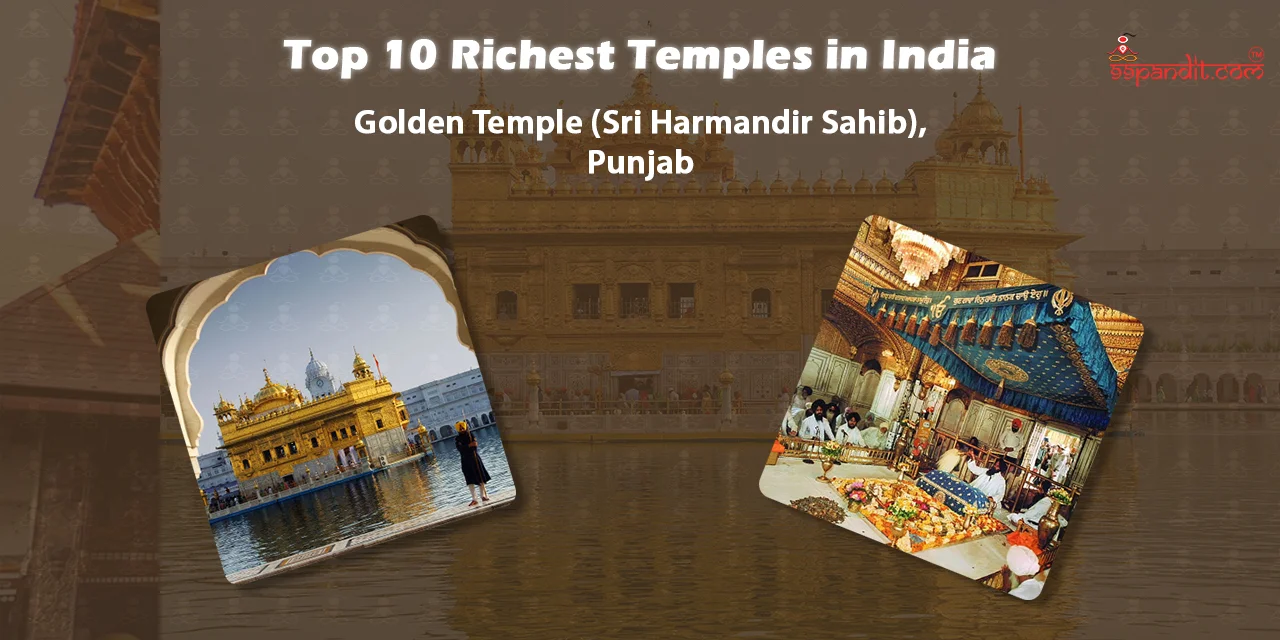
6. Golden Temple (Sri Harmandir Sahib), Punjab

Location: Amritsar, Punjab
Estimated Net Worth: Not publicly shared; annual income ~₹500 crore.
Annual Revenue: Estimated at ₹500 cr, comes from donations and offerings.
Gold Content: Around 400 kg was used in designing the upper levels.

Richest Temples in India

History & Significance: The Golden Temple is called ‘Harmandir sahib’, which is the most sacred shrine in the sikh community.

It was made in the 16th century by Guru Arjan Dev and was gold-plated by Maharaja Ranjit Singh. The temple’s architecture is a blend of Hindu and Islamic architecture.

This is famous for its community kitchen, which means 24/7 langar seva (free meals) to more than 100,000 devotees daily. It was made using 400kg of gold at the upper level, hence called the Golden Temple.

Gurudwara Parbandhak Committee manages the temple to promote equality, community service, and volunteerism on a large scale.

This is the holiest pilgrimage and was founded by the fourth guru of the Sikhs, Guru Ram Das. The temple was designed by the fifth guru, Guru Arjan.

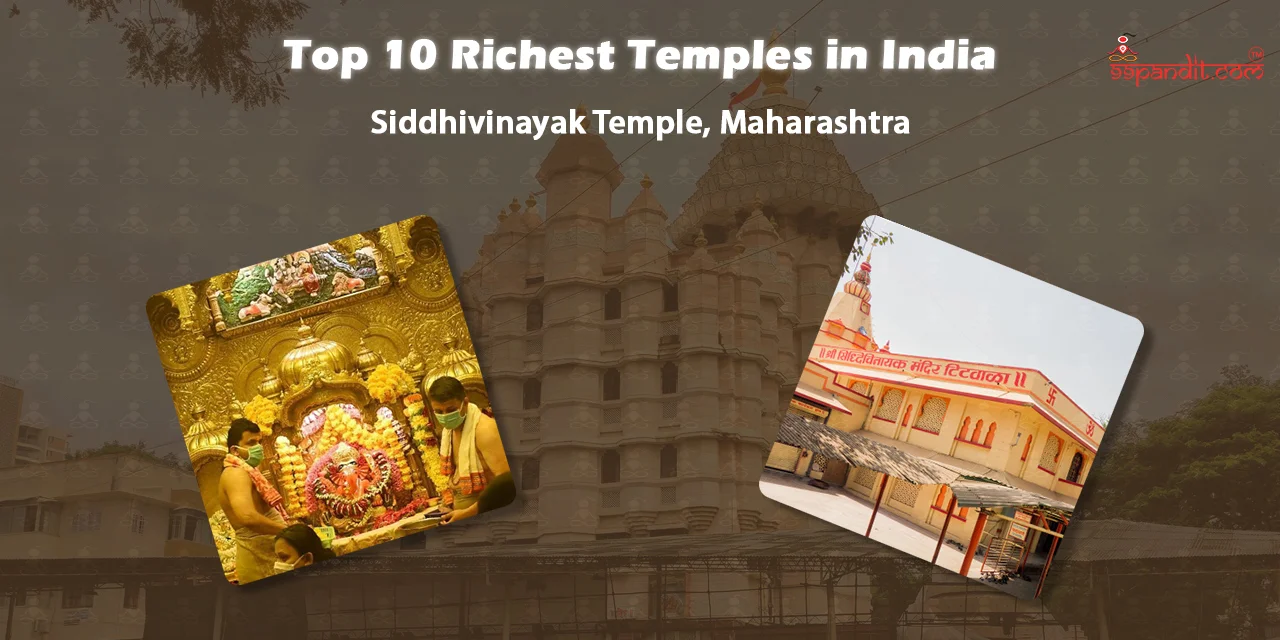
7. Siddhivinayak Temple, Maharashtra

Location: Mumbai, Maharashtra
Estimated Net Worth: ₹125+ crore
Annual Revenue: ₹133 cr in FY 2024–25, up from ₹114 cr the previous year

****The temple expects a further upgrade in revenue to ₹154 crore in the coming financial year.

Richest Temples in India

History & Significance: The temple is devoted to lord ganesha, as it was built in 1801 and has since become one of the wealthiest and most visited temples in India.

The followers believe that prayers here are especially powerful. The temple is often visited by Bollywood celebrities and politicians, which adds to its fame.

Bappa fulfills his followers’ wishes. The trust of the temple manages hospitals, scholarships, and donations for underprivileged children.

Laxman Vithu and Deubai Patil developed the temple. The temple is coated with almost 4 kg of gold that was charited by a Kolkata-based businessman.

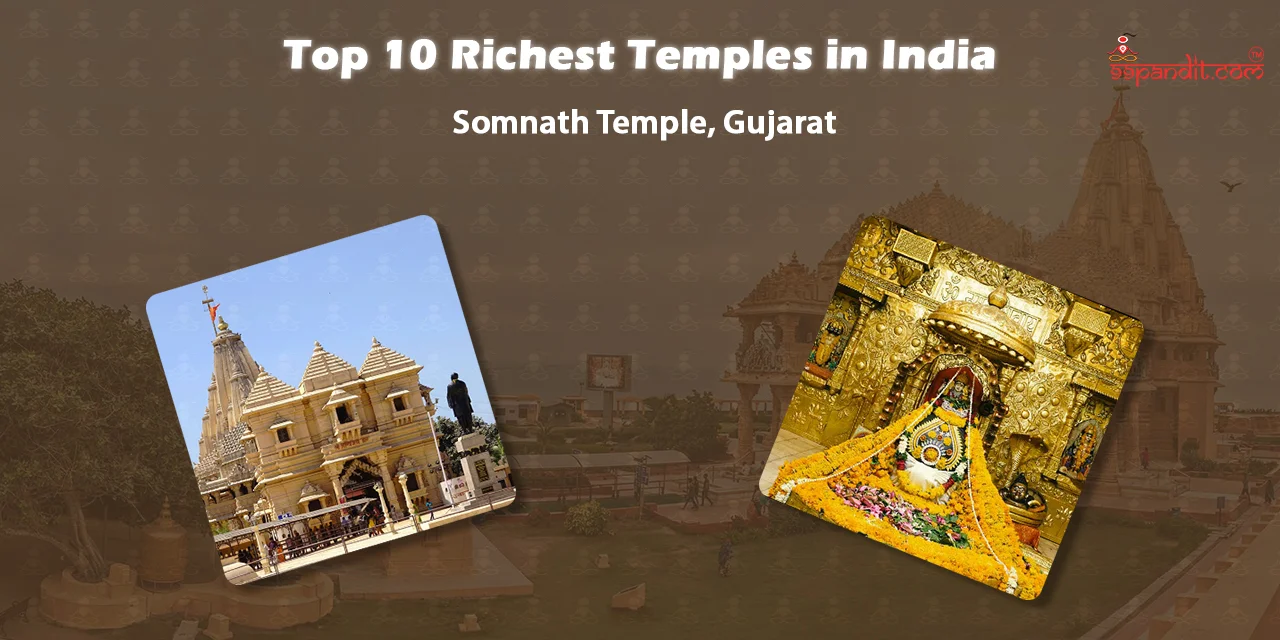
8. Somnath Temple, Gujarat

Location: Veraval, Gujarat
Estimated Net Worth: Not publicly shared; annual revenue ~₹33 crore
Annual Revenue: Around ₹33 cr, including donations and temple land revenue

History & Significance: Somnath is one of the 12 jyotirlingas of lord shiva, which has been raided and rediscovered multiple times by foreign incursions.

Richest Temples in India

Sardar Vallabhbhai Patel designed it in 1951, symbolizing Hindu resilience and rebirth. The temple, once destroyed and looted, still stands as a symbol of faith and wealth.

The temple’s income has not been shared yet, but it’s known for its wide possession of assets, along with 1700 acres of land.

A lot of legends connected with the temple; the word somnath means ‘lord of soma’. This sacred place has never lost faith in the hearts of Hindus. It has a huge following and receives a large amount of donations every year.

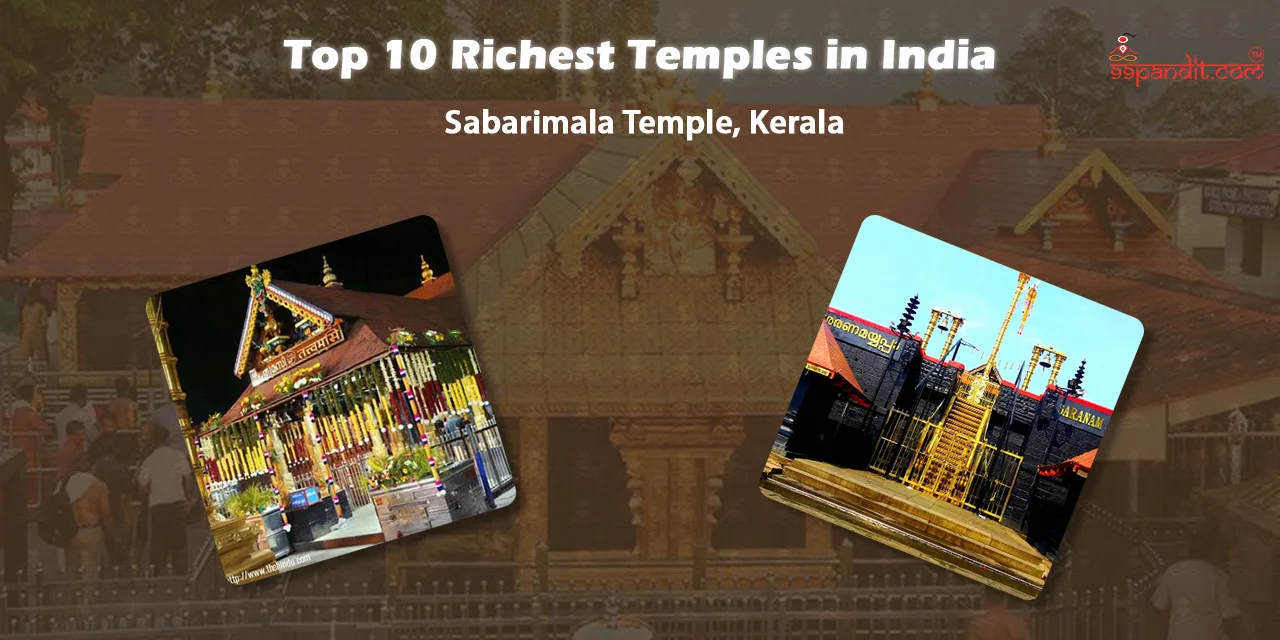
9. Sabarimala Temple, Kerala

Location: Pathanamthitta, Kerala
Estimated Net Worth: ₹245 crore
Annual Revenue: ₹320 cr during the 2023 pilgrimage season
Assets: 227.8 kg gold and 2,994 kg silver; fixed deposits noted at ₹0.417 cr (Rs 41.74 lakh)

History & Significance: A unique temple devoted to lord Ayyappa has a provision, which is that people have to keep a 41-day penance to honor the deity.

Richest Temples in India

It is established deep in the forest and has one of the world’s most prominent pilgrimages annually. The temple is open for a limited time period every year.

It’s located at 4,133 feet above sea level and is the most visited site in Kerala. Every year, around 100 million visitors seek blessings from the deity.

The average net worth of this temple is around 245 crore. It gathers more than 15 kg of gold and annual donations of more than 105 crores.

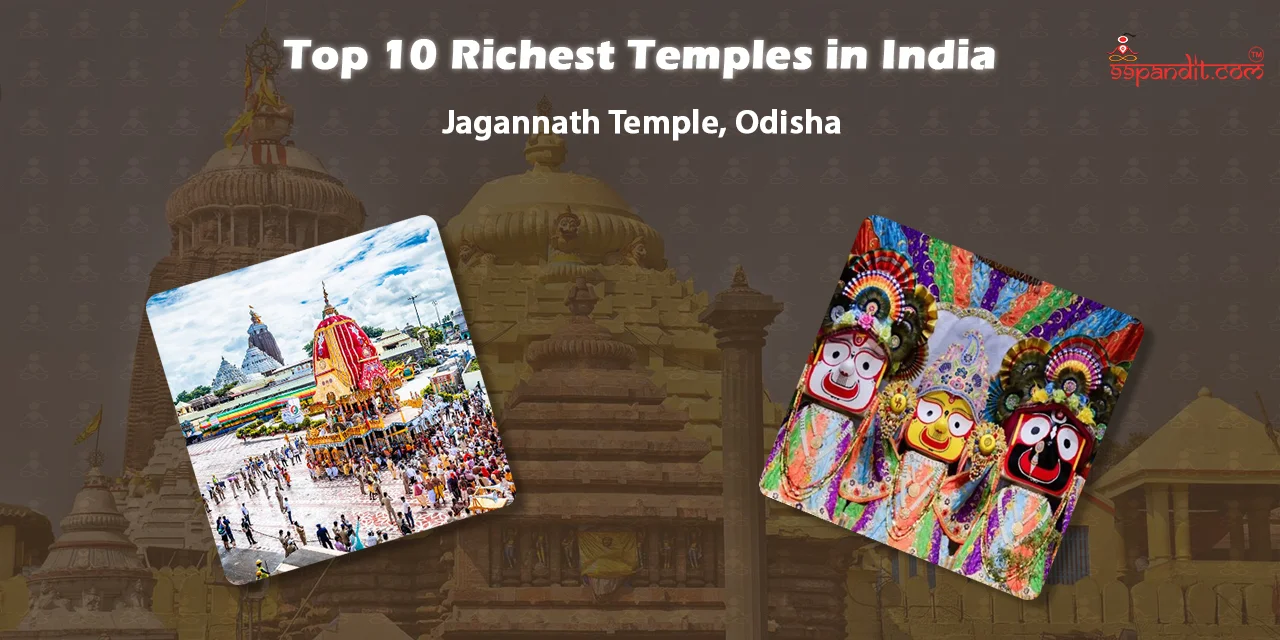
10. Jagannath Temple, Odisha

Location: Puri, Odisha
Estimated Net Worth: ₹150+ crore
Assets: Gold ornament values in crores (e.g., “Suna Besha” jewellery)
Net Worth: Estimated ₹150+ cr, based on combined land, jewellery, and donations.

History & Significance: To complete the list of the richest temples in India, Jagannath Puri temple would be the last one.

Richest Temples in India

Lord Jagannath, the primary deity of the temple, is situated along with his brother Balabhadra and sister Subhadra.

This is one of the oldest temples in India, and it contains some unknown scientific facts. According to the 2010 report, the estimated donation was more than 150 crore.

And at the time of the festival, the temple receives huge donations. Presently, the worth is INR 150 crore.

The temple is popular for its annual rath yatra where the largest chariots of lord take out through the city.

King Anantavarman Chodagana developed the temple in the 12th century. This is one of the Chardham pilgrimages. In this temple, non-Hindus are not allowed.

The kitchen of Jagannath temple is one of the largest kitchens in the world, where food is cooked for more than 100,000 people every day.

Belief as a Sign of Social Power

India’s richest temples symbolize divine wealth, spiritual power, charity, culture, and community upliftment.

Their massive financial strength is a direct result of centuries of unwavering devotion. These temples donate funds to education, health, shelter, and food for devotees.

Their histories give a reminder that in India, belief is not only a personal journey, but a social force that aligns society, drives economies, and holds traditions.

Conclusion

Doesn’t knowing the mystery of these temples sound interesting, especially the Padmanabhswamy temple? Discovering the richest Indian temples gives a profound insight into the spiritual and cultural heritage of the country.

The famous Hindu pilgrimage sites not just depict immense architectural beauty but also represent the devotion and beliefs of millions of devotees.

Every place shares a unique story of wealth and dedication, from the mesmerizing Tirupati Venkateshwara temple to the prosperous Somnath temple.

Book your tickets and discover the facts and myths of these temples that connect you with India’s rich customs and traditions.

Book a verified pandit with 99Pandit to perform any Hindu ritual or puja at these places. The team will help you effortlessly execute a Vedic ritual in your way.

Tadbund Hanuman Temple: Timings, Architecture, History, & Benefits

To date, you must have heard the names of many famous Hanuman temples, but have you heard about the Tadbund Hanuman Temple?

This temple is dedicated to Lord Hanuman, an incarnation of Lord Shiva. This unique Hanuman temple is located in Sikh Village, Tadbund, Secunderabad.

Tadbund Hanuman Temple

The Tadbund Hanuman Temple is also known as the Sri Veeranjaneya Swamy Temple. The Main deity in this temple is Sri Veeranjaneya Swamy.

Hundreds and thousands of pilgrims and tourists visit the temple every year to seek the blessings of Lord Hanuman.

Today, with 99Pandit, let us learn more about this famous Tadbund temple in Hyderabad.

After reading this article, you will be able to know the history and significance of the temple.

We will also tell you about the Darshan timings, benefits, and festivals celebrated in this temple. So, without further ado, let us get started!

What is the Tadbund Hanuman Temple?

Tadbund Hanuman Temple is widely known as Sri Tadbund Veeranjaneya Swamy Temple.

It is one of the ancient and famous temples, located at Sikh Village, Tabund, Secunderabad. Sri Hanuman is the main deity.

Along with Lord Hanuman’s Idol, here is the idol of Sri Vinayaka Swamy, Swayambhu, Sri Shiva Panchayatana, Sri Sita Rama Laxmana and Dasanjaneya, Sri Nagendra, Navagrahas, Usthra, and Sri Veeranjaneya Swami with Maa Suverchala Devi are also seated in this age-old temple.

A unique specialty of this Tadbund Hanuman Temple is that the idol of Sri Vinayaka is located on the left side of the same rock as Sri Veeranjaneya Swami. At this temple, Sri Suvarchala Veeranjaneya Swami is worshiped as Utsava Vigrahas.

Darshan Timings of Tadbund Hanuman Temple

In this section, we have listed the Darshan Timings of Tadbund Hanuman Temple in this section.

Many visitors visit this temple specifically for the darshan of the Lord, “Sri Veeranjaneya Swamy”. Kindly check out the given timings:-

Archanas and Vehicle Pooja Timings in Tadbund Hanuman Temple

Days Morning Evening
Daily (except Tuesday & Saturday) 8-30 AM to 11-00 AM 4-30 PM to 8-00 PM
Tuesday 8-30 AM to 11-30 AM 4-30 PM to 8-30 PM
Saturday 8-30 AM to 11-30 AM 4-30 PM to 10-00 PM


Darshan Timings

Days Morning Darshan Evening Darshan
Daily (Except Tuesday & Saturday) 05:00 AM to 11:30 AM 4:00 to 8:30 PM
Tuesday 04:00 AM to 12:00 Noon 4:00 PM to 10:00 PM
Saturday 04:00 AM to Night 12:30 AM


Tadbund Hanuman Temple Saturday & Tuesday Abhishekam Timings

Temple Rituals Abhishekam Session
Tuesday & Saturday Abhishekam 04:00 AM
Other Weekdays Abhishekam 04:00 AM


Tadbund Hanuman Temple Sevas & Archanas Price Cost

Daily Sevas at Hanuman Temple

S.No Abhisekhams Amount (INR)
1.  Sri Anjaneya Abishekam 21.00
2.  Sri Shiva Abishekam 21.00
3.  Yekagraha Abishekam 11.00
4.  Navagraha Abishekam 21.00
5.  Shivaratri Shiva Abhishekam
(on Maha Shiva Ratri Day only)
11.00


S.No Archanas and Other Poojas Amount (INR)
1. Archana 5
2. Sahasra Nama Archana 21.00
3. Kesha Khandana 21.00
4. Bell Samarpana 11.00
5. Tenkaya Mudupu 11.00
6. Lorry/Bus Pooja 150
7. Car pooja 75
8. Auto (3 Wheeler) 50
9. Scooter (2 Wheeler) Pooja 35
10. Cycle Pooja 5
11. Mandala Seva – 40 Days Abhishekam 101
12. Mandala Abhishekam 501


Significance of Tadbund Hanuman Temple

The Tadbund Hanuman Temple is more than just a temple. It is a very powerful place for many reasons. It is the centre of spiritual energy.

According to the devotees, there is a sense of peace and tranquillity inside the Hanuman temple. When the devotees enter the temple, it feels like they have received a warm hug from god.

Tadbund Hanuman Temple

In our Sanatan Dharma, Lord Hanuman Ji is considered the symbol of strength, devotion, bravery, and unwavering loyalty.

Lord Hanuman is also known as Pawan Putra because he is the son of the Wind God Vayu. He is a great devotee of Lord Ram.

The temple also serves as a focal point for the people here, around unity and communality. The festivals here are large, community-wide festivals bringing people together from all walks of life.

It is difficult to describe the energy of the atmosphere at these times! The Temple is known as the Sri Tadbund Veeranjaneya Swamy Temple.

The Sikh village in Secunderabad has turned into a pilgrimage location in close proximity because of the presence of the Tabdund Hanuman Temple.

On festival days, there are too many festivities going on to count, from Sri Suvarchala Veeranjaneya Kalyanotsavam (Jaishta Sudda Dashami), to Hanuman Jayanti (Vaishaka Bahula Dasami), to Hanuman Jayanti (Chaitra Shudda Purnima).

History of Tadbund Hanuman Temple

The Tadbund Hanuman Temple is an established spiritual site settled in Secunderabad.

With aspirations for the temple rooted deep within the centuries of localizations and related spirituality, many believe and recount that the temple was founded hundreds of years ago.

Tadbund Hanuman Temple

The idol of Lord Hanuman is revered as a Swayambhu (self-manifested) idol. The temple has developed fame over the centuries, becoming a haven for a lot of Hanuman worshipers.

Devotees also sustain the hope of being able to visit the temple at least once in their lives.

The temple has certainly developed into a site of searching for divine protection and divine strength from Lord Hanuman. It has also evolved into a place for Vehicle Pooja.

Architectural Significance of Tadbund Hanuman Temple

The Tadbund Hanuman Temple has an extensive Mukha Mandapa, garbhah gudi (sanctum), Vimana, and Maharajah Gopurams.

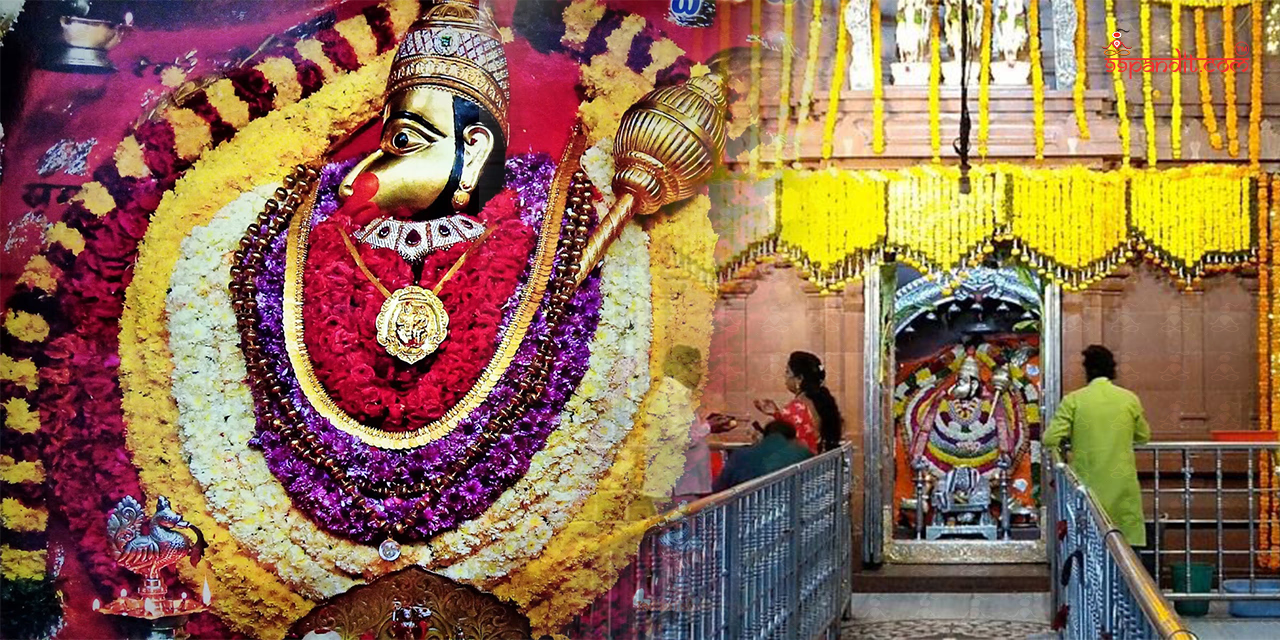
The presiding deity of the Tadbund Hanuman Temple is Sri Veeranjaneya Swami, a swayambhu murti. Shri Vinayaka Swami (the elephant-headed God- Lord Ganesha) is also swayambhu.

Sri Vinayaka is on the same big rock found in the innermost sanctum, to the left of Sri Veeranjaneya Swami.

Sri Veeranjaneya Swami’s vahanam (vehicle) is ushtra (camel), as you can see before the idol. The Murti is made of granite stone and is covered with silver plates.

Here you can witness the Shiva Panchyatnam in the temple. There is the statue of Nagraj in the temple, which symbolizes Subramanya Swami as a serpent. There is a navagraha temple in the Tadbund Hanuman Temple.

The Tadbund Hanuman Temple has the following gardens in the Devasthanam buildings, where devotees worship holy plants.

To worship, which includes Ashwatha Vruksham (Raavi Chettu), Bilvadala Vruksham, Maaredu Vruksham, Nimba Vruksham (Neem Tree), Shami Vruksham (Jammi Chettu), and Usiri (Amla) chettu.

Benefits of Visiting the Tadbund Hanuman Temple

Devotees come to Tadbund Hanuman Temple to pray for many reasons:

1. Courage and Guts: When difficult situations arise, people pray to Lord Hanuman for inner courage to face them. Lord Hanuman lifts mountains easily, so why can’t you draw courage from him?

2. Protection: It is believed that Lord Hanuman protects against all evil and negative forces, and many people believe that praying to him at the Sri Tadbund Veeranjaneya Swamy temple protects them from harm.

3. Desire Fulfillment: The devotees almost always tie a holy string or a prayer, and are hoping their sincere desires are fulfilled.

4. Health: Being the son of the Wind God, he’s also looking for well-being, health, and energy.

5. Success: Millions have asked for his blessings before starting anything new to create a successful time.

Festivals Celebrated in Tadbund Hanuman Temple

Hanuman Jayanti, the birthday of Lord Hanuman, and Sri Rama Navami, the birthday of Sri Rama, are considered the main festivals of the Tadbund Hanuman Temple.

The Shobha Yatra rally occurs in Hyderabad on Hanuman Jayanti, which ends at the Tadbund Hanuman Temple. Thousands of devotees join in this Shobha Yatra.

Other important celebrations for the Tadbund Hanuman Temple are Sri Suvarchala Veeranjaneya Kalyanotsavam, Sri Vari Visheshotsavam, and Annakuta Mahotsavam!

The temple marks the significant observance of Shani Trayodashi. Tourists and pilgrims travel from different city regions to the temple to pray to Shani to rid them of all Shani doshas.

Other Deities in Tadbund Hanuman Temple

1. Sri Vinayaka

Sri Vinayaka is also present, on the left of Sri Veeranjaneya Swamy on the Sacred rock as Swayambhu, the self-existent image.

Tadbund Hanuman Temple

This is the first of its kind where Sri Veeranjaneya Swamy, with Sri Vinayaka as Swayambhu, is on the same rock, where devotees are worshipping them.

2. Sri Sita Rama Laxmana and Dasanjaneya

As depicted in Hanuman Chalisa and various other ancient Hindu Puranas, it is believed that wherever Shri Rama Chandra Murti is present, Sri Anjaneya Swamy will also be present.

Whenever Sri Anjaneya Swamy is present, Sri Rama Chandra Murthy, along with Sita and Laxmana, will be present.

In Tadbund, Sri Rama Chandra Murthy is also present along with Sita, Laxmana, and Dasanjaneya in the temple premises.

3. Sri Shiva Panchayatana

Tadbund Hanuman or Sri Anjaneya Swamy is one of the incarnations of Lord Shiva. Sri Shiva Lingam is with Goddess Parvathi, Vinayaka, Vishnu, and Surya, which is known as Shiva Panchayathanam.

4. Navagraha

Navagrahas, which are Surya, Chandra, Angaraka, Budha, Guru, Shukra, Shani, Rahu, and Ketu, also exist in the Temple premises.

When Trayodashi falls on Saturday, Shani Trayodashi is celebrated in the Temple. Many devotees consider this an auspicious day and worship Lord Shani to get rid of all types of Shani-doshas.

5. Sri Nagendra

Nagendra, which is popularly known as Subramanya Swamy in the form of a Snake, also exists in the Temple.

Most devotees worship Nagendra, made of black granite stone, which is installed at a specific location on the temple premises.

6. Usthra

Usthra, the Camel, is the vahanam of Sri Anjaneya Swamy. The History of Sri Anjaneya and Sri Anjaneya Mangalashasanam state that a Camel vahanam in black granite stone, encased in a silver plate, stands opposite Sri Veeranjaneya Swamy in the temple premises.

7. Sri Veeranjaneya Swamy Along With Suverchala Devi

Devotees worship Sri Suvarchala Veeranjaneya Swamy as Utsava Vigrahas in the temple. Suvarchala is the Daughter of Surya (Sun God) and is the Wife of Sri Veeranjaneya Swamy.

Sri Anjaneya Swamy is forced to marry Suvarchala Devi in the course of his studies, i.e., Nava Vyakaranas, only four have to be studied by Gruhasthas (married persons).

Since Sri Anjaneya Swamy dedicated his entire life to the service of Sri Rama, both Sri Anjaneya Swamy and Suvarchala Devi practiced Brahmacharya even after marriage.

Conclusion

In conclusion, the Tadbuind Hanuman Temple is one of the most significant temples of Lord Hanuman. Lord Hanuman, as Sri Anjaneya Swamy, is the presiding deity of the temple.

Along with Sri Anjaneya Swamy, Survarchala Devi, Sri Vinayaka, Sri Sita, Ram, Laxman, Sri Shiv Panchayatana, Sri Nagendra, etc, are also present in this temple.

According to the local tales, it is believed that when Lord Hanuman was searching for Sanjeevani Booti for Lakshman ji, he stopped here to take rest.

They built this temple at the exact spot where he stopped for rest. If you have come this far in reading this article, this means you really enjoyed reading it.

99Pandit always tries to cater the best content for its readers, just like its services, which are hassle-free and important. 99Pandit offers you several services that help you in connecting with your religious needs.

From Marriage Puja to Birthday Puja, from Ganesh Puja to Saraswati Puja, 99Pandit has a variety of pujas that are performed by Vedic Pandits. So, book a Puja today with us!

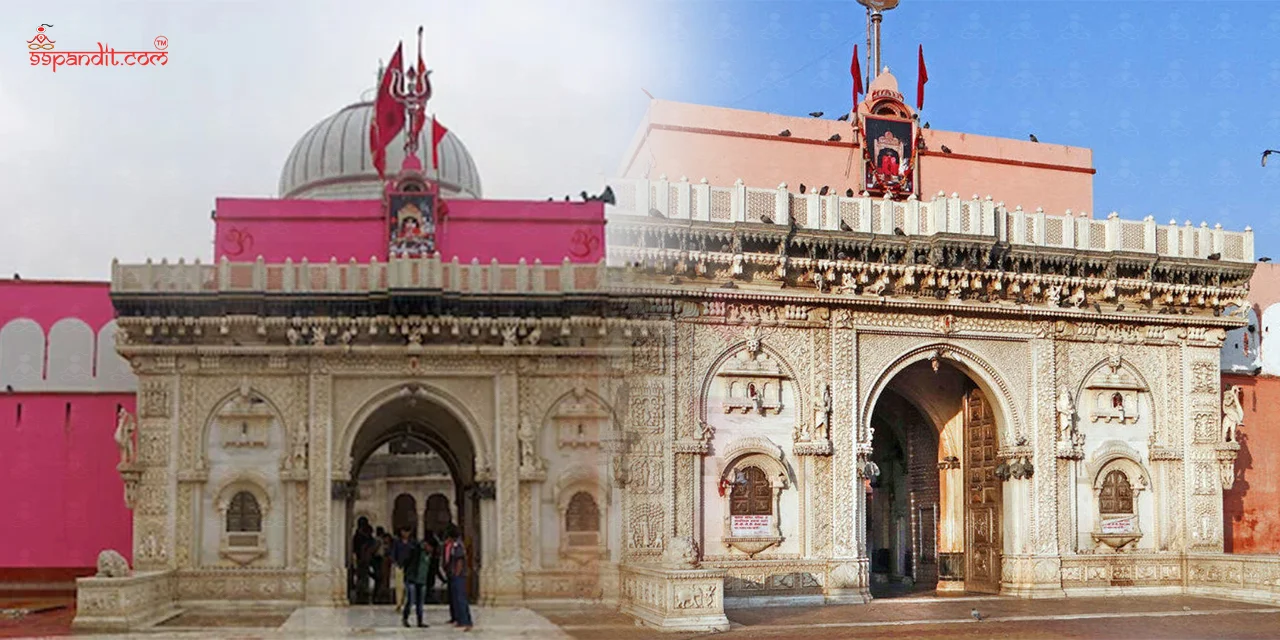
Exploring Karni Mata Temple: Timings, Location, & Significance

Karni Mata Temple: Whenever we hear about Rajasthan, we always think about its culture, heritage, and history, which tells us about the brave war of the Rajputs against the Mughals.

Rajasthan is not just a state; it is the home of forts, temples, and a rich cultural heritage. We are here today to explore the Karni Mata Temple in Bikaner, Rajasthan.

Karni Mata Temple

In Rajasthan, many temples are famous due to a major belief. Karni Mata Temple is also one of them.

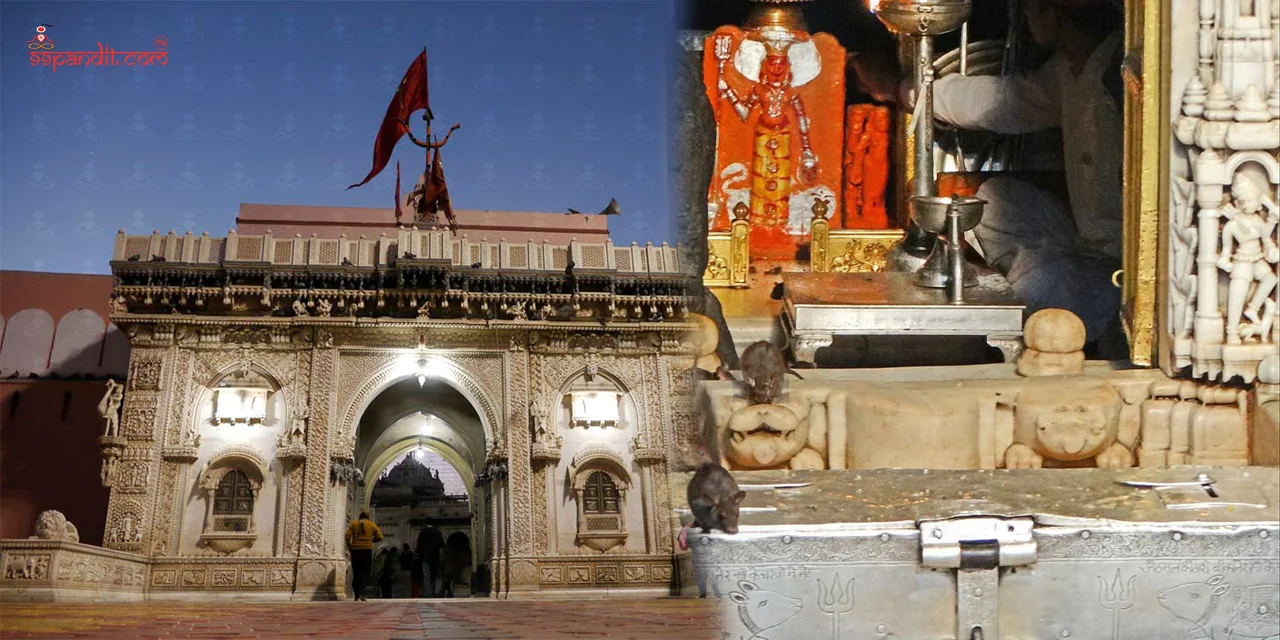
This temple is famous for its rats. A large number of rats are seen in this temple. This temple is dedicated to the Goddess Karni Mata.

The Karni Mata Temple is located in Deshnok, the city of the Bikaner district of Rajasthan.

It is said that in this temple, the leftover prasad of rats is distributed among the devotees. This temple is famous for its beliefs and rich history.

With 99Pandit, let us discover this extraordinary Karni Mata Temple in Bikaner. We will explore its history, architectural significance, Darshan timings, and much more.

Darshan Timings of Karni Mata Temple

Opening Time Closing Time
During Summer 04:00 AM 09:00 PM
During Winter 05:00 AM 09:00 PM


Karni Mata Temple Darshan Timings:

Days

Timings in Summer

Timing in Winter

Monday

04:00 AM-09:00 PM 05:00 AM – 09:00 PM
Tuesday 04:00 AM-09:00 PM

05:00 AM – 09:00 PM

Wednesday 

04:00 AM-09:00 PM 05:00 AM – 09:00 PM
Thursday  04:00 AM-09:00 PM

05:00 AM – 09:00 PM

Friday 

04:00 AM-09:00 PM 05:00 AM – 09:00 PM
Saturday  04:00 AM-09:00 PM

05:00 AM – 09:00 PM

Sunday 

04:00 AM-09:00 PM

05:00 AM – 09:00 PM


Karni Mata Aarti Time:

Aarti  During Summer

During Winter

Mangal Aarti

04:00 AM 05:00 AM
Bhog Aarti  08:00 AM

08:00 AM

Shringar Aarti

03:45 PM 03:45 PM
Sandhya Aarti 07:00 PM

06:00 PM

Shayan Aarti 

09:00 PM

09:00 PM


All About Karni Mata Temple

Karni Mata Temple is one of the most prominent temples of Rajasthan. The temple dedicated to Maa Karni is situated in Deshnok, the city of the Bikaner district of Rajasthan.

As per religious belief, Karni Mata is the incarnation of Goddess Durga. She was a well-known female saint who lived in the 14th century near this place.

She was known for her divine powers and miraculous events as well. It is said that she also lived a life of penance and service for many years.

According to the people, after the death of Karni Mata, her descendants become rats and stay with their mother in the temple.

After her death, the devotees installed her idol and constructed a temple there. Nowadays, devotees come from all across the country to see the mother.

This temple is unique in itself; thousands of rats live in the temple, and they are fed prasad and worshipped.

Rat is considered to be reincarnated from Karni Mata’s stepson and descendants. They are also called “Kaba” here, and no one is allowed to harm them here.

Moreover, if you see a white rat in the temple, it is considered to be very auspicious, and it is said that Mother gives special blessings to them.

History and Architecture of Karni Mata Temple

The architecture of the Karni Mata temple is in the Mughal style. This temple is as attractive as its name suggests, curious and captivating. It has marble carvings and silver doors.

Many people claim that Karni Mata was illuminated here on Thursday, Chaitra Shukla Navami, 1595. Since its dedication, Karni Mata has been worshipped here.

The people of Bikaner and the regions around it hold that Karni Mata is the incarnation of Goddess Durga.

Karni Mata Temple

Karni Mata was a female warrior of the Charan caste; her childhood name was Righubai.

After marriage, Mata lost her charm for worldly attachments and gave herself to asceticism and the service of people. Historically, Mata was born in 1387 AD and lived for roughly 150 years.

The history of Karni Mata Mandir is not definitively verifiable; many traditional accounts of the temple are told and narrated.

Some say Raja Jai Singh built it, whilst others say Maharaja Ganga Singh built it; it is widely believed that he built it in its form as a Rajput style from the 15th to 20th centuries.

Significance of Karni Mata Temple in Bikaner

The Karni Mata temple is really famous for its rich history and cultural significance. This temple in Bikaner is also known for its unusual relationship with rats.

As said before, the temple is dedicated to Karni Mata, who is a revered figure thought to be an incarnation of Maa Durga.

Thousands of pilgrims travel to this temple every year due to its beautiful history and religious significance.

The Karni Mata temple shelters thousands of black and brown rats. These rats are the temple’s immediate premises, and they move around as they see fit.

These rats are called ‘Kaaba’, and are referred to as the children of Karni Mata. It is regarded as a grave sin to cause any kind of harm to these rats in the temple.

Even devotees are advised to walk, dragging their feet so that no rat gets hurt, even unknowingly.

Some white rats are also seen in the temple, the sight of which is considered extremely auspicious.

It is believed that white rats symbolize Karni Mata and her son. The temple has another unique tradition regarding the leftover prasad of rats.

The food offered to the Goddess in the temple is first provided to the rats, and the leftover Prasad is given to devotees.

Surprisingly, no one has reported getting sick after eating this Prasad! Devotees take the Prasad with the utmost respect as a blessing of the Goddess.

Mythological Story Related to Karni Mata Temple

According to the administrator of the temple, Karni Mata has a family. People of this family have been taking birth for years.

It is believed that if any member of Mata’s family dies, they were born in this temple as a rat. These 25000 rats you see in the temple are the members of her family.

It is said that this temple is 600 years old. Karni ji did penance in this temple for 100 years. At that time, there was an atmosphere of anarchy in western Rajasthan.

Karni Mata Temple

After this, Mata settled Bikaner and Jodhpur. She helped the kings. After marriage, Karni Mata showed her husband the form of Durga. Then her husband was married to Karni Mata’s younger sister.

They had four sons. Once, Karni Mata’s sister’s youngest son, Lakhan, came to see the fair sitting on a camel. Here, he jumped into the water and died.

As soon as the family gets this news, they ask Karni Mata to give them a son. Then the mother takes the son in her hands and closes the cave.

After this, she asked Yamraj and Dharmaraj to return her son. But Yamraj said that if this happens, then how will the earth run?

After this, Karni Mata chose the shape of a rat. After this, every member of the family is born as a rat in the temple after death.

Location and Temple Entry Fees

The Karni Mata Mandir is one of the most renowned temples in the Bikaner district. It is located in Deshnok, around 30 km from the Bikaner city district of Rajasthan.

This temple is the only temple where devotees also offer food and other rituals for rats inside the temple.

People in western Rajasthan worship Goddess Karni as their local deity. People come from across the globe to pay their respects.

It is a renowned temple and a tourist attraction. The details about the Karni Mata temple in Bikaner Darshan, and the entry fee are mentioned below:

  1. The temple entry is free. Devotees do not need to pay any entry fees. 
  2. There is no entry or darshan fee for the Karni Mata Temple.
  3. The Tourism Department of the Rajasthan government kept the temple entry free for all.
  4. People came here and performed Puja and aarti activities at no cost, stating that Karni Mata would receive blessings and a good life.
  5. Some special charges apply for the Camera.
  • Video Camera Charge- ₹50.
  • Still Camera Charge – ₹20.
  1. You need to bring the Puja Samagri and other ritual items like food for rats, etc.

How to Reach Karni Mata Mandir

There are several modes of transportation that you can use to reach the Karni Mata Mandir in Bikarner.

Public transportation, like buses, jeeps, and taxis, is easily accessible from Bikaner to reach this temple.

Karni Mata Temple

You can even reach a nearby temple via train. The temple is near Deshnok railway station on the Bikaner-Jodhpur route.

1. By Air

The closest airport to Karni Mata Temple is the Jodhpur Airport. Jodhpur Airport lies 220 km from Bikaner. You can book a taxi or rent a car to go to the temple from the airport.

2. By Train

If you want to come by train, then after reaching the Bikaner station, you can rent a taxi or a car to visit the Karni Mata Temple.

Bikaner has a well-developed train network that connects the city to other cities in the country. The temple is about 30 km from the Bikaner station.

3. By Bus

If you want to reach Bikaner by bus, then the Rajasthan State Transport Corporation will help you get there.

You will find multiple buses that travel from various places in Rajasthan, and you will not have any trouble arriving at the Karni Mata temple.

Along with the government transport facility, it is also possible to use private buses to reach the temple.

Conclusion

In conclusion, the Karni Mata Temple is not just a religious place, but it also gives a message to love animals.

The rats in the temple also worshipped, and devotees offered them food. Thousands of devotees and tourists visit the temple every year.

The best time to visit the temple is Navratri. Many devotees come here mainly twice a year during Chaitra and Shardiya Navratri.

During Navratri, there is a massive crowd of devotees. You can also stay near the temple. There are many Dharamshalas near the temple where devotees can stay.

So, we have come to the end of the article. I hope you enjoyed reading this article. 99Pandit always tries to cater to the audience with religious content to make you more knowledgeable about culture.

Stay connected with 99Pandit to get more content like this. We will come back with another interesting topic that will please you.

Babulnath Temple, Mumbai: Timings, Significance & Dress Code

Have you ever visited Babulnath Temple, which is located in Mumbai? What is the history behind the temple? Let’s begin to understand the details of this temple.

Located amidst the bustling landscape of Mumbai, Babulnath Temple serves as a testament to Mumbai’s rich cultural and spiritual heritage.

Babulnath-Temple

Being one of the oldest temples in the city, it has seen so many changes in the city, from a small fishing village to a metropolis. Lord Shiva is worshipped as the primary deity of the temple.

The temple gives a blend of history, spirituality, and tranquillity, which is why it’s a unique spot for both devout pilgrims and curious travellers alike.

Though, if you’re planning to witness the amazing history of the temple, read the complete blog to know its full of divine reverence and appreciation for the rich heritage of India.

Babulnath Temple Timings

To experience the mesmerizing gathering of devotees in the temple, the right time to visit will be around Mahashivratri and other Hindu festivals.

Otherwise, if visitors want to listen to devotional music, then the temple plays aarti/prayers to honour lord shiva 3-4 times a day. The timings for darshan are:

  • 6:15 am to 7 am
  • 11:30 am to 12:15 pm
  • 5:15 pm to 6 pm

The last prayer was performed around 8 pm. Thus, it’s up to you if you want to visit, sit quietly, and hear the calm music to remove your stress from your mind.

About Babulnath Temple

Babulnath temple, Mumbai, is a must-visit place for inner peace and tranquillity. It’s one of the temples that is important for the loyal devotees.

The walls of the temple are specially designed with limestone that represents Hindu mythology, which travellers find exciting at first sight.

The temple has beautiful marble flooring, which is particularly brought from Rajasthan.

Hence, each step you take inside the temple gives you a royal and enchanting experience, along with the daily devotees you can meet and welcome, and wear Indian attire. Hence, each moment you spend in the temple is blissful with internal peace and devotion.

Furthermore, you can see the devotees from various corners of the world who are heartfelt devotees of lord shiva and visit to pay tribute.

When you enter the temple, there are so many Hindus and locals, you can explore sculptures and idols of other gods like lord hanuman, Ganesha, Nandi with Kashyap.

The idols of goddess Parvati and Durga are kept in the centre of the temple. But you know what’s more special about the temple? Prayers are offered 4 times a day to the lord.

The temple has the space to cover around a lakh devotees for darshan during Mahashivratri. The complete situation is an experience to behold and capture in your hearts.

History of Babulnath Temple, Mumbai

The history of Babulnath Temple dates back around 300 years. Dated back, the area used to be a rural land owned by a rich man called Pandurang.

A boy, the caretaker of his cows, called Babul. One evening, a cow didn’t give milk, so Babul began keeping an eye on that cow in the field.

He found that the entire milk flowed at a specific place in the evening. Following her for some days, Babul shared the strange incident to Pandurang.

One day, Pandurang also followed the way of the cow and then ordered digging at the place.

Babulnath-Temple-2

A big shivlinga was founded as a result. This is what we see as the Babulnath temple Shivlinga in today’s time.

Along with it, the idols of lord ganesha, lord hanuman, and Goddess Parvati were found together during the hole.

Today, all these idols are placed together in the same place. The history of Babulnath Temple dates back to the 12th century.

Bhimdeva, a Hindu king, developed a Shiva temple at that time. After some time, Muslims tried to destroy the temple, but the idols got planted in the earth.

Pandurang and Babul discovered those during their digging, and they built a temple in the 1780s.

The Parsi community members resisted the development as the land was near one of their dakhma.

The case was taken to the court in the 1800s, and the result was in favour of Hindus. In 1890, a Gujarati vendor constructed the temple.

At that time, the Babulnath temple tower was the tallest building in Mumbai. However, it was damaged by lightning afterwards.

The Spiritual Significance of Lord Shiva’s Temple

The temple of lord shiva is more than a place of worship; it has historical and cultural significance that has endured through the centuries.

The importance of the temple goes beyond religion – it’s like a reminder of Mumbai’s diverse heritage. This is where people from any cast or background live together in harmony.

The history of the temple has been something from around the world that came to seek blessings and engage with God with their faith, which remains to play the role as the city around it grows and transforms.

The lord babulnath is the lord shiva in his form as the lord of the Babul tree, which is rooted deeply in Indian spirituality and mythology.

This relation to nature gives another layer of meaning, as it empowers people to honour & revere the natural world.

The temple, hence, becomes not just a place for personal offering but a sign of ecological balance and the infinite relationship between humanity and nature.

Architecture of Babulnath Temple

Babulnath temple structure, carved with its beautiful pillars, compares the architectural pattern of Hindu temples. The walls are stunningly designed from limestone, which attracts a lot of tourists.

The pillars and ceiling are made with stories and figurines from the Hindu mythology. Even the marble floor is from Rajasthan, which enhances the temple’s aesthetics.

How to Reach Babulnath Temple?

To reach the Babulnath temple, which is in Mumbai, you first have to go to Charni Road railway station from your location.

You can even come to Grant Road Station. Get a taxi from the station to reach the place, or you can also walk to reach the temple.

You can be there in 20-25 minutes on foot. Babulnath temple’s closest station is Charni Road.

Air

The closest airport to reach Babulnath temple is Chatrapati Shivaji Maharaj International Airport, Mumbai. Once you reach the airport, you can reach the temple by booking a taxi, cab, bus, or train.

Train

The closest railway station to reach the temple is Charni Road on the western line. The distance you have to travel from Charni Road is approximately 1 km. You can get a taxi from here; otherwise, go walking.

Road

If you’re going by road, you can take the Western Highway and the Gamdevi Malabar Hill link road to reach the temple.

  • Charni Road to Babulnath: The distance is approximately 1.5 kilometres from Charni Road to Babulnath Mandir. It will not take much time, just 10 minutes to complete the distance.
  • Grant Road to Babulnath Mandir distance: This way takes 2 kilometres from Charni Road to the Shri Babulnath temple. You can reach there in just 15 minutes.

Shree Babulnath Mandir Tickets

Entering the Babulnath temple does not require any kind of ticket or fees. The temple is built on a hill, where you can have a lift facility.

The main courtyard is accessible to reach the temple, but you have to climb 108 stairs.

If you’re with an old person or have any health issues, climbing the stairs, you can use a lift, which is built into the temple.

Only a Rs. 1 slip is issued to go up to the temple, and you can come back down by showing the same slip to the guard at the time of return in the lift.

Festivals of Sri Babulnath Temple

The most celebrated festival in lord shiva’s temple is Mahashivratri, which is a key Hindu celebration dedicated to lord shiva.

The temple is performed in February or March, which features elaborate traditions, including unique rituals, mantra chanting, and whole-night prayers.

Other significant celebrations performed at the temple include Kartika purnima, Navaratri, and Diwali.

Also, Mondays are referred to as important & auspicious days to honour Shiva, attracting many devotees to the temple on these days.

Dress Code & Other Limitations of Babulnath Temple

However, Shri Babulnath temple does not have a specific dress code; it’s preferred to wear decent & modest attire that can cover your body, like upper arms and legs, to show respect.

Babulnath-Temple-3

Men are advised to wear a dhoti or pyjamas, followed by upper wear, or else trousers and shirts. Women can wear a saree, a half saree, or a suit.

It’s suggested to avoid modern clothing like mini-skirts, shorts, and sleeveless tops while seeking darshan.

According to the temple authorities, non-Hindus are completely restricted inside the temple. The temple is open to all, regardless of their religious background.

Things To Do At Babulnath Temple

There are so many things you can do whenever visiting Babulnath temple that go beyond the staple religious customs.

Take Part in a Daily Aarti

The main thing to explore in any Hindu temple in Mumbai is the aarti performed every morning and evening by the temple pandits.

It creates a serene atmosphere and religious experience that you can’t miss. Offering prayers and hearing the mantras with the ringing of bells is a completely magical experience.

As the temple is generally crowded, it’s good if you visit it early in the morning and get to the right step in front of the idol to see the aarti from near without any disturbance.

Explore the Temple Architecture

Along with a place of worship, the Babulnath temple comes with its beautiful and creative architecture.

This is a perfect example of Hindu architecture, and as it’s situated on top of a hill, the sightseeing is amazing.

There are many detailed carvings, stylish pillars, and the stone design of the temple completely adds to the beauty of the place.

There are idols of deities and mythological figures in the architecture of stone, giving it a unique design.

Yet, taking photos inside is restricted; you can take pictures outside of the temple and of the architecture as well.

Offer Jalabhishek to the Lord

One of the most significant rituals at Babulnath temple is offering jal to lord shiva, where devotees pour milk, water, and flowers to worship and seek blessings from the deity.

The sacred ritual symbolizes cleansing and offering of oneself to the lord. It’s considered that performing the ritual with a clean and pure heart with devotion aids in removing past sins and draws peace and prosperity.

Tips to Consider While Visiting Babulnath Temple

Follow these tips if you’re planning to seek the blessings of lord Babulnath and for a good trip experience.

  • Visit the temple during weekdays if you prefer fewer crowds.
  • Wear decent clothing to maintain the temple’s spirituality.
  • Keep a bottle of water and comfortable footwear.
  • If going during monsoon season (June to September), bring an umbrella as sudden downpours are normal.
  • Photography is not allowed inside the temple; hence, ask permission before clicking pictures.

Explore Nearby Places of Babulnath Temple

Once you finish honoring the deities at the temple, it’s the right time to head to some of the nearest places to explore.

1. Girgaum Chowpatty Beach

Girgaum Chowpatty Beach is the closest place to visit after seeking darshan in the temple. The iconic spot is a preferred place for both locals and pilgrims.

Babulnath-Temple-4

The place gives a relaxing atmosphere by the Arabian Sea. The bustling beach has activity, mainly in the evenings, where people come together to enjoy the time, cool air, street food, and the vibrant energy of Mumbai’s coastline.

Thus, don’t skip the beautiful sunset view from the beach.

  • Distance From Babulnath Temples: 4.2 Km
  • Timings: 24 hours

2. Mani Bhavan Gandhi Museum

If you’re a history lover and want to discover the life history of Mahatma Gandhi, visit Mani Bhavan Gandhi Museum.

Earlier, it was a historical home, but now it has been transformed into a museum to hold the life and personal memories of Gandhi.

The main objective of this place is to display Gandhi’s life and work, which makes it a catchy place for tourists interested in Indian heritage and history.

  • Distance From Babulnath Temples: 700 Metres
  • Timings: 11 AM – 5 PM

3. Kamala Nehru Park

A place to relax and also for enjoying an outing experience, Kamala Nehru Park is perfect. It’s another of the best green spaces on Malabar Hill.

The park is especially famous for its ‘old woman’s shoe’ design, which is a big, shoe-shaped playhouse that is often popular among kids.

You can even catch amazing and unobstructed views of the Marine Drive from the park, which gives a memorable experience.

  • Distance From Babulnath Temples: 3.4 Km
  • Timings: 9 AM – 6 PM

Conclusion

Visiting Babulnath temple not only calms your mind but it is a powerful reminder of the huge spiritual roots that run through India, connecting people to the heritage, beliefs, and the natural world around them.

You’d have a humble experience, a journey that left you with a renewed sense of inner peace and reverence for Mumbai’s spiritual side. If you guys are planning to visit Mumbai, you should visit Babulnath temple.

While you’re a spiritual seeker or just a traveller excited to know India’s cultural heritage, the temple gives a tranquil escape and a profound experience.

This is not just a landmark – but a place where history, spirituality, and the vibrant culture of Mumbai converge, giving a rare glimpse into the soul of the dynamic city.

Uthirakosamangai Temple: Timings, Architecture, History & Benefits

Situated in the peaceable village of Uthirakosamangai in Tamil Nadu’s Ramanathapuram district is an ancient and divine temple – Uthirakosamangai Temple, devoted to Lord Shiva in the form of a Maragatha Lingam (emerald Shiva Lingam – a rare type of Lingam).

Uthirakosamangai Temple

It is a powerful spiritual center as well as a living demonstration of Tamil Shaivism and the ancient tent culture. It is believed to be 3,000 years old, and it is rich in mythological significance.

According to legends, the temple name derives from the fact that it was the location where Lord Shiva explained (Uthira Kosam) his cosmic secrets of creation to Parvati Devi.

The Maragatha Lingam is unique due to the fact that it stays under sandal all the time, until Arudra Darshan, when it can be seen, at this auspicious time of year, steeped in great spiritual energy.

Timings and Visiting Hours of Uthirakosamangai Temple

Uthirakosamangai Temple has traditional South Indian temple timings, but there are two main darshan opportunities each day.

Uthirakosamangai Temple is open every day.

  • Morning: 6 am — 12 pm
  • Evening: 4 pm — 8 pm

The temple claims to open, for the most part, beforehand, with Suprabhata Seva (early morning prayer on prescribed days of the month).

This typically begins at sunrise, as well as abhishekam and archanai, in the early morning when the temple’s energy is at its most powerful, there is a fragrance of camphor filling the temple with chanting sounds.

The evening darshan after sunset is also a nice chance, as the lamps are lit in the temple, a cool, slow breeze can be felt, and the inner sanctum resonates with silence.

Recommended Days for Your Darshan:

  • Monday is referred to as the best day of the week for Lord Shiva Day, and there are many devotees to observe.
  • Pradosham days of the lunar calendar are the 13th day of each of the two fortnight periods of the month, and they provide a spiritually cleansing experience with blessings associated with them.
  • When thousands of devotees from Tamil Nadu converge at the temple during Arudra Darshan, the only day the emerald Lingam is displayed, this is a sight to behold.

Best Time to Visit:

The most favorable time to visit the temple is from November to February, when it is cooler and provides events like Margazhi-Atsavam and Thiruvadhira.

  • We advise that you visit in the early morning to avoid crowds. This allows us to be at peace for darshan.
  • Visit early in the morning so as to avoid public crowds and have a peaceful darshan.
  • You will be required to wear traditional clothing (sarees for women or dhotis for men) to be admitted to the temple.
  • Whether or not you are on a spiritual yatra, or cultural journey, with the right timing of your visit, you will deepen the meaning of your encounter at this ancient Shaivite shrine.

How Uthirakosamangai Got Its Name?

Uthirakosamangai” is not just a name, but a divine moment between Shiva and Parvati. Its meaning is as follows:-

  • Uthrira – sacred or hidden truth.
  • Kosa – secret or nonpublic knowledge.
  • Mangai – a respectful term for Goddess Parvati.

Thus, Uthirakosamangai means “the place where the sacred secret was shared with Mangai (Parvati),” thereby making the tabernacle a living symbol of cosmic knowledge and cosmic union.

Architectural Beauty of Uthirakosamangai Temple

The structure of the Uthirakosamangai Temple possesses a timeless Tamil idiom and a deep spiritual intention.

Every square inch conveys silence, sacredness, and artisanal skill passed on through generations. It isn’t just a building, but a spiritual geometry that is engineered to uplift the spirit.

Highlights of the Temple Architecture

1. Traditional Dravidian Architecture: It is in traditional Dravidian construction, complete with pyramidal gopurams (entrance towers), inner courtyard, stone structures which have been embellished with stone carving – all in accordance with Agama Shastra.

Uthirakosamangai Temple

2. Royal Rajagopuram: The main gopuram, whilst not as large as those of city temples, is expertly sculpted with divine figures and mythological representation. It is the ‘midpoint’ transition from the mundane to the sacred realm.

3. Garbhagriha (Sanctum Sanctorum): Located at the temenos is Maragatha Lingam (Emerald Shiva) alongside Mangaleshwari Devi, which are forever ensconced in an all-but-silent and quiet inner domain that is imbued with energy.

4. Stone Mandapams (Halls): The four stone mandapams are entrusted with carved pillars revealing Shiva mythological images as well as images from old Tamil writing — basically a scroll through divine history.

5. Temple Tank: Theertham (holy water tank) is a part of the temple design that follows Vastu ad. It is utilized for various rituals.

Water-based rituals have many aspects that follow the traditions of Shastra, which is what is known in Vastu ad. ritual, through action sequences.

6. Untouched Sanctuary: The unique selling point is the fact that it is untouched with its original charm. No one has witnessed any altered renovations to this day, leaving the ancient presence alive in everyday reality.

7. Sacred Layout: The physical layout and layout in spiritual life have all been put together to reflect the balance of strength and piety.

History of the Uthirakosamangai Temple

Hindu temples serve more than ritual purposes; they are cosmic diagrams, designed to represent the divine order of the cosmos and to align human consciousness with the supreme.

Uthirakosamangai Temple, one of the oldest Shiva temples in Tamil Nadu, is the eternal witness to this sacred evolution.

Vedic Beginnings and Early Genesis:

  • The concept of temple worship in Hinduism first developed during the Vedic period as open-air yajna vedis (sacrificial platforms).
  • Over time, these makeshift altars developed into more permanent stone shrines designed for murti (idol) worship.
  • Uthirakosamangai, thought to be at least 3000 years old, may have been a site of early Shiva worship even before formal temples were created.

Architectural Styles and Symbolism

  • The temple has many of the design elements of Dravidian architecture, including gopurams (stepped towers), pillared mandapams, and a spatial layout based on the rules of Vastu Shastra.
  • All aspects in the temple are intentional – the single-sancity (east-facing), concentric material world, to the interior sanctum of divine consciousness.
  • The Maragatha Lingam or “emerald stone” is not only a representation of the presence of Lord Shiva, but a representation of the ultimate truth, transcendental and unchanging.

Materials and Craftsmanship

  • The temple structure is in granite, has fantastic but impractical carved granite depicting examples of Shaiva mythology, both throughout the ceiling area and on the pillars.
  • The application of valuable gems (for example, an emerald to the lingam) and applied symbolic carvings exemplify the artistic and spiritual fervor of the time, enclosures, etc., and they all come together to represent a spiritual journey from the exterior.

Mythological Story Behind The Temple

1. Shiva’s Revelation to Parvati: The Secret Behind the Name

The divine name “Uthirakosamangai” has its origin in a divine episode between Lord Shiva and Goddess Parvati.

Traditionally, this is the site where Lord Shiva revealed the knowledge of the Vedas to Parvati.

Being a devoted disciple and consort, requesting Shiva to disclose the universe’s hidden wisdom with which both are intimately familiar, Shiva, full of conforming love, compassion, devotion, and reverence, disclosed eternal secrets into her ear under a sacred tree on the temple property.

The name itself reflects this act: “Uthiram” means secret, “Kosam” means to reveal, and “Mangai” is a loving term for Parvati; therefore, Uthira-Kosa-Mangai is “the place where the secret was revealed to the goddess.”

This tale does not merely lend the temple its name; it provides the temple with its spiritual power, embodying it as a center of divine knowledge, silence, and sacred union.

2. Ravana and Mandodari’s Connection with Uthirakosamangai

The temple has a number of legends associated with it, but one that has intrigued everybody is the association of Ravana and his wife Mandodari, the royal couple from Lanka.

Both were born devotees of Shiva, and tradition states that they would worship at Uthirakosamangai with unwavering faith and regularity.

Certain Tamil Shaiva traditions even go further, by indicating that Shiva himself took charge of the divine wedding of Ravana and Mandodari.

The extraordinary blessing of this divine event immortalizes the temple as the witness of one of the most unique marriages in mythology.

Major Festivals Celebrated at the Temple

We must recognize that the rituals and practices that are offered in worship have great care and intention to offer maximum respectfulness and recollection of the story, and the beauty of the tradition, especially in the context of the ancient Tamil ways of life and the Saivite method of worship.

Arudra Darshan (Margazhi Thiruvathirai)

Arudra Darshana is considered the most important festival of the temple, which falls in the Tamil month (December–January).

During this festival, the temple offers the rare opportunity to pay public darshan (viewing) of the Maragatha Natarajar (Emerald Dancing Shiva) idol.

This large idol is hidden for the rest of the year, and it is a spectacular idol that is believed to be made entirely of emerald and emanates spiritual vibrations.

People come from far away to experience a glimpse of the divine one time a year, fully appreciating their most faithful prayers and devotion.

Navaratri and Maha Shivaratri

At the temple, we honour the cosmic feminine nature of the Divine during Navratri in a variety of ways with abhishekams and alankarams for Mangaleshwari Devi.

Similarly, devotees around the globe celebrate Maha Shivaratri, the night of Shiva’s cosmic dance, by participating in bhajans, abhishekam, and chanting all night long.

Additional Celebrations

Every year contains many celebrations such as Panguni Uthiram, Aadi Pooram, and Thai Poosam that have abhishekam rituals connected to both Shiva and Parvati.

Each celebration involved a procession, Vedic chanting, and consequently, temple chariot pulling.

Spiritual Benefits of Visiting Uthirakosamangai Temple

Visiting Uthirakosamangai Temple isn’t a mere physical journey; it’s an emotional pilgrimage.

This temple is a desert of sacred energy and a sublime abode of mystical peace in which all devotees will experience peace, blessings, and soul elevation.

Uthirakosamangai Temple

For saints and seekers who have traveled to this temple since ancient times, this temple in itself is commonly referred to as a tapovana – a space where divine wisdom intersects with heart-centered devotion.

1. Maragatha Shiva Darshan

The rare and most auspicious darshan of Maragatha Nataraja, widely considered to be a pure piece of emerald, is said to cleanse one’s essence.

Just one darshan of this god on the important occasion of Arudra Darshan is reputed to yield punya (spiritual merit) equivalent to years of penance from austere meditation.

2. Blessings of Lord Shiva and Goddess Mangaleshwari

Devotional rituals offered to the divine couple at this temple are said to strengthen and balance energy in all relationships and also remove obstacles we encounter in getting married and achieving spiritual discipline.

In particular, Mangaleshwari Devi blesses women with empowerment, health, wealth, and prosperity.

3. A Place for Moksha and Wisdom

Legends abound of the sacred spot where Lord Shiva called the most hidden Vedic secrets and shared them with Parvati.

Meditating or chanting in this sacred atmosphere is said to better one’s spiritual awareness for future lives and help one to gain moksha (the ultimate liberation).

4. Planetary Dosha Remedy

Many devotees can be found coming and doing pariharams (rituals) for doshas from planetary affliction, especially for Shani (Saturn) and Rahu-Ketu doshas.

It is suggested that this temple energy provides healing from karmic blocks and provides healing from within.

5. Spiritual Calm and Clarity

The atmosphere of the temple alone provides the ambiance of peace to foster tranquillity, surrounded by ancient trees, holy ponds, and silence.

Pilgrims describe clarity of mind, emotional release, and spiritual renewal after spending time on the temple property.

The Living Energy of the Temple: Emerald Maragatha Shiva and Mangaleshwari Devi (Parvati)

At the spiritual center of the Uthirakosamangai Temple is a unique and priceless holy wonder: the Emerald Maragatha Shiva Lingam and the gorgeous Mangaleshwari Devi, Lord Shiva’s wife.

Together, these murthis (idols) represent the union of Purusha (the divine male) and Prakriti (the divine feminine), which constitutes the cosmic balance that sustains all life.

The Emerald Maragatha Shiva Lingam

The presiding Deity is Lord Shiva, and the Lord is called by the name Mārakadeshwar, and is in the form of a Maragatha Linga (i.e., linga made out of Emerald).

This rare, all-natural stone is not only a physical wonder, but it also has spiritual significance.

In Hinduism, it is a Sattvic stone, which brings and maintains harmony in the life of the user.

Since the Lingam is emerald, it emits that energy threefold, which draws in thousands of devotees every year.

This lingam is not open to the public during the year. It is maintained by periodically smearing it with sandalwood paste, which is said to keep the stone potent along with its cosmic fields.

The chandan is removed once a year on Arudra Darshanam, also known as Margazhi Thiruvathirai, the day that corresponds to the cosmic dance of the Lord (Ananthadhanam).

This darshan is very sacred, and it is said by sages that to have darshan of the Maragatha Lingam on this day releases lifetimes of karma and gives moksha.

Mangaleshwari Devi – The Divine Mother

To the right of the Lingam is Mangaleshwari Devi, an incarnate of Goddess Parvati. She is the divine wife of Lord Shiva, the divine abode of auspiciousness and grace.

With the Abhaya (protection) and Varada (boon-giving) mudras, the goddess is seated in a serene and authoritative posture, signifying her readiness to bestow blessings and protection upon her followers.

The temple’s holiness is enhanced by Mangaleshwari’s close proximity to Maragatha Shiva.

Combined, they represent the cosmic joining of Shakti and Shiva — energy, consciousness, creation.

Local Beliefs and Lesser-Known Legends of Uthirakosamangai Temple

1. Whispers of the Chandan Mystique:

Worshipers believe that if anyone tries to remove the sandalwood paste from the Maragatha Shiva without permission from the gods, incalculable bad luck will be their destiny. This belief maintains the sanctity of the lingam and talks about its mystic powers.

Uthirakosamangai Temple

2. Hidden Divine Dialogue:

There is a myth that at midnight, the divine couple, Lord Shiva and Goddess Mangaleshwari, engage in cosmic dialogue.

The priests and the old villagers have a view that such spiritual dialogue can be “heard” by the devout-minded devotees in deep meditation.

3. Temple Sand Healing Powers:

The sand that lines the innermost part of the temple is believed to be healing in nature.

Faithful at times harvest small amounts for blessings, especially for diseases and inner peace.

4. Ravana’s Devotion Continues:

According to local legends, Ravana’s deep love for Lord Shiva is forever counted in this temple.

Every resident feels that he has given the temple a tangible spiritual energy, especially for the underprivileged who require additional self-control or the gift of artistic ability.

How to Reach Uthirakosamangai Temple: By Road, Rail, and Air

Road

The temple can be accessed through a good chain of highways. Buses, taxis, and personal cars travel frequently from surrounding towns (e.g., Ramanathapuram, Paramakudi, Madurai, and Rameswaram) to Uthirakosamangai.

Most of the pilgrims would often plan Uthirakosamangai along with a divine circuit of Rameswaram, Devipattinam, and several other old shrines.

Train

The nearest railway station by rail is Ramanathapuram Railway Station, 17-18 km away.

Daily railway links are available from cities like Madurai, Chennai, Rameswaram, and Tiruchirappalli, and they have daily trains, as well as express trains.

Auto-rickshaws and taxis are easily available from the railway station in order to reach the temple.

Air

Madurai International Airport is 130 km from there are the nearest airport. Domestic flights are available daily to the connecting cities of Chennai, Bangalore, and occasionally international flights to the cities of Colombo.

One can book a cab or bus from the airport to Ramanathapuram and then transfer to Uthirakosamangai.

Conclusion

Surrounded by sandalwood paste year-round, and only revealed and placed in puja on Arudra Darshan, represents both divine and enigmatic qualities.

As revered is Goddess Mangaleshwari Devi is always seen holding the hand of Lord Shiva in marriage, providing peace, fertility, and spiritual consciousness to all devotees.

From the legends of Shiva imparting secrets of the cosmos and existence to Parvati, to the belief that this temple was the place of marriage between Ravana and Mandodari, every stone of this temple can tell stories beyond time and space.

While this temple is set in a secluded, quiet village, it draws thousands of devotees annually and maintains a strong spiritual ambiance.

On its own merits of history, festivities, or simply a woodshed mind as you walk the temple space, Uthirakosamangai invariably imprints its mark on every heart. More than a temple, it is a sacred dialogue between the soul and the holy spirit.