Brahma Temple in Pushkar: History, Festivals and Architecture

Brahma Temple in Pushkar is one of the most important locations in Hinduism. It is one of the few temples dedicated to Lord Brahma in India. Located in the state of Rajasthan, the Brahma temple in Pushkar draws devotees from all parts of India.

Located near the sacred Pushkar lake, Brahma temple in Pushkar is one of the most sacred sites in India. The rich architecture of the temple is a source of attraction for the devotees. Devotees believe that this temple is one of the oldest temples in Rajasthan.

Brahma Temple in Pushkar

Read this blog to learn about all the important details such as the history, significance, and architecture of the Brahma temple in Pushkar. Pushkar is a major tourist attraction for foreign tourists.

Read the complete blog to know why foreign tourists visit Pushkar in large numbers. Without wasting any, let’s get started with this virtual pilgrimage to the Brahma temple in Pushkar.

About Lord Brahma: The Creator

Hindu devotees mainly focus on three deities, Lord Brahma, Lord Vishnu, and Lord Mahesh. Lord Brahma is the creator, Lord Vishnu is the preserver, and Lord Mahesh is the destroyer. Devotees worship Lord Brahma as the creator of the universe.

They believe that Lord Brahma originated from a lotus emerging from the navel of Lord Vishnu. Temples solely dedicated to Lord Brahma are rare. Some devotees believe that once Devi Saraswati was annoyed with Lord Brahma.
99pandit

100% FREE CALL TO DECIDE DATE(MUHURAT)

99pandit

At this time, Lord Brahma had received a curse from Devi Saraswati that he would be worshipped only in Pushkar. Brahma temple in Pushkar is scarce but it is one of the most well-known and significant temples in India.

The historical basis of the curse is difficult to establish but the presence of the Brahma temple in Pushkar is highly revered by the devotees.

Unveiling Temple’s History

The story of the origin of the Brahma temple in Pushkar remains a mystery. Local sources suggest that the temple is more than 2000 years old. Historical evidence suggests that the temple structure was built in the 14th century A.D.

It was built by the Parashar Brahmins. Over the years, this temple structure has undergone many repairs and renovation works. The most significant and prominent restoration and renovation work was done in the eighteenth century.

There are almost no definitive sources on the exact age of this magnificent temple but studies of architectural style point out the Rajput origins of this temple.

Temple Architecture

This grand temple dedicated to Lord Brahma is built with red sandstone and marble. The red Shikhar of the temple, touching the skyline of Pushkar, attracts the attention of the devotees. The walls of the temple are adorned with intricate carvings.

Hamsa, known as the symbolic representation motif of Lord Brahma is showcased on the walls of the temple. These carvings highlight the rich craftsmanship of the bygone era.

Brahma Temple in Pushkar

Devotees experience a sense of serenity once they enter the Brahma temple in Pushkar. The interior of the temple is mostly modest. The idol of the temple is housed inside the main sanctum. The four-headed and four-armed idol of Lord Brahma depicts the omnipresence and omnipotence of Lord Brahma.

The idols of Devi Savitri and Devi Saraswati are positioned close to the idol of Lord Brahma. The ambience and atmosphere inside the inner sanctum are simple. It allows the devotees to focus on their devotion to Lord Brahma.

Legend of Brahma Temple in Pushkar

The legend of the Brahma temple in Pushkar is intricately linked with Pushkar Lake. Devotees narrate that the whole legend is based on an incident where Lord Brahma accidentally dropped a lotus from his hand. Lord Brahma was once performing a sacred yagya (fire ritual).

During this yagya, he accidentally dropped a lotus from his hand. This lotus fell on Earth and led to the creation of Pushkar Lake. Devotees worship Pushkar Lake as one of the most sacred lakes. They worship it for its purifying properties.

Devotees visiting Pushkar take a dip in the holy Pushkar lake and visit the Lord Brahma temple. They believe that by doing this they can get relief from their sins and receive the blessings of Lord Brahma.

There is another narrative on the origin of the Brahma temple in Pushkar. Devotees believe that Lord Brahma was once looking for a suitable location to perform yagya. While looking for a suitable location, Lord Brahma discovered a lake and chose it as a site for performing the yagya.

Irrespective of the narrative and the legend, there is an undeniable connection between the Pushkar Lake and Brahma Temple in Pushkar. It is one of the most sacred pilgrimage locations in Rajasthan. Hundreds and thousands of devotees visit this temple regularly.

Festivals and Rituals

Pushkar pulsates regularly with rituals and celebrations. Every morning the temple doors open with the chanting of the mantras and prayers. Aarti of Lord Brahma is performed with lamps is performed throughout the day.

99pandit

100% FREE CALL TO DECIDE DATE(MUHURAT)

99pandit

The whole temple illuminates with an eternal glow during these artis. Throughout the day, devotees visit the Brahma temple in Pushkar and seek the blessings of Lord Brahma for peace, prosperity, and happiness.

Pushkar Fair

One of the most vibrant festivals related to the Brahma temple in Pushkar is the annual Pushkar Fair held in November. The whole atmosphere of Pushkar gets transformed with activities and colours.

Thousands of devotees visit Lord Brahma temple in Pushkar during this time. Devotees participate in special pujas, prayers, and rituals and also make offerings. Camel fair is a key component of the Pushkar fair. The rich cultural heritage of the region is displayed during this bustling fair.

Exploring Pushkar

Pushkar is one of the holiest sites in India. Hindu devotees from all parts of India visit Pushkar. The main focus point of Pushkar’s visit is Lord Brahma’s temple. Some of the most important other attractions in Pushkar are listed.

Rangji Temple

This temple is an architectural marvel located in Pushkar. Rangji temple is dedicated to Lord Rangji, an avatar of Lord Vishnu. The architecture of the temple draws the attraction of the devotees.

Towering gopuram and intricate carvings on the walls of the temple are a major attraction for the devotees. Temple architecture showcases a blend of South Indian and Rajput styles. Devotees visit Rangji temple in Pushkar to seek the blessings of Lord Rangji.

Holy Dip in Pushkar Lake

Devotees take a purifying dip in the Pushkar lake before visiting Lord Brahma temple. Many ghats are located in Pushkar where the devotees can easily take a purifying dip. Devotees offer argh to Lord Sun and perform arti of the Pushkar lake.

Pushkar Ghats

Numerous bathing ghats are located in Pushkar. Devotees take a holy dip here and perform rituals to appease the deities. They also perform rituals to appease their ancestors. For example, devotees perform Pitra Dosh Nivaran Puja to appease their ancestors.

Some of the important ghats located in Pushkar are Brahma Ghat, Gau Ghat, Varah Ghat, and Paapnaash Ghat. It is easy to book pandit for pujas on 99Pandit. Devotees can Book a Pandit for Pitra Dosh Nivaran Puja on 99Pandit.

Other Temples

More than five hundred temples are located in Pushkar. Each temple is unique with its own story. Devotees visit temples such as the Varaha temple and Man Mahal temple in Pushkar. The influence of Mughal architecture is visible in some temples located in Pushkar.

Trip to Desert

People visit Pushkar to get an experience of the Thar desert. Many sand dunes are located in the Pushkar region. Some devotees visiting Lord Brahma temple in Pushkar also visit desert camps to experience the serenity of the Thar desert.

Important Points

Read these important points before planning a visit to Lord Brahma temple in Pushkar.

Best Accommodation:
There are a large number of accommodation options for the devotees in Pushkar. Based on their budget and preferences, people can explore budget hotels, guesthouses, or luxury hotels.

Best Time to Visit:
The weather in Pushkar is pleasant during the winter months, November to February. Pushkar is ideal for sightseeing during these months. The Pushkar fair is also organized during these months. Summers (March to May) can be quite extreme in Pushkar.

Dress Code

Brahma temple in Pushkar is one of the most important temples in Hinduism. It is important for the devotees to adhere to a modest and respectful dress code to maintain the sanctity of this temple. Devotees can keep the following points in mind.

Devotees can avoid wearing excessively fancy clothing. It is appropriate to not wear revealing clothes for visiting the temple. Devotees visiting the temple should consider wearing clothes as per the existing weather conditions.

Brahma Temple in Pushkar

Weather conditions in Pushkar are usually hot and humid except for the winter months of November, December, and January. For summer months, devotees should consider wearing airy and comfortable fabrics such as linen and cotton. In the winter months, it would be better to carry woollen clothing.

Some devotees cover their heads as a sign of respect for the deity. Devotees planning to cover their heads should carry a scarf or a dupatta for this purpose. Male devotees can wear traditional Indian outfits such as kurta pyjama or dhoti kurta. Female devotees can wear traditional clothing such as sarees or salwar suits.

It is important to select traditional but comfortable clothing for the visit. Last but not least, it is a common practice in Hinduism to remove footwear near the temple complex before entering. Devotees should prepare themselves to take off their shoes before entering the temple.

How to Reach

Brahma temple in Pushkar is one of the few temples only dedicated to Lord Brahma in India. Hundreds and thousands of devotees visit Lord Brahma temple in Pushkar to seek the blessings of Lord Brahma. Some of the easiest ways of reaching Pushkar are listed.

By Road:
Pushkar has good connectivity with important towns such as Ajmer and Jaipur. Buses ply between Ajmer and Pushkar regularly. People can also opt for cabs for a comfortable journey.

By Rail:
The railway station located nearest to Pushkar is located in Ajmer. It is easy to reach Pushkar from Ajmer. People prefer taking a bus or a taxi from Ajmer to Pushkar.

99pandit

100% FREE CALL TO DECIDE DATE(MUHURAT)

99pandit

Pushkar is one of the holiest towns located in Rajasthan. Pushkar has good connectivity with important towns such as Ajmer and Jaipur. Some ways to reach Pushkar are listed.

By Air:
The major airport located nearest to Pushkar is the Jaipur International Airport. Jaipur International Airport is well connected with all the major cities of India. Devotees visiting Lord Brahma temple in Pushkar can hire a cab to reach Pushkar from Jaipur.

Final Glimpse

The Brahma temple in Pushkar is one of the most important Hindu temples. Devotees visit the Brahma temple in Pushkar to seek the blessings of Lord Brahma. Pushkar offers a rich tapestry woven with culture, spirituality, and natural beauty.

Pushkar offers an unprecedented experience to the visitors. Pilgrimage is one of the most important parts of the practices of Hinduism. It can be difficult for the devotees to find all the important information about pilgrimage locations in Hinduism. Not anymore.

Devotees can find out all the important details about important pilgrimages such as Shri Kashi Vishwanath Temple, Shri Mahakaleshwar Temple, and Shri Padmanabhswamy Temple on 99Pandit. They can visit the mobile application or website of 99Pandit to know all the important details.

Frequently Asked Questions

Q.Where is Lord Brahma’s temple located?

A.Lord Brahma temple is located in Pushkar, Rajasthan.

Q.How to reach Pushkar?

A.Pushkar has good connectivity with important towns in Rajasthan such as Ajmer and Jaipur. They can reach easily Ajmer by road, rail, or air connectivity.

Q.What are the benefits of visiting Lord Brahma’s temple in Pushkar?

A.People visit Lord Brahma’s temple in Pushkar for spiritual upliftment. They visit this temple to seek the blessings of Lord Brahma.

Q.What is the best time to visit Lord Brahma’s temple in Pushkar?

A.The best time to visit Lord Brahma’s temple in Pushkar is during the winter months. Devotees prefer visiting this temple from November to February.

Bageshwar Dham Sarkar: Everything You Need to Know

Bageshwar Dham Sarkar is one of the most prominent figures in contemporary Hinduism. Dhirendra Krishna Shastri, the young saint known by the moniker of Bageshwar Dham Sarkar has captivated the attention of millions of Hindu devotees with his unique style.

His style of addressing the problems of the devotees resonates with the masses. Hundreds and thousands of devotees attend his devotional meetings regularly. Bhajans, mantras, and hymns dedicated to Hindu deities such as Lord Hanuman form an inseparable part of his devotional meetings.

Bageshwar Dham Sarkar

This blog covers all the important details of Bageshwar Dham Sarkar. Do not forget to read the complete blog to know all the important details about Bageshwar Dham Sarkar. Find all the details about important locations of Hinduism such as Shri Mahakaleshwar temple, Shri Kashi Vishwanath temple, and Tungnath Temple only on 99Pandit.

Order Your Hanuman Ji Puja Samagri & Get 50% Discount

Humble Beginnings to Super Stardom: Journey of Bageshwar Dham

Dhirendra Krishna Shastri was born in the year 1996. Born in Chhatarpur, Madhya Pradesh, his life took an unexpected turn when he was only eleven years of age. Devotees believe that Shri Bageshwar Dham Sarkar received a divine awakening at this age.

After receiving this divine awakening, he started delivering spiritual lectures (kathas). Slowly and slowly Shri Dhirendra Shastri Ji started becoming popular among the devotees. At the young age of 22, he established Bageshwar Dham.

Bageshwar Dham is a spiritual ashram dedicated to Lord Hanuman Ji. It is located on the outskirts of Chhatarpur. Devotees from several parts of India regularly come to offer prayers to Lord Hanuman Ji at Bageshwar Dham.

99pandit

100% FREE CALL TO DECIDE DATE(MUHURAT)

99pandit

People enjoy visiting Bageshwar Dham regularly. They have a firm belief that their problems can be solved with the blessings of Lord Hanuman.

Over the years, Bageshwar Dham Sarkar has risen to unparalleled fame. Devotees attribute his rise to fame to a number of factors. One of the most important factors is the informal and captivating style of Bageshwar Dham Sarkar.

Devotees visit Bageshwar Dham to get solutions for their problems. His style resonates with the devotees. They believe that with the help of Bageshwar Dham Sarkar, they can receive the blessings of Lord Hanuman Ji for the resolution of problems in their lives.

The stories narrated by Dheerendra Shastri Ji during his spiritual meetings are based on Hindu scriptures. Almost all the kathas organized by him are centered around Lord Hanuman Ji.

Another significant factor influencing the popularity of Bageshwar Dham Sarkar is the belief of the devotees that Shri Dheerendra Shastri Ji can resolve their hidden problems (Badha) through the ‘Akhand Ramayan Path’.

Social Media Phenomenon

Bageshwar Dham Sarkar has a widespread presence on social media platforms such as YouTube and Instagram. Millions of devotees follow Bageshwar Dham Sarkar on his YouTube channel. People regularly visit his channels on social media platforms to view his spiritual gatherings.

Some devotees even follow his live streams on YouTube. Spiritual gatherings of sarkar are usually held on spacious grounds. Hundreds and thousands of devotees attend his live events in person. More people watch it on television and social media platforms.

Bageshwar Dham Sarkar

Social media platforms such as YouTube have significantly contributed to the widespread reach of Bageshwar Dham Sarkar on the digital medium. The approach adopted by Shri Dheerendra Shastri is slightly different from the traditional approach adopted by saints.

He focuses on external solutions in addition to the traditional introspective and philosophical approach. More and more people continue to follow Bageshwar Dham Sakar on social media platforms. Over the years Bageshwar Dham has become a sensation on these platforms.

Alluring Touch of Bageshwar Dham Sarkar

Bageshwar Dham Sarkar has a strong appeal among his followers. He offers a sense of hope to his followers. People from many parts of the country visit his spiritual gatherings to get solutions to their problems.

The core message of Sarkar is faith and hope. His message along with his approachable demeanour resonates well with his followers. Importantly, spiritual gatherings of Bageshwar Dham Sakar also contribute to community building. This kind of community building is becoming rare in the present time.

The increasing popularity of Bageshwar Dham is a reflection of the evolving nature of Hinduism at the current time. It highlights the influence of modern-day Guruji and their adaptations to appeal to modern-day audiences.

99pandit

100% FREE CALL TO DECIDE DATE(MUHURAT)

99pandit

The use of social media platforms and the popularity of Bageshwar Dham Sarkar on these platforms highlights the growing use of digital media for religion-based activities. The story of Bageshwar Dham Sarkar is still unfolding.

Going forward, Bageshwar Dham would be required to navigate through the complexities of the modern day. The ability to navigate through these complexities will determine the long-term impact on the devotees. One thing is for sure. Bageshwar Dham Sarkar has made a significant contribution to the evolution of Hinduism in the contemporary time.

How to Reach Bageshwar Dham

Bageshwar Dham is located in Chatarpur district of Madhya Pradesh. It is easy to reach Bageshwar Dham. It is well connected through important locations such as Khajuraho and Jhansi. Read further to learn about the important ways of reaching Bageshwar Dham.

Bageshwar Dham Sarkar

By Air
The nearest airport in the region is located in Khajuraho. Other important airports in the region are located in Jhansi, Pantnagar, and Dhana Airport in Sagar. Devotees can select the airport as per their requirements. They can easily take a taxi ride to reach Bageshwar Dham.

By Train
The railway station located nearest to Bageshwar Dham is Khajuraho Railway Station. Devotees can take a bus ride from Khajuraho Railway Station to reach Bageshwar Dham.

By Road
Bageshwar Dham is located in Gada village of Chatarpur district of Madhya Pradesh. The nearest important town Khajuraho is located 25 kilometers from Bageshwar Dham. Devotees can take a bus ride from Khajuraho to reach Bageshwar Dham.

Important Points

Weather Conditions
The average annual temperature at Bageshwar is slightly more than 20 degrees Celsius. Devotees should not forget to carry winter wear during the months of December, January, and February.
Community Kitchen
Healthy and nutritious food is served in the Bageshwar Dham complex. Vegetarian meals are offered to all the devotees free of charge.

99pandit

100% FREE CALL TO DECIDE DATE(MUHURAT)

99pandit

Focus on Youth
Messages of Dheedenrda Krishna Shastri also known as Bageshwar Dham Sarkar resonate with the young generations. Bageshwar Dham has a large following on social media platforms.

Initiatives for Social Service
Bageshwar Dham is more than religious gatherings. Social service campaigns, including providing free food and medical aid for the underprivileged, constitute key activities carried out within the Bageshwar Dham complex.

Final Glimpse

Dheerendra Krishna Shastri also known as Bageshwar Dham Sarkar has emerged as a sensation in the recent time. Located in Chatarpur, Madhya Pradesh, devotees visit Bageshwar Dham to get solutions to their problems.

Devotees visit Bageswar Dham to participate in the religious gatherings organized by Bageshwar Dham Sarkar. They visit the Lord Hanuman temple located in the Bageshwar Dham complex to seek the blessings of Lord Hanuman Ji.

In addition to the religious gatherings, Bageshwar Dham Sarkar also organises events of social significance such as a community kitchen for the devotees. Medical camps and mass wedding ceremonies organized here receive a large footfall of the devotees.

Devotees from several parts of India reach Bageshwar Dham on a routine basis. It is easy to reach Bageshwar Dham. It has good connectivity with road, rail, and air modes of transportation. Devotees enjoy visiting Bageshwar Dham.

Read more about important locations of Hinduism such as Sun Temple in Konark, Neelkanth Mahadev Temple in Rishikesh, and Kashi Vishwanath Temple on 99Pandit.

Frequently Asked Questions

Q.What is Bageshwar Dham Sarkar?

A.Dheerendra Krishna Shastri, a popular Hindu figure located in Madhya Pradesh, is known by the devotees as Bageshwar Dham Sarkar.

Q.Where is Bageshwar Dham located?

A.Bageshwar Dham is a religious site located in Chatarpur, Madhya Pradesh. The town located nearest to Bageshwar Dham is Khajuraho.

Q.What are the activities performed in Bageshwar Dham?

A.Devotees attend spiritual gatherings held in Bageshwar Dham in large numbers. Community kitchens and medical camps are also organized by Bageshwar Dham Sarkar.

Q.What are the benefits of visiting Bageshwar Dham?

A.Devotees visit Bageshwar Dham to get the blessings of Lord Hanuman Ji. They attend spiritual gatherings organized by Bageshwar Dham Sarakr to get solutions for their problems.

Kedarnath Temple: Travel Guide, Near Places and Architecture

Situated amidst the majestic peaks of the Garhwal Himalayas is one of the most revered temples in Hinduism. Dedicated to Lord Shiva, Shri Kedarnath Temple is one of the twelve jyotirlinga temples dedicated to Lord Shiva.

Located in the Rudraprayag district of Uttarakhand, Shri Kedarnath Dham is one of the four Char Dhams of Uttarakhand. The location of Shri Kedarnath temple is remote, climatic conditions are harsh, and the natural beauty of the place is simply captivating.

Kedarnath Temple

This blog covers all the aspects Kedarnath temple such as its history, significance, and architecture. The architecture of this temple is a symbol of devotion, resilience, and spiritual quest. Read the complete blog to explore all the important details including the legends surrounding this majestic temple.

History of Kedarnath Temple

The origin of Kedarnath temple is mentioned in the ancient texts of Hinduism. The creation of this majestic temple is attributed to the Pandavas. The Pandavas were very worried because of the bloodshed caused by the Mahabharat war.

They wanted to seek forgiveness for the bloodshed caused because of them. The Pandavas performed penance for a long time to appease Lord Shiva. Lord Shiva appeared in the form of a bull to evade them. The Pandavas were able to recognize Lord Shiva.

99pandit

100% FREE CALL TO DECIDE DATE(MUHURAT)

99pandit

The strongest among the Pandavas, Bhima, caught hold of the tail of this bull before it could completely disappear into the ground. The back part of this bull, in the form of a shila, is worshipped in the sanctum sanctorum of the Kedarnath temple.

Kedarnath temple which is one of the holiest sites of Hinduism was built sometime in the 8th or 9th century A.D by Adi Shankaracharya. It is one of the twelve Jyotirlinga sites established by him. Jyotirling means ling emanating fire.

Devotees believe that Lord Shiva released the fire within emanating from the consumption of ‘halahal’ during Samudra manthan. The architecture of the temple remains a source of inspiration for the devotees.

This temple structure has withstood the wrath of several natural disasters including the devastating flood of 2013. The shrine remains steadfast with its spiritual significance and architectural grandeur.

Temple Architecture

Located at a height of 3584 meters above sea level, the Kedarnath temple is a magnificent example of Nagara-style architecture. The pyramidal tower (Shikhar) and the intricately carved stonework of the temple clearly symbolize the Nagara style in temple architecture.

The mandapam of the temple is built with grey slate stone. Massive pillars support the mandapam. Idols of celestial figures and Hindu deities adorn the corridor outside the sanctum sanctorum. The whole atmosphere inside the temple complex is full of serenity and devotion.

Kedarnath Temple

Kedarnath is not just a pilgrimage site. It is a gateway for spiritual enlightenment. Devotees believe that they can wash away their sins by visiting the Kedarnath shrine. It brings them closer to Lord Shiva. The whole atmosphere around the Kedarnath temple is electrifying.

The whole atmosphere amidst the mighty Himalayas comes alive with devotees chanting prayers, bhajans, shlokas, and hymns. The Kedarnath temple is located in a region that experiences harsh climatic conditions.

The temple remains open for devotees only from April to November. During the winter months, devotees worship the deity in Ukhimath temple which is located at a relatively lower altitude. Devotees undertake the arduous trek to Kedarnath covering scenic landscapes and ice-cold waterfalls.

Kedarnath’s pilgrimage also holds immense social significance. People from all walks of life visit this holy site to appease Lord Mahadev. Devotees undertaking this challenging spiritual journey in large numbers symbolize the strength of the path of devotion and penance.

Kedarnath Temple Visit Guide

Read this helpful guide before planning a visit to the Kedarnath temple.

Best Time to Visit

The most suitable time to visit the Kedarnath shrine is during the months of April and June. Devotees can also visit the shrine from September to October. The skies are usually clear and the weather in these months is pleasant. Devotees should not visit the temple during monsoon months.

Best Accommodation

Kedarnath temple is located in a remote location. The number of options available for accommodation is limited. Devotees looking for an overnight stay can select government-run lodges or Dharamshala as per their preference. During the peak season, remember to make the booking in advance to avoid any inconvenience.

99pandit

100% FREE CALL TO DECIDE DATE(MUHURAT)

99pandit

Essential Gear

It is better to carry winter clothing such as jackets, sweaters, and caps for the Kedarnath visit. The Kedarnath trek has many twists and turns. Devotees should carry sturdy shoes and rain ears such as eyeglasses and raincoats. There can be occasional landslides in the trek. It is better to carry snacks, medications, and toiletries inside the backpack.

Exploring Kedarnath

Devotees visiting Kedarnath after a tiring trek have several options in addition to the visit to Kedarnath temple. There are several sites of religious significance in the region. Some of the most noteworthy places in the region are listed.

Gauri Kund

Located at the starting point of the Kedarnath trek, Gauri Kund is a sacred natural hot water spring. Devotees visiting Kedarnath take a holy dip here before beginning their spiritual trek to Kedarnath.

Adi Shankaracharya Samadhi Sthal

The Adi Shankaracharya Samadhi Sthal is dedicated to Adi Shankaracharya. It is one of the most revered sites located in Kedarnath. Devotees visit this site for spiritual growth and peace.

River Mandakini

Mandakini River is one of the holiest rivers in Hinduism. Devotees believe that the Mandakini River possesses cleansing properties. Devotees collect holy water from the river Mandakini to carry it to their homes for spiritual benefits.

Sites Near Kedarnath

The shrine dedicated to Lord Shiva in Kedarnath is the main focus point in Rudraprayag district. In addition to Kedarnath temple, there are a number of sites in the region that are of high religious significance. Some of the most important sites in the region are listed.

Kedarnath Temple

Badrinath Temple

Shri Badrinath Dham is one of the four Char Dhams in India. One of the holiest temples in India dedicates itself to Lord Vishnu. Some devotees undertake Badrinath and Kedarnath pilgrimage in combination for an enriching spiritual experience.

Pangsari Glacier

Pangsari Glacier is located near Gaurikund. It offers a stunning view of the Himalayas. Trekking enthusiasts from many parts of India visit this site during the summer months.

Guptkashi

Guptkashi is a beautiful town located at a lower altitude than Kedarnath. Devotees visit Guptkashi to offer prayers at the Vishwanath temple dedicated to Lord Shiva.

Experiencing Local Culture

A visit to Kedarnath temple can not be complete without immersing in the vibrant traditions and culture of the region. We list some ways to immerse in the local traditions and culture.

Interaction with Pandits and Sadhus

Many sadhus and pandits reside in Kedarnath. They know the traditions and culture of Hinduism in detail. Devotees visiting Kedarnath temple interact with them to learn about the history of the temple and learn about the practices of religious significance.

99pandit

100% FREE CALL TO DECIDE DATE(MUHURAT)

99pandit

Local Delicacies

Devotees visiting Kedarnath temple prefer local dishes such as Mandua roti and Gehat dal in addition to the simple vegetarian dishes offered near the temple area. Local ingredients serve simple vegetarian dishes such as chapati, sabzi (vegetable), and rice.

Aarti

Devotees participate in the Kedarnath temple arti for a mesmerizing experience. The rhythmic chanting of hymns and the movement of Diyas (glowing lamps) create a captivating atmosphere.

Final Glimpse

Kedarnath temple is one of the holiest sites in India. Kedarnath temple offers a journey of spiritual upliftment and self-discovery for the devotees.

The captivating views of the snow-capped Himalayas, the energy of fellow devotees, and the serenity of the atmosphere all contribute to a transformative experience for the devotees. The temple structure stands as a testament to faith, spirituality, and resilience.

Hindu devotees visit this magnificent temple dedicated to Lord Shiva for spiritual upliftment and unforgettable experience. For details on important temples of India such as Shri Mahakaleshwar temple, and Shri Kashi Vishwanath temple, visit the website or application of 99Pandit.

Frequently Asked Questions

Q.Where is Kedarnath temple located?

A.The Kedarnath temple is located in the Rudraprayag district of Uttarakhand.

Q.How to reach Kedarnath temple?

A.The town located nearest to Kedarnath is Gauri Kund. Devotees can take a bus or a taxi to reach Gauri Kund from Haridwar or Rishikesh.

Q.What are the benefits of visiting Kedarnath temple?

A.Devotees visit the Kedarnath temple to seek the blessings of Lord Shiva for peace, prosperity, and happiness.

Q.Who built the Kedarnath temple?

A.As per the sacred scriptures of Hinduism, the Kedarnath temple was built by the Pandavas.

Kainchi Dham Ashram: All You Need to Know

Baba Neem Karoli, also known as Neeb Karori Baba, established the Kainchi Dham Ashram in 1962. Baba Neeb Karori is one of the most revered saints of India. Living a simple life full of devotion and austerity, Babaji was known for his love for Lord Hanuman.

He had compassion for all living beings. His devotees believe that Babaji performed miracles that no other person could ever perform. Read this blog to learn all the important details about Neem Karoli Baba Ji and Kainchi Dham Ashram located in Nainital, Uttarakhand.

Early Life

Baba Neeb Karori was born as Lakshman Das in 1900 in Akbarpur village of Uttar Pradesh. His parents, farmers, raised him with devotion and love. Lakshman Das was a bright child who had a deep interest in spirituality.

He visited local ashrams and temples where he would spend hours listening to the teachings of saints. Lakshman Das Ji left his home at the age of 19 in search of a gurudev. He travelled to many parts of India meeting different saints and tapasvis.

Kainchi Dham

It was in the year 1922 that Lakshman Das Ji met his guruji Baba Neem Karoli at the Hanuman Garhi temple in Ayodhya. Devotees worshipped Baba Neem Karoli for his miraculous powers. Lakshman Das was drawn towards Baba Neem Karoli and became his disciple.

Devotees believe that Baba Neem Karoli possessed many supernatural powers. He used his powers to heal the ailing. Baba ji could read minds and travel long distances instantaneously. He was a master of disguise who would often change his appearance to avoid being recognized.

Initiation into Sanyas

Baba Neem Karoli initiated Lakshman Das into the sanyas order. Sanyas order is essential to become a monk. Lakshman Das was given the name Baba Neem Karoli.

His Guruji gave him the message of spreading the message of compassion and love. He also told him that he would become a great saint and would have many disciples.

Miracles of Baba Neem Karoli

Baba Neem Karoli was known for his miracles. Devotees believe that Babaji could cure the ailing. He also possessed the ability to appear and disappear at will. Devotees have passed on the tales highlighting the miracles of Baba Neem Karoli from one generation to another.

99pandit

100% FREE CALL TO DECIDE DATE(MUHURAT)

99pandit

These tales highlight that Babaji could defy the laws of nature and positively intervene in the lives of people. The stories highlighting the miracles of Babaji are based on the personal experiences of his devotees. Some of the most important miracles performed by Babaji are listed.

Material Abundance:
Baba Neem Karoli miraculously provided food and resources to the devotees when they were in need. These stories highlight that complete surrender to the divine would lead to the fulfilment of needs in life.

Knowing the Unknown:
Devotees believe that Baba Neem Karoli could read minds and predict events of the future. They believe that he cured their unspoken concerns and provided solutions for their problems even before they expressed them.

Healing the Sick:
Devotees believe that Baba Neem Karoli possessed the miraculous ability to heal illness. They recall him curing chronic illnesses and easing the lives of his devotees.

Defying Physics:
Devotees recall tales of Babaji defying physical limitations. There are stories of him teleporting and appearing in multiple locations simultaneously.

These stories highlight the power of unwavering devotion to the divine and the possibility of transcending limitations to achieve a higher state of consciousness. These tales strengthen the belief in God and inspire unwavering devotion to the teachings of compassion and love.

Spiritual Oasis of Kainchi Dham

Located amidst the Kumaon hills in Nainital, Kainchi Dham was established by Baba Neem Karoli in 1962. The architecture of the temple highlights the spiritual atmosphere in the region. Devotees living inside the ashram follow a simple life.

Daily prayer, meditation, satsang, and seva are essential parts of the daily routine at the Kainchi Dham ashram. Some of the most important sites in Kainchi Dham are listed.

Lord Hanuman Temple:
Lord Hanuman temple is the most prominent site inside the Kainchi Dham ashram. This temple highlights the great devotion of Baba Neem Karoli to Lord Hanuman. Devotees pray inside the temple and seek the blessings of Lord Hanuman.

Samadhi Sthal:
The serene samadhi sthal of Baba Neem Karoli is the focus point of the Neem Karoli Baba ashram in Kainchi Dham. Devotees gather at this place to experience the unique peace radiating from the samadhi sthal.

Satsang Bhawan:
Devotees visiting Kainchi Dham ashram assemble in the satsang hall and participate in chanting of hymns. Baba Neem Karoli highlighted the importance of spiritual learning and Satsang for his devotees.

Discover Your Path at Kainchi Dham

Kainchi Dham offers a unique experience for visitors. It allows the devotees to experience the inexperienced. Some key aspects are listed.

Kainchi Dham

Exploring The Inner Self:
People visiting Kainchi Dham Ashram can engage in religious Satsangs, and meditation, and embark on their journey of self-discovery.

Connecting With Baba Neem Karoli:
Devotees visit Kainchi Dham Ashram in Nainital to connect and feel the divine presence of Baba Neem Karoli.

Embracing Simplicity:
People visiting Kainchi Dham Ashram get a breakthrough from the materialistic nature of modern-day life and experience the serenity of the ashram life.

Experiencing The Power of Community:
Devotees get the chance to connect with other seekers and share their experiences. They get a chance to learn from each other.

Unending Legacy of Kainchi Dham

The lifespan of Baba Neem Karoli was short. Despite the relatively short lifespan of Babaji, he continues to have a significant impact on his devotees globally. Points highlighting the legacy of Neem Karoli Baba are listed.

Universal Nature of His Teachings:
Neem Karoli Baba focussed on the importance of devotion to God, love, and compassion. People belonging to many beliefs Kainchi Dham ashram.

Miracles:
Babaji miraculously cured ailing people. Tales of miracles performed by Baba Ji continue to intrigue the seekers and draw them on his path.

Western Disciples:
Prominent figures like Ram Das and Larry Brilliant became disciples of Baba Neem Karoli. They helped make the teachings of Baba Ji accessible to the Western world.

Teachings of Baba Neem Karoli

Miracles of Baba Neem Karoli have gathered much attention but the true essence lies in his universal teachings. Some of the key emphasis points of his teachings are listed.

99pandit

100% FREE CALL TO DECIDE DATE(MUHURAT)

99pandit

The teachings of Baba Neem Karoli were fairly simple and direct. He believed that the only way to attain true happiness in life was to surrender to God. He stressed the need to live a life full of love and compassion.

One of the most important teachings of Baba Neem Karoli was that every being is connected to God and all beings should be treated with kindness and respect.

Devotion (Bhakti):
Baba Ji advocated unwavering devotion to the chosen deity as the path to liberation. There are many ways such as chanting and selfless service in which devotees can express their devotion to the deity.

Ram Bhakti:
Baba Ji considered Lord Ram as the embodiment of dharma and righteousness. He encouraged his followers to emulate the qualities of Lord Ram.

Satsang:
Baba Neem Karoli highlighted the importance of seeking the company of enlightened persons such as spiritual teachers for guidance and inspiration.

Compassion:
Baba Ji highlighted the importance of love and compassion for all beings. He highlighted the importance of universal love for moving on the path of devotion.

Baba Ji led a simple life full of austerity. He encouraged detachment from material possessions and focus on inner exploration.

Key Disciples of Neem Karauli Baba

The spiritual influence of Baba Neem Karoli extended well beyond his physical presence. His diverse group of disciples became instrumental in spreading his teachings across the globe. Notable disciples who walked on the path shown by Baba Neem Karoli are listed.

Kainchi Dham

Ram Das:
Ram Das, also known as Richard Alpert, was a psychologist at Harvard. He became pivotal in introducing the teachings of Baba Ji to the Western world. He had a significantly transformative experience when he met Baba Ji.

After his profound experience, he published a book named ‘Be Here Now’. Ram Das Ji actively spread the message of Baba Neem Karoli through his writings, lectures, and workshops.

Bhagavan Das:
Bhagavan Das Ji was born in America. He was inspired by Baba Ji’s devotion to Lord Hanuman. He became a well-known singer of bhajans and kirtans. His music continues to inspire devotees worldwide.

Larry Brilliant:
Larry Brilliant was a humanitarian and epidemiologist by profession. He met Baba Neem Karoli during his time in India. Baba Ji’s message of compassion had a profound impact on him. He founded the Seva Foundation to fight disease and poverty.

Jai Uttal:
Jai Uttal is an American singer and songwriter. His music is influenced by his devotion to Baba Neem Karoli. He inculcates bhajans, Sanskrit shlokas, and mantras in his music. His music is a captivating blend of Eastern and Western music.

Disciples of Neem Kaoli Baba offer a living spectacle of the transformative power of his teachings. The diverse backgrounds of his devotees highlight the universal nature of his spiritual teachings.

Interesting Facts

  • Kainchi Dham is one of the most important Hindu pilgrimage sites in India. 
  • Kainchi Dham is located in the foothills of the Himalayas near Nainital. 
  • Neem Karauli Baba established Kaichi Dham Ashram in 1962. 
  • Kainchi Dham Ashram offers a number of programs and activities for the devotees such as satsang, yoga, and meditation. 
  • A number of books have been published to spread the teachings of Neem Karoli Baba. Devotees can read books such as “Neem Karoli Baba: The Biography of a Modern Saint” and “The Teachings of Neem Karoli Baba”. 
  • It is important to dress respectfully when visiting the ashram. 
  • Neem Karauli Baba was a vegetarian. He encouraged his followers to be vegetarian.  
  • Baba Ji was a devotee of Lord Hanuman. He often said that Lord Hanuman was his guruji. 
  • Baba Ji often told jokes and stories to his disciples. He was known for his sense of humour. 
  • Baba Neem Karoli was a strong advocate of non-violence. He believed that everyone should be treated with respect and kindness. 
  • Maintain the decorum inside the ashram complex. 
  • Participate in seva (selfless service) to contribute to the upkeep of the ashram.

How to Reach Kainchi Dham

There are mainly three ways in which devotees can reach Kainchi Dham.

By Taxi/Car:
Reaching Kainchi Dham by car is the most comfortable option. It can take 6-8 hours to reach Kainchi Dham from Delhi.

99pandit

100% FREE CALL TO DECIDE DATE(MUHURAT)

99pandit

By Bus:
Haldwani is the town located nearest to Kainchi Dham. Devotees can hire a taxi to cover the nearly twenty-kilometer distance between Haldwani and Kainchi Dham.

By Train:
The nearest railway station is located in Kathgodam. Devotees can hire a taxi to cover the twenty-five-kilometre distance between Kathgodam railway station and Kainchi Dham.

Final Glimpse

Kainchi Dham Ashram in Nainital offers a transformative spiritual experience for the devotees. Devotees visit this place to connect with their inner selves and explore the path to liberation and peace. Kainchi Dham welcomes them with open arms.

Let the universal nature of the teachings of Babaji guide you to take this transformative journey to Kainchi Dham. Read more interesting blogs on pilgrim sites of India such as Tungnath Temple, Shri Banke Bihari temple, and Shri Mahakaleshwar temple on 99Pandit.

Frequently Asked Questions

Q.Where is Kainchi Dham located?

A.Kainchi Dham is located near Haldwani town in Uttarakhand.

Q.Why visit Kainchi Dham Ashram?

A.Devotees visit Kainchi Dham Ashram to seek the blessings of Lord Hanuman and Neem Karoli Baba.

Q.How to reach Kainchi Dham Ashram?

A.It is easy to reach Kainchi Dham Ashram. Devotees can reach this place by car, by train, or by bus.

Q.Who established Kainchi Dham Ashram?

A.Kainchi Dham Ashram was established by Neem Karoli Baba in 1962.

Q.Who is Neem Karoli Baba?

A.Neem Karoli Baba is one of the most revered Hindu saints. He lived from 1900 to 1973.

Tungnath Temple: Everything You Need to Know

Located amidst the majestic peaks of the Himalayas is the highest Lord Shiva temple. Tungnath temple is a beacon of breathtaking natural beauty and spirituality.

Spiritual seekers, pilgrims, devotees, and trekkers from many parts of India and also from around the world visit this temple for an unparalleled communion with nature.

Tungnath Temple

This blog post covers all the important details of Tungnath temple such as history, significance, and all the other important details of Tungnath temple. Read further to learn interesting facts about the Tungnath temple.

Tungnath: Abode of Lord Shiva

Located at a staggering height of 3680 meters above sea level, the Tungnath temple is the highest Lord Shiva temple. The word ‘Tungnath’ translates into ‘Lord of the peaks’.

This magnificent temple dedicated to Lord Shiva is located in the Rudraprayag district of Uttarakhand. The Tungnath temple in Rudraprayag is one of the Panch Kedar pilgrimage sites.

Devotees believe that the Pandavas constructed the temple after the war in Kurukshetra to appease Lord Shiva. The architecture of the temple is simply captivating.

Built in a traditional style with stones, this temple draws devotees from many parts of India. Winters in the area are severe and harsh. During the winter months, the idol is relocated to a more accessible place named Mangnath located 19 kilometres away from the temple.

The true essence of Tungnath lies in the serenity that fills the atmosphere. Standing amidst the clouds, devotees feel closer to the heavens as they offer prayers to Lord Shiva.

How to Reach Tungnath

Reaching Tungnath is an experience in itself. The Tungnath trek is one of the most visited treks in India. The starting point for the trek is located in Chopta, also referred to as the mini Switzerland of India.

People from all over India visit Tungnath temple. The nearest metropolitan city is Delhi. There is no direct link between Delhi and Tungnath.

99pandit

100% FREE CALL TO DECIDE DATE(MUHURAT)

99pandit

People usually take a combination of transportation modes to reach Tungnath from Delhi. Read further to know more about the different modes of connectivity between Delhi and Tungnath.

People trek through the well-defined trail through the meadows, rhododendron forests, and scenic views of the surrounding peaks. The total length of the trek is approximately 5 kilometres and the elevation gain is 3900 feet.

The whole journey can be challenging for some devotees but the scenic beauty and the anticipation of reaching the holy abode makes the whole journey worthwhile.

Devotees visiting the temple can also opt for a horseback ride in the initial part of the trek. Older people and devotees with physical limitations prefer being carried on a palanquin by the local porters.

By Air

The airport located nearest to Tungnath temple is the Jolly Grant Airport in Dehradun. It is located 260 kilometres from the temple. People can take a bus or a taxi to reach Chopta from Dehradun. Chopta is the starting point of the Tungnath trek.

By Rail

The nearest railway station is the Yog Nagri Rishikesh railway station located in Rishikesh. It is located at a distance of 205 kilometres from Tungnath. It is easy to reach Chopta from Rishikesh. Visitors usually take a bus or a taxi.

By Road

There is no direct bus connectivity between Delhi and Tungnath. People usually take a bus ride from Delhi to Haridwar or Rishikesh. It is easy to reach Chopta from Haridwar or Rishikesh. Buses and taxis operate between the two locations.

Some devotees also prefer taking a bike ride from Delhi to Chopta on their sports bikes. This option is risky. The distance between the two locations is more than 450 kilometres. It is important to opt for a comfortable vehicle.

Panoramic Landscape of Tungnath

As people reach closer to the Tungnath temple, they get a view of the majestic peak of Chandrashila. Chandrashila, meaning moon rock, is located 1.5 kilometres from the temple. The panoramic vista at the place is unparalleled.

Tungnath Temple

Pilgrims and trekkers wait at this place and capture the breathtaking view with their cameras. Chandrashila has significant religious significance.

Devotees believe that Lord Shiva manifested before the Pandavas at this site. A temple dedicated to Devi Parvati further adds to the spiritual significance of this place.

Rich Tapestry of Legends

The history and legends of Tungnath make this one of the most intriguing pilgrimage sites in India. As per the local folklore in the area, the Pandavas were very worried about the bloodshed caused by them in the Kurukshetra war.

They came to the Himalayas to seek forgiveness for the bloodshed. They performed sincere penance to appease Lord Shiva. Lord Shiva was initially reluctant but later on, appeared in the form of a bull to bless them.

99pandit

100% FREE CALL TO DECIDE DATE(MUHURAT)

99pandit

The tail portion is enshrined at Tungnath. The remaining parts are worshipped at Kedarnath, Madhyamaheshwar, Rudranath, and Kalpeshwar. These five sites together make up Panch Kedar.

Devotees visiting the Tungnath temple perform special pujas such as the Rudrabhishek Puja to appease Lord Shiva. Devotees offer sacred materials such as milk, ghee, curd, sugar, and honey to appease the deity. They can also offer these materials in a mixture form, also known as Panchamrit.

Temple Opening and Closing Dates

Devotees planning to visit Tungnath temple worry about finding the accurate dates of opening and closing of this temple. Not anymore. In this section, find the correct dates of opening and closing of Tungnath temple in 2024.

Opening Date:
The temple would open on May 14th, 2024.

Closing Date:
Tungnath temple remains closed in the winter months due to heavy snowfall in the region. The exact closing date of the Tungnath temple is not confirmed yet but the temple will close sometime in November. Visit the official website of Shri Badri Kedar Samiti to know more.

Temple Timings:
Temple timings are subject to change. It is better to check with the local authorities before visiting the temple.

Opening Time: 6:00 AM
Morning Darshan: 7:00 AM to 12:00 Noon
Evening Aarti: 06:30 PM
Evening Darshan: 03:00 PM to 07:00 PM

There is severe snowfall in this region in the winter months. In the winter months, devotees perform prayers at Mangnath located 19 kilometres away from the temple.

Key Points to Remember

Planning a visit to the Tungnath temple requires careful consideration. People should keep certain points in consideration before finalizing their visit to this magnificent location. Some of the most important points are listed.

Tungnath Temple

Physical Fitness:
The nature of the Tungnath trek is such that it is neither too treacherous nor ordinary. It is a moderate trek. Still, people making plans to visit Tungnath should make efforts to get into good physical condition especially because of the high altitude of Tungnath trek.

Permits:
No permit is required to visit Tungnath temple. It is advisable to check with the local authorities and stay updated.

Accommodation:
Accommodation options near the Tungnath temple are limited. People visiting Tungnath need to find accommodation at Chopta.

From budget homestays to guesthouses and comfortable hotels, many options are available for people visiting Tungnath. People mostly arrive at Chopta, stay overnight, and start their Tungnath trek the next morning.

Clothing and Wearable Gear:
It is always advisable to carry breathable clothing for layering along with a warm jacket for the evenings. People should also carry essential items such as a water bottle, some basic snacks, a raincoat, hiking boots with good ankle support, sunscreen, sunglasses, and a cap.

These items are necessary to make sure that the trekkers are sufficiently energized on the trek and get protection from the weather.

Exploring the Region

Located in the Rudraprayag district of Uttarakhand, there are many captivating locations around the Tungnath temple. Some of the most important locations in the region are listed.

Chopta:
Chopta is a mesmerizing hill station located near Tungnath temple. It is an ideal location for relaxing amid the serene mountains. Meadows lush with wildflowers create a picture-perfect landscape. Chopta is the base camp for scenic treks such as the Sari village trek and the Deoria Tal trek.

99pandit

100% FREE CALL TO DECIDE DATE(MUHURAT)

99pandit

Rudraprayag:
Rudraprayag is a holy place located on the confluence of the Alaknanda and Mandakini rivers. Devotees visit the Rudranath temple located here to seek the blessings of Lord Mahadev.

Chandrashila Trek:
A small trek from Tungnath temple to Chandrashila Peak offers a breathtaking view of the Himalayas.

Final Glimpse

Tungnath temple is one of the most important Lord Shiva temples. In some ways, it is much more than just a Hindu temple. It is a culmination of breathtaking natural beauty, spiritual significance, and a rewarding trek.

A unique sense of peace and tranquillity engulfs the visitors. A visit to the Tungnath temple is a pilgrimage that takes the devotees closer to nature and the divine.

Although the trek is physically and mentally testing, it creates a lasting impression on the people visiting this one of the most magnificent temples of Lord Shiva. Pack up your bags, lace up your hiking shoes, and let your spirit guide you on the spiritual journey to Tungnath.

Frequently Asked Questions

Q.Where is Tungnath temple located?

A.Tungnath temple is located in the Rudraprayag district of Uttarakhand.

Q.How to reach Tungnath temple?

A.Devotees visiting Tungnath temple first reach Chopta. Chopta is the starting point of the Tungnath temple trek.

Q.What is the best time to visit Tungnath temple?

A.The best time to visit Tungnath temple is May to July. People usually avoid visiting the temple during the rainfall months.

Q.What are the best things to carry for a Tungnath temple trek?

A.People visiting the Tungnath temple trek should carry a jacket, hiking shoes, a water bottle, and some light snacks to keep themselves energized.

Q.How to reach Tungnath temple?

A.Devotees can take a bus or a taxi ride from Delhi to Rishikesh or Haridwar. From there, they can further take a bus or a taxi ride to reach Chopta. Chopta is the starting point of the Tungnath temple trek.

Neelkanth Mahadev Temple in Rishikesh: All You Need To Know

Neelkanth Mahadev Temple in Rishikesh: Located amidst the Shivalik Himalayas, 32 kilometers from the pilgrim town of Rishikesh is the Neelkanth Mahadev temple. This majestic temple is dedicated to Lord Neelkanth, an awe inspiring form of Lord Shiva.

Pilgrims and spiritual seekeres from many parts of the country and also from foreign countries visit this spiritual haven. Devotees take the long trek from Rishikesh to appease their deity, Lord Neelkanth. This blog post covers the entire journey associated with Neelkanth Mahadev Temple.

Neelkanth Mahadev Temple

Read the complete blog to know more about important details such as legend, significance, and trekking route associated with Neelkanth Mahadev Temple.

Legend of Neelkanth Mahadev

The legend of Neelkanth Mahadev is intricately connected to Samudra Manthan (divine churning of oceans ). Samudra Manthan is considered as the pivotal event in Hinduism. As per the authentic texts of Hinduism, devtas and asuras participated in the process of churning of ocean.

They were competing for getting amrit (for immortality) from the samudra manthan. It is believed that halahal (potent poison) also emerged from samudra manthan along with amrit. The halahal that emerged from the divine churning of the ocean had the potential to destroy all creation.

Lord Shiva recognized the impending catastrophe and decided to save creation from the possible destruction of halahal. In the divine selfless action to save creation, Lord Shiva ingested the halahal and stored it in his throat.

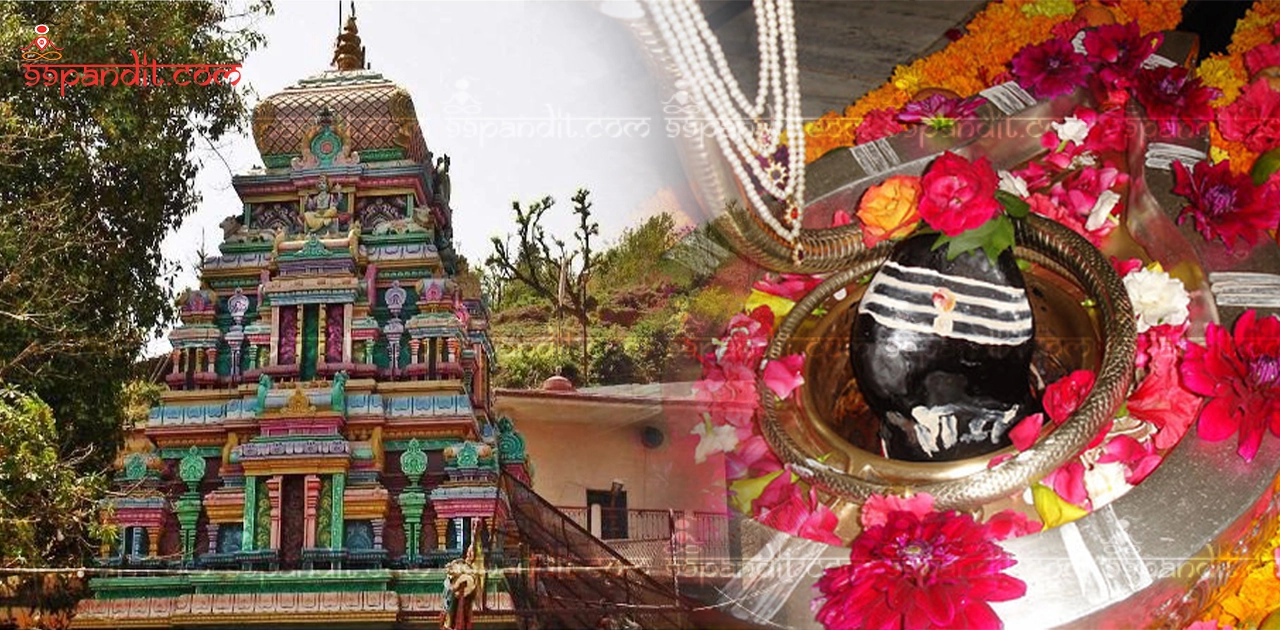
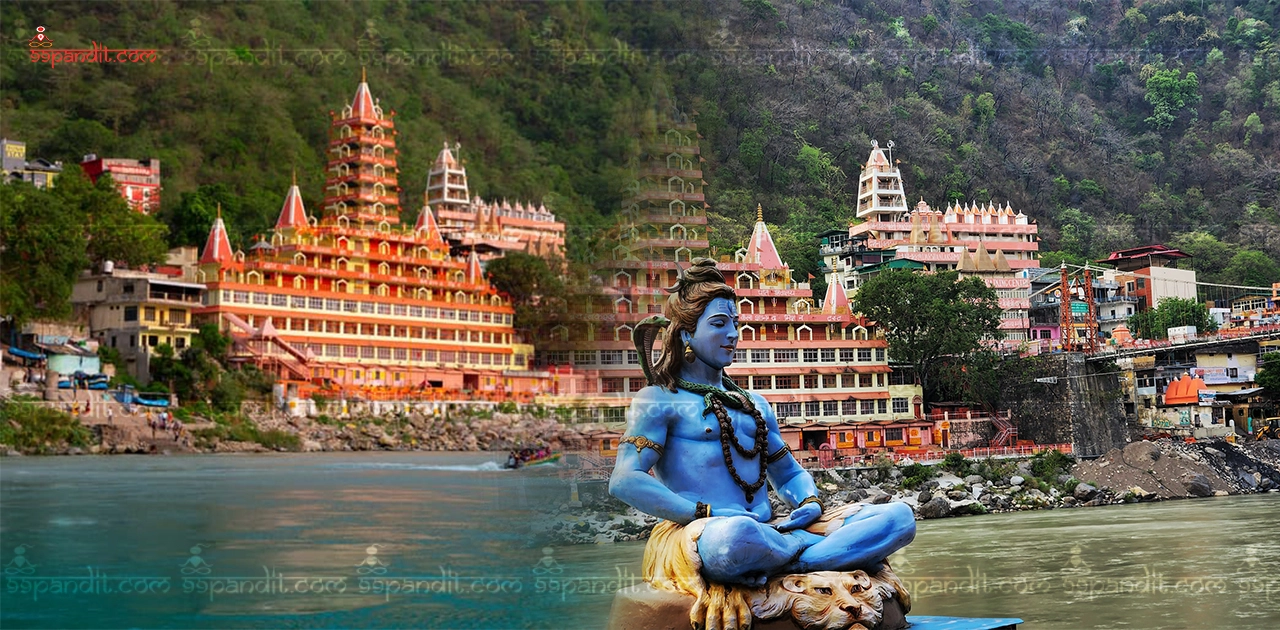
Due to the impact of halahal, his throat become blue in colour. Lord Shiva came to be known as Lord Neelkanth. Legend states that Neelkanth Mahadev Temple in Rishikesh is the spot where Lord Mahadev consumed halahal to save all creation. It is one of the most sacred sites in Hinduism.

This site possesses a unique aura. Devotees visit this place to seek blessings of Lord Neelkanth for peace, prosperity, and spiritual solace. They avail their chance to pay homage to Lord Neelkanth Mahadev who had averted destruction of the universe.

Temple Architecture of Neelkanth Mahadev

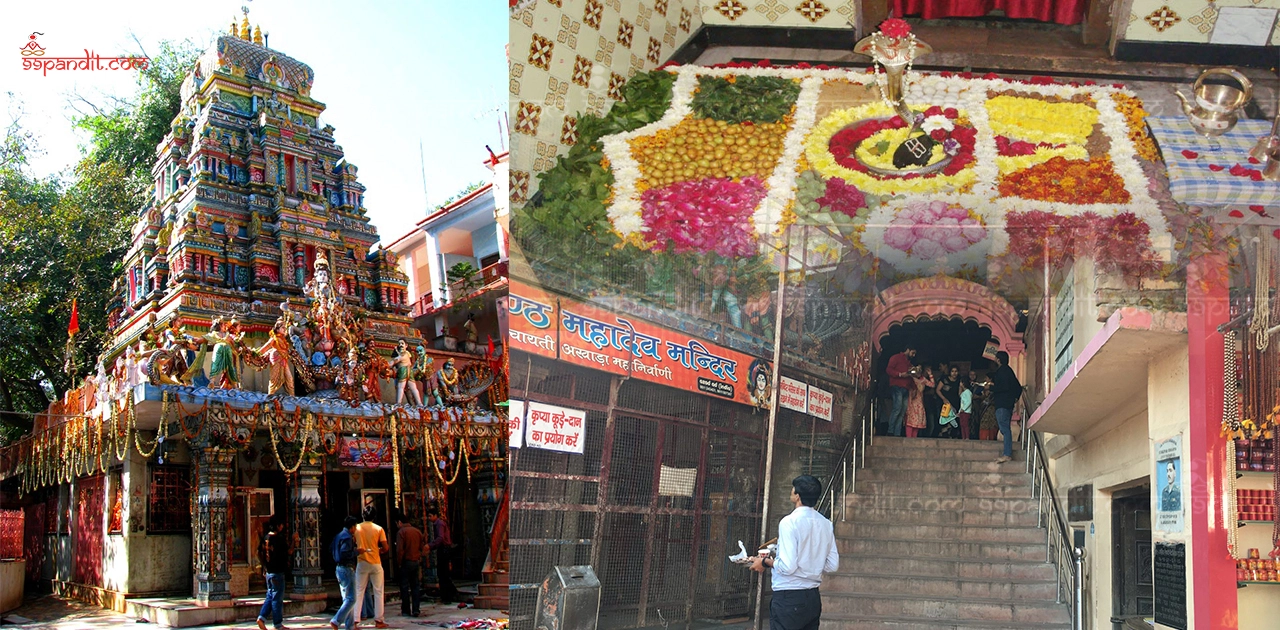
Neelkanth Mahadev Temple in Rishikesh showcases unique architectural style. It is a blend of different captivating architectural styles. There is a significant influence of Dravidian architecture on the architecture this magnificent temple.

The towering shikhara of the temple catches the attention of the devotees. Intricate carvings on the walls of the doorways and walls. The sanctum sanctorum of Neelkanth Mahadev temple houses the revered idol of Lord Neelkanth. Blue throat of Lord Neelkanth acts as a constant reminder of the legendary sacrifice of Lord Mahadev during samudra manthan.

99pandit

100% FREE CALL TO DECIDE DATE(MUHURAT)

99pandit

Smaller shrines dedicated to other deities such as Lord Ganesh, Devi Parvati, and Lord Kartikeya are also present inside the temple complex. This special tapestry of Hinduism located in the Shivaliks attracts deevotees from all parts of India and foreign countries also.

Natural beauty of the site adds to the charm of this temple. Devotees visiting the temple embrace lush green hills and calm valleys. The journey to Neelkanth Mahadev Temple in Rishikesh offers a sense of peace and tranquility to the devotees.

Neelkanth Mahadev Temple: A Spiritual Tapestry

Devotees from all walks of life seek blessings of Lord Neelkanth Mahadev. Large number of devotees visit Neelkanth Mahadev Temple during the holy month of Shravan to seek blessings of Lord Mahadev. Devotees participate in the holy Kaanwar Yatra during this time.

They carry holy water from Ganga River (Ganges) and offer it to Lord Mahadev in temples dedicated to Lord Shiva (Mahadev) such as Neelkanth Mahadev Temple in Rishikesh. The atmosphere of this temple is engulfed with spiritualism and devotion during this important month.

Natural Delight:

Neelkanth Mahadev Temple in Rishikesh holds high spiritual significance for the devotees. Besides the spiritual significance, this place is a haven for nature lovers and people seeking respite from the hustle and bustle of everyday life. The breathtaking views of the Shivaliks and the calm and serene environment creates an ideal environment for yoga, meditation, and spiritual rejuvenation.

Read further to know more about Neelkanth Mahadev Temple in Rishikesh.

Enduring Legacy of Neelkanth Mahadev

Neelkanth Mahadev Temple in Rishikesh is more than just a place of worship. It is a testament to the faith, perseverance, and power of Hinduism. The legend of Lord Neelkanth serves as a constant reminder of the selfless sacrifice and compassiions of Lord Shiva.

Neelkanth Mahadev Temple in Rishikesh offer spiritual solace to a wide range of people. Devotees, pilgrims, nature buffs, travellers, and trekkers visit this temple. The Neelkanth Mahadev Temple offer unique experience to the visitors. People leave this place with a lasting impression.

Festivals and Celebrations

India is a land of celebrations and festivals. People celebrate many festivals in India. Every one or two months, people of India celebrate an important festival. Almost all the festivals are celebrated to seek the blessings of the deities.

For example, devotees celebrate Mahashivratri to seek blessings of Lord Mahadev. They also seek his blessings by celebrating Shravan Somvaars during the auspicious month of Shravan. Important festivals celebrated at the Neelkanth Mahadev Temple in Rishikesh are listed.

Shravan Maas (month)

Devotees take part in Kaanwar Yatra during the auspicious month of Shravan. Kaanwar Yatra is one of the busiest times at this temple. The whole atmosphere of the temple is filled with mantras chanting, devotional songs, and bhajans.

Maha Shivratri

The festival of Maha Shivratri is usually celebrated in the months of February or March. Devotees celebrate this festival to mark the wedding of Lord Shiva and Devi Parvati.

Neelkanth Mahadev Temple

Special puja and rituals are performed to seek blessings of this divine pair on the occasion of Mahashivratri. Devotees come in large numbers to seek blessings at the Neelkanth Mahadev Temple.

Navratri

Navratri is one of the most important festivals in Hindusim. Special puja and rituals are held in the Neelkanth Mahadev Temple to worship nine different forms of Devi Durga.

Devotees associate the eighth form of Devi Durga, Mahagauri, with Devi Parvati. Navratri celebrations in the temple are held with full fervour and devotion.

A Glimpse into Local Culture

People visiting Neelkanth Mahadev Temple in Rishikesh get a chance to immerse themselves in the rich cultural tapestry of Garhwal, Uttarakhand.

Daily Aarti

Devotees visit the temple to take part in the daily arti. This rhythmic musical chanting and waving of diyas (earthern oil lamps) in front of the deities gives a mesmerizing experience to the devotees.

Community Kitchen

Free food (langar) is served at the temple on some occasions for the devotees. Taking part in the langar helps the devotees in connecting with members of the local community and getting a chance to experience their warmth and hospitality.

Faith and Religion

The Garhwal region offers a vibrant culture rich with history, religion, and natural beauty. Religion is one of the most important aspects of Garhwali culture.

Garhwal region is present in Uttarakhand which is renowned as ‘Devbhumi’. Numerous pilgrmage sites such as Neelkanth Mahadev Temple and Char Dhams are present in Uttarakhand.

Local Folklore

The Garhwal region has a rich tradition of folk music and local dance forms. The soulful beats of ‘Langvir Nritya’ and the energetic dance form of ‘Jhoomar’ creates a lasting impression for the devotees.

The tunes of local instruments, Ranisingha and Daf, resonates through the valleys and creates a unique experience for the devotees.

Evenings in this region can come alive with stories of legends and folk stories narrated by the elders. They keep the traditions alive and pass on the wisdom to next generations.

Garhwali Attire

The people of Garhwal are known for their hard work and resilience. They lead a simple life in harmony with nature. Garhwali attire is distinct and vibrant.

Women typically wear ‘Garhwali Angrakhas’ and sarees. Men wear kurta pyjamas along with Garhwali caps.

Garhwali Delicacies

Garhwali cuisine is rich in taste and nutrition. Devotees visiting Garhwal cherish delicacies such Mandua Ki Roti, Gahat Ki Daal, and bhutta. Other important dishes served in the region include Chainsoo, Kandalee Ka Saag, and Kafuli.

The people of Garhwal are known for their sense of community and support for members of the community. This connection is specially visible during celebrations and festivals.

Visitors in Garhwal are welcomed with open arms. They are treated with warmth, affection, and generosity. A visit to Garhwal leaves a lasting impression in the minds of the devotees.

Key Points To Remember

Best Time to Visit

The Neelkanth Mahadev temple remains open all round the year for the devotees. Devotees visit Neelkanth Mahadev Temple in large numbers during the holy month of Shravan (July – August). Significant number of devotees also visit this temple during weekends.

99pandit

100% FREE CALL TO DECIDE DATE(MUHURAT)

99pandit

Devotees visiting this temple for spiritual solace should visit the temple during weekdays. The best time to visit the temple is during the spring and autumn season. They can visit this temple during March to May and also during September to November for a pleasant experience.

Best Route

Neelkanth Mahadev Temple is located 32 kilomteres from Rishikesh. It is easily accessible by road. Devotees can easily book cabs or taxis from Laxman Jhula area in Rishikesh.

Devotees looking for adventurous journey amid natural beauty can also take the trek to reach Neelkanth Mahadev Temple. The starting point of this trek is located in the Rajaji Tiger Reserve. Nearest landmark to reach this spot is Geeta Bhavan Number 5.

Best things to Carry

Devotees visiting this temple should note that it is better to carry a water bottle and some snacks. It can take more than five to six hours for the devotees to return back to Rishikesh. Not many options are available for the devotees in the route.

Best Things to Offer

Devotees visiting the temple carry offerings such as milk, flowers, flower mala, bel patra, bael fruit, and dhatura to offer to Lord Neelkanth Mahadev. Devotees can also carry sweets and fruits to offer to Lord Mahadev.

They can easily purchase these articles from Rishikesh. It is better to purchase these articles from Rishikesh. In case they forget, they can also purchase these offerings from shops located near the temple. Do not forget to negotiate the price before purchasing.

Best Accomodation

Some devotees reach the temple after a lengthy trek from Rishikesh. In some cases they prefer an overnight stay near the temple complex.

Such devotees can find hotels and guest houses near the temple complex. It is better to find accommodation in Rishikesh. Devotees can select from a wide range of options such as budget friendly hotels, homestays, and luxury resorts.

Dress Code for Neelkanth Mahadev Temple

Neelkanth Mahadev temple is one of the most important temples in Hinduism. It is important for the devotees to adhere to a modest and respectful dress code to maintain the sanctity of this temple. Devotees can keep the following points in mind.

Neelkanth Mahadev Temple

Devotees can avoid wearing excessively fancy clothing. It is appropriate to not wear revealing clothes for visiting the temple.

Devotees visiting the temple should consider wearing clothes as per the existing weather conditions. Weather conditions in Rishikesh are usually hot and humid except for the winter months of November, December, January, and February.
For summer months, devotees should consider wearing airy and comfortable fabrics such as linen and cotton. In the winter months, it is important to carry woollen clothing. Devotees planning to cover their heads should carry a scarf or a dupatta for this purpose.

Male devotees can wear traditional Indian outfits such as kurta pyjama or dhoti kurta. Female devotees can wear traditional clothing such as sarees or salwar suits. It is important to select traditional but comfortable clothing for the visit.

Last but not least, it is a common practice in Hinduism to remove footwear near the temple complex before entering. Devotees should be prepared to take off their shoes before entering the temple.

Nearby Places

Rishikesh is nested in the foothills of the Himalayas. This spiritual and holy town located on the banks of river Ganga (Ganges) holds immense spiritual significance in Hinduism.

It is a popular destination for adventure seekers, pilgrims, and people who want an escape from the hustle and bustle of everyday life. Some of the most important must visit places in Rishikesh are listed.

Ram Jhula, Janki Jhula, and Lakshman Jhula

Ram Jhula, Janki Jhula, and Lakshman Jhula are suspension bridges. Janki Jhula was inaugurated after the Covid – 19 lockdown period. These bridges are the iconic landmark places of Rishikesh.

People get to experience picturesque views of the mighty river Ganga and the nearby hills by visiting these bridges. People visiting Rishikesh mostly take a walk across these bridges to get a feel of the essence of Rishikesh.

Triveni Ghat

Triveni Ghat is one of the largest ghats in Rishikesh. Mesmerizing Ganga Arti is held every evening. Devotees offer floating diyas to Devi Ganga. Melodious bhajans and chanting of mantras creates a spiritually uplifting atmosphere for the devotees.

The Beatles Ashram

The Beatles Ashram is also known as Maharishi Mahesh Yogi Ashram. This ashram gained popularity worldwide when music band ‘The Beatles’ visited this ashram in 1968.

In the present time, it is one of the most visited meditation centers in Rishikesh. People visit this ashram to learn yoga, meditation, and other traditional Indian practices.

Parmarth Niketan Ashram

The Parmarth Niketan Ashram is one of the largest ashrams located in Rishikesh. Devotees from many countries visit this ashram for their spiritual awakening.

They visit this ashram for spiritual programs, environment related activities, and yoga and meditation classes. The rooms available for the devotees in the ashram are spacious and comfortable for long stays.

Delicious vegetarian food is offered in the common kitchen of the ashram. Large number of devotees visit this Parmarth Niketan Ashram for the evening Ganga Arti.

Large number of people visit Rishikesh. The list of visitors includes adventure seekers, pilgrims, nature lovers, and foreign travellers. This blog post has already covered the most important locations in Rishikesh.

Other important locations include Vashishtha Gufa and Kunjapuri Devi Temple. People visiting Rishikesh should make their plans in a way such that they can cover most of the important locations in the least time. Read further to know more about the interesting activities in Rishikesh.

Activities

River Rafting:
Rishikesh is the go to destination for adventure enthusiasts. People from many parts of the country and foreign countries visit Rishikesh to take part in the river rafting.

99pandit

100% FREE CALL TO DECIDE DATE(MUHURAT)

99pandit

They come experience to experience the thrill in navigating through the various swirls and rapids in mighty Ganga river. River rafting is challenging but an exhilarating experience for the participants.

Bungee Jumping:
People get amazed when they come to know about ‘Jumpin Heights’. It is the highest bungee jumping spot in India (83 m).The experience offered here is unparalleled.

People experience the ultimate adrenaline rush when they take the leap of faith forward. The scenic view during free fall offers once in a lifetime memory for the participants.

Final Thoughts

The Neelkanth Mahadev Temple in Rishikesh is one of the most important temples of Lord Shiva. It is located in the foothills of the Himalayas. This place is a rich confluence of spirituality and natural beauty.

People seeking spiritual upliftment or a break from the daily routine visit Neelkanth Mahadev Temple. The visit to Neelkanth Mahadev Temple goes beyond the ordinary. The experiences created during the visit stay with the visitors for a long time.

Make sure to visit Neelkanth Mahadev Temple in Rishikesh next time you plan a trip to Rishikesh. Visit this divine temple to embrace the rich natural beauty, serenity, and experience the legacy of sacrifice of Lord Mahadev.

Find out more about important Hindu temples such as Mahakaleshwar Temple in Ujjain, Shri Kashi Vishwanath Temple in Varanasi, and Konark Sun Temple in Konark on 99Pandit. Visit the website or application of 99Pandit to find out more.

Frequently Asked Questions

Q.What is the significance of Neelkanth Mahadev Temple in Rishikesh?

A.Neelkanth Mahadev Temple in Rishikesh is one of the most important temples of Lord Shiva. This temple is located in Shivalik mountains. It is the spot where Lord Shiva had saved all creation.

Q.How to reach Neelkanth Mahadev Temple in Rishikesh?

A.Neelkanth Mahadev Temple is located 32 kilometers from Rishikesh. Devotees visiting the temple can take a cab or a taxi from Lakshman Jhula to reach this temple.

Q.What is the entry fee for Neelkanth Mahadev Temple in Rishikesh?

A.There is no entry fee for devotees visiting Neelkanth Mahadev Temple.

Q.What are the timings to visit this temple?

A.Temple opens for the devotees at 5 am. It remains open till 6 pm. Devotees should make their plans in accordance with this timing.

Q.Is photography allowed inside the temple?

A.Photography is not allowed inside the sanctum of the temple.

Konark Sun Temple: History, Architecture, Mystery, and How to Reach

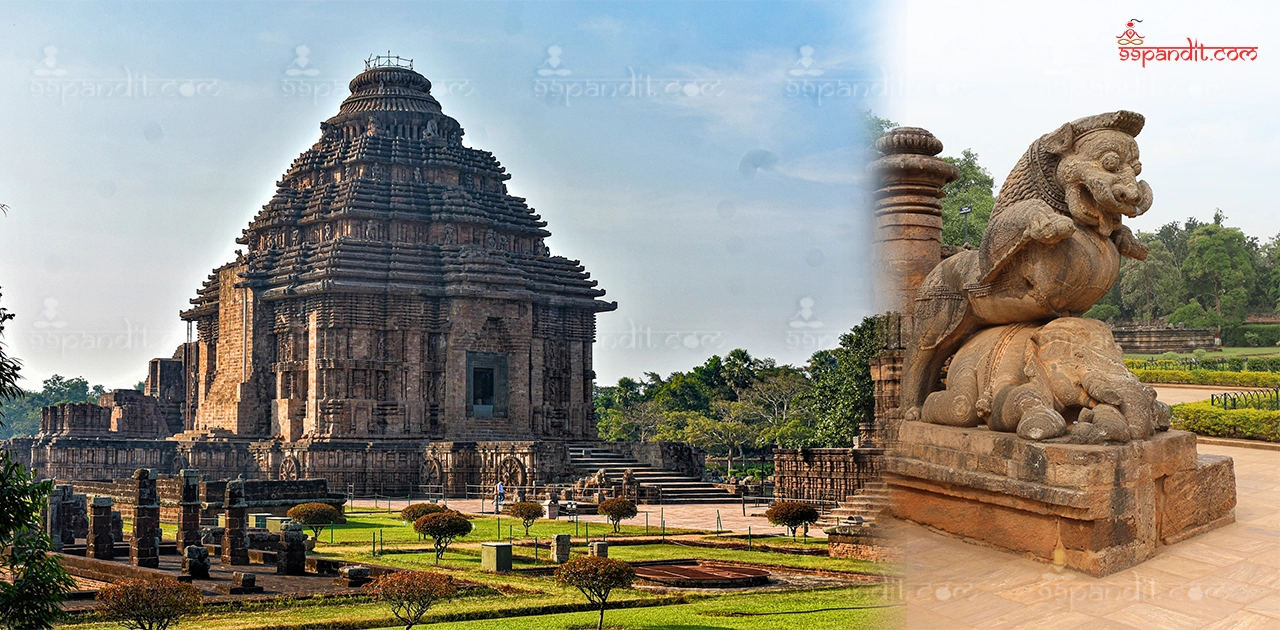
Konark Sun Temple is a magnificent monument located on the East Coast of India. This magnificent temple dedicated to Lord Sun is more than just a place of worship. Artistically speaking, it is more of a poem carved in stone.

The architecture of Konark Sun temple has influenced many modern-day buildings in India including the parliament building in New Delhi. It is an existing testament to the engineering prowess and architectural brilliance of the bygone era.

Konark Sun Temple

This blog post covers all the important information you need to know about the Sun temple in Konark. This post unravels the history, intricate sculptures, architectural marvels, and mysteries surrounding this marvel dedicated to Lord Sun.

Konark Sun Temple: UNESCO World Heritage Site

The Konark Sun Temple is one of the most magnificent temples dedicated to Lord Sun. This architectural marvel located in the Eastern state of Odisha is admired by visitors visiting this site from many countries of the world.

The Konark Sun Temple was given UNESCO World Heritage Site status in 1984. UNESCO gives this recognition only to architectural marvels. The Konark Sun Temple is one such marvel.

It was given this recognition because of its intricate carvings, magnificent architecture, and rich cultural heritage preserved for more than one thousand years.

This gem stands tall as a testament to the ingenuity and skill of the craftsmen who built it in the 13th century. UNESCO World Heritage Site has further helped in the preservation and protection of this iconic monument for future generations.

Temple History

The origins of the Sun Temple can be traced back to the 13th century. This magnificent temple was built by King Narasimhadeva I, a ruler of the Eastern Ganga dynasty. Historical evidence suggests that this temple could have been built to celebrate King Narasimhadeva I’s military victory.

The word Konark is derived from the Sanskrit words ‘Konn’ and ‘Ark’. Konn means corner and ark means Sun. Thus, the word Konark translates into ‘corner of Lord Sun’ or ‘Place of Lord Sun’. This meaning clearly reflects the dedication of this temple to Lord Sun.

99pandit

100% FREE CALL TO DECIDE DATE(MUHURAT)

99pandit

The shape of this temple, designed in the form of a chariot, is positioned as if it is ready to carry Lord Sun across the sky. The main tower of this temple, also known as Vimana, collapsed centuries ago. It is believed that it had collapsed as a result of a variety of reasons including inclement weather and shifting of the foundations.

Despite the collapse of the Vimana structure, the remaining structure of the temple stands tall as a powerful symbol of resilience. It is a testament to the original grandeur of this magnificent temple.

Grand Chariot of Konark Sun Temple

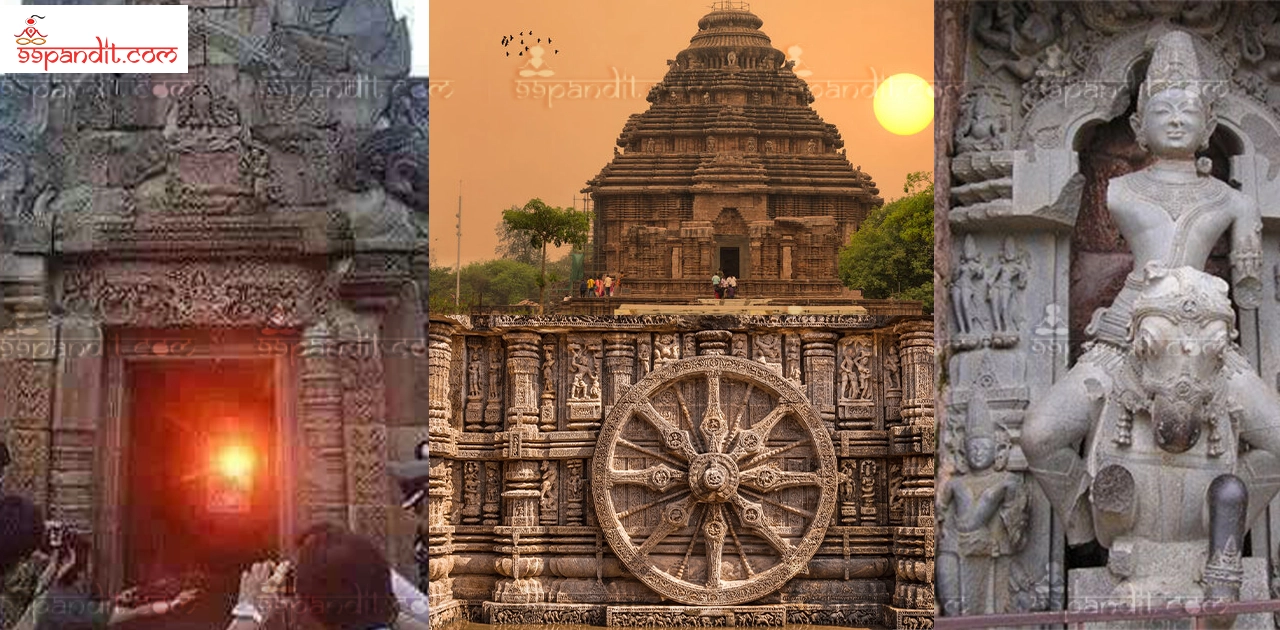
The most striking feature of the Konark Sun Temple is its unique design. It is not like most traditional temples in India. This temple is in the form of a colossal chariot carrying Lord Sun across the heavens. The design of this temple goes way beyond the normal architecture and design of temples.

Konark Sun Temple

The entire structure of Konark Sun Temple is built with Khodalite rock. Khondalite rocks are reddish brown. The magnificent part is that this rock turns to an almost black colour as soon as the first rays of new dawn touch its surface. It is for this reason that the early European sailors visiting this temple labelled it as ‘Black Pagoda’.

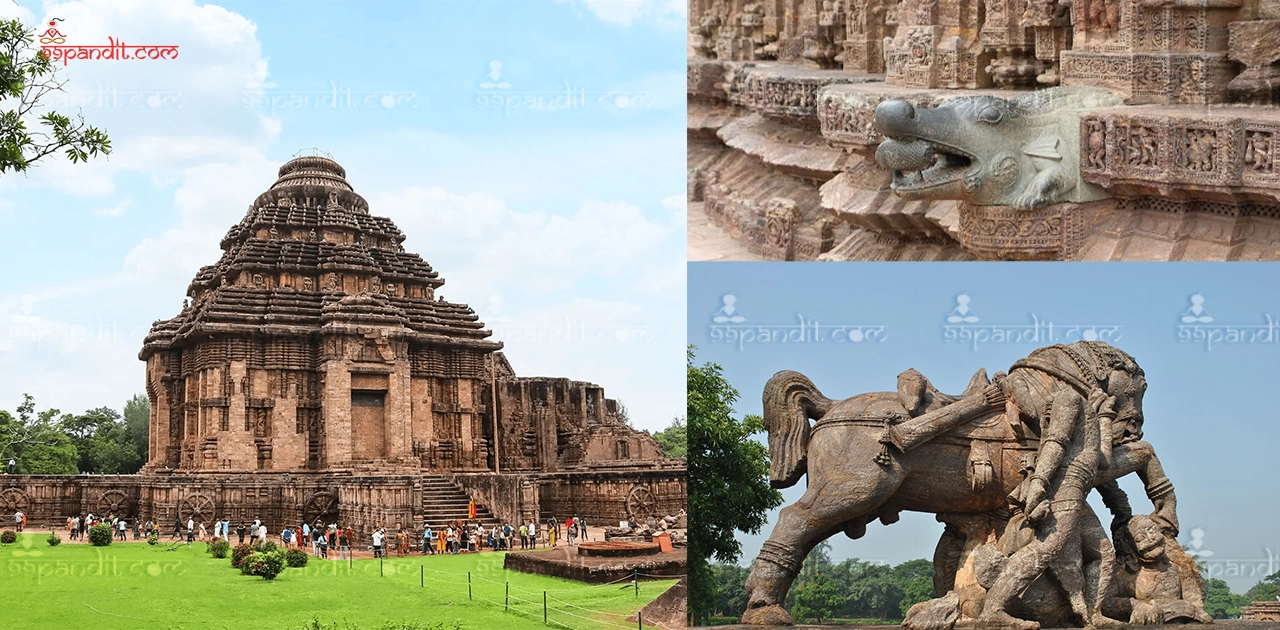
The stone-built chariot rests on 12 pairs of intricately crafted stone wheels. These wheels symbolize the months in a year and the process of passage of time. Seven mighty horses present in the temple complex seem eager to propel the chariot structure on the celestial journey.

Devotees living in India come across the magnificent wheels of this chariot regularly. Most of the devotees know Konark Sun Temple for these magnificent wheels. It is an attractive photography destination for visitors. Devotees visiting the temple usually click pictures with these wheels in the background and make memories for a lifetime.

Magnificent Sculptures

The Konark Sun Temple is no ordinary temple. It is a marvel of architecture. It is a grand canvas adorned with magnificent stone sculptures. Each spot of this grand temple is crafted with perfection. The Temple complex also includes a dining hall (Bhog Mandir) and a dance hall (Naat Mandir).

Every sculpture in the temple complex is intricately carved. There are a large number of depictions of scenes from Hindu mythology, rituals of Hinduism, and everyday life at the time when the temple was built. The sheer variety of the sculptures enthrals the visitors.

They are captivated by the depictions of mythical creatures, celestial beings, dancers, and musicians. The extent of details in the depictions is refreshing and breathtaking. It depicts the exceptional skills of the artisans who made these figures and brought them to life with their craft.

A closer look at these sculptures makes the visitors think that these sculptures are something more than aesthetic pieces of design. In a way, they narrate stories and offer a glimpse into the socio-cultural and religious fabric of human life at that time.

Mysteries, Legends, and Unanswered Questions

People visiting the temple believe that the Konark Sun Temple is more than what meets the eye. Many aspects of this temple are covered in a veil of mystery. There are many legends and mysteries surrounding this temple.

One such legend is regarding the magnificent tower (Vimana) that was once present inside the temple structure. It is believed that there was a magnet positioned at the top of the Vimana that mysteriously appeared to defy the laws of gravity.

99pandit

100% FREE CALL TO DECIDE DATE(MUHURAT)

99pandit

Some believe that Muslim invaders destroyed some parts of the temple including the sanctum in the thirteenth century. The truth behind this story remains elusive to this day. However, it adds to the aura of mysteries associated with this temple.

Another mystery associated with the temple is regarding the original plan of the temple. Authentic historical records on the topic are few. There are only speculations regarding the height of the temple complex and the presence of other structures that were originally intended to be a part of the temple complex. Architectural excavations have taken place in the past but much more remains to be discovered.

Konark Sun Temple: Unending Legacy

Konark Sun Temple stands tall as a powerful symbol of the rich cultural heritage of India. It is not only a site of architectural marvels, Hindu devotees visit this site to pray to the Lord Sun.

To this day, Konark Sun Temple acts as an inspiration for architects and artists. It gives them a window to look into the glorious past of India.

Konark Sun Temple

The listing of this site as a UNESCO World Heritage Site ensures that future generations can preserve it. Regularly, people make efforts to protect, maintain, and restore sites inside the temple complex.

Efforts to preserve ensure the protection of this site for future generations. It is also a way to make sure that this architectural gem continues to inspire the coming generations.

How to Reach Konark Sun Temple

Devotees from all parts of India and travellers from many countries of the world visit Konark Sun Temple. There are mainly three ways in which they can reach this temple. We list ways to reach the temple.

By Road

Konark has good connectivity with major cities in Odisha such as Puri, Sambalpur, and Bhubaneshwar. Devotees can take a bus or a taxi based on their requirements and preferences. Buses regularly operate between Konark and cities such as Bhubaneshwar and Puri.

Taking a bus is a budget-friendly option. However, it can be a more time-consuming option in comparison to taxis. Devotees preferring comfort and convenience opt for taxis.

By Rail

The nearest railway station is located in Puri. It is located 36 kilometres from Konark. Devotees can easily catch buses or taxis to reach Konark Sun Temple. Devotees can easily reach the temple within an hour.

By Air

The airport located nearest to Konark Sun Temple is Biju Patnaik International Airport in Bhubaneshwar. It is located 64 kilometres from the temple. Devotees can easily catch buses or taxis to reach Konark Sun Temple. It takes less than two hours to reach the temple.

Dress Code

Konark Sun temple is one of the most important temples in Hinduism. It is important for the devotees to adhere to a modest and respectful dress code to maintain the sanctity of this temple. Devotees can keep the following points in mind.

Devotees can avoid wearing excessively fancy clothing. It is appropriate to not wear revealing clothes for visiting the temple.

Devotees visiting the temple should consider wearing clothes as per the existing weather conditions. Weather conditions in Konark are usually hot and humid except for the winter months of December, and January.

99pandit

100% FREE CALL TO DECIDE DATE(MUHURAT)

99pandit

For summer months, devotees should consider wearing airy and comfortable fabrics such as linen and cotton. In the winter months, it would be better to carry woollen clothing. Devotees planning to cover their heads should carry a scarf or a dupatta for this purpose.

Male devotees can wear traditional Indian outfits such as kurta pyjama or dhoti kurta. Female devotees can wear traditional clothing such as sarees or salwar suits. It is important to select traditional but comfortable clothing for the visit.

Last but not least, it is a common practice in Hinduism to remove footwear near the temple complex before entering. Before entering the temple, devotees should prepare to take off their shoes.

Key Points to Remember

The best time to visit Konark Sun Temple is from October to March. The weather in Konark is pleasant during this time.

The organizers host the annual dance festival, also known as the Konark Dance Festival, in the month of December.

The temple complex remains open from 6 am to 8 pm for the visitors.

Indian visitors must pay an entry fee of INR 40. Foreigners have to pay INR 600 for the same.

The distance between Konark Sun Temple and Lord Jagannath Temple in Puri is approximately 36 kilometres. It takes less than an hour to travel between the two locations by car.

Final Glimpse

The Konark Sun temple is a grand testament to the enduring power of human creativity and timeless Architecture. This magnificent monument transcends time and tells the tale of the glorious past of India. It inspires awe in the visitors.

Konark Sun Temple has something to offer for every visitor. Devotees, history buffs, and travellers throng the temple complex throughout the year. Visitors dive deep into the ancient traditions of India and marvel at the rich architectural heritage of the place.

They fall short of words to appreciate this rich tapestry of the culture of India. India is rich in architectural marvels. There are many temples of architectural importance located in India. Devotees visit temples such as Shri Mahakaleshwar temple and Shri Banke Bihari Temple to seek blessings of the deities.

People can read about temples such as Shri Padmanabh Swami Temple and Shri Kashi Vishwanath Temple on 99Pandit. Devotees can visit the website or application of 99Pandit to find out more information about important temples in India.

Frequently Asked Questions

Q.Where is Konark Sun Temple located?

A.Konark Sun Temple is located in Konark. Konark is located in the Puri district of Odisha.

Q.How to reach Konark Sun Temple?

A.Devotees and travellers visiting the Konark Sun Temple can easily reach this temple through road, rail, and air connectivity.

Q.What is the dress code for visiting Konark Sun Temple?

A.Devotees visiting the Sun Temple in Konark should wear decent and respectful clothing for visiting this temple. Male devotees can wear kurtas and female devotees can wear sarees.

Q.What is the benefit of visiting Konark Sun Temple?

A.Devotees visit the Sun Temple in Konark to seek the blessings of Lord Sun for peace, prosperity, and happiness.

Banke Bihari Temple: History, Significance, and How to Reach Vrindavan

Banke Bihari Temple: Vrindavan, the land reverberating with the immortal love story of Lord Krishna and Devi Radha, pulsates spiritual energy among the devotees coming from all parts of the world. At the heart of Vrindavan lies the Banke Bihari temple.

It is not just another temple dedicated to worshipping Lord Krishna. It is a live example of devotion, rich history, and captivating legends associated with the deity. The Banke Bihari temple located in Vrindavan is unlike any other temple dedicated to Lord Krishna.

Banke Bihari Temple

Read this complete blog post to find out the most interesting facts about this Vaishnav temple dedicated to the baby boy form of Lord Krisha.

Lord Banke Bihari: The Enigmatic Deity

Lord Banke Bihari also revered as Bihari Ji is one of the most captivating deities in Hinduism. Banke Bihari Ji stands in an enchanting ’Tribhanga’ posture. As per the legends in Hinduism, the idol of Banke Bihari temple is older than the temple itself.

The idol of Bihari Ji was unearthed mysteriously by a great devotee of Lord Shri Krishna, Swami Haridas, a saint who was known for his unparalleled devotion to Lord Shri Krishna. The origins of the idol of Bihari Ji remain shrouded in mystery.

99pandit

100% FREE CALL TO DECIDE DATE(MUHURAT)

99pandit

It is believed that earlier Bihari Ji was worshipped in Nidhivan. Nidhivan is a spiritual grove located near the present-day temple of Banke Bihari Ji. Devotees believe that Lord Banke Bihari Ji and Devi Bihari perform the eternal celestial dance in this complex every night.

This spiritual celestial dance is also known as Maha Raas. Presently, Lord Banke Bihari is worshipped in a large temple complex located in the heart of Vrindavan. The exact year of shifting the idol of Bihari Ji from Nidhivan is not known.

It is believed that the process of shifting the idol was completed in the mid-1800s. The exact reasons for shifting the idol remain a mystery to this day. The architecture of this temple is modest. The main attraction of the temple for the devotees is the powerful spiritual aura that envelopes the devotees visiting this temple.

Banke Bihari Temple: Adobe of Lord Banke Bihari

A dedicated temple for Lord Banke Bihari was constructed in 1864. Construction of the temple was completed after the relocation of the idol from Nidhivan. A visit to the Banke Bihari temple is a joyous spiritual experience for the devotees.

The main intention of the devotees behind visiting the temple is to get a glimpse of the deity. The compound of the temple complex comes alive throughout the day with the melodious bhajans and the chanting of the devotees.

Large crowds throng the temple compound on weekends and festivals such as Holi. During this time, the temple complex becomes an arena of joyous celebrations, melodious bhajans, and vibrant colours.

The Banke Bihari temple offers a rich spiritual experience that goes beyond the temple walls. Devotees can explore the serenity of this temple town and delve into the rich history of devotion of Vrindavan. Devotees from all over the world visit Vrindavan to experience the magical vibe and get closer to Lord Shri Krishna.

It is important to note that Banke Bihari is not only a location on the map, it is a rich relaxing tapestry for the soul. Devotees, pilgrims, and even casual travellers visit this spiritual epicentre of Vrindavan.

The Banke Bihari temple offers an unforgettable experience for visitors. People visiting the temple make sweet memories and leave with a lasting impression of faith, devotion, and positivity.

Key Points to Remember for Visitors

Devotees visit the Banke Bihari temple for a rich spiritual experience. By keeping some important points in mind, they can make sure that their experience in the temple visit is full of devotion and joy by following these simple instructions.

Banke Bihari Temple

Beware of Touts

More and more touts have started occupying the temple area in recent times. Devotees visiting the temple should be mindful of the offers made by these touts offering darshan of the deity for payment of a fee.

Darshan at the Banke Bihari temple is free for the devotees. Importantly, devotees visiting the temple during peak hours should be mindful of their belongings.

Prohibition of Photography

Young devotees visiting the temple complex should note that photography in the temple complex is prohibited. Youtubers and Instagram marketers can not capture the serenity of the sanctum sanctorum of this place through their lenses.

Banke Bihari temple is a place to embrace silence. The good news for the lens freaks is that photography is restricted but allowed in the sanctum and compound of the temple. They can easily capture the spiritual and vibrant vibe of this place on their cameras.

Holi 2024 Celebration in Vrindavan

Holi is one of the most important festivals in Hinduism. People belonging to other religions also celebrate this festival with joy and devotion. Holi, the festival of colours, is celebrated annually with great fervour in Vrindavan.

Vrindavan transcends into a vibrant holy town during the celebration of Holi 2024. Devotees visiting the temple town come here to celebrate Holi with their respected deity. Holi celebrations in Vrindavan go beyond the usual splash of coloured powder (Gulaal) and sprinkling water jets (Pichkaari).

99pandit

100% FREE CALL TO DECIDE DATE(MUHURAT)

99pandit

Devotees celebrate Holi in Vrindavan to remember the playful acts that Lord Shri Krishna performed with his devotees. Devotees also celebrate the divine connection between Lord Shri Krishna and Devi Radha. Holi celebrations in Vrindavan and the larger area of Brij (Brij Kshetra) begin almost one month prior to the actual day of Holi.

Music and dance form an inseparable part of these celebrations. These festivities are known as Faag Utsavs. Devotees play Holi with fresh flowers to appease their respected and beloved deity (Lord Shri Krishna).

Key Versions of Brij Ki Holi

Lathmaar Holi
Lathmaar Holi is famous in Barsana, a village neighbouring Vrindavan. Women playfully chase men away with sticks. They enact this to remember the playful anger displayed by Devi Radha for Lord Shri Krishna.

Phoolon Ki Holi
Phoolon ki Holi is famous at the Banke Bihari temple in Vrindavan. Devotees visit the Banke Bihari temple and shower the deity with fragrant flowers. The whole temple complex becomes engulfed in divine spiritual scent.

Rangbharni Holi
Rangbharni Holi is the closest version of Holi played in other parts of the country. In Rangbharni holi, people drench each other in vibrant colours. A mesmerizing experience is created for them.

Celebrating Holi in Vrindavan is a unique blend of playful traditions, vibrant colours, and unwavering devotion of the devotees for Lord Shri Krishna. It gives the devotees an unforgettable experience that they cherish after returning back to their routine work.

How to reach Banke Bihari Temple, Vrindavan

The holy town of Vrindavan is located in the Mathura district of Uttar Pradesh. Vrindavan is well connected with other towns and cities through road and rail connectivity. It is also connected through air connectivity with major cities of India. Devotees can easily reach Vrindavan based on their budget and preferences. Convenient modes of connectivity are listed.

Banke Bihari Temple

By Road
Vrindavan is well-connected with all the major cities in India. Devotees can easily take a bus ride or hire a taxi to reach Vrindavan.

Both private and public buses ply between Vrindavan and nearby towns and cities such as Mathura on a regular basis.

By Rail
There is no railway station located in Vrindavan. The nearest railway station is located in Mathura (12 km). Goverdhan railway station is located 23 kilometres from Vrindavan.

Devotees can easily take e-rickshaws, auto rickshaws, or a taxi from these stations to reach Vrindavan. Do not forget to negotiate wherever possible.

By Air
The nearest airport is located in Agra. It is located approximately 68 kilometres from Vrindavan. Devotees can take a cab or a taxi to reach Vrindavan from Agra airport.

Dress Code for Banke Bihari Temple

Banke Bihari temple is one of the most important temples in Hinduism. It is important for the devotees to adhere to a modest and respectful dress code to maintain the sanctity of this temple. Devotees can keep the following points in mind.

Devotees can avoid wearing excessively fancy clothing. It is appropriate to not wear revealing clothes for visiting the temple.

Devotees visiting the temple should consider wearing clothes as per the existing weather conditions. Weather conditions in Vrindavan are usually hot and humid except for the winter months of November, December, and January.

99pandit

100% FREE CALL TO DECIDE DATE(MUHURAT)

99pandit

For summer months, devotees should consider wearing airy and comfortable fabrics such as linen and cotton. In the winter months, it would be better to carry woollen clothing. Some devotees cover their heads as a sign of respect for the deity. Devotees planning to cover their heads should carry a scarf or a dupatta for this purpose.

Male devotees can wear traditional Indian outfits such as kurta pyjama or dhoti kurta. Female devotees can wear traditional clothing such as sarees or salwar suits. It is important to select traditional but comfortable clothing for the visit.

Last but not least, it is a common practice in Hinduism to remove footwear near the temple complex before entering. Devotees should prepare themselves to take off their shoes before entering the temple.

Beware of Monkeys

Devotees wearing spectacles should be cautious of the monkeys present at the main entrance gate of the temple complex. Monkeys present atop the main entrance gate sometimes create menace when devotees await the opening of the temple gates for darshan.

They particularly target the spectacles of the devotees. Monkeys here are adept at taking away spectacles in swift movements. It can then become a challenge for the devotees to get back their spectacles. It is better to place the spectacles in a purse or a bag before visiting Banke Bihari temple.

Devotees can also keep their spectacles inside the room of their hotel or ashram as per their requirement.

Final Thoughts

Shri Banke Bihari temple is beyond any normal tourist destination. This temple town is well-rooted in history and takes the devotees closer to the captivating spiritual realm of Lord Shri Krishna. Both spiritual pilgrims and travellers visiting this spiritual Vaishnav tapestry located in the heart of Vrindavan get an unforgettable experience.

Catching the glimpse of Lord Banke Bihari at the temple, soulful melodies (bhajans), and captivating spiritual vibrations at the temple help the devotees in taking themselves closer to the spiritual realm. All the devotees visiting Bihari Ji for darshan leave with a sense of joy and inner peace. All the devotees visiting the temple town of Vrindavan are mesmerized by the magical experience this holy town has to offer.

Devotees from all over the country and from many countries of the world come to experience the magic in Vrindavan. People from countries such as the U.S.A. and the U.K. can be seen chanting the holy name and mantras of Lord Krishna in the streets of Vrindavan.

Temple darshan has a firmly rooted place in the hearts of the devotees. They visit these temples to seek the blessings of the deities for peace, prosperity, and happiness. Devotees can find all the information about temples such as Virupaksh temple, Shri Kashi Vishwanath Temple, and Mahakaleshwar temple on 99Pandit.

They can also book Pandit Ji for pujas such as Satyanarayan Puja, Bhumi Puja, and Rudrabhishek Puja on 99Pandit. Pandit for pujas, jaaps, and homams is within the budget of the devotees with the help of 99Pandit. Devotees enjoy booking Pandit Ji on 99Pandit.

Frequently Asked Questions

Q.Where is Banke Bihari temple located?

A.Shri Banke Bihari temple is located in the heart of Vrindavan, Uttar Pradesh. It is one of the most important temples dedicated to Lord Shri Krishna located in India.

Q.How to reach Banke Bihari temple?

A.Shri Banke Bihari temple is located in Vrindavan. Devotees can easily reach Vrindavan through road, rail, and air connectivity. The nearest railway station is located in Mathura.

Q.What is the dress code inside Shri Banke Bihari Temple?

A.Devotees visiting the Banke Bihari temple should consider wearing modest and respectful attire. Male devotees can wear kurta pyjama. Female devotees can wear a saree.

Q.What are the benefits of visiting Shri Banke Bihari Temple in Vrindavan?

A.Devotees visit the Banke Bihari temple to catch a glimpse of their respected deity. Devotees visiting the temple experience peace and powerful spiritual energy.

Char Dham Yatra : जाने यात्रा का महत्व तथा सम्पूर्ण जानकारी

Char Dham Yatra: चार धाम यात्रा का हिन्दू धर्म में बहुत महत्व है| हिन्दू धर्म की मान्यताओं के अनुसार चार धाम की यात्रा करने के व्यक्ति अपने जीवन के सभी पापों से मुक्त हो जाता है| तथा मोक्ष की प्राप्ति के लिए अग्रसर हो जाता है| आपको बता दे कि चार धाम यात्रा (Char Dham Yatra)सम्पूर्ण भारत देश में सबसे महत्वपूर्ण तथा श्रद्धेय तीर्थ यात्राओं में से ही एक मानी जाती है| चारों धाम की यह यात्रा केवल धार्मिक तथा आत्मिक दृष्टि से ही महत्वपूर्ण नहीं है, बल्कि यह यात्रा सम्पूर्ण भारत देश की समृद्धि तथा भारतीय परंपरा के विभिन्न पहलुओं को भी दर्शाती है|

Char Dham Yatra

इस वजह से केवल उत्तराखंड के ही नहीं बल्कि पुरे भारत देश से आने वाली भक्तगण इस चार धाम यात्रा (Char Dham Yatra) को अपनाते है जो भी व्यक्ति सच्ची श्रद्धा से इस यात्रा को पूर्ण करता है तो यह यात्रा उस व्यक्ति के जीवन का एक महत्वपूर्ण हिस्सा बन जाती है तथा उन लोगों को अपने धार्मिक और आत्मिक कार्यों के प्रति जागरूक रहने के लिए प्रेरित करती है| जिस कारण लोगों की आर्थिक स्थिति में भी सुधार होता है| चार धाम हिमालय में स्थित चार तीर्थस्थल है जिनमे यमुनोत्री (Yamunotri), गंगोत्री (Gangotri), केदारनाथ (kedarnath) तथा बद्रीनाथ (Badrinath) शामिल है|

इसके अलावा यदि आप किसी भी पूजा के लिए पंडितजी की तलाश कर रहे है तो 99Pandit एक ऐसा ऑनलाइन प्लेटफार्म है जिसकी वेबसाइट तथा ऐप की सहायता से आप किसी भी पूजा के लिए ऑनलाइन पंडित जी को अपनी भाषा में बुक कर सकते है| आप यहाँ से गणेश चतुर्थी पूजा (Ganesh Chaturthi Puja), रामायण कथा (Ramayan Katha), सुन्दरकाण्ड पाठ (Sunderkand Path) आदि विभिन्न पूजा के लिए पंडित जी बुक कर सकते है| 

चार धाम यात्रा कब शुरू होती है ? – Char Dham Yatra Kab Shuru Hoti Hai

आपकी जानकारी के लिए बता दे कि चार धाम यात्रा (Char Dham Yatra) की यात्रा की शुरुआत हरिद्वार से होती है| जो कि धार्मिक मान्यताओं के अनुसार चार धामों का प्रवेश द्वार भी माना जाता है| हरिद्वार एक बहुत ही लोकप्रिय धार्मिक तथा तीर्थ स्थलों में से एक है जो अपनी पवित्र गंगा नदी की वजह से सम्पूर्ण जगत में जाना जाता है|

यदि हम बात करें चार धाम यात्रा (Char Dham Yatra) की तो यह यात्रा प्रत्येक वर्ष के आरम्भ में अप्रैल या फिर मई के महीने से प्रारम्भ हो जाती है तथा यह यात्रा अक्टूबर या नवंबर तक ही चलती है|

99pandit

100% FREE CALL TO DECIDE DATE(MUHURAT)

99pandit

ऐसा इसलिए होता है क्योंकि सर्दी के समय अधिक बर्फबारी होने की वजह से की वजह से इस यात्रा को नवंबर के महीने तक समाप्त किया जाता है, जिससे यात्रा के लिए जाने वाले व्यक्ति को किसी भी प्रकार की कोई भी हानि न हो पाए| अब तक हमने जाना कि चार धाम यात्रा (Char Dham Yatra) क्या है तथा यह किस समय पर प्रारंभ होती है| अब हम आपको बताते है 99Pandit के बारे में| 

99Pandit एक ऐसा ऑनलाइन प्लेटफार्म है जिसकी सहायता से आप भूमि पूजन (Bhoomi Puja), नामकरण पूजा (Namkaran Puja) एवं गृह प्रवेश पूजा (Griha Pravesh Puja) जैसे अनेकों भिन्न – भिन्न पूजाओं के लिए ऑनलाइन पंडित जी बुक कर सकते है| 

चार धाम के बारे में सम्पूर्ण जानकारी – Complete Information About Char Dham

यमुनोत्री (Yamunotri)

यह चार धाम यात्रा (Char Dham Yatra) में आने वाला सबसे पहला तीर्थ स्थल यमुनोत्री (Yamunotri) माना जाता है जो कि भारत देश के उत्तराखंड राज्य में स्थित है| यमुनोत्री को यमुना नदी के उद्गम स्थल के रूप में भी जाना जाता है| यमुनोत्री का यह पवित्र मंदिर पूर्णत: देवी यमुना को समर्पित किया गया है|

कहा जाता है कि इस मंदिर में देवी यमुना की जो मूर्ति स्थापित की हुई है, वह काले संगमरमर के पत्थर का इस्तेमाल करके बनाई गयी है| यमुनोत्री हिन्दू धर्म के लोगों का सबसे पवित्र तथा धार्मिक स्थान माना जाता है| इस मंदिर की समुद्र तल से ऊंचाई 3,293 मीटर की है| यमुना नदी का उद्गम स्थान यमुनोत्री मंदिर से केवल 1 किलोमीटर की दूरी पर ही स्थित है| 

आपकी जानकारी के लिए बता दे कि यह मंदिर भारत देश के सुप्रसिद्ध चार धामों में शामिल किया गया है| इस मंदिर को चार धाम यात्रा (Char Dham Yatra) का पहला पड़ाव भी कहा जाता है क्योंकि यह मंदिर चार धाम का सबसे पहला स्थान है तथा चार धाम की यात्रा इस जगह से आरंभ होती है| आपको बता दे कि यमुनोत्री मंदिर किसी समय पर भूकंप के कारण ध्वस्त हो चूका था| जिसका पुनः निर्माण जयपुर की महारानी गुलेरिया के द्वारा 19वी सदी में करवाया गया था|

यमुनोत्री के बारे में कुछ रोचक तथ्य – Some interesting facts about Yamunotri

  • गंगा नदी के बाद सबसे पवित्र नदी का दर्जा यमुना नदी को दिया जाता है| हिन्दू धर्म को मानने वाले सभी  लोग देवी यमुना को गंगा नदी की सहायक नदी के रूप में भी पूजते है| पौराणिक पुस्तकों के आधार पर यमुना नदी को कालिंदी नदी के नाम से भी जाना जाता है| यमुना देवी ने श्री कृष्ण के प्रारम्भिक वर्षों में एक बहुत विशेष भूमिका अदा की| जिस वजह से उन्हें श्री कृष्ण की पत्नियों में से एक माना जाता है|

Char Dham Yatra

  • देवी यमुना की माता संजना भगवान सूर्य देव की रोशनी को सहन नहीं कर पाती थी| इसके पश्चात भी नाह उनके समक्ष आँखे खोले रखने की कोशिश करती थी| जिसके फलस्वरूप उन्हें वरदान में देवी यमुना प्राप्त हुई| जिन्हें यह वरदान प्राप्त था कि सम्पूर्ण मानव जाति के द्वारा उनकी पूजा की जाएगी तथा उन्हें देवी की उपाधि भी प्राप्त होती है|
  • जानकी चट्टी से 2 किलोमीटर दूर स्थित खरसाली गाँव अविश्वसनीय दृश्यों के लिए तथा 6 महीनों तक सर्दी के समय देवी यमुना की मूर्ति के घर के रूप में भी माना जाता है| आपको बता दे कि यमुनोत्री का यह मंदिर भाई दूज के त्यौहार से अगले 6 महीनों के लिए बंद हो जाता है| यहाँ के लोग पुरे शीतकाल में देवी यमुना की पूजा करते है| 

गंगोत्री (Gangotri)

चार धाम यात्रा (Char Dham Yatra) का दूसरा पड़ाव गंगोत्री धाम ही है| हिमालय के भीतर में गंगोत्री धाम सबसे पवित्र स्थान माना जाता है| जिस स्थान पर गंगा इस पृथ्वी को पहली बार स्पर्श करती है| गंगा नदी को लोग जीवन की धारा भी कहते है| उत्तराखंड को देवों की भूमि के रूप में भी जाना जाता है|

इस पावन धरा पर चार धाम की यात्रा की जाती है| गंगोत्री धाम को गंगा नदी का उद्गम स्थान भी माना जाता है| समुन्द्र तल से इस मंदिर की ऊंचाई 3042 मीटर बताई गयी है| गंगा नदी की धारा को भागीरथ के नाम से भी जाना जाता है| आपको बता दे कि गंगा नदी की धारा देवप्रयाग में अलकनंदा नदी में जाकर मिलती है|

99pandit

100% FREE CALL TO DECIDE DATE(MUHURAT)

99pandit

इस स्थान पर भागीरथी तथा अलकनंदा नदी मिलकर गंगा नदी बन जाती है| इस कारण से देवप्रयाग को संगम स्थल भी कहा जाता है| बहुत ही बड़ी संख्या में श्रद्धालु देवप्रयाग में गंगा नदी में स्नान करने के लिए आते है| माना जाता है कि पौराणिक समय में गंगा नदी की जल धारा की पूजा होती थी जो कि वर्तमान में भी होती है| पुराने समय में लोग गंगा नदी (Ganga Nadi) के किनारे गंगा माता तथा अन्य देवी – देवताओं की मूर्तियाँ बनाकर उनकी पूजा करते थे| 

गंगोत्री नदी के बारे में कुछ रोचक तथ्य – Some interesting facts about Gangotri river 

  • यह मंदिर समुद्र तल से लगभग 3042 मीटर है|
  • गंगा नदी का स्त्रोत जिसे “गोमुख (Gomukh)” के नाम से जाना जाता है| यह स्थान गंगोत्री से लगभग 19 किलोमीटर की दूरी पर स्थित है| 
  • अपने उद्गम स्थान पर गंगा नदी को ‘भागीरथी’ के नाम से जाना जाता है| 
  • गंगोत्री धाम से 50 किलोमीटर पहले गंगनानी नामक एक स्थान है, जहाँ पर गर्म पानी का कुंड है| माना जाता है कि इस स्थान पर हर मौसम में गर्म पानी आता रहता है| यह पानी कहाँ से आता है, इसके बारे में अभी तक कोई भी पता नहीं लगा पाया है|
  • गंगोत्री (Gangotri) से पहले एक बाल शिव का मंदिर भी स्थित है| जिसे बाल कंडार के नाम से भी जाना जाता है| 

केदारनाथ (Kedarnath) 

यह मंदिर उत्तराखंड के रुद्रप्रयाग जिले में स्थित है| चार धाम की यात्रा में केदारनाथ धाम तीसरा पड़ाव माना जाता है| यह हिन्दू धर्म के सबसे पवित्र और सुप्रसिद्ध मंदिरों में से एक माना जाता है| यह केदारनाथ मंदिर भगवान शिव के 12 ज्योतिर्लिंगों में से एक है| यह मंदिर समुन्द्र तल से 3,583 मीटर ऊंचाई पर स्थित है|

केदारनाथ मंदिर अपने सामने से बहने वाली नदी तथा ऊँचे ऊँचे बर्फ के पहाड़ों के बीच में स्थित होने की वजह से यह मंदिर लोगों का ध्यान अपनी और आकर्षित करता है| वर्तमान में जो केदारनाथ मंदिर है, उसका निर्माण आदि शंकराचार्य ने करवाया था तथा इससे पूर्व पांडवों के द्वारा कई हज़ार सालों पहले ही विशाल पत्थर की पट्टियों से बनाया गया था|

Char Dham Yatraभगवान शिव का दूसरा नाम केदार भी है जिसका अर्थ होता है कि रक्षक या विध्वंसक| यह मंदिर पूर्ण रूप से भगवान शंकर को समर्पित मंदिर है| केदारनाथ के मंदिर से सम्बंधित यह कहानी भी है कि जो भी व्यक्ति केदारनाथ धाम के दर्शन करता है तो उस व्यक्ति को भगवान शिव का आशीर्वाद प्राप्त होता है| 

बद्रीनाथ (Badrinath) 

यह बद्रीनाथ धाम चार धाम यात्रा (Char Dham Yatra) का चौथा तथा अंतिम पड़ाव है| माना जाता है कि इस स्थान पर साक्षात भगवान विष्णु प्रकट हुए थे| इसे मंदिर को उनकी जन्म भूमि के रूप में भी जाना जाता है| इस बद्रीनाथ मंदिर कि समुन्द्र तल से ऊंचाई 3,133 मीटर मानी जाती है|

बद्रीनाथ धाम को सम्पूर्ण भारत के सबसे पवित्र स्थानों में से एक माना जाता है| प्रत्येक वर्ष लाखों श्रद्धालु इस मंदिर भगवान विष्णु के दर्शन करने के लिए आते है| चार धाम यात्रा (Char Dham Yatra) केवल इन चार धामों के बारे में नहीं है,बल्कि इस सभी स्थानों पर भगवान की अनुभूति तथा अध्यात्मिक पहलु को समझना भी है|

99pandit

100% FREE CALL TO DECIDE DATE(MUHURAT)

99pandit

चार धाम यात्रा (Char Dham Yatra) एक ऐसी यात्रा है जिसमे मनुष्य के शारीरिक तथा मानसिक शक्ति के साथ साथ भगवान के प्रति आस्था तथा श्रद्धा की भावना होना भी आवश्यक है| चार धाम की यात्रा प्रत्येक हिन्दू को अपने जीवन में एक बार जरुर करनी चाहिए| इस यात्रा को करने से आपको परमात्मा से जुड़ने की अनुभूति होगी| तथा इसी के साथ में आपको हिमालय के सुंदर दृश्यों को भी देखने का अवसर प्राप्त होगा| इस यात्रा का उद्देश्य केवल भगवान के दर्शन करना नहीं है| बल्कि इस यात्रा में स्वयं के अनुभव के बारे में भी जानना है| 

ऑनलाइन चारधाम यात्रा रजिस्ट्रेशन कैसे करे? –  How to do Online Registration for Char Dham Yatra

चार धाम यात्रा (Char Dham Yatra) के रजिस्ट्रेशन के लिए उत्तराखंड सरकार के द्वारा एक वेबसाइट उपलब्ध करवाई जाती है| रजिस्ट्रेशन से सम्बंधित जानकारी के लिए आप उनकी वेबसाइट https://registrationandtouristcare.uk.gov.in/ विजिट कर सकते है|

चारधाम यात्रा के लिए रजिस्ट्रेशन करने के लिए, आपको उत्तराखंड सरकार की आधिकारिक वेबसाइट पर जाना होगा, मोबाइल एप्लिकेशन के माध्यम से – टूरिस्ट केयर उत्तराखंड ( Android App & iOS App डाउनलोड करें ), भी यात्रा के लिए रजिस्ट्रेशन कर सकते है| 

निष्कर्ष – Conclusion

आज हमने इस आर्टिकल के माध्यम से चार धाम यात्रा (Char Dham Yatra) तथा चार धाम यात्रा के महत्व के बारे में भी जाना| हम उम्मीद करते है कि हमारे द्वारा बताई गई जानकारी से आपको कोई ना कोई मदद मिली होगी| इसके अलावा भी अगर आप किसी और पूजा के बारे में जानकारी लेना चाहते है। तो आप हमारी वेबसाइट 99Pandit पर जाकर सभी तरह की पूजा या त्योहारों के बारे में सम्पूर्ण जानकारी ले सकते है| 

अगर आप हिन्दू धर्म से सम्बंधित किसी पूजा जैसे – वाहन पूजन (Vehicle Puja), भूमि पूजन तथा श्री कालाहस्ती मंदिर (Shri Kalahasti Temple) में होने वाली राहु केतु पूजा के हेतु पंडित जी की तलाश कर रहे है तो आपको बता दे की 99Pandit पंडित बुकिंग की सर्वश्रेष्ठ सेवा है जहाँ आप घर बैठे मुहूर्त के हिसाब से अपना पंडित ऑनलाइन आसानी से बुक कर सकते हो |

यहाँ  बुकिंग प्रक्रिया बहुत ही आसान है| बस आपको Book a Panditविकल्प का चुनाव करना होगा और अपनी सामान्य जानकारी जैसे कि अपना नाम, मेल, पूजन स्थान , समय,और पूजा का चयन के माध्यम से आप आपना पंडित बुक कर सकेंगे|

अक्सर पूछे जाने वाले प्रश्न

Q.चार धाम यात्रा में कितने दिनों का समय लगता है ?

A.इस यात्रा में ज्यादा से ज्यादा 9 से 10 दिन का समय लगता है|

Q.भारत के चार धाम कौन से है ?

A.1. यमुनोत्री 2. गंगोत्री 3.केदारनाथ 4. बद्रीनाथ

Q.चार धाम यात्रा का सही क्रम क्या है ?

A.चार धाम एक निश्चित अनुक्रम का अनुसरण करता है जो हमेशा पश्चिम से शुरू होता है और पूर्व में समाप्त होता है|

Q.चार धाम यात्रा (Char Dham Yatra) के लिए सबसे अच्छा महीना कौन सा है ?

A.इस यात्रा के लिए सबसे शुभ माह अप्रैल से लेकर जून माह के पहले पखवाड़े तक है|