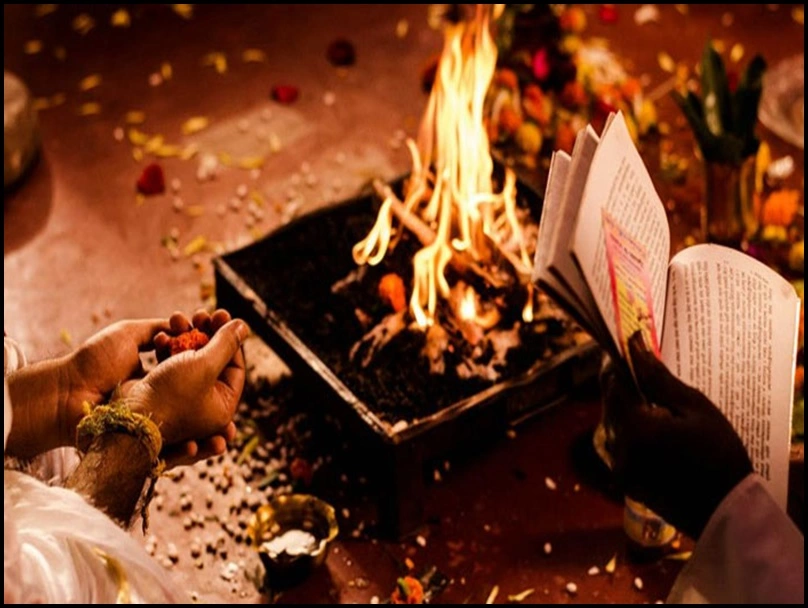
Tamil Brahmin Nichayathartham Ceremony & Rituals

The Nichayathartham in Tamil is the Hindu ceremony where the boy and girl who are going to marry agree to each other formally with the consent of their parents, relatives, and elders in the family.

In the South Indian culture, Tamil Brahmin Nichayathartham matches the horoscope is an important part because once the horoscope matches the families agree to the marriage. This Tamil Brahmin Nichayathartham ceremony takes place. 

The word Nichayathartham describes the meaning of engagement. Tamil Brahmin Nichayathartham should be held on an auspicious day after consulting with a Vedic pandit. This is the event where a boy and girl families meet and select a shubh muhurat depending on their horoscope. 

Tamil Brahmin Nichayathartham Ceremony

Doing this ritual also kicks off the wedding preparations further. The Iyer Nichayathartham customs are quite important in creating a unique tie between the couple. By doing this, they commit to one another to carry out their duties and demonstrate affection in all circumstances. 

The “Lagna Patrika,” or agreement letter, is written by the priest and read aloud in front of the entire family. Both family members’ signatures are obtained and recorded for legal purposes.

One of the main rites before marriage is engagement, also known as Nischitartham in South India. This ceremony is also becoming well-known in North India as well as in other Hindu-majority nations like Sri Lanka, Bangladesh, and Singapore. In Tamil and Malayalam, engagement is referred to as Niccayatarttam and Itapalakal, respectively. Let’s learn more about this pre-marriage custom in depth.

Key Attributes Of Nichayathartham

  • Nichayathartham in Tamil kicks off the commitment towards starting a new family.
  • Celebrating this event also enhances the relationship between the two families.
  • After consulting with a Vedic expert and professional the date for Nichayathartham in Tamil can be decided.
  • The Lagna Patrika of the boy and girl can be read as a sign of commitment

Rituals Performed For Nichayathartham in Tamil

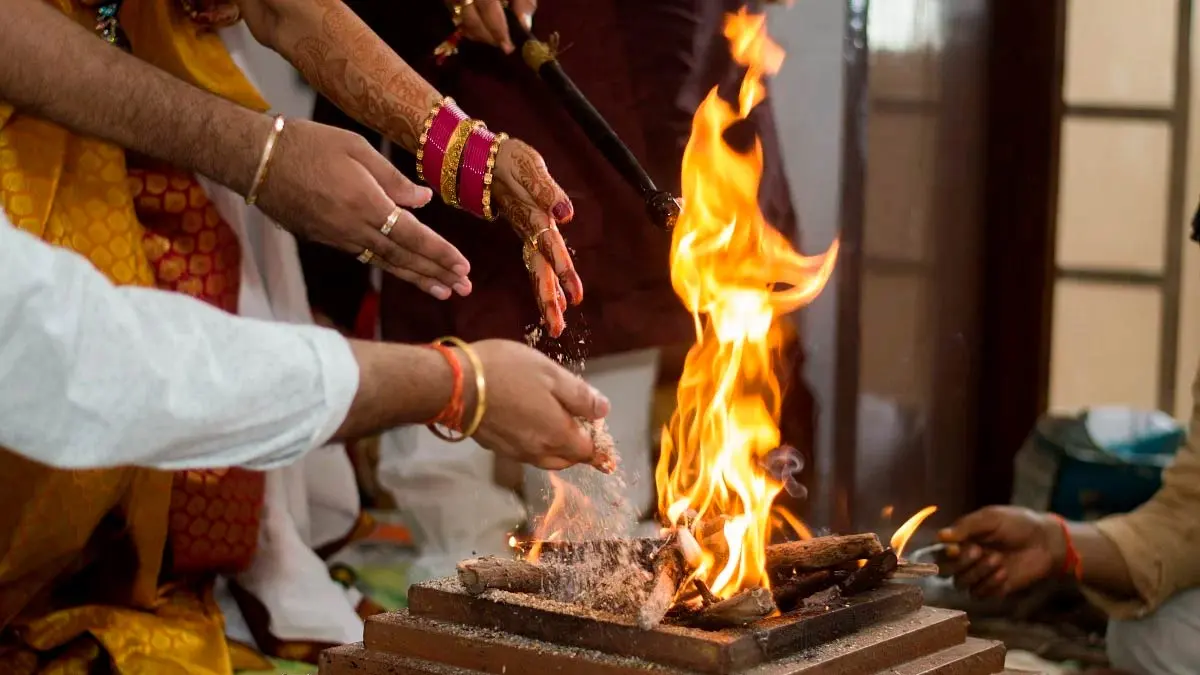
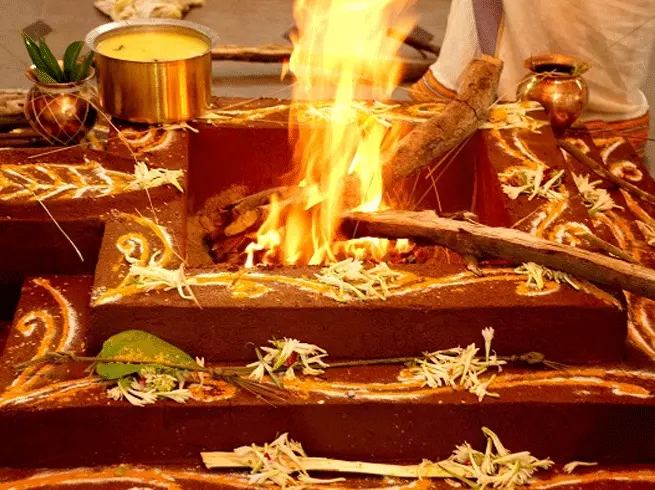
During the Nichayathartham ceremony, a priest performs a pooja to offer Lord Ganesha to remove any obstructions. In the presence of the old, the family trades betel leaves and coconuts. After that, the bride and groom exchange rings. 

The priest prepares and reads a Lagna Patrika, which serves as the official proclamation of the wedding’s date, time, and location in front of the assembled guests. The bride receives numerous presents from the groom’s family, including jewels, sarees, daily necessities, healthy food items, and cosmetics.
99pandit

100% FREE CALL TO DECIDE DATE(MUHURAT)

99pandit

In exchange, the bride’s family gives the groom brand-new clothing. The bride and groom dress themselves in fresh gifts. The bride also wears jewelry that was given to her. They place Kumkum, Turmeric, Fruits, Betel, and Coconut on the pallu of her saree as well as Kumkum and Chandan to decorate her forehead

There is a flower belt around the waist. To protect the bride and the wedding from any bad luck, people perform aarti for her.

When To Perform Tamil Brahmin Nichayathartham

  • This ritual will take place following the bride and groom’s Nakshatras and Chandrashtamam. People use both the morning and the evening for it.
  • For Nichayathartham, reserve Vadhyar (Engagement). Every Pooja Samagri will be brought by Vadhyar (items). All of the Vadhyar have a wealth of knowledge and have attended Vedic Pathshala.

What Is Iyer Nichayathartham?

The customs used in the Tamil Brahmin Nichayathartham ceremony vary depending on the families. The Tamil Brahmin Nichayathartham (Iyers and Iyengars) engage in similar rites and customs for their engagement ceremonies, with a few minor exceptions. For instance, the Iyers hold their engagement ceremony at the groom’s house, but the Iyengars adhere to having it at the bride’s house as a tradition.

Tamil Brahmin Nichayathartham Ceremony

The “lagna patrika,” written by a “Vadhiyar” (Brahmin priest), specifies the date, time, and location of the wedding and serves as an agreement between the two families. The bride’s family brings fruits and sweets, and the groom’s family serves dinner and refreshments to the bride’s family. 

During the event, people perform a pooja as part of the tradition. The bride and groom then exchange rings and ask for an elder’s blessing. By calling upon the blessings of God, our pandits will increase the auspiciousness and sacredness of your priceless day. During the engagement ceremony, couples exchange not only rings but also expectations and promises. Take advantage of our assistance and prepare yourself for a joyous future.

Benefits Of Tamil Brahmin Nichayathartham | Iyer Nichayathartham | Nichayathartham in Tamil 

Nichayathartham in English also can be performed by an English pandit. It creates a unique event during the traditional Wedding Ceremonies because it honors the couple’s commitment. in the direction of a new family. The decision can be made either in the home of the bride or the home of the groom, and the key participants make the choice only after being won over. 

Setting a wedding date is the primary goal of the engagement ceremony. It is a necessary practice that gives any marriage momentum. Tamil Brahmin Nichayathartham traditions are carefully considered to obtain the best blessings from the gods and gain the goodwill of all close friends and family.

99pandit

100% FREE CALL TO DECIDE DATE(MUHURAT)

99pandit

Marriage is a ceremony between two families as well as two people. The bride and groom can better understand one other’s families thanks to the Tamil Brahmin Nichayathartham ceremony. Given that this would be the first ceremony before marriage, everyone would have an opportunity. to talk about the impending nuptials. 

It improves the bonds between two families. The Tamil Brahmin Nichayathartham is quite important in creating a unique link between the prospective pair. By doing this, people commit to one another to fulfill their duties and exhibit affection during all phases of life.

Tamil Vadhyar & Iyer Vadhyar By 99Pandit For Nichayathartham

Highly revered priests from the Veda School use an online service portal 99Pandit to perform all  Ayushya Homam and Poojas, teaching Vedas and Mantras. The priests possess a very high level of knowledge necessary to correctly pronounce the mantra formulations and cast the appropriate mantras. 

These priests have done Homams and Poojas for many years and are experts. Hindu priests are extremely unique people. In addition to taking good care of their physical bodies through vegetarianism, bathing rituals, and other purifying practices, they also need to look after their minds and emotions. For a priest, anger, worry, and worldly worries are unacceptable emotions.

Tamil Brahmin Nichayathartham Ceremony

Our qualified Purohit/Pundit, well-versed in Hindu Vedic Paatasala, will dispatch to conduct the Homam/pooja at your location. The Tamil vadhyar will fix the time and date for Nichayathartham based on the bride and groom’s horoscope. 

To know the details of the package for the service by 99Pandit, you will have to visit its official website. To book the service, click on the given button “Book a pandit” and enter your details to confirm the booking. The details to book the pandit required are name, puja type, location, date and time, etc. Book a Tamil Brahmin for Nichayathartham | Find a Panditji near me.

Conclusion

Moreover, Tamil Brahmin nichayathartham is a collection of customs, colors, and rhythmic fusion of sounds. In South India, horoscope matching is necessary for the Tamil Brahmin Nichayathartham. When families match the horoscope of the bride and groom, they proceed with further rituals.

As we already discussed above, nichayathartham means engagement. An expert Tamil Brahmin/Book a Pandit suggested scheduling the ritual on an auspicious date. During this ritual, the families of both the groom and bride meet and select a muhurat based on the horoscope of bride-to-be and groom-to-be. And further customs & traditions take place. Get your Tamil Brahmin Nichayathartham done with 99Pandit.

Frequently Asked Question

Q. What does Tamil Brahmin Nichayathartham mean?

A.The Nichayathartham in Tamil is the Hindu ceremony where the boy and girl who are going to marry agree to each other formally with the consent of their parents, relatives, and elders in the family. In the south Indian culture, Tamil Brahmin Nichayathartham matches the horoscope is an important part because once the horoscope matches the families agree to the marriage.

Q. Why is Nichayathartham in Tamil?

A. Tamil Brahmin Nichayathartham customs are quite important in creating a unique tie between the couple. By doing this, they commit to one another to carry out their duties and demonstrate affection in all circumstances.

Q. What do you mean by Iyer Nichayathartham?

A.The Tamil Brahmin Nichayathartham (Iyers and Iyengars) engage in similar rites and customs for their engagement ceremonies, with a few minor exceptions. For instance, the Iyers hold their engagement ceremony at the groom’s house, but the Iyengars adhere to having it at the bride’s house as a tradition.

Q. When can we schedule the Nichayathartham in Tamil?

A.This ritual will take place following the bride and groom’s Nakshatras and Chandrashtamam. Both the morning and the evening are used for it.

Q. What happens in a Tamil Brahmin Nichayathartham?

A.The south Indian ritual Nichayathartham ceremony consists of many procedures where the groom arrives with his family at the venue decided by the bride’s family where the ceremony will take place. Later then the bride’s family and groom’s family sit in an aarti performed for the boy and girl, married women tie grains, betel nuts, turmeric, and coconuts in the pallu of the bride’s saree.

Q. What does it mean by the Nichayathartham ceremony in English?

A. The term Nichayathartham ceremony means to ensure or finalize something. This is done mostly during the engagement ceremony. In Tamil culture, the people who refer to the engagement ceremony use the Nichayathartham word to confirm the marriage between two families.


Antyeshti Sanskar: जाने अंत्येष्टि संस्कार का महत्व तथा सम्पूर्ण विधि

अंत्येष्टि संस्कार: हिन्दू धर्म की संस्कृति उनकी जीवन पद्धति के समान ही है| इस जीवन पद्धति में कुल सोलह संस्कार होते है| हिन्दू धर्म के शास्त्रों में इन सोलह संस्कारों के अलावा भी कई संस्कार होते है| जिनका वर्तमान के समय वेदों में उल्लेख मिलता है| लेकिन समय के साथ इन संस्कारों में बहुत सारे परिवर्तन किये गए है|

इस वैदिक परंपरा के अनुसार सोलह संस्कारों में जिस प्रकार सबसे प्रारम्भ में गर्भ धारण का संस्कार आता है| उसी प्रकार अंत में अंत्येष्टि संस्कार [Antyeshti Sanskar] भी आता है| जन्म और मृत्यु जीवन का एकमात्र ऐसा सत्य है| जिसे कोई भी झुटला नहीं सकता है| जिस व्यक्ति ने जन्म लिया है, उसकी मृत्यु भी निश्चित है|

अंत्येष्टि संस्कार

जब मनुष्य की आत्मा उसके शरीर को त्याग देती है| तब उसके पश्चात में मनुष्य के शरीर का अंत्येष्टि संस्कार किया जाता है| हिन्दू धर्म के अंदर इस अंत्येष्टि संस्कार को “दाह संस्कार” के नाम से भी जाना जाता है| इस संस्कार को अलग – अलग धर्मों में भिन्न – भिन्न नामों से जाना होता है|

हिन्दू धर्म में मनुष्य की मृत्यु होने के पश्चात उसे अग्नि की चिता पर जलाया जाता है| इसी के साथ ही मुखाग्नि भी दी जाती है| मनुष्य के शरीर के पूर्ण रूप से जल जाने के बाद उसकी अस्थियों को को जमा किया जाता है| जिसे फूल चुगना भी कहते है| इसके पश्चात अस्थियों को पवित्र जल में प्रवाहित कर दिया जाता है|

ज्यादातर सभी लोग अस्थियों को गंगा नदी में ही प्रवाहित करते है| आज हम इस लेख के माध्यम से अंत्येष्टि संस्कार के महत्व और उसके कर्मकांडों के बारे सम्पूर्ण जानकारी आपको प्रदान करेंगे| आप हमारी वेबसाइट 99Pandit पर जाकर सभी तरह की पूजा या त्योहारों के बारे में सम्पूर्ण जानकारी ले सकते है|

अंत्येष्टि संस्कार क्या है ? – What is Antyeshti Sanskar ?

सनातन धर्म में प्रचलित सोलह संस्कारों में अंत्येष्टि संस्कार भी शामिल है जो की मनुष्य की मृत्यु के पश्चात किया जाता है| हिन्दू धर्म में लोगों के द्वारा इस अंत्येष्टि संस्कार को अंतिम संस्कार के नाम से भी जाना जाता है|

पौराणिक शास्त्रों की मान्यता के अनुसार मृत शरीर का विधिवत रूप से अंतिम संस्कार करने व कर्मकांडों को करने से उस जीव की अतृप्त वासना (जो पूरी न हो सकी) शांत हो जाती है| अंतिम संस्कार की प्रक्रिया पूर्ण हो जाने के पश्चात उस जीव की आत्मा पृथ्वी लोक से सीधा परलोक की ओर अपनी यात्रा प्रारम्भ करती है| जिस जीव का अंतिम संस्कार नहीं किया जाता है|

उसकी आत्मा को मुक्ति नहीं मिलती है| जिसके कारण वह परलोक ना जाकर इस भूलोक में ही भटकती रहती है| इसी कारण से मनुष्य के देह का अंतिम संस्कार करना आवश्यक है| जिससे उनकी आत्मा को मोक्ष की प्राप्ति होती है| अंत्येष्टि शब्द का अर्थ अंतिम यज्ञ होता है| इस यज्ञ को मृत व्यक्ति के शव के लिए किया जाता है| बौधायन पितृमेधसूत्र के अनुसार अंतिम संस्कार का बहुत बड़ा महत्व बताया गया है|

99pandit

100% FREE CALL TO DECIDE DATE(MUHURAT)

99pandit

इस सूत्र में बताया गया है कि “जातसंस्कारैणेमं लोकमभिजयति मृतसंस्कारैणामुं लोकम्।” इसका अर्थ यह है कि जातकर्म आदि संस्कारों से मनुष्य इस पृथ्वी को जीत सकता है| और अंत्येष्टि संस्कार से परलोक पर विजय प्राप्त करता है|

इसके अलावा एक अन्य श्लोक में बताया गया है कि “तस्यान्मातरं पितरमाचार्य पत्नीं पुत्रं शि यमन्तेवासिनं पितृव्यं मातुलं सगोत्रमसगोत्रं वा दायमुपयच्छेद्दहनं संस्कारेण संस्कृर्वन्ति।।” इसका अर्थ यह है कि यदि किसी की मृत्यु हो जाए तो माता, पिता, आचार्य, पत्नी, पुत्र, शिष्य, चाचा, और मामा का दायित्व ग्रहण करके व्यक्ति से शव का अंतिम संस्कार करना चाहिए|

दाह कर्म की सामग्री – Daah Karm Samagri

सामग्री मात्रा
लकड़ियां साढ़े 3 क्विंटल
पलाश की लकड़ियां 10 किलो
चंदन की लकड़ियां 5 किलो
देशी घी 20 किलो 
हवन सामग्री 10 किलो
तगर 1 किलो
चंदनचुरा 1 किलो
केसर 20 ग्राम
कस्तूरी 20 रत्ती
कपूर 300 ग्राम
खोपरे गोले 4 किलो
गाय का गोबर 1 तसला
घी 4 किलो
बांस 12 फुट के 4
बाल्टी 1
चूल्हे के लिए ईंटें  6


अर्थी के लिए सामग्री – Samagri for Arthi

  • 2 मोटे बांस (8 फुट के) 
  • सुतली (500 ग्राम) 
  • फूस
  • शववस्त्र (कफ़न) 
  • 8 बांस के टुकड़े (3 फुट के) 
  • चन्दन 
  • फूल माला (16)

अंत्येष्टि संस्कार तथा शव संस्कार करने की विधि – Antyeshti Sanskar Vidhi

  • जो भी व्यक्ति यह अंत्येष्टि क्रिया करने वाला हो, उसे अपना मुख दक्षिण दिशा में रखकर बैठना चाहिए|
  • इसके पश्चात में मृतक के शव को गंगाजल से स्नान कराएं| 
  • इसके पश्चात मृत व्यक्ति को नए वस्त्र पहनाएं|
  • फूलों व चन्दन की सहायता से मृतक के शरीर को सजाना चाहिए| 
  • इसके बाद में फूल, चावल और जल अपने हाथ में लेकर मंत्र का जप करते हुए अंतिम संस्कार करने का संकल्प लीजिए|

अंत्येष्टि संस्कार

  • मृत व्यक्ति की शैय्या को भी फूलों का उपयोग करके सजाए| 
  • जब किसी की मृत्यु होती है तो उसका पिण्डदान भी किया जाता है| जिसके लिए आपको चावल, जौ और आटे की सहायता से एक मिश्रण बना लेना है| 
  • इसके बाद में पूजन के लिए आरती की थाल, रौली, चावल, हवन सामग्री, सुखी तुलसी और अगरबत्ती सहित सभी आवश्यक वस्तुओं का इंतज़ाम करके रखे| 
  • अंतिम पूर्णाहुति के लिए नारियल के खोल में घी को भरिए तथा आहुति के लिए इस नारियल के खोल को किसी लम्बे बांस में बाँध दे| जिससे की आहुति देने में किसी भी तरह की कोई भी परेशानी ना हो|

शव यात्रा को प्रारम्भ करने की विधि

अंत्येष्टि संकल्प लेने बाद शव का पिंडदान करने के व्यक्ति के शव को शैय्या पर लेटा दे तथा इसके पश्चात शव पर पुष्प अर्पित कीजिये| फिर शव की अंतिम यात्रा को प्रारम्भ कर दीजिये|

अंतिम संस्कार के साथ में होने वाले पांच पिण्डदान

  • सबसे पहला पिंडदान घर के अंदर होता है| जिसमे पिण्ड को कमर अर्पित की जाती है| 
  • इसके पश्चात दूसरा पिण्डदान घर के बाहर शव की शैय्या पर होता है| जिसमे पिण्ड को वक्ष अर्पित किया जाता है| 
  • तीसरा पिण्डदान शव की अंतिम यात्रा में बीच मार्ग में होता है| जहाँ पर पिण्ड को पेट अर्पित किया जाता है| 
  • इसके बाद में चौथा पिण्डदान जो श्मशान में होता है| जहाँ पिण्ड को छाती अर्पित की जाती है| 
  • आखिरी व पांचवा पिण्डदान चिता जलने के बाद होता है| जिसमे पिण्ड को सिर अर्पित किया जाता है|

हिन्दू धर्म के अनुसार श्मशान में पहुचने पर शव को यथास्थान पर रख दिया जाता है| उसके पश्चात जिस स्थान पर शव को जलाया जाएगा| सबसे पहले उस स्थान को साफ़ करें| मान्यता है कि यह सब कार्य उसी व्यक्ति के द्वारा होने चाहिए जिसने सबसे प्रथम में अंत्येष्टि का संकल्प लिया था| इसके पश्चात भूमि के चारों परिक्रमा लगाकर धरती माँ को प्रणाम करना चाहिए|

99pandit

100% FREE CALL TO DECIDE DATE(MUHURAT)

99pandit

चितारोहण एक यज्ञ की प्रक्रिया है, जिसके लिए आम, शमी, वाट, गुलर तथा चन्दन की लकड़ी का इस्तेमाल किया जाता है| इसके बाद में शव को चिता पर लिटा कर चिता में अंगार या कोयले रखकर जलाए जाते है| अब अग्नि को लेकर चिता के चारों ओर परिक्रमा लगाई जाती है|

अग्नि के जलने के बाद हवन में सात बार घी की आहुति दी जाती है| माना जाता है कि हवन में आहुति देते समय सभी लोगों को गायत्री मंत्र का जप करना चाहिए| उसके बाद सभी लोगों को प्रार्थना करनी चाहिए और तब तक करनी चाहिए जब तक की कपाल क्रिया पूर्ण ना हो जाए|

अंत्येष्टि संस्कार से पूर्व ध्यान देने वाली बातें

इस अंत्येष्टि संस्कार से पूर्व मृतक के परिजनों को कुछ विशेष बातों को ध्यान में रखना चाहिए| आज हम इस लेख के माध्यम से उन बातों के बारे में आपको जानकारी देंगे –

  • सबसे पहले मृत व्यक्ति के लिए नए वस्त्र, मृतक शैय्या, उस शव को ढकने के लिए शव वस्त्र आदि सामानों की व्यवस्था करें| 
  • मृत व्यक्ति की शैय्या को फूलों की सहायता से सजाएं|
  • इसके पश्चात मृतक का पिण्डदान करने के लिए जौ का आटा और तिल चावल आदि मिलाकर तैयार करले| यदि किसी परिस्थिति में जौ का आटा उपलब्ध ना हो पाए तो गेहूं के आटे में जौ को मिलाकर गुंथ लीजिये| 
  • आपकी जानकारी के लिए बता दे कि कई जगहों पर अंतिम संस्कार के लिए जो अग्नि लायी जाती है वो घर से ही लाई जाती जाती है| अगर ऐसा संभव है तो इसकी व्यवस्था करें नहीं तो श्मशान घाट में ही मंत्रो के साथ माचिस से अग्नि तैयार करें| 
  • अंतिम संस्कार के लिए हवन सामग्री, सूखी तुलसी, अगरबत्ती और चंदन की व्यवस्था करें| 
  • पूजा करने के लिए आरती की थाली, अक्षत, अगरबत्ती, रौली और माचिस की भी व्यवस्था घर से करके लाये| 
  • यदि अंतिम संस्कार के समय बारिश का मौसम हो तो अग्नि को जलाने के लिए सुखा फूस या लकड़ी के बुरे का इस्तेमाल करें| 
  • इसके पश्चात पूर्णाहुति देने के लिए नारियल के गोले में छेद करके उसमें घी भरे| 
  • वसोर्धारा आहुति देने के लिए एक लम्बे बांस की लकड़ी में इसे बाँध दे ताकि उससे घी की आहुति आसानी से दी जा सके|

अंत्येष्टि संस्कार का महत्व – Importance of Antyeshti Sanskar

हमारे हिन्दू धर्म में अंत्येष्टि संस्कार (Antyeshti Sanskar) का बहुत बड़ा महत्व है| अंत्येष्टि संस्कार को “दाह संस्कार” के नाम से भी जाना जाता है| इस अंत्येष्टि संस्कार में अंत्येष्टि का अर्थ अंतिम यज्ञ होता है| पौराणिक मान्यताओं के अनुसार हिन्दू धर्म में 16 संस्कार होते है|

जिसमे से अंत्येष्टि संस्कार सबसे आखिरी माना जाता है| यह 16 संस्कार समस्त मनुष्य जाति के जीवन का आधार है| जब किसी व्यक्ति की आत्मा उसका शरीर त्याग देती है यानी जब किसी व्यक्ति की मृत्यु हो जाती है तो उसके तुरंत बाद ही अंत्येष्टि संस्कार की प्रक्रिया की जाती है|

अंत्येष्टि संस्कार

ऐसी मान्यता है कि अंत्येष्टि संस्कार करने से मरने वाले व्यक्ति सभी अधूरी वासनाएँ शांत होती है| जिससे कि वह सब मोह – माया को त्याग कर पृथ्वी लोक से परलोक की ओर अपनी यात्रा प्रारम्भ कर सके|

हिन्दू धर्म के अनुसार व्यक्ति की मृत्यु होने के पश्चात उसे मुखाग्नि दी जाती है और फिर इसके बाद उस व्यक्ति के शव को अग्नि की चिता पर जलाया जाता है| जब मनुष्य का सम्पूर्ण शरीर जल जाता है| तब अस्थियों को एकत्रित किया जाता हैं| जिसे हिन्दू धर्म में फूल चुगना भी कहा जाता है|

हिन्दू धर्म की मान्यताओं के अनुसार मृत व्यक्ति का अंतिम संस्कार उसके परिजनों के द्वारा ही सम्पूर्ण विधि – विधान से किया जाता है| जिसमे माता – पिता, पुत्र, पति – पत्नी, चाचा, मामा, आदि परिजनों को इस कार्य का दायित्व लेना चाहिए| इस सभी प्रक्रियाओं का एक अलग ही धार्मिक और वैज्ञानिक महत्व माना गया है|

निष्कर्ष – Conclusion

आज हमने इस आर्टिकल के माध्यम से अंत्येष्टि संस्कार के बारे में काफी बातें जानी है| आज हमने अंत्येष्टि संस्कार के विधि – विधान के बारे में भी जाना| हम उम्मीद करते है कि हमारे द्वारा बताई गई जानकारी से आपको कोई ना कोई मदद मिली होगी| अंत्येष्टि संस्कार का बहुत ही बड़ा महत्व है| इसके पूर्ण होने पर मृतक की आत्मा को शांति मिलती है|

इसी कारण की वजह से अंत्येष्टि कर्म को सम्पूर्ण विधि – विधान से किया जाना चाहिए| अंत्येष्टि संस्कार के लिए अनुभवी पंडित को आप हमारी वेबसाइट 99Pandit से ऑनलाइन बुक कर सकते है| अब 99Pandit for User एप की सहायता के साथ आप श्रीमद भगवद गीता का ज्ञान भी ले सकते है|

अक्सर पूछे जाने वाले प्रश्न

Q.अंत्येष्टि संस्कार का अर्थ क्या है ?

A.इस अंत्येष्टि संस्कार में अंत्येष्टि का अर्थ अंतिम यज्ञ होता है| पौराणिक मान्यताओं के अनुसार हिन्दू धर्म में 16 संस्कार होते है| जिसमे से अंत्येष्टि संस्कार सबसे आखिरी माना जाता है|

Q.अंतिम संस्कार कब नहीं करना चाहिये ?

A.हिन्दू धर्म की मान्यताओं के अनुसार सूर्यास्त के पश्चात कभी भी अंतिम संस्कार का कार्यक्रम नहीं करना चाहिए|

Q.अंत्येष्टि संस्कार किस प्रकार से किया जाता है ?

A.सामान्यत हिन्दू धर्म में किसी की मृत्यु हो जाने के पश्चात उसे अग्नि की चिता पर जलाया जाता है| जिसमे शव को लकड़ियों के ढेर पर रखकर सर्वप्रथम मृत आत्मा को मुखाग्नि दी जाती है| तत्पश्चात उस शरीर को अग्नि को समर्पित कर दिया जाता है|

Q.अंतिम संस्कार के बाद क्या नहीं करना चाहिए ?

A.मान्यता है कि अंतिम संस्कार करने के पश्चात कभी भी किसी भी व्यक्ति को पीछे मुड़कर नहीं देखना चाहिए|

Uttara Kriya Ceremony: Cost, Vidhi, And Benefits

Hindus perform Uttara Kriya karma rituals to mark the end of life and help the deceased soul transition from the physical to the metaphysical world. In Hinduism, people believe in performing pujas and ceremonies for every event. Among these, the Uttara Kriya puja is one of the 16 samskaras in Hindu dharma.

This karma puja helps the soul obtain salvation to help the loved ones handle the loss of a family member or a friend. They perform the Uttara Kriya puja for 14 days, which can also be extended for another 14 days, starting with the funeral preparation and continuing to Vaikunta Samaradhane.

Uttara Kriya

There would be more than one pandit required for the ritual as the ceremony depends on many factors. At the time of death, the pandit schedules the Uttara Kriya puja to perform the apara kriya samskara, Prayaschitta homa, and other rituals to prepare the body for cremation.

A few daily ceremonies follow at the cremation site, people collect the ashes over the next two days, and then they perform the cremation itself. By reciting prayers, people then scatter the amassed ashes, or “Asthi,” in a body of water.

For the next few days, the grieving family members, guided by the purohit, send food offerings to the departed soul in the form of Pinda, as they believe the soul has started its trip to the gates of Yamaloka, the home of the God of Death. To ensure that the soul is at peace and calm, the purohit will execute the Yama homa and Shraddha rituals.

The organizers have planned a feast for the thirteenth and fourteenth days when they will perform Masika Shraddha and Vaikunta Samaradhane.

What Is Uttara Kriya Karma?

People perform the Hindu ritual Uttara Kriya karma for someone who has died. We could schedule Apara karma for the departed soul to give them peace and help them obtain salvation, so they can go to Pitra lok happily and bless their family.

One of the most significant ceremonies of Shodasha Samskaras, according to Hindu tradition, is Uttara Kriya Karma. Following the passing of a particular person, individuals are to carry out a series of ceremonies called antima samskara. People perform these ceremonies to obtain blessings from their ancestors.

When a loved one passes away, it can lead to many emotional breakdowns, making it difficult to approach the family or a close relative to ask about the final rites for our loved one.

We at 99Pandit are aware of your circumstance and have a team of Pandits who can conduct funeral services or last rites in Telugu, Hindi, Marathi, Odia, and Kannada, among other languages.

99pandit

100% FREE CALL TO DECIDE DATE(MUHURAT)

99pandit

Our knowledgeable Pandits can organize full funeral services and offer funeral poojas during cremation or your family members will guide you through this puja. 

We have experienced and well-trained Vedic qualified priests who will take care of your ritual along with all Puja and Havan Samagri when you book priests for Antya Kriyas with us.

Our Pandits will carry out all Uttara Kriya Karmas following Vedic rituals. Get pricing for last rites ceremonies by clicking the Get Quote button.

Key Factors Of Uttara Kriya

  • The rituals of Uttara kriya karma begin on the 1st day and continue until the 14th day, during which all the Karyams are performed.
  • Devotees can perform the puja at their home or tirtha kshetra.
  • The purpose of this puja is to seek blessings from ancestors.
  • Perform Uttara kriya puja to give peace to the deceased soul.

Why is Uttara Kriya Karma Performed?

Generally, the son and other relatives of the deceased soul perform the Uttara kriya karma after completing the death rituals, which last for 13 days. Based on Hindu dharma or shastra, the kartha (devotee) should perform the Uttara kriya karma as per the instruction given by the Vedic pandit. 

Perform the puja with devotion, sincerity, and most importantly, complete faith. As mentioned in Garuda Purana, the deceased soul starts their journey after 13 days from death to Yamapuri which will take 11 months to reach there.

Uttara Kriya

During the journey of the deceased soul to Yamapuri they do not have access to food and water. Therefore, people say that performing Uttara kriya karma and shraddha puja for the Pitru by the family members satisfies the hunger and thirst of the soul during the journey to Yamapuri.

The Hindu shastras outline 16 samskaras, and people perform Antim Sanskar as the final rite for a deceased person. As it is the rule of the universe whoever comes to earth has to leave this one day. And it is compulsory to perform the last rite after death so that Aatma can obtain peace.

Uttara Kriya Puja Vidhi (Procedure)

When a person passes away, our Apara Brahma / Pandit visits the scene and performs Apara Kriya Samskaram before moving the body to the Smashana Ghat / Burial Ground. Before burning the body in an electric or wood-burning device, one must perform several Puja Kriyas and Prayaschitta Homa.

You must collect the ashes, known as Asthi, on the second or third day. Perform Nitya Vidhi Karmas starting on the third day at Smashana Ghat, a burial site, or any Satram.

You must complete Asthi Visarjana on the fifth day. Perform Dagna Pracchadana and Aarnikamulu rituals on the ninth day, as well as Nitya Vidhi. One primary Pandit and a few more Pandits will arrive on this day.

Shodashamu and Rudra Parayana must perform on the eleventh day with at least two and up to eleven Pandits. This involves performing Ekodishta Srardham and Aama Shoda Kumbha Shradha.

99pandit

100% FREE CALL TO DECIDE DATE(MUHURAT)

99pandit

Perform Sapindi Karana Shradha and Dasha Dana rituals on the 12th day. One primary Pandit and a few additional Pandits will travel this to collect Dana. Perform Masika Shradham and Ashirvachanam rituals on the thirteenth day.

For this, Bhokavyam and Ashirvachanam, one primary Pandit, and a few additional Pandits will travel. Vaikunta Samaradhane ceremony, Udaka Shanthi, Vedic Parayanams, and Ashirvachanam must all be performed on the fourteenth day.

Benefits Of Uttara Kriya Puja

Hindu scriptures like the Vedas, Upanishads, and Dharma Shastras teach that becoming a human among the 84 lakh other species in the world is rare and difficult, as our Sages and Acharyas, who were well-versed in the scriptures, have taught.

Therefore, people must perform rituals from birth until death. There are 16 rites in total, collectively referred to as Shodasha Samskaras. During Uttara Kriya / Antyeshti, people perform rituals for a person who has died.

Parents perform the first fifteen of the 16 Samskars for their children while they are still living, while the son performs the sixteenth kriya, or the last ceremony, for the afterlife.

Uttara Kriya

Uttara Kriyas are performed up to 13 days following a person’s passing. This calls for numerous steps like Asthi Visarjan in the holy river Ganga and pind daan starts after daah samskara.

If one carries out the Uttara Kriya correctly, they free the soul from the link and receive a new subtle body to begin a new journey in a new existence. So, the Pitru devatas receive payment for a debt. Because of this, a person has physical senses and a mind, which allow them to enjoy various pleasures in life.

Correctly performing the Uttara kriya Puja will result in eliminating the Pitru devatas’ curse, procreative issues, delayed marriages, diseases in offspring, loss of wealth, loss of fame, devastation, and the carrying over of the same wrath into the next life.

Cost For Uttara Kriya By 99Pandit

To engage a Pandit Ji to carry out a specific puja, you can use the services of Free Online Pandit or book a Pandit online. A Pandit Ji or a site like 99Pandit offers these services, among others. Based on Hinduism, all of such actions. 

Therefore, all Hindu households around the world want to perform puja by hiring a Pandit Ji or wish to perform a puja online. They are all free to carry out those Hindu-based activities. through the use of 99Pandit, where they can hire a Panditji Online or Free Online Pandit. 
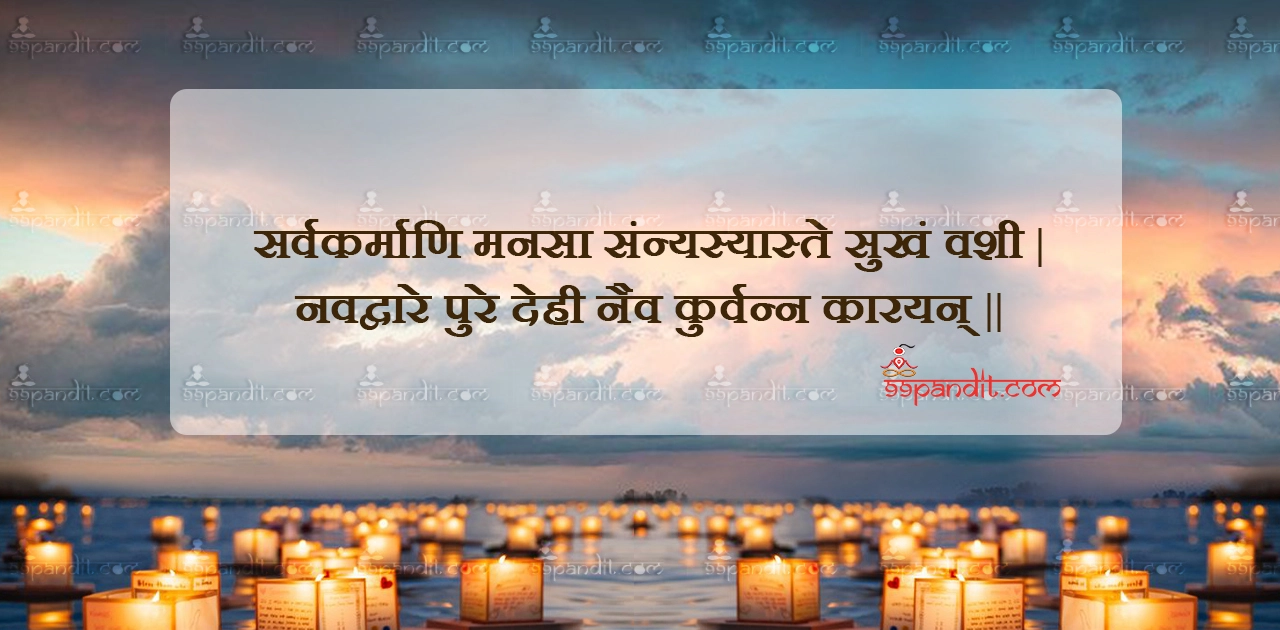
That is what 99Pandit does best. E-puja allows users to conduct puja and make a Prashad (holy offering). One of the simplest and most efficient methods is this. Hindu families must perform holy activities to stay in contact with Hinduism.

99pandit

100% FREE CALL TO DECIDE DATE(MUHURAT)

99pandit

The cost is very effectively provided by the team for the Uttara kriya karma. The packages for any puja are very budget-friendly 99Pandit. The minimum puja cost starts from 7000/- INR and can go up to the highest of 30,000/- INR. 

The puja cost includes food, accommodation, pandit Dakshina, and puja materials given by the 99Pandit. 

If you are searching for good Hindu services on the streets, stop searching and come to the 99Pandit portal. Book a Pandit online for Uttara kriya puja and find a Pandit near me.

Conclusion

Uttara kriya is the ritual of marking the end of life and easing the transition of a deceased soul from the physical world to the metaphysical. The customs help the soul find peace and salvation or help loved ones manage the absence of family members or friends.

Pandits perform the ritual at the house of the deceased person. The family members bring the body to the crematorium, where they perform small rituals, havan, and cremation. So book a pandit from 99Pandit and perform the Uttara kriya ceremony today!

Frequently Asked Question

Q. What is Uttara Karma Kriya puja in Hinduism?

A.Uttara Kriya karma is the collection of Hindu rituals that are carried out to specify the end of life and facilitate the deceased soul’s transition from the physical to the metaphysical world. Hindus believe in performing pujas and ceremonies for every event. Among them, Uttara Kriya puja is one of the 16 samskaras in Hindu dharma.

Q. Why is this last rite puja Uttara Kriya performed?

A.As mentioned in Garuda Purana, During the journey of the deceased soul to Yamapuri they do not have access to food and water. Therefore, family members perform Uttara kriya karma and shraddha puja for the Pitru to satisfy the soul’s hunger and thirst during its journey to Yamapuri.

Q. What is the 12th-day ceremony called after death?

A.The Sapindikaran Shraddha ceremony is held on the twelfth day following demise. People believe these rituals help the individual soul obtain the title of “Pitru” and a position in Pitru Loka.

Q. What is the benefit of doing Uttara kriya or shraddha puja?

A.If you carry out the Uttara Kriya correctly, the soul frees itself from the link and receives a new subtle body to begin a new journey in a new existence. So, the Pitru devatas receive payment for a debt. Because of this, a person has physical senses and a mind, which allow them to enjoy various pleasures in life.

Q. Which days are considered auspicious for the death of a person?

A.According to Hindu Shastras, Vaikunta Ekadasi is the most fortunate time for a person to pass away, especially for someone seeking martyrdom regardless of religion. “Vaikunta Ekadasi will begin at 3.19 am on Saturday and last till early Sunday. The Dwadasi then follows.”

Q. What is done on the fifth day after death?

A.You have to complete Asthi Visarjana on the fifth day. Perform the Dagna Pracchadana and Aarnikamulu rituals on the ninth day in addition to Nitya Vidhi. One primary Pandit and a few more Pandits will arrive on this day.

Q. Why is Uttara Kriya considered one of the 16 Samskaras?

A.One of the most significant ceremonies of Shodasha Samskaras, according to Hindu tradition, is Uttara Kriya Karma. Following the passing of a particular person, people are to carry out a series of ceremonies called antima samskara. People perform these ceremonies to obtain ancestors’ blessings.

Q.How much of this Uttara kriya karma do we perform?

A.This karma puja helps the soul obtain salvation to help the loved ones handle the loss of a family member or a friend. They perform the Uttara Kriya puja for 14 days, and they can extend it for another 14 days, starting with the funeral preparation and ending with the Vaikunta Samaradhane.

Threading Ceremony (Janeau Ceremony): Cost, Vidhi & Benefit

Do you find a pandit online to perform the Threading Ceremony (Janeau Ceremony)? Is there any way to find the pandit online instead of searching physically? Which is the best online platform to find the Pandit online for Sacred thread? What is the Upnayanam Ceremony (Janeau Ceremony) or Threading Ceremony and how is it performed?

Typically, families perform the Upnayanam ceremony (Sacred Thread Ceremony) to mark a boy’s growth between the ages of seven and fourteen, and people observe the ritual. Perform the Threading Ceremony (Janeau ceremony) within this time frame, or it should be completed before the wedding.

At the time of this ritual performance, there are some guidelines or rules given by the pandit to the boy who is having the Janeau Ceremony.

Threading Ceremony

The purpose of this ritual is to share the elder’s obligations to prepare a young man. The young guy wears the sacred thread with a collective chant of the mantra “Gayatri.”

The guy twists the thread upwards to ensure the quality of truth called “Sattva Guna” prevails. The Upnayanam ceremony (Janeau Ceremony) or Threading Ceremony implies that the guy will now take part in family ceremonies as the wearer of Janeau.

The Sacred Thread ceremony installs Indian cultural values and involves adopting a vow to live a disciplined, respectable spiritual life.

Only until a person accepts specific moral ideals and humane disciplines and enlightens his or her intellect and inner self can personality development that is consistent with human dignity begin.

To direct this growth, the Yagnopavit Sanskar (Janeau Ceremony) is performed. This Upnayanam Ceremony or Threading Ceremony is connected to the beginning of the Gayatri Mantra and experiments with spiritual ascension.

What Is a Threading Ceremony

What is the meaning of Upnayanam or Janeau, do you have any idea about it? Don’t worry we will explain to you the meaning and significance of the Threading Ceremony (Janeau Ceremony). 

The meaning of Upnayanam or Janeau is that after the performing Janeau Ceremony or Threading Ceremony, the boy starts to learn the Vedic by wearing the Janeau/thread on that day.

We consider the childbirth Rashi, nakshatra, and tithi while performing the Threading Ceremony (Sacred Thread Ceremony) with karma advantages. As the name implies in Threading Ceremony the person has to wear a thread, but it divides into two punul marriages.
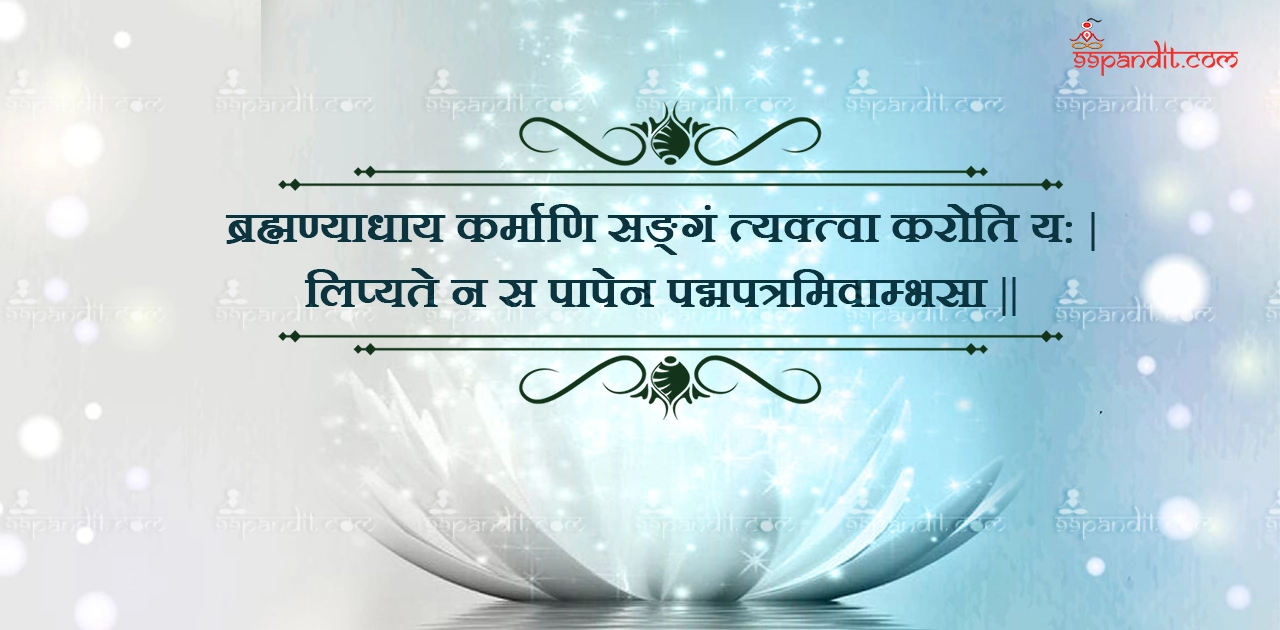
The Threading Ceremony (Upnayanam  Ceremony) or Janeu Ceremony is a Brahmin ritual to learn the Vedic studies, where the person needs to perform the Sandhya Vandana, Gayatri mantra daily for the improvement of the spiritual process in the child.
99Pandit.com is the top leading platform that can provide you with the best knowledge and professional Hindu pandits for the Threading/Janeu/Upnayanam and Sacred Thread Ceremony.

Janeau Ceremony by 99Pandit

This is a web-oriented platform where you can find the best solution to have your puja and other ceremonies. If you are looking to perform any puja or ceremony activity you can easily contact the 99 Pandit platform via call, email, or website. 

Among the sixteen practices, known as Shodasha Samskaras in Hinduism, the Upanayanam Ceremony is a significant step. Traditionally, parents give the child Upanayanam before sending him to the Gurukul to learn under “Brahmacharya.”

You will give your child the Upanayanam Vidhi and Brahmopadesham initiation necessary to qualify him for Vedic Scripture study.

99pandit

100% FREE CALL TO DECIDE DATE(MUHURAT)

99pandit

The Upanayanam word describes the meaning as “bring near”. The Vatu, who sits near his father or uncle to undergo the Brahmpodesham, gives the Updesham for the Gayatri mantra. The Vatu is also called by Dvij, meaning twice-born.

In Vasant Ritu, perform the Threading ceremony (Janeau Ceremony) or Upnayanam Ceremony for the 8-year-old child.

People usually perform Janeau or Upnayanam Sanskar at their residence, but some prefer to perform the ceremony in the temple. Users can also choose to perform the Upnayanam ceremony in Kshetra to believe in bringing special benefits.

99 pandit has all types of pandits available, it can help you to provide Hindi pandit, Gujarati pandit, Marathi pandit, Bengali pandit or Tamil pandits to perform the Janeau or Upnayanam ceremony in different north and south Indian styles.

During the Threading ceremony (Janeau Ceremony) or Upnayanam ceremony, the elders introduce the boy to the concept of Brahman. This ceremony also introduced the wearer of Janeau to participate in the family ritual from onwards. 

Key Facts on Upnayanam Sanskar (Janeau Ceremony)

  • 99 Pandit has highly qualified and specialized priests and pandits.
  • Every ritual of the Threading ceremony (Janeau Ceremony) or Upnayanam Ceremony follows Vedic standards and procedures.
  • 99 Pandit priests ask to use high-quality samagri to ensure a pleasant ceremony.
  • Guarantees punctuality and authenticity for the Janeau Ceremony.
  • We provide Professional Guidance & Support.

99 Pandit provides the best, most qualified, and most experienced pandits who also bring the approved authentic puja samagri. Once you book the pandit for the ceremony you will get the needed information from your pandit for the Threading ceremony (Janeau Ceremony) or Upnayanam Ceremony.

Performing the Upnayanam Ceremony aims to develop a boy, and families typically conduct this sacred thread ceremony (Janeau ceremony) when the boy is between seven to fourteen years old.

During the Upnayanam ceremony, the boy wears a thread while accompanied by a group chanting the “Gayatri Mantra” to assume the responsibilities of elders, guided by the man.

Brahmins perform this thread ceremony to follow their elder’s obligations. The thread worn to the guy is upward, twisted to make the “Sattawaguna prevails”. It is necessary to wear the Janeau thread for a lifetime to have the Brahmin rituals.

For the Upnayanam ceremony or Threading Ceremony, 3 strands have symbolic meanings. As per Hindu mythology, a bachelor man needs to wear a single thread, a married person should wear 2 threads and if in case the man has kids, he needs to wear the thread as per the number of kids. Below, we mention the three strands a man never forgets.

These 3 strands of the thread of Janeau define three Goddess Parvati, Lakshmi & Saraswati and the guy only needs to facilitate those 3 deities of strength, wealth, and severally. 

The 3 debt strands of the thread are:

  • One’s teacher.
  • One’s parents & ancestors.
  • One’s scholars.

Religious Significance Of Threading Ceremony (Janeau Ceremony)

Apart from the marriage ceremony, the Janeau ceremony is the second most important religious observance in Hindu culture.

This ritual is one of the sixteen samskaras and typically involves performing it for male members of the first three varnas. Typically, people undergo this spiritual initiation when they are young.

An ancient tradition called the Upnayanam ceremony signified a child’s entry into the Gurukula system of formal schooling.

Threading Ceremony

The guruji referred to the individual as Dwija (twice-born) since he took the place of the father in the second intellectual birth, and the sacred Gayatri Mantra took the place of the mother.

Numerous Kalas (skills and art forms) and vidya, in addition to Vedic mantras (education), taught the vatu. The Upnayanam ceremony is what makes it possible for a Hindu to practice dharma and provide sacrifices.

The Threading ceremony strands of thread stand for the purity of thoughts, words, and deeds of the Janeau wearer.

The teacher introduced the thread wearer to the concept of Brahman rituals and deemed them qualified to lead the Brahmachari lifetime according to the Manusmriti rule.

The sacred thread wearing is a must in Hindu culture as it marks the education for kids to learn Vedic activities.

When The Upnayanam Ceremony or Threading Ceremony Is To Be Performed?

Perform every Hindu ritual or ceremony on the right muhurat or day. As per Hindu mythology like the marriage ceremony, the Janeau Ceremony or the Upnayanam ceremony is the most important religious observance where a priest wore a pure thread to a guy between the ages of seven to fourteen. 

To perform the Upnayanam ceremony, you need to contact a service provider or online portal (99pandit.com) where you can find an experienced pandit who will help you tell the muhurat for the ceremony. 

The Janeau ceremony, also known as the Sacred thread ceremony, involves brahmins wearing a consecrated thread.

To perform the Threading Ceremony (Janeau Ceremony) or Upnayanam Ceremony the age is seven to fourteen years. People exhibit behaviours that can be categorized as good, excellent, or very good.

99pandit

100% FREE CALL TO DECIDE DATE(MUHURAT)

99pandit

If a guy has faith in God and religion excellently from a very young age, the Janeau ceremony could consider directing at the ages of 7, 9, and 11 as good, excellent, and very good.

The objective of the Threading ceremony is that the guy wearing the Sacred thread is ready to carry out the responsibilities of the elders in the family.

From onward it makes the guy participate in the family traditions and rituals after the Janeau ceremony. This Upnayanam ceremony also signifies the social aspect that the sacred thread portrays. 

Traditionally, the rite of Upnayanam, or the sacred thread ceremony, is conducted when a Hindu boy turns seven years old. The Upnayanam ceremony rite represents the passage from one stage of a boy’s life into another.

Before getting married, Hindu men must participate in the thread ceremony. Therefore, a Hindu groom must undergo Upnayanam before marrying. This custom usually occurs a few days before the nuptials.

How The Threading Ceremony (Janeau Ceremony) Performed In North

In northern states like other rituals, pandits perform from the Ganesh puja to chanting Gayatri mantras, Threading ceremony (Janeau ceremony), or Upnayanam ceremony. The pandit of 99pandit.com follows a few steps to perform an Upnayanam ceremony.

  • The Upnayanam ceremony starts with the Pandit Ji worshipping the Lord Ganesha.
  • The Hindu men wore the sacred thread after worshipping Lord Ganesh.
  • Then the guy receives the vows.
  • They offer the fuel sticks to the sacred fire.
  • Now at the end, the guy has to beg for the food as per the ritual.

Why Is It Important To Perform Threading Ceremony (Janeau Ceremony)?

In Brahmin culture Threading ceremony (Janeau ceremony) or Upnayanam ceremony is important to perform to follow the Vedic rules. People considered the threading ceremony a passport to obtaining a formal education in the olden days.

On that day before going to Gurukul, the boys prepared for the disciplined lifestyle required for their education.

In the gurukul, the students get to learn about Vedic activities like seeking food by Bhiksha which means asking the food from people for the guruji and himself.

Along with the shastras and mantras, in the evening the student had to perform the sandhya vandanam and agnihotra under the guidance of a guruji.

Threading Ceremony

Threading ceremony or Upnayanam ceremony takes place at the age of a boy when he can understand the guruji’s commands and instructions to follow them.

After the ceremony, paying the Dakshina or fee to the guruji could be a set of clothes like dhoti or Uttareeyam with a staff palapa wood to the student and admit him to Gurukul.

The most important part of the Threading ceremony (Janeau Ceremony) or Upnayanam ceremony is wearing the sacred thread as per Hindu Sanatan Dharm.

There is a meaning of three strands of threads belonging to three Goddesses Lakshmi, Parvati & Saraswati. The thread also has the name Janeau, poita, Janoi &, etc which represents debts to gods, rishis, and ancestors.

We call the boy performing the Upnayanam ceremony or Threading Ceremony a vatu. He wears a girdle of Mounji grass called mauji Bandhan, which emphasizes self-control.

Book A Pandit Online For the Threading Ceremony (Janeau Ceremony)

99 Pandit is a web-oriented platform that has more than 100 pandits in every state of India like Tamil pandit, Hindi pandit, Kannada pandit, Gujarati pandit & many more. 99 Pandit hires only highly knowledgeable and experienced pandits who will perform the puja and other ceremonies in the right manner.

However, using 99Pandit’s services will enable you to get the greatest, all-inclusive answer for all of your Hindu-related needs.

When you encounter all these obstacles, it might be challenging for some people to engage a pandit for all these tasks, including doing puja, locating astrologers, and performing any type of puja on any occasion.

As a result, in today’s hurried and rapidly expanding society, you must organize everything carefully to carry out all the rituals. By engaging pandits for every occasion, the 99 Pandit team can assist with this holy practice.

In light of all of this, we have introduced you to one of the top platforms for connecting with users and pandits. 99Pandit will aid you in overcoming all of them.

Devotees can easily search the 99 Pandit online platform and book a pandit online from 99 Pandits for the Upnayanam ceremony or Threading Ceremony. People should follow the rituals in the right way to perform Hindu activities, which only 99 pandits can provide to you.

You can come to the official website of 99Pandit and select the services as per your requirements. You can simply fill in the booking form with your basic details, our team will contact you to discuss the details. So, you can also directly call the pandit to discuss the other puja samagri and vidhi in detail.

99 pandit is an easy way where you can book a pandit online for the Threading ceremony (Janeau Ceremony) or Upnayanam ceremony. 

Benefits Of Performing Upnayanam Ceremony or Threading Ceremony

As we know the Threading ceremony (Janeau Ceremony) or Upnayanam Ceremony is an important part of Vedic & Hindu culture as it gives a special hand in following Hindu obligations or rules by the younger guys between the ages of seven to fourteen. 

Apart from the following elder’s responsibilities to the guy who has performed the Upnayanam ceremony or Threading Ceremony, there are a lot of benefits or advantages of the Threading ceremony.

99pandit

100% FREE CALL TO DECIDE DATE(MUHURAT)

99pandit

Do you know there is a scientific reason behind wearing the Janeau Thread? The person who wears the Janeu thread does not suffer from blood pressure problems as compared to those who do not wear the thread.

To perform the Threading ceremony or Upnayanam ceremony the person needs to sit in a cross-legged position on the floor.

Due to this position, the person also gets many health benefits if someone ties the Janeau to one ear it keeps the stomach healthy and also sharpens the memory.

Wearing Jeaneu thread always keeps you away from negative thoughts and energy. 

You can contact Pandit Ji from 99Pandit.com to know the Shubh muhurat for the Threading Ceremony or Janeau Ceremony.

Right Way to Wear Janeau

The right way to wear the Janeau is only after cleaning and purifying yourself as it is sacred. Hindu families perform the threading ceremony or Janeau ceremony, the most important ritual in Hindu culture, due to its significant role in Vedic dharma.

The ritual states that the Upnayanam Ceremony or Threading Ceremony moulds the younger child into a responsible individual who serves his family duties and responsibilities with self-awareness.

  • Participate in family rituals and Hindu traditions.
  • Ready to study the Vedic study.
  • Can start the journey on a spiritual path.
  • Invoke the blessings from Lord Brihaspati.
  • Helps to stay away from negative energy
  • Gives you health benefits

The puja cost for the Threading ceremony starts from 5001/- and can vary as per your requirements. You can directly contact our Experienced pandit Ji to discuss the puja and Dakshina in detail.

According to the Shastras, a Brahmin kid must be eight years old from conception or seven years and two months from birth to execute this ceremony. It lasts 12 years for Kshatriyas and 16 years for Vaishyas.

Although there was a tradition of Upnayanam for girls, it has evolved into a ceremony performed primarily on male kids over time. In the unique custom of “Kamyopanayana,” the Upnayanam ceremony or Threading Ceremony is performed at the age of five for exceptionally intellectual boys who can speak clearly.

Brahmana’s Upnayanam ceremony or Threading Ceremony was conducted in the spring, Kshatriyas in the summer, Vaishyas in the fall, and Rathakara in the wet season.

The Muhurtham of the Upnayanam ceremony or Threading Ceremony can only be determined by a knowledgeable pandit as several astrological aspects are kept in consideration.

Conclusion

The sacred ritual known as the Janeau ceremony is performed for the boy when he starts to learn Vedic knowledge. But to get good outcomes from this ceremony, devotees need to book a verified and skilled pandit to perform the Upnayanam ceremony.

The Janeau blesses the devotee with good luck, fortune, and wealth. One of its strands is said to symbolize Goddess Lakshmi, which supports wearing it to overcome financial crises. Another strand symbolizes Goddess Saraswati, the native blessed with wisdom.

The Brahmin priest recited two important sacred mantras to start the Upnayanam ceremony. These are the Gayatri mantra and the Yagyopaveet mantra in terms of chanting. So, performing Upnayanam (Janeau ceremony) is essential to getting the maximum benefits.

Frequently Asked Question

Q. What is a Threading ceremony (Janeau Ceremony)?

A.The Threading Ceremony (Upnayan Ceremony) is a Brahmin ritual to learn the Vedic studies, where the person needs to perform the Sandhya Vandana, Gayatri mantra daily for the improvement of the spiritual process in the child.

Q. Why is the Threading Ceremony or Upnayanam Ceremony important to Hindu culture?

A. In Brahmin culture Threading ceremony (Janeau ceremony) or Upnayanam ceremony is important to perform to follow the Vedic rules. Threading ceremony or Upnayanam ceremony takes place at the age of a boy when he can understand the guruji’s commands and instructions to follow them.

Q. When can the Upnayanam ceremony or Threading Ceremony be performed?

A. Usually, the Upnayanam ceremony or Threading Ceremony is performed between the age of seven to fourteen years of a guy to make them responsible for serving the family duties and rituals.

Q. Can we perform the Upnayanam ceremony or Threading Ceremony at home?

A. Yes, you can perform the Threading ceremony at home but due to lack of space in urban life, we prefer to perform the ceremony at theertha kshetra, community hall, and large temples.

Q. What is the vidhi to perform a Threading ceremony?

A.The pandit of 99pandi.com follows a few steps to perform an Upnayanam ceremony or Threading Ceremony.

  • The Upnayanam ceremony or Threading Ceremony starts with the Pandit Ji worshiping the Lord Ganesha.
  • After worshipping Lord Ganesh, the sacred thread was worn by the Hindu men.
  • Then the vows are issued to the guy.
  • The fuel sticks are offered to the sacred fire.
  • Now at the end, the guy has to beg for the food as per the ritual.

Q. What defines the three strands of Janeau thread?

A.As the 3 strands of the thread of Janeau define three Goddess Parvati, Lakshmi & Saraswati and the guy only needs to facilitate those 3 deities of strength, wealth, and severally.
The 3 debt strands of the thread are:

  • One’s teacher
  • One’s parents & ancestors.
  • One’s scholars.

Thanga Thottil: Cost, Vidhi, And Benefits

Thanga Thottil is a kind of Hindu ritual performed by devotees in the southern state of India. But what does this ritual mean and why is it named Thanga Thottil? What are the Thanga Thottil cost, vidhi, and benefits? What rituals are followed to perform this service? Is there any pandit required to perform this ritual?

Thanga Thottil ritual is also called Swarna Thottil Prarthanai (prayer). Due to this puja, the people get blessed by the divine mother to whom they offer prayers to thank for her benevolence.

Thanga Thottil

This ritual is performed by laying the babies in the Thanga Thottil (Golden cradle) that comes around one Pradakshinam around Amman Sannathi. 

The Thanga Thottil ritual involves the child, their parents, and a golden cradle for babies under 2 years old to lie in while performing the prayer.

What Is Thanga Thottil

The service performed expresses our gratitude to Goddess Garbarakshambigai for her kindness. Thanga Thottil/Swarna Thottil Prarthanai is the name of it (prayer). Those graced by the divine Mother express their gratitude to the Goddess for her kindness by placing their infants in the Thanga Thottil (Golden Cradle) at the Sanctorum.

Usually, people perform the Thanga thottil ritual at the Sri Mullaivananathar Swamy and Garbarakshambigai Amman temple, located in Thirukarukavur, Papanasam Taluk, Thanjavur District.

99pandit

100% FREE CALL TO DECIDE DATE(MUHURAT)

99pandit

The significant distinction between this temple and other shrines is that Goddess Sri Garbarakshambigai Amman here treats women’s infertility-related issues, blesses them with conception, and also assists them in having a safe and easy delivery.

According to legend, Sri Garbarakshambigai Amman granted Vedhika, one of her devoted followers, the ability to conceive. When Vedhikai almost lost her pregnancy, Goddess Garbarakshambigai saved her, protected her fetus, and granted Vedhikai the blessing of a healthy delivery. 

This celestial mother has bestowed her blessings onto many devotees who wish for a child. The consistent experiences of those who have received blessings from this almighty divinity serve as evidence of her goodness.

This is the reason to perform Thanga Thottil when a new child is born in the family. This ritual is a way of thanking the Goddess for her kindness and benevolence. This service lays the child into the golden cradle according to the ritual of this Thanga thottil.

Vidhi To Perform Thanga Thottil 

The process of every puja service and Thanga thottil starts with chants of prayer to Lord Ganesha, the puja procedure asks for his blessings to overcome any obstacles that may arise. If someone doesn’t perform a specific rite according to the rules, they also ask for forgiveness in advance.

Before completing the Navgraha Shanti Puja, you must finish the Ganesha Puja. We do this to ensure that all the Grahas stay in their correct positions and give them the blessings they require to achieve the results they desire. The devotees start Lord Vishnu’s puja in the form of Narayana.

Thanga Thottil

Then, servers serve Prasad and flowers in response. A priest’s recitation of the full story to all present during the puja is a crucial component of the entire ritual, and it is necessary to pay heed and listen to the entire story.

This includes the origin of the puja, the vidhi required to perform it, and its eventual rewards. The ingredients that makeup the Prasad offered to the Lord, called Prasadam, are Atta, honey, milk, curd, sugar, and ghee.

Additionally, we offer five fruits as a sign of Panchamrutham. Performing a havan and an arti while reciting hymns to the Lord completes the puja. Remember that the person performing the puja must bathe and observe a fast until completing the puja, then give out Prasad to as many people as possible.

By doing this ritual, the child receives the Lord’s blessings, which make it simple for the child to live a healthy and long life.

Benefits Of Thanga Thottil Ritual

To ensure a long life blessed by the deity, people perform the Thanga Thottil Ritual. The Thanga Thottil ritual lengthens life expectancy and aids in resolving any karmic or health-related issues.

The goddess bestowed longevity and health upon his followers. Thanga Thottil is an effective treatment for people with Balarishta yoga in their birth chart who experience physical stress and disease.

Perform the Thanga thottil ritual while reciting the Thanga thottil mantra to invoke the main deity and Goddess. This blessed the child with increased health and longevity to lessen other diseases and problems.

99pandit

100% FREE CALL TO DECIDE DATE(MUHURAT)

99pandit

There are numerous additional advantages to completing this Thanga thottil in addition to these.

  • Thanga thottil is very effective for a person to seek relief from both mental and physical issues.
  • Thanga thottil eliminates the negative consequences or bad Karma from previous births. This contributes to the child’s general well-being.
  • Thanga Thottil is the finest at lessening the negative impacts of the planets and lowering the likelihood of mishaps, illnesses, or other health issues.
  • When someone has dasha in the second, seventh, or eighth houses of their horoscope, they should primarily do the Thanga thottil.
  • Thanga Thottil assists the devotees in eradicating the negative effects of the planets.
  • Thanga Thottil wants to succeed in both worldly and spiritual pursuits.

Cost For The Thanga Thottil Service By 99Pandit

The website mentions the cost of the Thanga Thottil. You must go to the temple and perform the ritual; pre-booking is not available. 99Pandit will help you to guide with the service of Thanga Thottil. 

Thanga Thottil typically costs between Rs. 1,000- 4,000 Rs. The number of pandits needed for this Thanga Thottil you will get there. A single pandit would carry out the additional Thanga Thottil rituals.

Thanga Thottil

On the other hand, other pandits will repeat the mantra to call the gods to the havan kund. The Thanga Thottil is the most efficient technique to enhance lifespan, excellent health, well-being, and safety. You can perform this Thanga Thottil for a sick person as well as for your new baby.

Book an online service for Thanga Thottil by visiting the 99Pandit website.

Sum Up

Thanga Thottil is one of the most important rituals in Hinduism. Mostly performed in South India, devotees perform this ritual to seek the blessings of Devi Garbarakshambigai. Devotees also know Thanga Thottil by the name of Swarn Thottil Prarthnai.

They seek the blessings of Devi Garbarakshamgigai for the newborn child. It is important to perform the rituals of this puja as per the authentic vidhi. Devotees worry about finding the right Pandit Ji for performing this puja. Not anymore.

They can now book Pandit for pujas such as Thanga Thottil on 99Pandit. They can visit the website or mobile application of 99Pandit to book Pandit for pujas such as Thanga Thottil, Satyanarayan Puja, Uttara Falguni Nakshatra Puja, and Pushya Nakshatra Shanti Puja on 99Pandit.

It is easy to book Pandit Ji on 99Pandit. Devotees enjoy booking Pandit Ji on 99Pandit. For more information on Hinduism, visit the WhatsApp channel of 99Pandit.

Frequently Asked Question

Q. What do you mean by Thanga Thottil?

A.The service performed expresses our gratitude to Goddess Garbarakshambigai for her kindness. Thanga Thottil/Swarna Thottil Prarthanai is the name of it (prayer). Parents express their gratitude to the Goddess for her kindness by placing their infants in Thanga Thottil (Golden Cradle).

Q. How do you perform the Thanga Thottil ritual by the devotees?

A.The process of every puja service and Thanga thottil starts with chants of prayer to Lord Ganesha, the puja procedure asks for his blessings to overcome any obstacles that may arise. If a person does not perform a specific rite according to the rules, they are also asked to seek forgiveness in advance.

Q. How to book the service for Thanga Thottil?

A.99Pandit will help you to guide with the service of Thanga Thottil. The website mentions the cost of the Thanga Thottil. You need to go to the temple and perform the ritual; pre-booking is not available.

Q. Where can we perform the Thanga thottil ritual?

A.The Thanga thottil ritual is usually performed in the Sri Mullaivananathar Swamy and Garbarakshambigai Amman temple which is situated in Thirukarukavur, Papanasam Taluk, Thanjavur District.

Asthi Visarjan Puja And Yajna: Vidhi, Cost & Samagri

After completing the last rites of people, Asthi Visarjan Puja and Yajna are considered very important rituals to be followed in the Hindu religion. The bones of the human body should be immersed in the river Ganga when they die for the peace of their soul. 

Family members collect the Asthi which is basically the leftover bones and some ashes of the dead body after performing the last rites. Generally, people cremate a person after death on the funeral pyre and put their dead body on the logs of fire.

Asthi Visarjan Puja and Yajna 

Apart from India, foreign countries used electrical or diesel to cremate the dead bodies for their last rites. After the ritual, the family collects the ashes of the deceased person and ties them into a piece of cloth. Later, they immerse the ashes into the river Ganga or other holy rivers. They call this process of immersing the ashes of the dead body Asthi visarjan.

The Asthi Visarjan Puja and Yajna where the word Asthi visarjan describes different meanings. The word Asthi means “ash of dead body” and visarjan means “immerse the ash into the river”.

Mantra: Om Sarv Pitra Devatabhyo Namah.
मंत्र: Om सर्व पितृ देवताभ्यो नमः।
Mantra: ॐ देवताभ्यः पितृभ्यश्च महायोगिभ्य एव च
नमः स्वाहायै स्वधायै नित्यमेव नमो नम:

Meaning of the mantra: For our loved ones’ souls we pray to God, ancestors, and saints to shower us with their blessings.

In the life of a Hindu, there are just two terms to describe this ceremony: Asthi (Leftover bones after the body has been cremated) and Visarjan (Immersion in flowing water).

What Is Asthi Visarjan Puja And Yajna

When a person dies and their last rites are completed, the family collects the remains of the body. They gather the remaining ashes into a piece of cloth. Finally, they immerse the ashes of the person in holy water like the Ganga river. That’s why they call this process asthi visarjan.

Key Factors Of Asthi Visarjan Puja

  • Family members collect the ashes of the body in Mud Pot/Kalash.
  • The cost for the asthi visarjan puja and yajna starts from 4500rs.
  • Panditji will bring the required puja items for the puja.
  • To book a pandit for asthi visarjan puja you can contact 99Pandit.

As this offered in the holy waters will assist the soul of the deceased in escaping the cycle of reincarnation and finding rest. The term “Asthi” refers to either a bone fragment or a collection of ashes from a deceased individual. Family Persons collect the remains of the deceased person.

Most of it is wrapped with a piece of cloth. The ashes will eventually flow in a still body of water, perhaps a river. Asthi Visarjan is the name given to this total immersion process.

Always carry out Asthi Visarjan in the manner described by the scriptures. Asthi Visarjan puja and yajna are thought to damage the soul if it is not performed following the holy scriptures’ instructions. 

They are gathered either on the cremation day or the third, seventh, or ninth day. Before the tenth day, it needs to be submerged in moving water. It is preferable to gather Asthi three days after cremation procedures. We perform Asthi Visarjan puja in a variety of locations.

Asthi Pravah

Asthi pravah is the most significant ritual performed for the dead people to immerse their body ashes in the river.

Asthi Visarjan Puja and Yajna

Your ashes and asthi are collected by 99Pandit Pooja & Yagna Services, who then immerse them in the Ganga River. The most revered practice is submerging the ashes in the Ganges River. Several Hindus perform the immersion ceremony in cities like Nasik, which is located along the banks of the Godavari River, as well as in Varanasi, and other locations. 

There are other additional blessed locations for asthi visarjan puja. It is one of the most significant and necessary rituals to do Asthi Visarjan Shradh. You need to finish it as soon as you can. However, individuals from other nations or those who are unable to perform asthi visarjan for whatever reason might reserve this puja procedure. 

On behalf of the client, 99Pandit Pooja & Yagna Services conduct Asthi Visarjan.

Asthi Visarjan Rules

While performing the Asthi visarjan puja and asthi pravah, there should be something you need to remember. If you are going to perform the garh ganga asthi visarjan in India, there are some asthi visarjan rules you should keep in mind:-

99pandit

100% FREE CALL TO DECIDE DATE(MUHURAT)

99pandit
  • Put a crimson cloth over the mud pot (Kalash) and store the dead ash there.
  • Do not set the Kalash on the ground while travelling to Tirth Sthal (Prayagraj or Varanasi).
  • Always have a white dhoti on hand (for men) so you may perform the Asthi visarjan procedure in Varanasi.
  • Get a competent priest who is seasoned and who is familiar with all the rites and the proper technique to do the asthi visarjan puja and yajna.
  • If you’re interested in learning how your caste or community performs the Pind daan and Asthi visarjan rites, please get in touch with us. You’ll get assistance from our Tirth Purohit in following the proper path.
  • We at 99Pandit are here to assist you with performing the rituals and would love to walk you through each step. Just sit relaxed and contact us with any issues.

Garh Ganga Asthi Visarjan

The Garh Ganga asthi visarjan is performed in Hapur city of Uttar Pradesh state. A place of worship called Garh Ganga is located in Uttar Pradesh’s Garh-Mukteshwar district of Hapur. It also goes by the name Mukti-dham. Hindu mythology is a subject that Asthi Visarjan over Ganga at GarhMukteshwar holds in high regard.

At Brij Ghat, which is located next to the bank of the Ganga, Asthi Visarjan Puja is performed across Garh Ganga.

Asthi Visarjan Puja and Yajna

A priest or tirth purohit is required to perform the final rites and ceremonies for the poojan. The dead person’s ash is poured over the Ganga when the mantras and daan are finished, and this is thought to bring about Moksha.

The procedure to perform the garh ganga asthi visarjan at the Ganga ghat are follows:

  • Poojan Material
  • Priest Charges
  • Brahmin Daan
  • Boat-ride over Ganga ji for Visarjan

Asthi Visarjan Procedure

North Indian Pandit in Bangalore provided by 99Pandit also conducts the asthi visarjan procedure efficiently. There are many tirtha sthal, where people perform the last rites and ancestral rituals to bring peace to the souls and witness the gathering of ashes and remains of the departed in an earthen pot. These are then immersed in the sacred river following Hinduism.

In India, we adhere to the custom of ASTHI VISARJAN, which ensures that what belongs to nature returns to it, in the Holy River Ganges. Perform the Asthi visarjan procedure in a Vedic manner following the rituals of the Hindu religion. Believers say that if we do not perform post-death rituals, the soul feels unhappy. Follow post-death rituals like shradh, pind daan, asthi visarjan, or asthi pravah.

Performing the asthi visarjan procedure involves conducting asthi visarjan puja and yajna, which constitute one of the most important rituals after death to provide peace to the departed. The family members gather the ashes of the deceased in a cloth and store them securely until they are ready to immerse them in the holy river. The post-death rituals last for 12 days.

On the eleventh day of the ritual, the ashes of the dead people are immersed in the Ganga river at any of the tirtha sthal. 99Pandit provides the pandit for post-death rituals as well as other religious ceremonies. 

Book a pandit online for Asthi visarjan puja and yajna| Find a pandit near me.

What Should Be The Ideal Time For Asthi Visarjan

Collect ashes the day after cremation or on the third, seventh, or ninth day. Before the tenth day, soak them in running water. The optimum time to gather asthi is on the third day following cremation rituals. After the tenth day, wait until the tirtha-shraddha rite is over to immerse asthi.

99pandit

100% FREE CALL TO DECIDE DATE(MUHURAT)

99pandit

Book a pandit online by contacting 99Pandit for the Asthi Visarjan puja. Panditji will bring all the Puja Samagri. Each pandit has a wealth of experience, and they will all perform in line with Shastra.

Benefits Of Asthi Visarjan Puja And Yajna

Asthi visarjan puja and yajna are done to bring the soul of the deceased some comfort. By carrying out this ritual, you will be protected from harm and will be aware of the most likely worst-case situation. You always consider if a task is right or wrong before beginning it or while performing it.

One who performs this ritual won’t be confused or under the impression that there are right and wrong ways to do anything. to develop courage and get over a bad attitude.

Also, by performing this ritual Asthi visarjan procedure, the family’s wicked and negative energy can be purified. Fosters spiritual development. It is destroyed by Antahkarna Shuddhi and past karma.

The most effective Puja for dhyana/meditation and spiritual development is this one. Aids in achieving mental stability and peace. Do acts of emancipation and dedication. 

However, one gains the Pithrus’ blessing to help them realize their dreams without facing any barriers by participating in this event. When flowing water submerges the Asthis, the deceased spirit finds rest.

If you are far away, you can send Asthi by mail, and we can also perform Asthi Visarjan on your behalf. Asthi Visarjan puja and yajna costs start at Rs. 4500; to make a reservation and send your information on the given mobile number.

Pandit for Asthi Visarjan puja and Yajna, please. Panditji will bring all the Puja Samagri. 99Pandit ensures that every Pandit is skilled and will perform following Shastra.

Conclusion

Asthi Visarjan is an essential part of the sad end of the deceased soul of the ritual holder or its beloved family. By following the guidelines and rules of the ritual and choosing an accurate muhurta, various individuals majorly invite all the positive energy and environment to shower blessings on the devotee who practices the ritual for their loved ones and family members and bring growth and positivity to their lives with the help of dead members those who are also known as their ancestors. 

It is a very essential practice to obtain knowledge and information concerning an astrologer in search of determining one of the most favourable muhurat or times to practice the event for a harmonious and successful ceremony for a healthy and praising environment for the family and themselves.

Frequently Asked Questions

Q.What is Asthi visarjan puja and yajna?

A.Asthi Visarjan Puja and Yajna are considered very important rituals to be followed in the Hindu religion and then bones of the human body should be immersed in the river Ganga when they die for the peace of their soul.

Q.How long does Asthi visarjan puja take to complete?

A. It takes 45 minutes to 1 hour to do the Asthi Visarjan Pooja. It is split into two sections. The actual poojan comes first. A visarjan is performed in the middle of Ganga Ji in the second section.

Q.Why is it important to perform the asthi visarjan at garh ganga?

A.The Garh ganga asthi visarjan is performed in Hapur city of Uttar Pradesh state and also goes by the name Mukti-dham. Hindu mythology is a subject that Asthi Visarjan over Ganga at GarhMukteshwar holds in high regard.

Q.What are the rules for the Asthi visarjan puja and yajna?

A. In the Hindu religion, Asthi visarjan, also known as Asthi Pravah, is a crucial sacred rite. For the sake of the deceased’s soul, their bones should be placed in the Ganges after death. Asthi is the term for the remaining bones and ashes of a deceased person that are gathered after conducting funeral rituals.

Hindu Antim Sanskar: Cost, Samagri And Vidhi

Antim Sanskar is the last sanskar performed for the human being suggested in the Hindu religion. In Hindu culture, every ritual associated with humans has its significance. Everyone believes that one who is born has to die one day. This is the cycle of life that could not be reserved. 

But in every religion when we die, we leave our human body requiring proper rituals after death. Hindu dharma religion is so vast and has its customs and rituals.  Hindu Antim Sanskar also referred to as Antyeshti in Hindu dharma, antya kriya, avarohana, and vahni sanskar. 

Antim Sanskar

When death has occurred, people do a lot of preparations to be done. In other hours, arranging the puja items and things required to conduct rituals can be a problem and may have a lot of problems. Here is when our team’s 99Pandit comes into the o picture. We will provide a timely update for the antim sanskar samagri list required to perform funeral rites. 

Based on your religion and caste, the list of products can be customized. The team of 99Pandit support and services will always be with you. Hindu antim sanskar can say a set of Hindu rituals performed for the person who died. This ritual is performed for the person so that their soul can get peace. The soul goes to the pitru lokhas without any problem and their family members get the blessings.

What Is Hindu Antim Sanskar?

The Hindu Dharma refers to the funeral rites as “Antyeshti” or “the last sacrifice.” “Antim Sanskar” is another name for it. Hinduism is a large religion, and although different social and economic classes have different funeral customs and rituals, there are certain fundamentally similar activities. 

In Hindu dharma, there are 16 samskaras which are followed by the Hindus. Antim sanskar is the last rite which is performed after the person dies. Whoever takes birth has to leave their body one day and for that, it is mandatory to perform the last rite to give peace to their soul. 

99pandit

100% FREE CALL TO DECIDE DATE(MUHURAT)

99pandit

For people, their loved ones spend their whole life happily after the soul leaves the body. For our loved ones who died it is our responsibility to do all the karmas properly mentioned in Shastra. A Hindu pandit is required to perform the antim sanskar ritual and do apara kriya at the house. Then the body of the dead person is taken to the crematorium where the pandit performs karya, havan, and pind daan. 

Later the fire again was given to the dead person. You can book a pandit online and find a panditji near me for the Hindu antim sanskar. The pandit will bring the required puja materials along with him. All the pandits are professionals and well-experienced performing death rituals.

Key Insights Of Hindu Antim Sanskar

  • This ritual is performed for the soul to get peace.
  • All the karyas for this ceremony are performed from the 1st day to the 13th day.
  • For Hindu antim sanskar, there is a separate place in-home or sabha.
  • The family members get blessings from their ancestors.

Hinduism Beliefs About Death

The Hindu Antim Sanskar faith is centralized around reincarnation, the belief that when someone dies, the soul is reborn in a different form in the next life. They hold the view that even after death, the soul lives on and keeps reincarnating until it discovers its real essence. 

Antim Sanskar

They attempt to get closer to Brahma, the Hindu God, with each life they live, which may take several. Additionally, they think that their acts in their previous life—also known as Karma—will affect their soul’s next incarnation.

Significance Of Hindu Antim Sanskar

The concept of Hindu antim sanskar depends on the ancient literature of Hinduism which describes that the microcosm for all living beings is the reflection of the universe. 

It is believed that the Atma or soul is immortal, which means when the person dies his/her soul leaves the body and is free from this world. In the next life, the soul is reborn in a new form as per his previous life karma. 

We all know that the universe and the human body both consist of five universe elements: earth, water, air, fire, and space. Hence this last rite for the person who dies helps the body to return to its five elements. The ritual is deceased towards the way where the dead person attains the moksha. It is the procedure where the soul leads to a new life leaving behind the already possessed life. 

Reasons Behind Cremating the Body In This Ritual

During Hindu antim sanskar, Hindus consider that after death, the physical body is useless and does not require preservation. They decide to cremate their loved ones because they think it will aid with rebirth and liberate the soul the fastest. 

99pandit

100% FREE CALL TO DECIDE DATE(MUHURAT)

99pandit

In India, Hindus used to be cremated on the Ganges River’s banks, and the family would bring the body there. Hindus are now cremated locally, and the majority of funeral homes can meet the customs and rites associated with a Hindu cremation.

Antim Sanskar Puja Samagri List

To perform the procedure of Hindu antim sanskar we required puja samagri to make it complete. When the dead person gets mukhagni from his family, you will be required to arrange the following puja samagri items, antim sanskar ka saman:

  • 5kg Cow ghee
  • 250gm sandalwood powder
  • Camphor and ganga jal. 
  • A bunch of sandalwoods
  • Flower garlands for the pushpanjali and open flowers

If the process of agni sanskar is performed on electricity then the quantity of ghee and camphor will be half of the required amount. At the place where you are doing the funeral process, all the items will be available. 

Antim Sanskar

We may require Bamboo, a small pot of mud laying on it, a big and small clay pot, dry cow dung, rope for tying saiyya, and shroud cloth will be taken separately from the shop. You must remember that whoever is a family member performing antim sanskar must wear a white dhoti, banyan or white kurta, and pajamas. 

Apart from these, after this ritual there will be 3 days of worship at home for that listed material will be required for the next day – 

  • One flower and open flower every day
  • 1 kg pure cow ghee
  • 250 gm black sesame
  • For the prasad basil leave and sugar candy

On the third day, separately two to three materials will be used as instructed by the pandit ji.

Antim Sanskar Vidhi

Hindu funeral (Hindu Antim Sanskar) procedures traditionally consist of chants or mantras that are presided over by an officiant, who is typically a Hindu priest or the bereaved eldest son. They will assemble the friends and family and guide them through numerous Hindu funeral rites.

These consist of:

  • using ghee, honey, milk, and yoghurt to wash the body
  • applying essential oils to the deceased’s head (turmeric for females, sandalwood for males)
  • Putting the big toes together and bowing the palms in the stance of prayer
  • Putting on elegant, modern clothing for the deceased’s body or putting it on a white sheet (traditional)
  • surrounding their loved ones with a garland made of flowers and “pinda” (rice balls)
  • placing a bulb near the head or misting the body with water.

The time taken for the last rite of the dead doesn’t last longer than 30 minutes to 1 hour. However this may depend on the last wish of the deceased and their family. 

Suhagan Ka Antim Sanskar (Antim Sanskar Rite For Married Woman)

The “Hindu antim sanskar” is finished one day after someone dies. If the deceased is a man or a widow, the body is wrapped in white fabric, while a married lady (in the process of Suhagan Ka Antim Sanskar) is wrapped in red cloth and accessorized with vermillion to look like a bride.

During “Suhagan ka antim sanskar Hindu customs” state that the body should be kept at the house until cremation, which often takes place within 24 hours of the death. Hindu cremations only last a few hours, therefore embalming is not thought necessary. 

It is usual for loved ones to pay a visit to the deceased person’s home to express their condolences. 

The tenor and execution of mourning rituals are influenced by the Hindu doctrine of karma. The grieving friends and family spread the virtues of good karma to help their loved ones get ready for a happy rebirth by fostering a favourable environment.

Unmarried Woman Are Not Cremated

The Hindu antim sanskar for Unmarried women shouldn’t be burned, says Bandhayana. However, some people can decide to conduct formal cremation rites for their female unmarried relatives. Only a bath is permitted during an unmarried woman’s final rituals.

99pandit

100% FREE CALL TO DECIDE DATE(MUHURAT)

99pandit

The deceased is given “Vibuthi” or “Chandan” to put on their forehead. Flowers have been placed on the body, a lamp has been set up at the head of the body, and incense is burning in the space.

The body is positioned so that it is sleeping. In general, no food or drink offerings are made. It is forbidden to cremate the body. Single women must be buried. The burial pit is prepared in the “Shamshana” burial cemetery, which is typically situated close to a river or riverbank.

Wealthy individuals could decide to bury their dead in their fields. A Hindu priest or the Karta will preside over the ritual, during which prayers will be said and songs performed.

The family experiences a period of grieving following the death. No cooking will be done in the home until the cremation has taken place as a first indication of respect for the mourning.

Hindu customs state that the house’s fire cannot be ignited until the cremation pyre’s fire has been completely extinguished. Lighting and heating are also prohibited.

It is appropriate to contact or visit the deceased’s relatives as soon as you learn of their passing. Cards, letters, fruits, and groceries might be sent as expressions of sympathy.

Visiting during a funeral are not part of Hindu tradition. The body of the dead person is kept at the family home until cremation or burial, for twenty-four hours.

Preta-Karma: After Last Rites

The grieving family frequently holds a ceremony called “preta-karma” or Hindu antim sanskar on the thirteenth day of mourning during which they carry out rituals to aid in the soul’s release for reincarnation. In addition, the family holds a memorial celebration to honour the life of their loved one on the first anniversary of the passing.

Hindus often observe a period of mourning for 10 to 30 days. Families may place a picture of their loved one wearing a floral garland anywhere in their home during this period. Additionally, during this time, guests are welcome.

99Pandit: Experienced Pandits For Antim Sanskar Vidhi

Funeral rituals such as Hindu Antim Sanskar are customary ceremonies that call for the usage of several objects and samagri. These things might be necessary for several funeral rituals, including Chautha/Tehravin, Asthi Visarjan, and others. 

99pandit

100% FREE CALL TO DECIDE DATE(MUHURAT)

99pandit

The sacred things aid the lost ones in their quest for freedom. The final journey promises to give you high-quality goods and respects the significance of each rite. Funeral planning cannot cut corners.

  • Provider of Antim Sanskar Samagri all over India.
  • superior packaging.
  • Items from the Antim Sanskar Samagri list as well as many more, depending on your needs.
  • Quick Kit delivery to your home.

Our entire crew of 99Pandit has received professional training and is sensitive to your requirements and sentiments.

Visit the website or mobile application of 99Pandit to book Pandit Ji for Bhagwat Katha. Devotees can also book pandit ji for pujas such as Rudrabhishek PujaGriha Pravesh Puja, and Namkaran Puja on 99Pandit. It is easy to book Pandit Ji on 99Pandit.

Conclusion

Antim Sanskar is one of the most important rituals performed in Hinduism. Devotees perform this ritual to seek the blessings of the deities for giving peace to the departed soul. It is considered one of the most essential rituals for the benefit of the departed soul.

This ritual is mainly performed to seek the blessings of the deities to make sure that the departed soul is relieved from the cycle of birth and re-birth. Devotees worry about performing the rituals of Antim Sanskar as per the authentic vidhi. Not anymore.

They can now book Pandit for Antim Sanskar on 99Pandit. Pandit Ji booked on 99Pandit can easily perform all the rituals of antim sanskar as per the authentic vidhi. It is easy to book Pandit Ji on 99Pandit. Devotees enjoy booking pandit for pujas, jaaps, and homams on 99Pandit. Connect with us by dialling: 8005663275 or get in touch with us on WhatsApp.

For more information on Hinduism such as Puja Muhurat and Dainik Panchang, visit the WhatsApp channel of 99Pandit.

Frequently Asked Question

Q. What is the last rite ritual of Antim sanskar?

A.
Hindu antim sanskar is the last sanskar performed for the human being suggested in the Hindu religion. In Hindu culture, every ritual associated with humans has its significance. Everyone believes that one who is born has to die one day. This is the cycle of life that could not be reserved.

Q. Why do we perform Hindu antim sanskar?

A.
Hindus consider that after death, the physical body is useless and does not require preservation. They decide to cremate their loved ones because they think it will aid with rebirth and liberate the soul the fastest.

Q. What are 13-day rituals after death?

A. The grieving family frequently holds a ceremony called “preta-karma” or Antim Sanskar on the thirteenth day of mourning during which they carry out rituals to aid in the soul’s release for reincarnation. In addition, the family holds a memorial celebration to honor the life of their loved one on the first anniversary of the passing.

Q. Who can do the Antim sanskar puja in hindu tradition?

A. Hindu funeral (Hindu Antim Sanskar) procedures traditionally consist of chants or mantras that are presided over by an officiant, who is typically a Hindu priest or the bereaved eldest son. They will assemble the friends and family and guide them through numerous Hindu funeral rites.

Q. Who is the service provider for Hindu Antim sanskar?

A. Our entire crew of 99Pandit has received professional training and is sensitive to your requirements and sentiments. We will give you any assistance you require in performing the rituals, in addition to our products and antim sanskar samagri. We’ll make sure to guide you through the procedure step-by-step so you can decide what to do.


Sanskrit Shlok on Karma: कर्म पर संस्कृत में श्लोक सरल हिंदी अर्थ सहित

Sanskrit Shlok on Karma: कर्म एक ऐसा शब्द है जो इस पृथ्वी पर रहने वाले सभी प्राणियों से जुड़ा हुआ| कर्म शब्द का उपयोग अलग- अलग जगहों पर विभिन्न प्रकार से किया जाता है| संस्कृत का भाषा में कर्म का अर्थ कार्य या क्रिया बताया गया है अर्थात वह सभी कार्य या क्रियाएं जो न केवल हम शरीर के द्वारा करते है बल्कि मन तथा वाणी के द्वारा भी करते है|

उसे कर्म कहा जाता है| कर्म को भविष्यकाल का कारण तथा भूतकाल का प्रतिस्पंदन भी कहा जाता है| आपको बता दे कि हिंदी धर्म में कर्म को प्रधान माना जाता है| जो व्यक्ति जैसा कर्म करता है, उसे वैसा ही फल प्राप्त होता है| आज इस लेख के माध्यम से हम आपको कर्म पर संस्कृत श्लोक (Sanskrit Shlok on Karma) के बारे में बताएँगे| जिन्हें भगवद गीता तथा अन्य कई प्राचीन ग्रंथों से लिया गया है|

इसी के साथ यदि आप किसी भी आरती या चालीसा जैसे शिव तांडव स्तोत्रम [Shiv Tandav Stotram], सरस्वती आरती [Saraswati Aarti], या कनकधारा स्तोत्र [Kanakdhara Stotra] आदि भिन्न-भिन्न प्रकार की आरतियाँ, चालीसा व व्रत कथा पढना चाहते है तो आप हमारी वेबसाइट 99Pandit पर विजिट कर सकते है| इसके अलावा आप हमारे एप 99Pandit For Users पर भी आरतियाँ व अन्य कथाओं को पढ़ सकते है| इस एप में सम्पूर्ण भगवद गीता के सभी अध्यायों को हिंदी अर्थ समझाया गया है|

कर्म पर संस्कृत में श्लोक | Sanskrit Quotes on Karma

1. Sanskrit Shlok on Karma

Sanskrit Shlok on Karma

कर्मण्येवाधिकारस्ते मा फलेषु कदाचन।
मा कर्मफलहेतु र्भूर्मा ते संगोस्त्वकर्मणि ।।

हिंदी अर्थ – इस श्लोक में भगवान श्रीकृष्ण अर्जुन से कहते है – हे पार्थ! कर्म करना तुम्हारा अधिकार है| कर्म के फल का अधिकार तुम्हारे पास नहीं है| इसलिए तुम फल की चिंता न करते हुए केवल कर्म करते रहो|

English Meaning – In this verse, Lord Krishna says to Arjun – O Partha! It is your right to work. You have no right to the fruits of your actions. Therefore, you just keep doing your work without worrying about the results.


2. Karma Quotes in Sanskrit

Sanskrit Shlok on Karma

सर्वे कर्मवशा वयम्॥

हिंदी अर्थ – सब कुछ कर्म के ही अधीन है|

English Meaning – Everything is subject to karma.


3. Best Sanskrit Shlok on Karma

Sanskrit Shlok on Karma

न श्वः श्वमुपासीत। को ही मनुष्यस्य श्वो वेद।

हिंदी अर्थ – कर्म के भरोसे बिल्कुल मत बैठो| कर्मों करो, मनुष्य का कल किसे ज्ञात है?

English Meaning – Don’t rely on karma at all. Do your deeds, who knows a man’s future?


4. Top Sanskrit Shlok on Karma

Sanskrit Shlok on Karma

अवश्यकरणीय च मा त्वां कालोऽत्यागदयम।

हिंदी अर्थ – जो कर्म करना है, उसे कर दीजिए, कहीं समय बीत ना जाये|

English Meaning – Whatever work has to be done, do it, no time should pass by.


5. About Karma in Sanskrit

Sanskrit Shlok on Karma

अचोद्यमानानि यथा, पुष्पाणि फलानि च।
स्वं कालं नातिवर्तन्ते, तथा कर्म पुरा कृतम्।

हिंदी अर्थ – जिस प्रकार से पुष्प तथा फल बिना किसी प्रेरणा से अपने आप ही उग जाते है, व समय का अतिक्रमण नहीं करते है, उसी भांति ही पहले किये गए कर्म भी सही समय पर ही अपने अच्छे या बुरे फल देते है|

English Meaning – Just as flowers and fruits grow on their own without any inspiration and do not transcend time, in the same way, the actions done earlier also give their good or bad results at the appropriate time.


6. Karma Sanskrit Quotes With Hindi Meaning

Sanskrit Shlok on Karma

अकर्मा दस्युः।

हिंदी अर्थ – कर्महीन मनुष्य दुराचारी होता है|

English Meaning – A man without work is a wicked person.


7. कर्म पर संस्कृत श्लोक

Sanskrit Shlok on Karma

दिवसेनैव तत् कुर्याद् येन रात्रौ सुखं वसेत्।

हिंदी अर्थ – पूरे दिन ऐसा कार्य करो जिससे रात्रि में चैन की नींद आ सके|

English Meaning – Do such work throughout the day so that you can sleep peacefully at night.


8. कर्म पर संस्कृत में वाक्य

Sanskrit Shlok on Karma

कर्म ज्यायो ह्यकर्मणः।

हिंदी अर्थ – अकर्म की अपेक्षा हमेशा कर्म श्रेष्ठ होता है|

English Meaning – Action is always better than inaction.


9. Geeta Shlok on Karma in Hindi

Sanskrit Shlok on Karma

योगयुक्तो विशुद्धात्मा विजितात्मा जितेन्द्रिय: ।
सर्वभूतात्मभूतात्मा कुर्वन्नपि न लिप्यते ॥

हिंदी अर्थ – जो भक्ति भाव से कर्म करता है, जो विशुद्ध आत्मा है तथा जिसने अपने मन व सभी इन्द्रियों को अपने वश में कर लिया, वह सभी को प्रिय होता है व सभी लोग भी उसे बहुत प्रिय होते है| ऐसा व्यक्ति कर्म करता हुआ भी कर्म में नहीं बंधता है|

English Meaning – The one who works with devotion, who is a pure soul and who has controlled his mind and all the senses, is loved by everyone and everyone is also very dear to him. Such a person, even while doing work, is not bound by his work.


10. Sanskrit Shlok about Karma

Sanskrit Shlok on Karma

ज्ञेय: स नित्यसंन्न्यासी यो न द्वेष्टि न काङ् क्षति ।
निर्द्वन्द्वो हि महाबाहो सुखं बन्धात्प्रमुच्यते ॥

हिंदी अर्थ – जो व्यक्ति न तो कर्म फलों से घृणा करता है और न ही कर्म फल की इच्छा करता है, वह व्यक्ति नित्य सन्यासी के रूप में जाना जाता है| हे महाबाहो अर्जुन! मनुष्य सभी द्वन्द्वो से रहित होकर भवबंधन को पार कर पूर्ण रूप से मुक्त हो जाता है|

English Meaning – The person who neither hates the results of his actions nor desires the results of his actions, is known as a Nitya Sanyasi. O mighty-armed Arjun! Man becomes free from all conflicts and becomes completely free by crossing the bondage of existence.


11. Sanskrit Quote on Karma

Sanskrit Shlok on Karma

सर्वकर्माणि मनसा संन्यस्यास्ते सुखं वशी |
नवद्वारे पुरे देही नैव कुर्वन्न कारयन् ||

हिंदी अर्थ – जब कोई देहधारी जीवात्मा अपनी प्रकृति को वश में कर लेता है तथा मन से समस्त कर्मों का परित्याग कर देता है, तब वह इस 9 द्वार वाले नगर (भौतिक शहर) में बिना कुछ किए कराये सुखपूर्वक रहता है|

English Meaning – When an embodied soul controls his nature and gives up all activities from the mind, then he lives happily in this 9 gated city (physical body) without getting anything done.


12. कर्म पर संस्कृत में श्लोक

Sanskrit Shlok on Karma

ब्रह्मण्याधाय कर्माणि सङ्गं त्यक्त्वा करोति य: |
लिप्यते न स पापेन पद्मपत्रमिवाम्भसा ||

हिंदी अर्थ – जो पुरुष अपने कर्म फलों को भगवान को समर्पित करके स्वयं आसक्तिरहित होकर अपना कर्म करता रहता है, वह पाप कर्मों से उसी भांति अप्रभावित रहता है, जिस प्रकार कमल पत्र जल से अस्पर्श रहता है|

English Meaning – The man who dedicates the results of his actions to God and continues to do his work without any attachment, remains unaffected by sinful activities in the same way as a lotus leaf remains untouched by water.


13. Sanskrit Quotes on Karma

Sanskrit Shlok on Karma

योगस्थ: कुरु कर्माणि संग त्यक्तवा धनंजय।
सिद्धय-सिद्धयो: समो भूत्वा समत्वं योग उच्यते।।

हिंदी अर्थ – हे अर्जुन! कर्म न करने का आग्रह त्यागकर, यश अपयश के विषय में समबुद्धि होकर योगयुक्त होकर, कर्म कर, समत्व को ही योग कहा जाता है|

English Meaning – O Arjuna! By giving up the urge not to do action, by being equally minded about fame and disgrace, by being yogic, by doing action, equality is called yoga.


14. Sanskrit Shlok on Karma

Sanskrit Shlok on Karma

न प्रहृष्येत्प्रियं प्राप्य नोद्विजेत्प्राप्य चाप्रियम् |
स्थिरबुद्धिरसम्मूढो ब्रह्मविद् ब्रह्मणि स्थित: ||

हिंदी अर्थ – जो व्यक्ति प्रिय वस्तु को पाकर न तो अधिक हर्षित होता है और न ही अप्रिय वस्तु को पाकर विचलित होता है, जिसकी बुद्धि स्थिर हो, मोहरहित हो तथा भगवद्विद्या को जानने वाला हो वह पहले से ही ब्रह्म में स्थित होता है|

English Meaning – The person who is neither overjoyed after getting the beloved thing nor gets disturbed after getting the unpleasant thing, whose intellect is stable, free from attachment and who knows the knowledge of God, is already situated in Brahma.


15. Bhagavad Gita Shlok on Karma

Sanskrit Shlok on Karma

न हि कश्चित्क्षणमपि जातु तिष्ठत्यकर्मकृत्।
कार्यते ह्यश: कर्म सर्व प्रकृतिजैर्गुणै:।।

हिंदी अर्थ – कोई भी व्यक्ति क्षण भर के लिए भी बिना कर्म किए नहीं रह सकता है| सभी प्राणी प्रकृति के अधीन है तथा प्रकृति अपने अनुसार ही प्रत्येक प्राणी से कर्म करवाती है व उसके परिणाम भी देती है|

English Meaning – No person can live without doing any work even for a moment. All living beings are subject to nature and nature makes every living being do its work as per its own and also gives its results.


16. Gita Quotes on Karma

Sanskrit Shlok on Karma

विहाय कामान् य: कर्वान्पुमांश्चरति निस्पृह:।
निर्ममो निरहंकार स शांतिमधिगच्छति।।

हिंदी अर्थ – जो भी मनुष्य अपनी सभी इच्छाओं तथा कामनाओं को त्याग कर ममता रहित तथा अहंकार रहित होकर अपने कर्तव्य का पालन करता है, उसे ही शांति प्राप्त होती है|

English Meaning – Only the person who gives up all his wishes and desires and performs his duty without attachment and without ego, attains peace.


17. Sanskrit Shlok on Karma

Sanskrit Shlok on Karma

यद्यदाचरति श्रेष्ठस्तत्तदेवेतरो जन:।
स यत्प्रमाणं कुरुते लोकस्तदनुवर्तते।।

हिंदी अर्थ – श्रेष्ठ मनुष्य जैसा आचरण करते है, सामान्य मनुष्य भी वैसा ही आचरण करने लगते है| श्रेष्ठ पुरुष जिस कर्म को करते है| उसी को आदर्श मानकर लोग भी उनका अनुसरण करते है|

English Meaning – The way great people behave, common people also start behaving in the same way. The work done by great men. Considering him as an ideal, people also follow him.


18. कर्म पर भगवद गीता के श्लोक

Sanskrit Shlok on Karma

नियतं कुरु कर्म त्वं कर्म ज्यायो ह्यकर्मण:।
शरीरयात्रापि च ते न प्रसिद्धयेदकर्मण:।।

हिंदी अर्थ – तू शास्त्रों में बताए गए धर्म के अनुसार कर्म कर, क्योंकि कर्म न करने अपेक्षा कर्म करना उचित है व कर्म करने से तुम्हारा शरीर निर्वाह भी सिद्ध नहीं होगा|

English Meaning – You work according to the religion mentioned in the scriptures because it is better to do work than not to do work and by doing work, even your physical subsistence will not be fulfilled.


19. कर्म पर संस्कृत श्लोक

Sanskrit Shlok on Karma

कर्मणामी भान्ति देवाः परत्र कर्मणैवेह प्लवते मातरिश्वा।
अहोरात्रे विदधत् कर्मणैव अतन्द्रितो नित्यमुदेति सूर्यः।।

हिंदी अर्थ – कर्म के कारण ही देवता चमक रहे है| कर्म से ही वायु बह रही है| सूर्य भी आलस्य से रहित कर्म करके प्रतिदिन उदय होकर दिन व रात का विधान करता है|

English Meaning – God is shining only because of their karma. The wind is blowing due to karma only. The Sun also rises daily, doing work without laziness, and rules the day and night.


20. Unique Sanskrit Shlok on Karma

Sanskrit Shlok on Karma

न बुद्धिभेदं जनयेदज्ञानां कर्म संगिनाम्।
जोषयेत्सर्वकर्माणि विद्वान्युक्त: समाचरन्।।

हिंदी अर्थ – ज्ञानी मनुष्यों को यह चाहिए कि कर्मों में आसक्ति वाले अज्ञानियों की बुद्धि में भ्रम अर्थात कर्मों में श्रद्धा उत्पन्न न करे लेकिन स्वयं ईश्वर के स्वरूप में स्थित हुआ और सभी कर्मों को अच्छे से करता हुआ उनसे भी वैसे ही करावे|

English Meaning – Knowledgeable people should not create confusion in the minds of ignorant people who are attached to deeds, that is, they should have faith in deeds, but they should be situated in the form of God and, doing all the deeds well, should make them do the same.


21. Karma Shlok in Sanskrit

Sanskrit Quotes on Karma

बह्मविद्यां ब्रह्मचर्यं क्रियां च निषेवमाणा ऋषयोऽमुत्रभान्ति।।

हिंदी अर्थ – ऋषि भी कर्म, वेदज्ञान तथा ब्रह्मचर्य का पालन करके ही तेजस्वी बनते है|

English Meaning – Rishi also becomes brilliant only by following karma, knowledge of Vedas and celibacy.


22. Sanskrit Shlok on Karma

Sanskrit Quotes on Karma

तथा नक्षत्राणि कर्मणामुत्र भान्ति रुद्रादित्या वसवोऽथापि विश्वे।।

हिंदी अर्थ – आदित्य, रूद्र, वसु, विश्वेदेव तथा सम्पूर्ण नक्षत्र भी कर्म से ही प्रकाशित होते है|

English Meaning – The sun, Rudra, Vasu, Visvedeva and the entire constellation are also illuminated by karma.


23. Best Sanskrit Quote in Sanskrit

Sanskrit Quotes on Karma

कर्मणा प्राप्यते स्वर्गः सुखं दुःखं च भारत ।।

हिंदी अर्थ – हे भरतनंदन! कोई मनुष्य अपने कर्मों के आधार पर ही दुःख, सुख तथा स्वर्ग को भोगता है|

English Meaning – Hey Bharatnandan! A man experiences sorrow, happiness and heaven based on his Karma.


24. Sanskrit Shlok on karma

Sanskrit Quotes on Karma

प्रायशो हि कृतं कर्म नाफलं दृश्यते भुवि।
अकृत्वा च पुनर्मुःखं कर्म पश्येन्ममहाफलम।।

हिंदी अर्थ – अधिकांश रूप से यह देखा गया है कि इस संसार में किये गए कर्मों का फल प्राप्त होता है| कार्य न करने से केवल दुःख मिलता है| कर्म सबसे महान फलदायक है|

English Meaning – Mostly it has been seen that the results of the deeds done in this world are received. Not working leads only to sorrow. Karma is the greatest rewarder.


25. कर्म पर संस्कृत के श्लोक

Sanskrit Quotes on Karma

अवेक्षस्व यथा स्वैः स्वैः कर्मभिर्व्यापृतं जगत्।
तस्मात कर्मैव कर्त्तव्यं नास्ति सिद्धिरकर्मणः।।

हिंदी अर्थ – सम्पूर्ण संसार अपना – अपना कर्म करने लगा हुआ है| इसलिए हमे भी अपना कर्तव्य कर्म करना चाहिए| कर्म न करने वाले को कदापि सफलता प्राप्त नही होती है|

English Meaning – The whole world is busy doing its work. Therefore we should also do our duty. One who does not work never achieves success.


26. Karma Quotes in Sanskrit

Sanskrit Quotes on Karma

न हि नाशोऽस्ति वार्ष्णेय कर्मणोः शुभपापयोः ।

हिंदी अर्थ – वार्ष्णेय! किसी भी व्यक्ति के द्वारा किये गए अच्छे या बुरे कर्मों का नाश, बिना उनका फल मिले नहीं होता है|

English Meaning – Varshney! The good or bad deeds done by any person do not get destroyed without getting their results.


27. Bhagavad Gita Quote on Karma

Sanskrit Quotes on Karma

कर्मणा वर्धते धर्मो यथा धर्मस्तथैव सः।।

हिंदी अर्थ – कर्म से भी धर्म बड़ा होता है इसलिए आप जैसा धर्म अपनाते है, आप भी वैसे ही हो जाते है|

English Meaning – Religion is bigger than karma, hence whatever religion you adopt, you also become like that.


28. Sanskrit Shlok on Karma

Sanskrit Quotes on Karma

शुभं हि कर्म राजेन्द्र शुभत्वायोपपद्यते।।

हिंदी अर्थ – हे राजेन्द्र! शुभ कार्य कल्याण के लिए ही होते है|

English Meaning – Hey Rajendra! Auspicious works are done only for welfare.


29. Sanskrit Shlok on Karma with Hindi Meaning

Sanskrit Quotes on Karma

यत् कृतं स्याच्छुभं कर्मं पापं वा यदि वाश्नुते।
तस्माच्छुभानि कर्माणि कुर्याद् वा बुद्धिकर्भिः।।

हिंदी अर्थ – मनुष्य जो भी कर्म करता है, उनका फल उसे भोगना पड़ता है| इसलिए सभी मनुष्यों को बुद्धि, मन तथा शरीर से सदैव अच्छे कर्म करने चाहिए|

English Meaning – Whatever deeds a man does, he has to suffer their consequences. Therefore, all human beings should always do good deeds with intellect, mind and body.


30. कर्म पर संस्कृत श्लोक हिंदी अर्थ सहित

Sanskrit Quotes on Karma

कर्म चात्महितं कार्यं तीक्ष्णं वा यदि वा मृदु ।
ग्रस्यतेऽकर्मशीलस्तु सदानथैरकिञ्न।।

हिंदी अर्थ – जो अपने हितकर कठोर या कोमल कर्म हो, उसे करना चाहिए| जो कर्म नही करता वह निर्धन हो जाता है तथा उसे मुसीबते घेर लेती है|

English Meaning – One should do whatever hard or soft work is beneficial for oneself. The one who does not do the work becomes poor and troubles surround him.


31. Karma Shlok in Sanskrit

Sanskrit Quotes on Karma

किंचिद् दैवाद हठात् किंचिद् किंचिदेव स्वकर्मभिः।
प्राप्नुवन्ति नरा राजन्मा तेऽस्त्वन्या विचारणा।।

हिंदी अर्थ – राजन! विवेकशील पुरुषों को कर्मों का कुछ फल अवश्य मिलता है| कुछ फल हठात प्राप्त होता है तथा कुछ कर्मों का फल अपने कर्मों से ही प्राप्त होता है|

English Meaning – Rajan! Discerning people get some fruits of their actions. Some results are achieved instantly and the results of some actions are achieved through one’s own actions.


32. Best Sanskrit Shlok on Karma

Sanskrit Quotes on Karma

नान्यः कर्तुः फलं राजन्नुपभुङ्क्ते कदाचन।।

हिंदी अर्थ – कोई भी व्यक्ति दुसरे व्यक्ति के कर्मों का फल भी भोक्ता है|

English Meaning – Any person also enjoys the fruits of another person’s actions.


33. कर्म पर संस्कृत श्लोक

Sanskrit Quotes on Karma

विषमांच दशां प्राप्तो देवान् गर्हति वै भृशम्।
आत्मनः कर्मदोषाणि न विजानात्यपण्डितः।

हिंदी अर्थ – मुर्ख मनुष्य जब संकट में पड़ता है तो भगवान को बहुत कोसता है| किन्तु वह ये बात नहीं समझता कि यह उसके कर्मों का ही फल है|

English Meaning – When a foolish man gets into trouble, he curses God a lot. But he does not understand that this is the result of his actions.


34. Gita Shlok on Karma in Hindi

Sanskrit Quotes on Karma

कृतमन्वेति कर्तारं पुराकर्म दिजोत्तम।।

हिंदी अर्थ – विप्रवर! पहले किये गए कर्म का फल कर्म करने वाले को भोगना ही पड़ता है|

English Meaning – Vipravara! The doer has to suffer the consequences of his earlier actions.


35. Best Karma Quotes in Sanskrit

Sanskrit Quotes on Karma

स चेन्निवृत्तबन्धस्तु विशुद्धश्चापि कर्मभिः।
तपोयोग सभारम्भकरुते द्विजसत्तम।।

हिंदी अर्थ – विप्रवर बंधन के कारण बने कर्मों का भोग पूरा हो जाने पर तथा कर्मों से मन तथा शरीर शुद्ध हो जाने पर मनुष्य योगाभ्यास व तपस्या प्रारंभ कर देता है|

English Meaning – After the suffering of the karmas due to Vipravar Bandhan is completed and the mind and body are purified from the karmas, a person starts practising yoga and penance.


36. भगवद गीता के कर्म पर संस्कृत श्लोक

Sanskrit Quotes on Karma

शुभैः प्रयोगैर्देवत्वं व्यामिश्रेर्मानुषो भवेत्।
मोहनीयैर्वियोनीषु त्वधोगामी च किल्विषी।।

हिंदी अर्थ – अच्छे कर्म करने से जीवात्मा को देव योनि की प्राप्ति होती है| जीव अच्छे तथा बुरे कर्म करने से मनुष्य योनि में मोह डालने वाले तामसिक कर्म करने से पशु – पक्षियों की योनियों व पाप कर्म करने से नरक में जाता है|

English Meaning – By doing good deeds the soul attains the divine birth. By doing good and bad deeds, a human being goes to hell, by doing tamasic deeds that tempt the life of animals and birds, and by doing sinful deeds.


37. Karma Quotes in Sanskrit

Sanskrit Quotes on Karma

इह क्षेत्रे क्रियते पार्थ कार्यं न वैकिंचित क्रियते प्रेत्यकार्यम।।

हिंदी अर्थ – हे पार्थ! इस शरीर के रहते हुए पाप तथा पुण्य कर्म किये जा सकते है| मरने के पश्चात कोई कर्म नहीं किया जा सकता है|

English Meaning – Hey Parth! Sinful and virtuous deeds can be done while living in this body. No work can be done after death.


38. Best Sanskrit Quote on Karma

Sanskrit Quotes on Karma

ध्रुवं न नाशोऽस्ति कृतस्य लोके।।

हिंदी अर्थ – इस संसार में किए गए कर्म का फल नष्ट नहीं होता है|

English Meaning – The fruits of the work done in this world are never destroyed.


39. Karma Sanskrit Quotes With Hindi Meaning

Sanskrit Quotes on Karma

शयानं चानुशेते हि तिष्ठन्तं चानुतिष्ठति।
अनुधावति धावन्तं कर्म पूर्वकृतं नरम्।।

हिंदी अर्थ – मनुष्य का किया गया पहला कर्म उसके सोने के साथ ही सोता है, उठने के साथ ही उठता है तथा उसके दौड़ने पर साथ ही दौड़ता है| वह पीछा नहीं छोड़ता है|

English Meaning – The first action done by a man is to sleep as soon as he sleeps, to wake up as soon as he wakes up and to run as soon as he runs. He does not leave the chase.


40. Karma Sanskrit Shlok

Sanskrit Quotes on Karma

नूनं पूर्वकृतं कर्म सुधारमनुभूयते।।

हिंदी अर्थ – सब लोग अपने पहले किये कर्मों का फल निश्चित रूप से भोगते है|

English Meaning – Everyone definitely suffers the consequences of their past actions.


हवन: हिन्दू धर्म में हर पूजा के बाद क्यों किया जाता है हवन

हिन्दू धर्म में कई तरह की परंपराए काफी प्राचीन काल से चली आ रही है| इन्ही में हवन और यज्ञ भी शामिल है| हवन और यज्ञ के बारे में वर्णन प्राचीन ग्रंथों जैसे रामायण और महाभारत में मिलता है| पुराने समय में भी ऋषि – मुनियों के द्वारा भगवान की उपासना करने के लिए हवन कुंड में अग्नि जलाकर ईश्वर की पूजा करते है| ईश्वर की पूजा अग्नि के माध्यम से करने को ही हवन या यज्ञ कहते है| हवन या यज्ञ को करने से व्यक्ति के जीवन सकारात्मक भावों की वृद्धि होती है| तथा ईश्वर की कृपा भी बनी रहती है|

हवन

पौराणिक कथाओं के अनुसार हवन और यज्ञ कराने की प्रक्रिया काफी प्राचीन काल से चली आ रही है| हवन करवाना आज भी उतना ही लाभकारी साबित होता है, जितना की प्राचीन काल में हुआ करता था| हवन एक ऐसी प्रक्रिया है जो सनातन धर्म में अपना अलग ही महत्व रखती है| हिन्दू धर्म में लगभग हर पूजा के पश्चात हवन अनिवार्य माना गया है| बिना हवन के किसी प्रकार की पूजा या मंत्र जप को पूर्ण नहीं माना जाता है| हवन करने से भगवान प्रसन्न होते है और हवन में काम आने वाली सामग्री से आस – पास वातावरण शुद्ध होता है| 

99pandit

100% FREE CALL TO DECIDE DATE(MUHURAT)

99pandit

हवन को शुद्धिकरण के लिए एक सबसे बेहतर स्रोत माना जाता है| हवन को करने से आस – पास उपस्थित सभी प्रकार की नकारात्मक शक्तियों को दूर भगाता है| जिस भी घर में हवन किया जाता है| उस घर से बुरी आत्माएं हमेशा ही दूर रहती है| हवन के द्वारा भगवान को हवि या हम कह सकते है कि हवन एक ऐसी प्रक्रिया है जिसके द्वारा भगवान को भोजन पहुंचाया जाता है| वायु को शुद्ध करने के लिए भी हवन किया जाता है| 

हवन कुंड के प्रकार  

सनातन धर्म में पूजा – पाठ, अनुष्ठान और हवन का विशेष महत्व बताया गया है| मान्यता है कि पुराने समय में देवी – देवताओं को प्रसन्न करने के लिए हवन की प्रक्रिया की जाती थी| हवन को करने से आस – पास के वातावरण से सभी प्रकार की नकारात्मक ऊर्जा दूर होती है और सकारात्मक ऊर्जा में बढ़ोतरी होती है| हवन को करने से वातावरण शुद्ध होता है| ऐसा माना जाता है कि हवन कई अलग – अलग प्रकार भी जड़ी – बूटियां से होता है, जो वायु में जाकर वायु में उपस्थित सभी गंदे विषाणुओं को पूर्ण रूप से ख़त्म कर देते है| 

हवन सामग्री में शुद्ध घी, पवित्र पेड़ों की लकड़ियां, व कपूर जैसी अन्य कई सारी जड़ी बूटियों के हवन में जलने से जो धुआं उत्पन्न होता है, वो वायु में घुलकर वातावरण में उपस्थित सभी विषाणुओं को नष्ट करके वातावरण को शुद्ध करता है| हवन करने से सभी प्रकार की नकारात्मक शक्तियां दूर भागती है| हिन्दू धर्म में बताया गया है कि जिन कुंडों में हवन किया जाता है| वो भी भिन्न – भिन्न प्रकार के होते है| आज हम इस आर्टिकल के माध्यम से हवन के सभी कुंडों के बारे जानकारी प्राप्त करेंगे और इनसे होने वाले फ़ायदों के बारे में जानेंगे| 

ये कुंड निम्न प्रकार के है: 

योनी कुंड

हिन्दू धर्मग्रंथों के अनुसार योनी कुंड बाकी हवन कुंडों में से विशेष महत्व रखता है| इस हवन कुंड का आकार पान के पत्ते के समान बताया गया है| इस हवन कुंड का एक सिरा अर्द्धचन्द्राकार और दूसरी ओर से त्रिकोणाकार आकृति के रूप में होता है| इस हवन कुंड में पूजा करने से एक सेहतमंद और तेजस्वी संतान की प्राप्ति होती है| 

अर्धचंद्राकार कुंड 

इस हवन कुंड की आकृति बिल्कुल इसके नाम के अनुसार ही आधे चाँद के समान ही होती है| इस हवन कुंड में पूजा करने से सभी प्रकार की पारिवारिक समस्याओं का समाधान होता है तथा घर में सुख – समृद्धि का आगमन होता है| 

त्रिकोण कुंड 

यह हवन कुंड त्रिकोण आकर का ही होता है| शत्रुओं का नाश करने के लिए तथा उन पर विजय पाने के लिए इस कुंड में हवन किया जाता है| प्राचीन काल में राजा – महाराजा युद्ध से पहले अपने शत्रुओं पर विजय पाने के लिए इस कुंड में पूजा करते थे| शास्त्रों में मान्यता है कि इस प्रकार के हवन कुंड में हवन करने से भगवान शिव की असीम कृपा प्राप्त होती है| 

गोलाकार कुंड 

इस हवन कुंड का आकार गोलाकार होता है| इस हवन कुंड में हवन जनकल्याण हेतु ही किया जाता है| पुराने समय सभी ऋषि – मुनि इसी हवन कुंड में जग के कल्याण के लिए भगवान से प्रार्थना करने हेतु हवन करते थे| आज भी जन कल्याण हेतु जब भी कोई हवन या यज्ञ होता है तो वो इसी हवन कुंड में किया जाता है| 

समअष्टास्त्र कुंड 

समअष्टास्त्र कुंड में हवन तब किया जाता है| जब व्यक्ति को किसी बेहद ही गंभीर बीमारियों ने घेर लिया हो और वह उससे छुटकारा पाना चाहता हो| इस हवन कुंड में हवन करने से व्यक्ति को हर प्रकार के रोगों से लड़ने की शक्ति प्राप्त होती है| इसके अलावा एक स्वस्थ शरीर की प्राप्ति भी होती है| 

समषडस्त्र कुंड 

इस कुंड में 6 कोने होते है| पुराने समय में इस हवन कुंड का उपयोग तब किया जाता है| जब समाज के अंदर प्रेम और सद्भावना की भावना को स्थापित करना होता है| आज के समय में भी इस हवन कुंड का उपयोग इसी कार्य के लिए किया जाता है|

चतुष्कोण अस्त्र कुंड 

जीवन में चल रही उथल – पुथल को संतुलन में लाने के लिए इस हवन कुंड में हवन किया जाता है| इससे मनुष्य को मानसिक शांति का भी अनुभव होता है| 

अति पदम कुंड 

इस हवन कुंड का आकार कमल के फूल की भांति होता है| इसमें भी हवन तभी किया जाता है| जब अपने शत्रुओं पर विजय प्राप्त करनी हो| इस हवन कुंड को पुरे 18 भागों में बांटा गया है| 

हवन के प्रकार 

हिन्दू धर्म में हवन करने मान्यता काफी अधिक है| इस धर्म में हवन को एक बहुत ही पवित्र प्रक्रिया माना जाता है| हवन करने से यह हमारे आस – पास के वातावरण को शुद्ध कर देता है| हवन की सामग्री में काम आने वाली जड़ी – बूटियों से वायु में उपस्थित सभी विषाणुओं का नाश होता है और वातावरण शुद्ध होता है| प्राचीन समय में ऋषि – मुनि भगवान को प्रसन्न करने के लिए  हवन करते थे| मान्यता है कि हवन के माध्यम से भगवान को हमारे द्वारा चढाएं गये भोग की प्राप्ति होती है| 

हवन

सनातन धर्म में हवन को बहुत ही शुभ माना जाता है| इसलिए किसी भी नए कार्य की शुरुआत से, नए घर के बनने से पूर्व और बाद में भी हवन किया जाता है| जिससे की हमारे द्वारा किये जाने वाले काम में किसी भी तरह की, कोई भी रुकावट ना आये और हमारा कार्य अच्छी तरह से पूर्ण हो जाएं| तो आज हम इस आर्टिकल के माध्यम से आपको हवनो के प्रकार के बारें में बतायेंगे| इसके अलावा इससे जुड़ी सम्पूर्ण जानकारी आपको प्रदान करेंगे| 

99pandit

100% FREE CALL TO DECIDE DATE(MUHURAT)

99pandit

अगर आप किसी भी तरह की पूजा या कोई भी हवन करवाना चाहते है तो आप एक बार हमारी वेबसाइट 99Pandit पर विजिट कर सकते है| इसके अलावा आप हमें व्हाट्सएप पर भी मेसेज कर सकते है| हमे आपको सबसे अच्छी सर्विस उपलब्ध कराएँगे| 

ऐसे तो हवन कई प्रकार के होते है लेकिन जो हवन सबसे मुख्य है वे निम्न है :

ब्रह्म यज्ञ 

यह यज्ञ हिन्दू धर्म में सबसे पहला और सबसे महत्वपूर्ण यज्ञ माना जाता है| इंसान को भगवान द्वारा रचित सबसे श्रेष्ठ रचना मानी जाती है| यह पर सर्वश्रेष्ठ स्थान माता – पिता को दिया जाता है| उसके बाद देवताओं को जिसमे प्रकृति और सभी देवी देवता आ जाते है| और फिर अंत में ईश्वर और ऋषियों को माना जाता है| शास्त्रों में ईश्वर को ब्रह्म कहा गया है और यह ब्रह्म यज्ञ इन्ही ईश्वर को प्रसन्न करने के लिए किया जाता है| कहा जाता है कि इस हवन के समय नियमित रूप से वेदों का पाठ करने से ऋषियों का ऋण चुक जाता है| इस यज्ञ से पितृ, देवतागण और ऋषि मुनि तीनों ही प्रसन्न होते है| 

देव यज्ञ 

आमतौर पर घर में होने वाले सभी यज्ञों को देव यज्ञ की ही श्रेणी में माना जाता है| इस यज्ञ को पूरा करने के लिए 7 भिन्न – भिन्न प्रकार के पेड़ों की लकड़ियाँ काम में आती है, जिसमे आम, पीपल, बड, ढाक, जाटी, शमी और जामुन की लकडियां शामिल है| इस हवन के माध्यम से घर में सकारात्मक ऊर्जा का प्रवाह होता है| इससे सभी रोगों का भी नाश होता है| सत्संग के साथ अग्निहोत्र कर्म के द्वारा इसे संपन्न किया जाता है| हिन्दू धर्म में माना जाता है कि संध्याकाल में गायत्रीछंद के साथ इस यज्ञ को करके देवों का ऋण चुकाया जाता है| 

पितृ यज्ञ 

पितृ यज्ञ करने के लिए हमे ब्राह्मण द्वारा सलाह तब दी जाती है जब हमारे द्वारा किये जाने वाले सारे काम बिगड़ रहे हो क्योंकि हमारे कामों का लगातार बिगड़ने इसी बात का संकेत है कि हमारे पितृ हमसे किसी न किसी बात के कारण नाराज़ है| इस हवन को श्राद्ध पक्ष में करवाना काफी ज्यादा अच्छा माना जाता है| यह यज्ञ हमारे पूर्वजों को समर्पित किया गया है| हिन्दू धर्म में मान्यता है कि इस हवन के द्वारा पितरों को खाना पहुचाया जाता है| जिससे उनकी तृप्ति होती है| 

वैश्वदेव यज्ञ

इस हवन को भूत यज्ञ के नाम से भी जाना जाता है| जैसा की आप सभी लोग जानते है कि हमारा शरीर पांच तत्वों से मिलकर बना हुआ होता है| इन्हीं पांच तत्वों के लिए ही यह यज्ञ है| इसमें भोजन करते वक्त उसका कुछ अंश अग्नि में डाल दिया जाता है| इसके बाद में कुछ भोजन गाय, कुत्ते और कौवे को खाने के लिए दिया जाता है| इस हवन को ही शास्त्रों में “भूत यज्ञ” कहा जाता है| 

अतिथि यज्ञ 

हमारे इस भारत देश और हिन्दू धर्म में अतिथि यानी मेहमानों को भगवान का रूप भी माना जाता है| मेहमानों की सेवा करना, उन्हें किसी भी तरह की कोई परेशानी ना आने देना, उनके खाने – पीने का अच्छे से ध्यान रखना, किसी भी जरूरतमंद व्यक्ति की दान करके सहायता करना| यह सभी कार्य अतिथि हवन या यज्ञ में ही आते है| पुरानों के अनुसार नर सेवा को ही नारायण सेवा अर्थात सर्वश्रेष्ठ मानी गयी है| 

हवन में काम आने वाली सामग्री 

जैसा कि हमने जाना कि हवन कई प्रकार के होते है| सभी पूजा के लिए हवन की सामग्री अलग – अलग होती है लेकिन हम आपको आज जो सामग्री बताएँगे वो लगभग हर हवन में काम आती है तो जानते है कि वो सामग्री कौनसी है – 

  • हवन ने नवग्रह की नौ हवन समिधा (आक, ढाक, कथा, पीपल, गुलर, चिरचिटा, जांड, दूब और कुशा) की आवश्यकता होती है| 
  • चावल 
  • तेल 
  • घी 
  • जौ 
  • तिल 
  • बूरा सामग्री श्रद्धा अनुसार 
  • इन्द जौ 
  • बालछड 
  • आम या ढाक की सुखी लकड़ी 
  • पान 
  • सुपारी 
  • लौंग 
  • पेठा 
  • कमलगट्टे 
  • छोटी इलायची 
  • जायफल 
  • मैनफल 
  • केसर 
  • सरसों का तेल 
  • कपूर 
  • पंचरंग 
  • लाल चन्दन 
  • सफ़ेद चन्दन 
  • सितावर 
  • कत्था 
  • भोजपत्र 
  • काली मिर्च 
  • मिश्री 
  • अनारदाना 
  • पीली सरसों 
  • पंचमेवा 
  • मोटा उड़द 
  • सिंदूर 
  • ऋतु फल 
  • शहद 
  • केले 
  • नारियल 
  • गोला 
  • गूगल 
  • लाल कपड़ा 
  • चुन्नी 
  • गिलोय 
  • आम के पत्ते 
  • हवन कुंड 
  • सराई 

हवन और यज्ञ में क्या अंतर है 

यज्ञ और हवन में इतन बड़ा अंतर नहीं है| जितना की लोगों के द्वारा बताया जाता है| एक तरह देखा जाए तो हवन, यज्ञ का ही छोटा रूप है| बस इन दोनों में इतना ही अंतर है कि दोनों के नियम एक – दुसरे से बिल्कुल अलग है जो इनमे थोडा अंतर बनाता है| यज्ञ को एक वैदिक प्रक्रिया के रूप में पहचाना जाता है| जिसका वर्णन पुराने वेदों में मिल जाता है| ऐसा कहा जाता है कि यज्ञ करने की सम्पूर्ण प्रक्रिया में बहुत समय लगता है क्योंकि इसके नियम भी काफी कठिन है| 

हवन: हिन्दू धर्म में हर पूजा के बाद क्यों किया जाता है हवन

इस यज्ञ को जब 121 ब्राह्मण 11 -11 बार पाठ करके अग्निकर्मक करते है तो इसे महारुद्र यज्ञ कहा जाता है| यदि यही प्रक्रिया को 1331 ब्राह्मण द्वारा किया जाए तो इसे अति रुद्र महायज्ञ कहा जाता है| यज्ञ को किसी ख़ास कार्य व किसी इच्छा की पूर्ति के लिए किया जाता है| इसलिए इसमें आहुति, दक्षिणा और  वेद मंत्र होना अनिवार्य है| अगर हम बात करे हवन की तो हवन एक छोटे रूप में किया जाने वाला यज्ञ है| हवन का तात्पर्य अग्नि के माध्यम से भगवान को भोजन पहुचना और भगवान को प्रसन्न करने के लिए| 

99pandit

100% FREE CALL TO DECIDE DATE(MUHURAT)

99pandit

हिन्दू धर्म में हवन को बहुत ही शुभ माना जाता है| इसलिए किसी भी नए कार्य की शुरुआत से, नए घर के बनने से पूर्व और बाद में भी हवन किया जाता है| जिससे की हमारे द्वारा किये जाने वाले काम में किसी भी तरह की, कोई भी रुकावट ना आए और हमारा कार्य अच्छी तरह से पूर्ण हो जाएं| हवन को शुद्धिकरण के लिए एक सबसे बेहतर स्रोत माना जाता है| हवन को करने से आस – पास उपस्थित सभी प्रकार की नकारात्मक शक्तियों को दूर भगाता है| जिस भी घर में हवन किया जाता है| उस घर से बुरी आत्माएं हमेशा ही दूर रहती है|

निष्कर्ष

आज हमने इस आर्टिकल के माध्यम से हवन के बारें में काफी बाते जानी है| हमने आज हवन के कितने प्रकार होते है, ये भी जाना और इनके फ़ायदों के बारे में भी जाना| इसके अलावा हमने आपको हवन से जुडी काफी बातों के बारे में बताया है| हम उम्मीद करते है कि हमारे द्वारा बताई गयी जानकारी से आपको कोई ना कोई मदद मिली होगी| इसके अलावा भी अगर आप किसी और पूजा के बारे में जानकारी लेना चाहते है। तो आप हमारी वेबसाइट 99Pandit पर जाकर सभी तरह की पूजा या त्योहारों के बारे में सम्पूर्ण जानकारी ले सकते है। 

इसके अलावा भी अगर आपको कोई सी भी पूजा या हवन या अनुष्ठान या तीनो ही चीज़े करवानी है| वो भी आपकी अपनी भाषा है| तो परेशान होने की कोई जरूरत नहीं है| अब 99Pandit लाया है, आपके लिए ऑनलाइन पंडित जी को बुक करने की सेवा| जो आपको किसी भी शहर में आपके लिए उचित पंडित तलाश करने का काम आसान कर देंगे|   

अक्सर पूछे जाने वाले प्रश्न

Q.हवन करते समय कौनसा मंत्र पढ़ा जाता है ?

A.ॐ ब्रह्मा मुरारी त्रिपुरांतकारी भानु: शशि भूमि सुतो बुधश्च: गुरुश्च शुक्र शनि राहु केतव सर्वे ग्रहा शांति करा भवंतु स्वाहा |

Q.हवन में कितनी आहुति देनी चाहिए ?

A.धार्मिक मान्यताओं के अनुसार कम से कम 108 बार आहुति देनी चाहिए |

Q.हवन की आग कैसे जलाते है ?

A.हवन में एक कपूर को जलाकर डालने के पश्चात बार बार गायत्री मंत्र का जप करना चाहिए| जब तक अग्नि पूर्ण रूप से प्रज्वलित ना हो जाए|

Q.हवन करने से कौनसी गैस निकलती है ?

A.हवन में आम की लकड़ी का प्रयोग किया जाता है| जब आम की लकड़ी है तो इससे फार्मिक एल्डीहाइड नाम की गैस निकलती है|